
Text

Call

Bat Exclusion Genesee & Shiawassee County, MI

Bats Gone. Health Risks Eliminated. Permanently.

Scratching sounds keeping you up at night. Droppings piling up in your attic. Worry about what this means for your family’s health and your home’s value. Professional bat exclusion in Genesee County, MI and Shiawassee County, MI solves it legally, humanely, and backed by 26 years of getting it right the first time.

26 Years Local Experience

Roger's been handling bat problems in Genesee and Shiawassee Counties since before most companies existed. That experience shows in every job.

Same Technician Every Time

You get the same familiar face who knows your property, not a rotating cast of strangers who start from scratch each visit.

No College Kid Temps

Every technician is a full-time professional with real training and certifications. No part-timers learning on your dime.

Integrated Pest Management Certified

Award-winning IPM training from Angie's List and Home Advisor means you're getting proven methods, not guesswork.

Flying Bat Closeup Genesee County Michigan

Bat Control Genesee & Shiawassee County, MI

What Bat Exclusion Actually Means

Bat exclusion isn’t just removal. It’s a complete process that gets bats out of your attic in Genesee County, MI or Shiawassee County, MI and keeps them out for good. First Choice Pest Control installs one-way doors that let bats leave but block re-entry. Then we seal every gap and crack they could use and bats can squeeze through openings as small as 3/8 of an inch. This isn’t about trapping or poison. Michigan law protects bats, which means the work has to be done right. That includes timing it outside maternity season when flightless pups are present, typically late May through mid-August. Get it wrong and you’re looking at legal trouble and dead bats decomposing in your walls. The process works because it addresses what actually brings bats back: access. Once every entry point is professionally sealed and the exclusion devices are removed after bats have left, your home stays bat-free.

Hear from Our Customers

Bat Removal Services Shiawassee County

What Changes After We're Done

This isn’t about us doing a job and disappearing. It’s about what improves for you after the work is done and what stays fixed.

Ready to get started?

A large white number 1 centered inside a solid black circle on a plain white background.

Share the details

Call us or get a free online quote to help us identify your pest control needs.

A white number 2 centered on a solid black circle background.

We'll follow up

If you requested an online quote, you can expect a callback within 24-48 hours of your request.

A bold white number 3 centered inside a solid black circle, set against a plain white background.

The floor is yours

Connect with an expert.

A bold white number 4 centered in a solid black circle on a plain background.

Plan of attack

Like what you hear? We'll provide next steps and expert guidance.
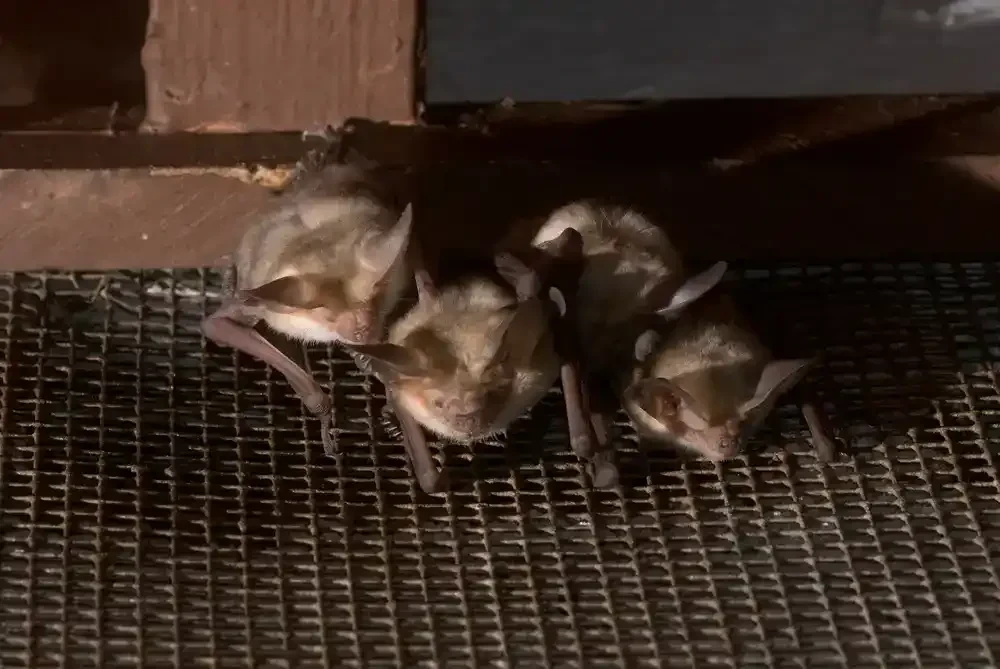
Three Bats On Mesh Genesee County Michigan

Bats in Attic Removal Michigan

What's Actually Included in the Service
Michigan law prohibits bat exclusion during maternity season, roughly late May through mid-August. Female bats give birth to pups that can’t fly for several weeks. Exclude the adults during this window and you trap flightless babies inside to die. That’s not just inhumane it’s illegal and creates a decomposition problem you’ll smell for months. The legal exclusion window runs late summer through early spring, typically September through April. That’s when pups are flying on their own and bats are either still active or in hibernation. We know these windows and plan accordingly. DIY attempts often ignore timing and create worse problems than the original infestation. This is where 26 years of local experience in Genesee County, MI and Shiawassee County, MI makes a difference. We’ve handled bat exclusion through every season and weather pattern Michigan throws at us. We know when to schedule work, when to wait, and how to explain why timing protects both you and the bat population that keeps mosquito numbers down.

Get Rid of Bats Genesee County

What's Actually Included in the Service

The full bat exclusion process in Genesee County, MI and Shiawassee County, MI starts with a complete inspection. We check your attic, roofline, soffits, vents, chimneys, and any other area bats use for entry. We’re looking for active entry points, guano accumulation, and structural vulnerabilities. Next comes sealing every potential entry point except the main ones bats are actively using. We’re talking about gaps in soffits, cracks where walls meet rooflines, unsealed vents, chimney gaps, and anywhere else a bat could fit. Then we install one-way exclusion devices at those active entry points. Bats leave to feed at night, exit through the device, and can’t get back in. We leave those devices in place for at least 10 to 21 days depending on the season, giving every bat time to leave. Then we return, remove the devices, seal those final entry points, and inspect to confirm the exclusion worked. If you need attic restoration to remove contaminated insulation and guano, we handle that too. The goal is a complete solution, not a partial fix that leaves you dealing with the same problem next year.
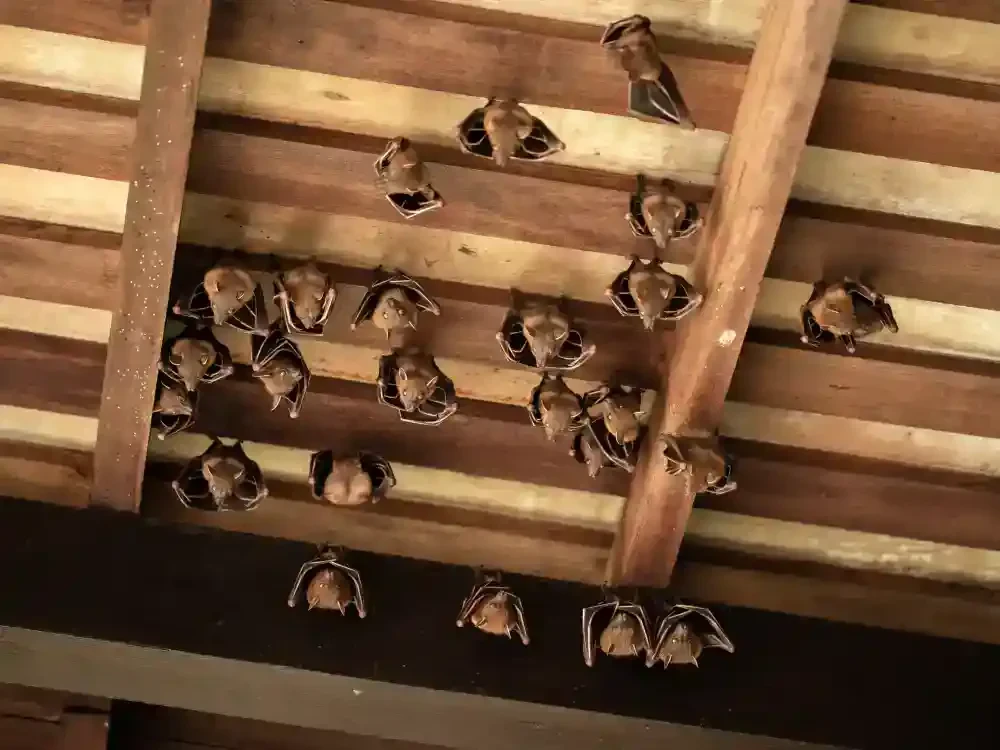
Bats Ceiling Infestation Genesee County Michigan
Bat Exclusion FAQs

Common Questions About Our Service

Bat exclusion costs in Michigan typically range from $400 to $2,000 depending on several factors. Smaller jobs with just a few entry points on single-story homes run on the lower end. Larger homes with complex rooflines, multiple entry points, steep pitches, or extensive guano requiring attic restoration cost more. The size of the bat colony matters too a few bats versus a large maternity colony changes both the time and materials needed. What drives cost is the amount of sealing work required, the accessibility of entry points, whether you need cleanup services, and how much of your attic needs restoration. We provide transparent estimates after inspection so you know exactly what you're paying for and why. No surprises, no hidden fees. Just honest pricing based on what your specific property needs.
Michigan law prohibits bat exclusion during maternity season, which runs roughly late May through mid-August. During this time, female bats give birth to pups that can't fly for several weeks. Excluding adult bats while flightless pups are present traps the babies inside where they die, which is both inhumane and illegal under state wildlife protection laws. The legal window for bat exclusion runs from late summer through early spring typically September through April. This timing allows pups born in summer to mature and fly on their own before exclusion begins. Some bat species in Michigan are federally protected, including the Indiana bat and Northern long-eared bat, which adds another layer of regulation. We understand these timing restrictions and schedule work accordingly. Attempting DIY removal during restricted periods can result in fines and doesn't solve the problem effectively.
The primary health risk from bats in your attic comes from their droppings, called guano. Bat guano can harbor a fungus called Histoplasma capsulatum. When guano dries out and gets disturbed, fungal spores become airborne. Inhaling these spores can cause histoplasmosis, a respiratory disease with symptoms that mimic the flu fever, cough, fatigue, and chest discomfort. For most healthy people, symptoms are mild. But for anyone with a weakened immune system, histoplasmosis can become severe and lead to chronic lung problems or hospitalization. Beyond the fungus, bat infestations bring mites and fleas that can migrate into living spaces. There's also the rare but real risk of rabies if anyone in your home gets bitten or scratched by a bat. The accumulation of guano and urine also saturates insulation, reduces its effectiveness, and creates persistent odor problems. Professional removal eliminates these health risks by getting bats out and cleaning up the contamination they leave behind.
Bats and mice both create scratching sounds in attics, but there are differences in when and how you hear them. Bats are most active at dusk and dawn. You'll hear scratching or fluttering sounds as they leave to feed at night and return before sunrise. If you watch your roofline around sunset, you might see them exiting through gaps in soffits, vents, or where walls meet the roof. Mice are active year-round, especially in fall and winter, and you'll hear them throughout the night scratching, gnawing, and running around. Bats don't gnaw on things like mice do. The other telltale sign is droppings. Bat guano looks similar to mouse droppings but tends to accumulate in piles under roosting spots and has a shiny, speckled appearance from insect parts. You might also notice dark, oily stains around entry points where bats have been squeezing through. If you're seeing droppings on your porch or below roof gaps, that's often bat activity. The only way to know for sure is a professional inspection that identifies the species and locates all entry points.
When bat exclusion is done correctly meaning every entry point is identified and properly sealed bats don't come back. The key word is "correctly." Bats can squeeze through gaps as small as 3/8 of an inch. Miss even one small opening and they'll find it. That's why our exclusion process involves inspecting the entire structure from the highest peak to below grade, sealing every potential entry point, and using one-way devices that let bats exit but prevent re-entry. Bats have strong homing instincts and may try to return to a familiar roosting site for up to five years. But since they're mammals, not rodents, they can't chew or claw their way back through professional-grade sealing materials like caulk, metal flashing, and hardware cloth. The quality of materials and thoroughness of the sealing work determines whether exclusion lasts. That's why we back our work and use materials designed to last decades, not just a season or two. If bats return through an area we sealed, we come back and fix it.
You can try, but DIY bat exclusion usually creates more problems than it solves. First, finding every entry point requires knowing where to look and what to look for. Bats use gaps most homeowners never notice tiny cracks in soffits, spaces where different building materials meet, unsealed vents, and chimney gaps. Miss one and the bats just use that opening instead. Second, if you seal entry points while bats are inside, you've trapped them. They'll either die in your walls creating odor problems, or they'll find their way into your living space looking for an exit. Third, Michigan law regulates bat removal timing and methods. Exclude bats during maternity season when flightless pups are present and you're breaking state wildlife protection laws. Fourth, handling bat guano without proper protective equipment exposes you to histoplasmosis risk. We have the training, equipment, and legal knowledge to do exclusion correctly the first time. We know the timing restrictions, the sealing techniques that actually work, and how to clean up contamination safely.
A large white number 1 centered inside a solid black circle on a plain white background.

Inspection and Assessment

We inspect your entire property to find every entry point, assess the colony size, and identify all areas needing repair or sealing.

A white number 2 centered on a solid black circle background.

Exclusion Device Installation

One-way doors go on active entry points while we seal all other gaps. Bats exit naturally but can't return through any opening.

A bold white number 3 centered inside a solid black circle, set against a plain white background.

Final Sealing and Cleanup

After all bats have left, we remove devices, seal final entry points, and handle any guano cleanup or attic restoration you need.