
Hear from Our Customers
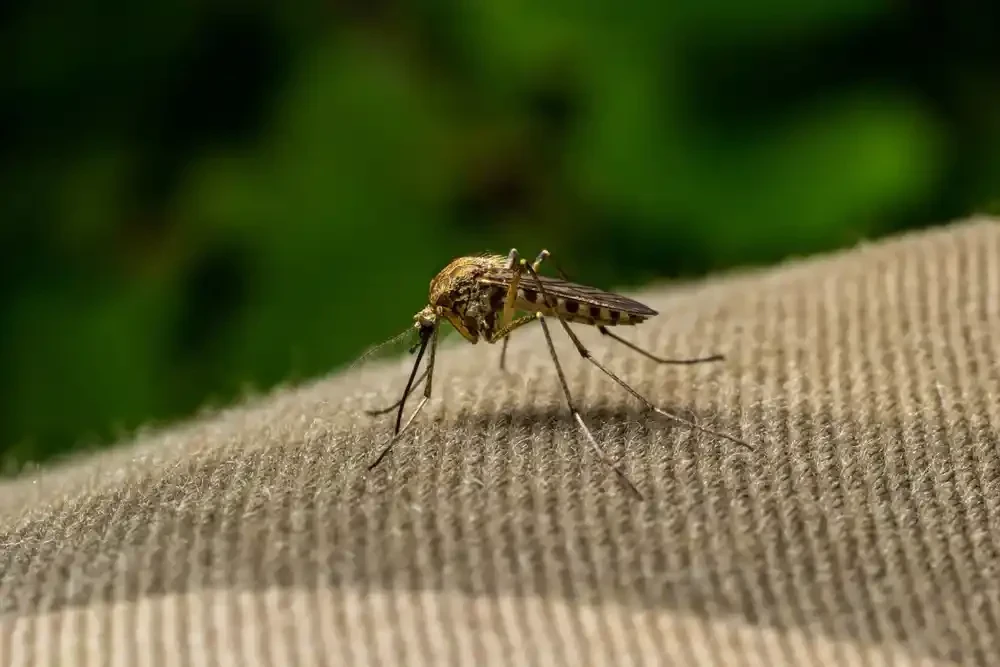
Living near the Bad River means you’re not dealing with the occasional mosquito — you’re dealing with a breeding cycle that resets every time it rains. Slow-moving water, muddy banks, and riverside vegetation create the exact conditions mosquitoes need to multiply fast. Our professional barrier treatment interrupts that cycle at the source, not just at the surface.
What that looks like in practice: you sit outside without reaching for bug spray. Your kids play in the yard without coming in covered in bites. You host a cookout in August without spending half of it swatting. That’s significant when you live in St. Charles, where outdoor life — the rail trail, the river, the golf course — is part of the reason you’re here.
The Saginaw River watershed sees 15% of all rainfall from Michigan’s Lower Peninsula pass through it. After a heavy rain, mosquito emergence in this area can surge dramatically within 10 days. A seasonal program that stays ahead of those cycles — not just treating once and walking away — is the only approach that actually keeps up with conditions like these.
First Choice Pest Control was founded on May 31, 2005 — which means we’ve been through 20 Michigan mosquito seasons, including some of the wettest years the Saginaw Valley has seen. Roger, who leads our company, brings 26 years of hands-on pest control experience to every job. That’s not a credential on a wall — it’s the difference between a technician who recognizes a Bad River pressure pattern and one who’s reading from a generic checklist.
We serve homeowners across Saginaw County, including St. Charles and the surrounding township. We’ve earned a 4.7-star rating from over 363 verified customers, along with recognition from Angie’s List and HomeAdvisor. But what keeps customers coming back year after year isn’t the awards — it’s the fact that the same trained technician shows up every time, already familiar with your property.
We don’t staff up with seasonal workers in the spring and disappear in the fall. Every technician on our team is a trained professional, and that consistency is something you’ll notice from the very first visit.
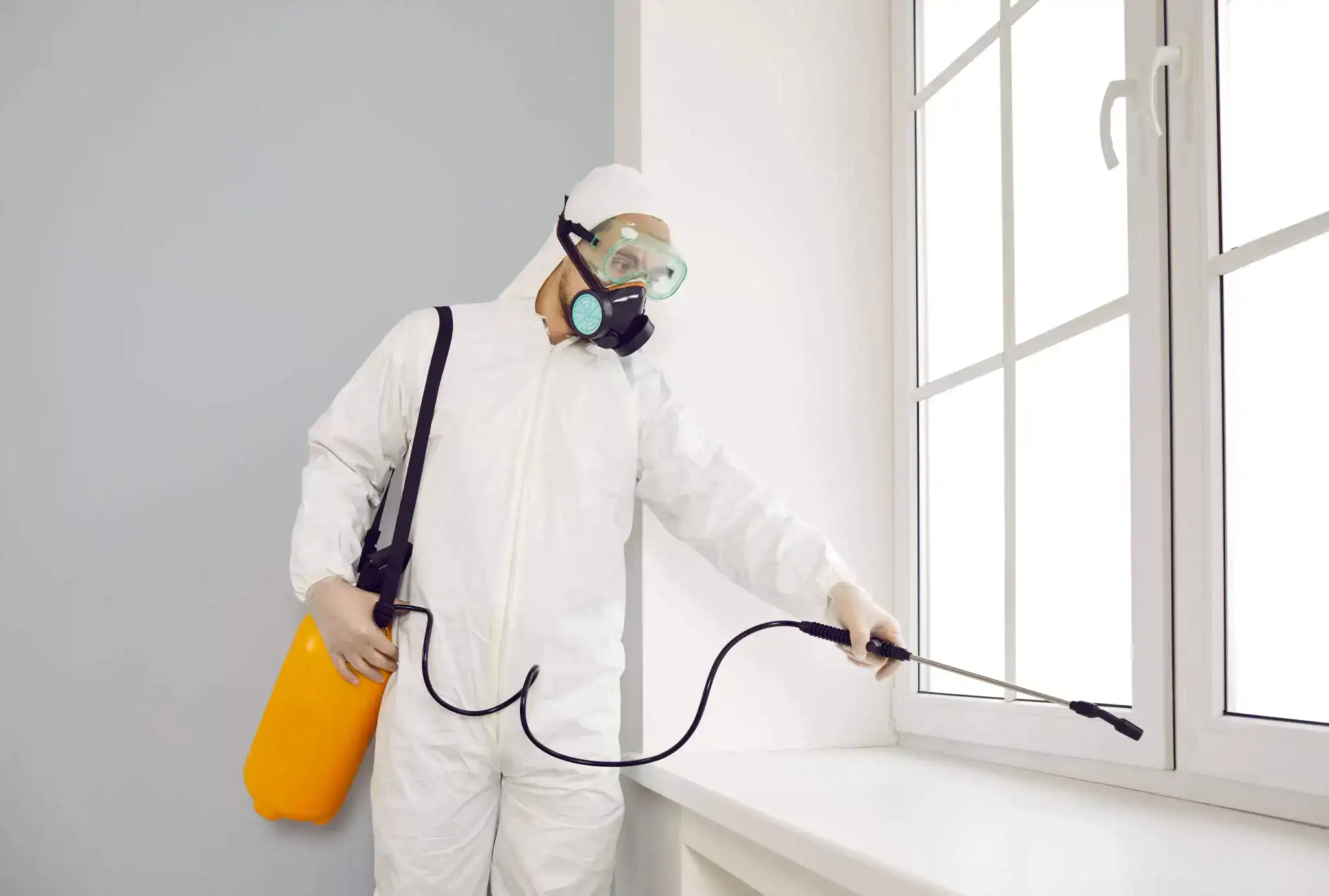
The first step is a property assessment. Your technician walks the yard and identifies the specific conditions driving mosquito pressure on your property — not a generic checklist, but an actual look at where the water pools, where the shaded brush lines are, and where mosquitoes are likely entering from the Bad River corridor or surrounding low-lying areas. In St. Charles, that assessment often reveals more than homeowners expect, because the agricultural drainage ditches and farm field runoff surrounding the township create standing water habitat well beyond the river itself.
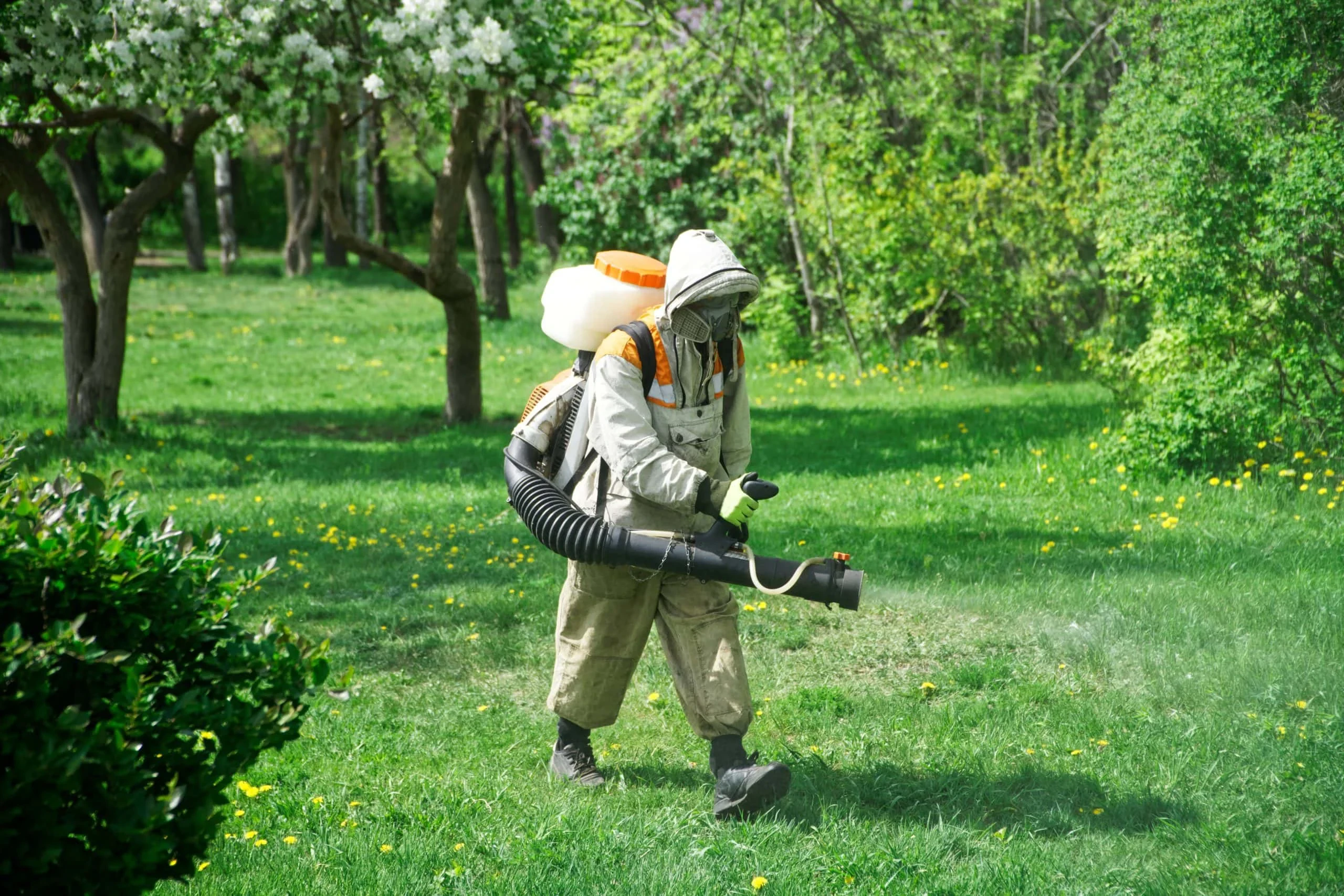
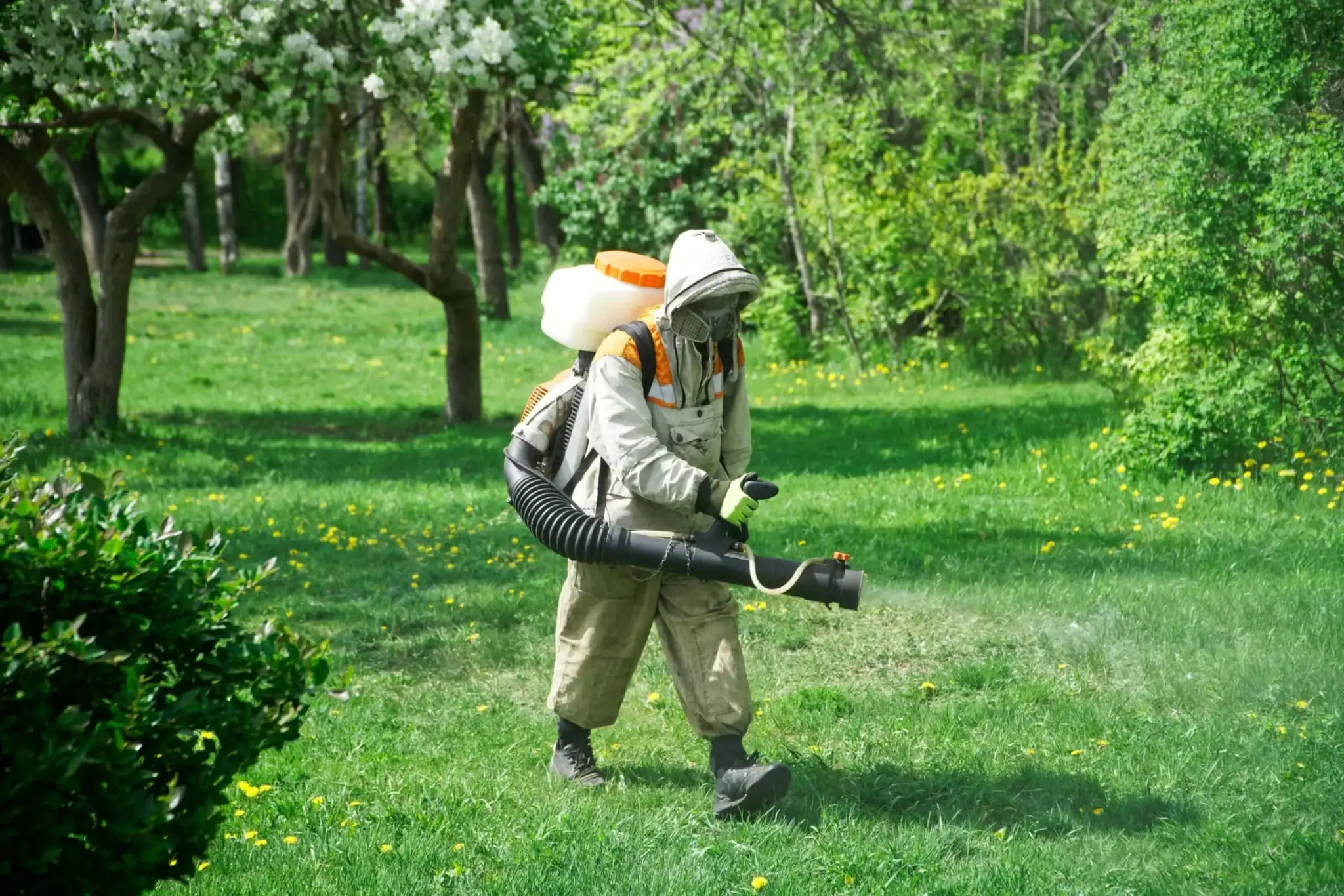
From there, we apply an EPA-registered barrier treatment to the areas where mosquitoes rest and breed — dense vegetation, fence lines, shaded perimeter zones, and any areas with moisture retention. The treatment is designed to last approximately 21 days, after which your technician returns for reapplication. That recurring schedule matters here because mosquito emergence near the Saginaw River watershed doesn’t stop between visits — it needs consistent management throughout the season.
Every mosquito treatment we provide also includes flea and tick control at no extra charge, because these pests share the same harborage areas. You’re not paying for a separate visit or a separate line item — it’s handled in the same appointment, the right way.
Ready to get started?
Most mosquito control programs treat one pest and call it done. Ours includes flea and tick treatment in every visit because the biology makes it the logical approach — mosquitoes, fleas, and ticks all live in the same areas of your yard. Treating one without the others leaves real gaps in your protection, especially in a community like St. Charles where properties back up to river corridors, wooded edges, and open agricultural land.
The Saginaw County Mosquito Abatement Commission does community-level work across all 814 square miles of the county — catch basins, flooded woodlots, public spaces. That’s valuable, but it doesn’t cover your backyard. It doesn’t treat the brush line along your fence or the low spots where water sits after a rain. Our residential program fills that gap directly, with treatments calibrated to your specific property rather than the surrounding area at large.
We use EPA-registered products applied by IPM-certified technicians, and we’ll match any reasonable competitor’s rate on mosquito control services in St. Charles. Seniors, veterans, and first responders also receive a discount — because in a community with St. Charles’s character, that’s the right way to do business. A full seasonal program running spring through fall can reduce mosquito populations on your property by up to 90%.
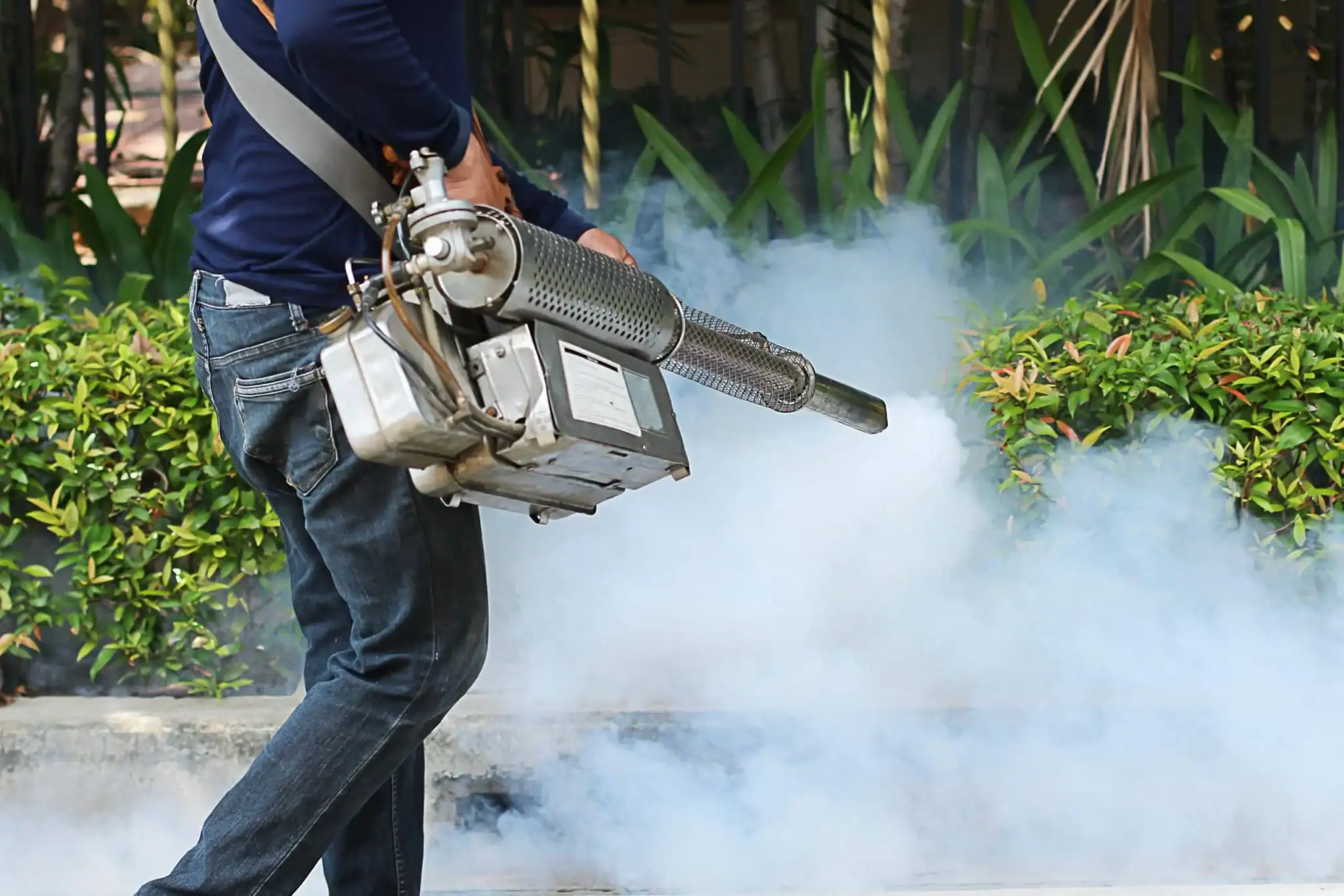
It does — but it requires a different approach than what works in a standard suburban yard. The Bad River creates continuous mosquito pressure because it provides a permanent breeding environment that doesn’t dry up between treatments. A single spray won’t solve that. What works is a recurring barrier program that stays ahead of the breeding cycle, treating the resting and harborage areas on your property every 21 days throughout the season so that new mosquitoes emerging from the river corridor don’t simply repopulate your yard between visits.
The key is that our professional treatments target where mosquitoes actually live — dense vegetation, shaded fence lines, brush edges, and moisture-retaining areas — not just where you happen to see them flying. Store-bought sprays address adult mosquitoes in the moment. Our professional program disrupts the population at a structural level, which is what’s needed when you’re dealing with a river-adjacent property in a watershed as active as Saginaw County’s.
The Saginaw County Mosquito Abatement Commission has been doing community-level mosquito control since 1977, and their work across the county — including larval control, surveillance, and catch basin treatment — genuinely reduces the overall mosquito population in the area. But their programs operate at a public infrastructure level. They’re treating flooded woodlots, drainage systems, and common spaces across 814 square miles of Saginaw County. They are not treating your backyard in St. Charles.
That distinction matters more than most people realize. The shaded areas under your deck, the brush line along your fence, the low spots in your lawn where water sits after a rain — none of those are covered by SCMAC’s program. A residential barrier treatment from us works alongside the county’s efforts, not instead of them. You’re adding a layer of protection that’s specific to your property, your family, and your yard — which is the only way to actually control what’s happening in the space where you live.
The short answer is earlier than most people think. Mosquito season in St. Charles typically begins in late April or early May, once temperatures consistently stay above 50°F and the Bad River’s spring snowmelt starts creating standing water across low-lying areas in the township. By the time you’re seeing mosquitoes in numbers, the breeding cycle is already well underway — and you’re a step behind.
Starting treatment in late April or early May puts you ahead of that first surge. It also means your property is protected going into the heaviest pressure months of June, July, and August, rather than scrambling to catch up after the season is already in full swing. Given that 15% of Michigan’s Lower Peninsula rainfall passes through the Saginaw River watershed, wet springs in this area can accelerate mosquito emergence significantly. Getting ahead of it is always the better move than reacting to it.
Yes — and this is one of the most common questions we get, especially from families with young children and dogs who spend real time in the yard. Every product we use is EPA-registered, which means it’s been reviewed and approved for residential use. Our technicians are IPM-certified, which means the approach is built around using the least amount of product necessary to get the job done effectively. You’re not getting a blanket chemical application — you’re getting a targeted treatment to the areas where mosquitoes actually rest and breed.
We do ask that people and pets stay off treated areas for about 30 minutes after application, until the product has dried. After that, the yard is safe for normal use. If you have specific sensitivities or concerns — a pet with a health condition, a child with allergies — let your technician know before the visit. We can adjust the approach accordingly. That kind of flexibility is part of why we build an ongoing relationship with each customer rather than sending a different person every time.
Several factors stack up here that don’t apply in most other parts of the state. The Bad River runs directly through St. Charles, providing a permanent breeding source that doesn’t go away in a dry week. The surrounding township is predominantly agricultural, and the drainage ditches and field irrigation that come with that landscape create additional standing water habitat beyond the river itself. The Shiawassee National Wildlife Refuge — 10,000 acres of marsh and wetland habitat — sits in close proximity to the area, functioning as a massive, permanent mosquito reservoir that feeds the regional population throughout the season.
On top of that, the Saginaw County Mosquito Abatement Director has publicly identified St. Charles as one of the areas particularly affected by flooding-driven mosquito surges, specifically because of how much rainfall flows through the Saginaw River watershed. When it rains heavily — which has become more common in recent years — the mosquito emergence that follows in this area can be severe. That’s not a reason to give up on your yard. It’s a reason to use a program that’s built to handle these specific conditions.
We offer discounts for seniors, veterans, and first responders — and in St. Charles, that covers a meaningful portion of the community. The township’s median age is higher than the Michigan state average, and there’s a strong working-class, service-oriented culture here that we genuinely respect. These aren’t categories we added to a pricing sheet as an afterthought — they reflect the kind of community St. Charles actually is, and the kind of company we’ve tried to be for the past 20 years.
We also price-match any reasonable competitor’s rate on mosquito control services in the area. If you’ve received a quote from another company, bring it to us. You’ll get the same trained technician every visit, the same IPM-certified treatment approach, and the same flea and tick inclusion — at a price that’s competitive with anyone operating in Saginaw County. The goal is to make professional mosquito control accessible to the people who actually need it, not just the ones who can afford to overpay for it.
Useful Links