
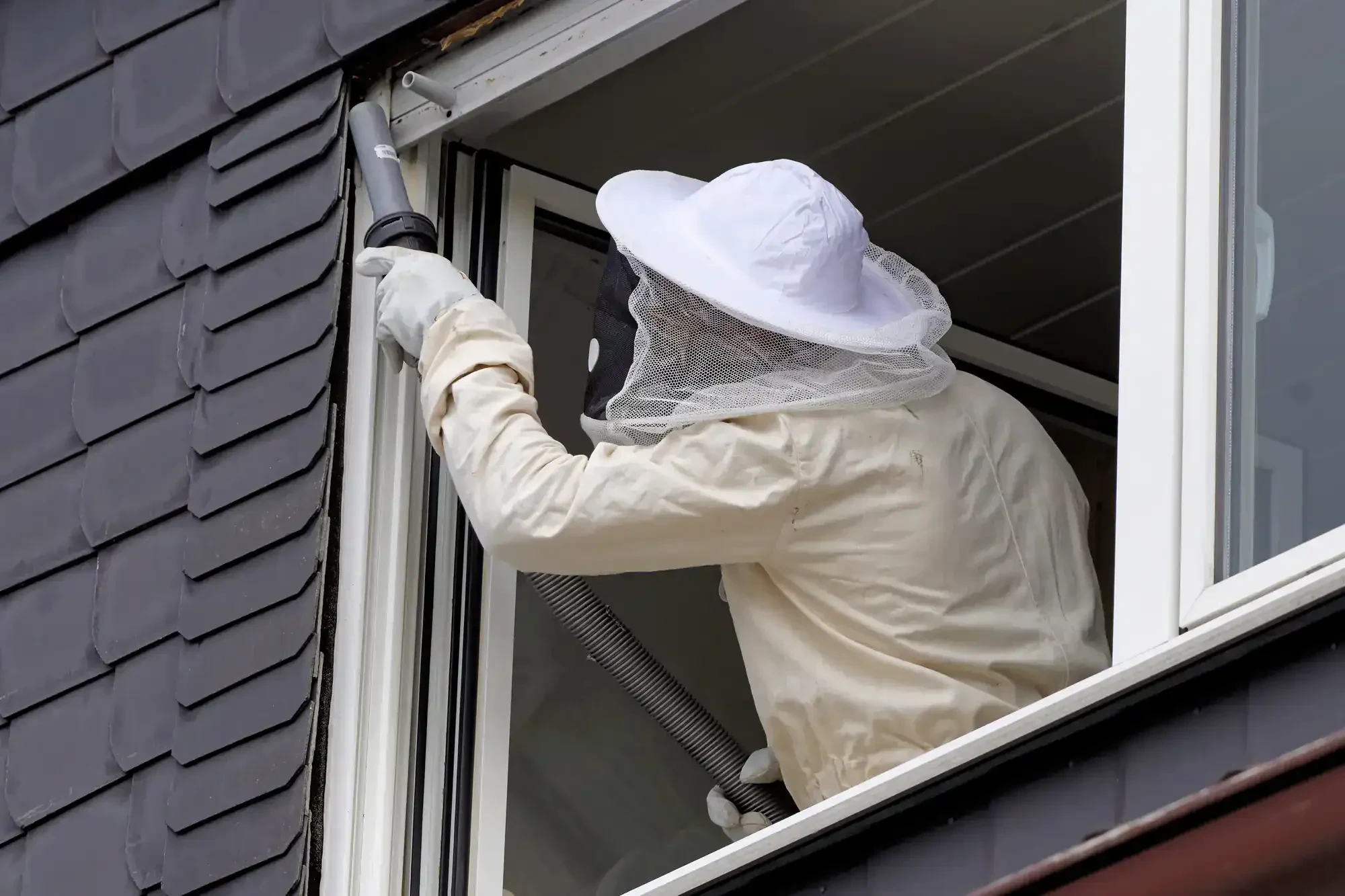
Hear from Our Customers
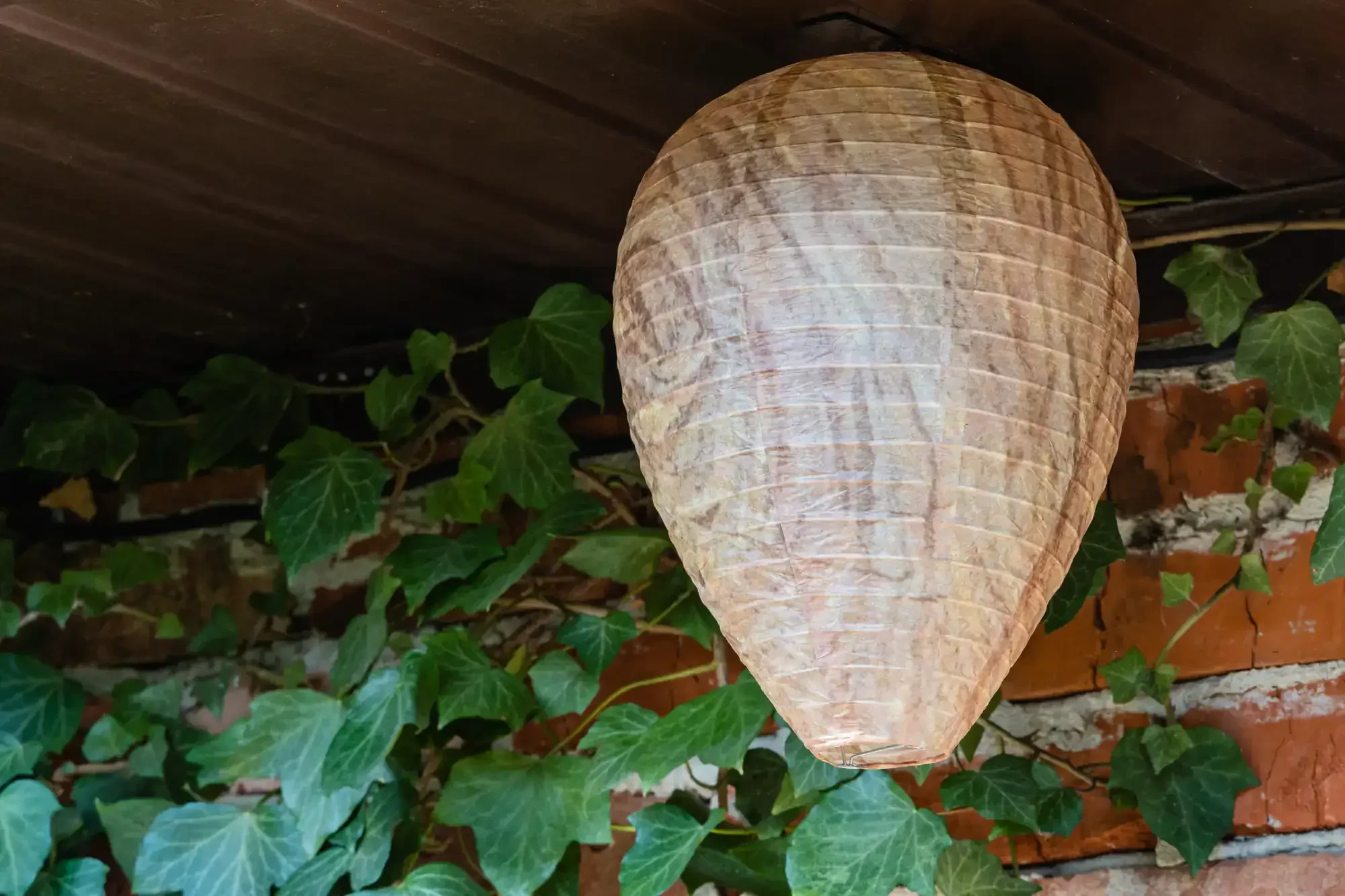
Most people don’t call a professional after the first wasp sighting. They grab a can from the hardware store, spray the nest at dusk, and hope for the best. Sometimes it works. More often, it agitates the colony without eliminating it — and now you’ve got a nest full of angry wasps that know something tried to kill them. That’s when stings happen.
Here’s what changes when we get the job done right. The nest is gone, the entry points are sealed, and your backyard is usable again — for the cookouts, the kids playing in the grass, the garden you’ve been working on all summer. For St. Charles homeowners whose yards back up to agricultural fields or the Bad River corridor, that matters more than it might sound. Those riparian edges and field margins are prime nesting ground for yellow jackets, and a colony that establishes on the edge of your lot in May will be a serious problem by late July.
Older homes in the village also carry a specific risk that newer construction doesn’t — gaps in soffits, fascia boards, and aging siding give yellow jackets a direct route into your wall voids. A hidden wall nest isn’t just uncomfortable. It’s a structural issue that gets worse the longer it’s left alone. Getting it handled early means you’re not dealing with a much bigger problem come fall.
First Choice Pest Control has been operating since May 31, 2005 — 20 years of showing up for Michigan homeowners without the runaround of a national chain. Roger Chinault founded our company and brings 26 years of hands-on pest control experience to every service area, including Saginaw County communities like St. Charles. This isn’t a franchise with rotating technicians and a call center three states away. It’s a family-owned business where the same professional comes back to your property year after year — someone who actually knows your yard, your outbuildings, and your history with pests.
We hold Integrated Pest Management training credentials, are fully licensed through the Michigan Department of Agriculture and Rural Development, and have earned recognition from both Angie’s List and HomeAdvisor. There are no binding contracts. If the work isn’t done right, we come back — no charge. For a community like St. Charles, where a handshake still means something, that kind of accountability isn’t a selling point. It’s just how the job should be done.
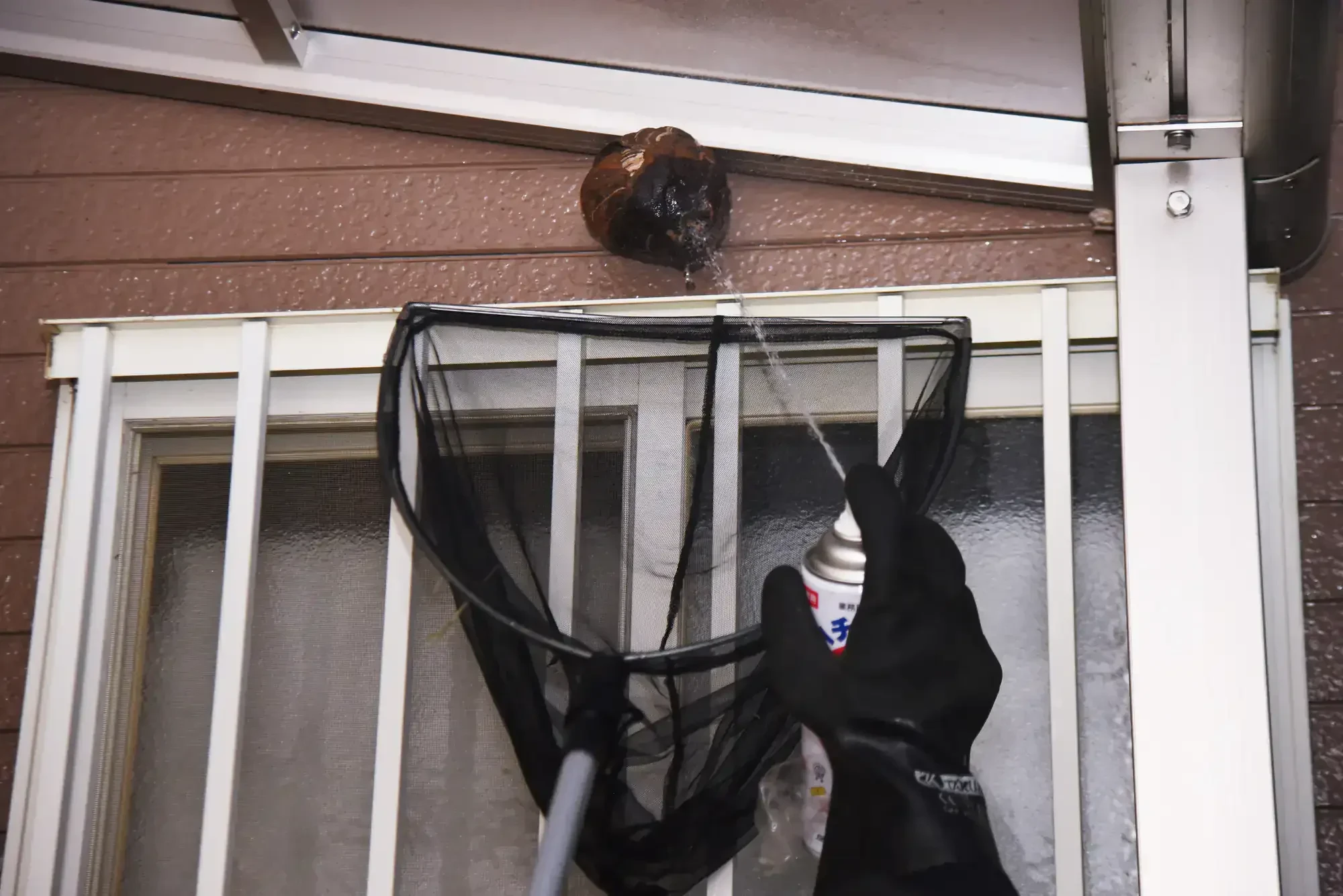
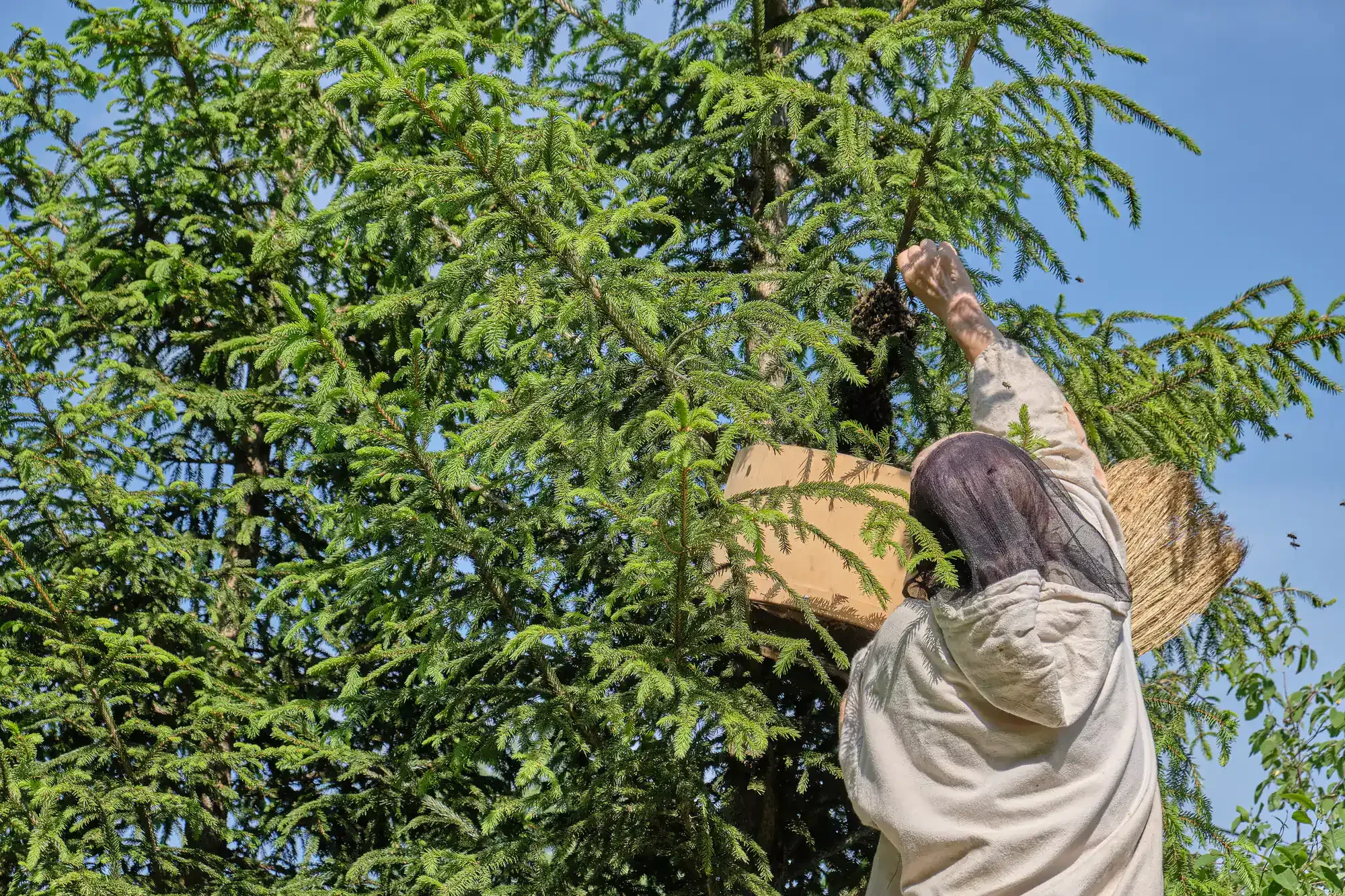
When you call us for wasp nest removal in St. Charles, MI, the first thing that happens is a real conversation — not a scripted intake form. You describe what you’re seeing, where you’re seeing it, and how long it’s been going on. That information matters because yellow jacket ground nests, paper wasp colonies under eaves, and bald-faced hornet nests in shrubs all behave differently and require different approaches.
When our technician arrives, we do a full property inspection — not just the visible nest, but the perimeter, the outbuildings, the roofline, and the ground edges where your lot meets the field margin or the tree line. In St. Charles Township, that last part is important. Rural properties in areas like Clausedale and Groveton frequently have secondary nests in fence rows, wood piles, and equipment storage areas that go undetected until someone gets too close. A thorough inspection catches those before they become a second emergency.
Treatment is targeted and timed — applied when colony activity is lowest, which typically means early morning or evening. After treatment, we remove the nest structure where accessible, seal entry points into the structure to prevent re-colonization, and give you a clear re-entry window so you know exactly when it’s safe to be back outside. If activity returns, so do we — at no additional cost.
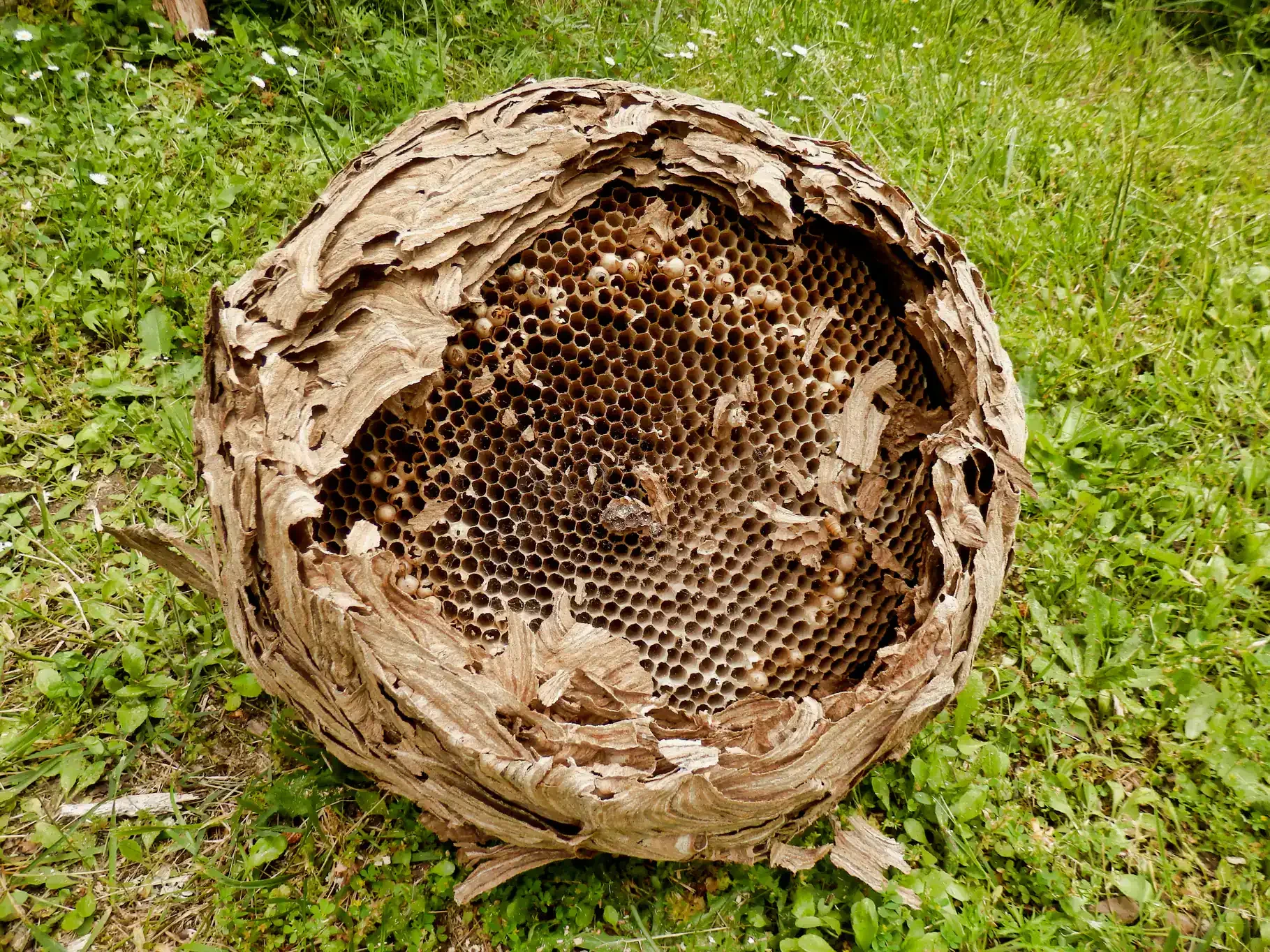
Ready to get started?
Our wasp nest removal service in St. Charles, MI covers the full range of stinging insect species common to Saginaw County — yellow jackets, paper wasps, bald-faced hornets, and mud daubers. Each one builds differently, nests in different locations, and responds differently to treatment. We handle all of them with the same thorough process: inspection, targeted treatment, nest removal, and entry point sealing.
For St. Charles specifically, the mix of older housing stock and agricultural surroundings creates a pest environment that generic pest control companies aren’t always prepared for. Yellow jackets nesting underground in field margins along rural township roads, paper wasps building under the eaves of older homes on the village’s residential streets, bald-faced hornets in the shrubby vegetation along the Bad River corridor — these are the real scenarios that come up here, and our service is built around them. We’re fully licensed through MDARD for commercial pesticide application in Michigan, so every treatment meets state requirements without any additional local permitting layer required in St. Charles.
We offer discounts for seniors, veterans, and first responders — and with a median age of 46.6 in St. Charles and a community that runs deep on service, those discounts get used regularly. We also match reasonable competitor rates, so if you’ve already gotten a quote from another company serving the area, bring it. The goal is to make professional wasp control in St. Charles, MI accessible — not to price people out of a service you genuinely need.
The most common sign is repeated wasp activity at or near ground level — wasps flying in and out of a small hole in the soil, often in an area of bare or sparse grass. You might notice it while mowing, gardening, or walking near a fence line. In St. Charles, where a lot of residential properties border agricultural fields or wooded edges along the Bad River, ground nests frequently establish in those transition zones and go unnoticed until someone gets too close.
What makes ground nests particularly dangerous is that the colony is hidden. You can’t see the size of it from the surface. By late summer, a yellow jacket ground nest in Michigan can hold 5,000 to 15,000 workers — and disturbing it, even accidentally with a lawn mower, triggers an immediate, aggressive defensive response. If you’re seeing repeated low-level wasp activity in one area of your yard and you can’t identify a visible nest above ground, treat it as a ground nest until proven otherwise and call us before investigating further on your own.
For very small, newly established nests — the golf-ball-sized paper structures you might spot under a deck railing in early May — a hardware store spray applied at the right time of night can sometimes work. But the window for that approach is short. By the time most people notice a nest, the colony is already well past the point where a single can of store-bought spray is going to solve it.
The bigger risk with DIY treatment isn’t failure — it’s partial success. When you agitate a colony without eliminating it, the wasps become significantly more defensive. They’re not just protecting the nest anymore; they’re responding to a perceived threat. That’s when stings happen in numbers, and that’s when people end up in the emergency room. For anyone in the household with a known allergy — or an unknown one — that risk isn’t worth the cost of a can of spray. We remove the colony, not just the surface nest, and seal the entry point so it doesn’t come back.
The honest answer is: as soon as you see activity. The earlier in the season you address a nest, the smaller the colony, the lower the risk, and typically the lower the cost. In mid-Michigan, queen wasps start establishing new nests in April and May. If you spot a small nest in the spring, that’s the best possible time to treat it — before the worker population explodes through summer.
The most dangerous window in St. Charles runs from late July through September. That’s when yellow jacket colonies hit peak size and natural food sources start to decline, which makes the wasps more aggressive and more likely to target anything in their vicinity — including people eating outside, kids playing in the yard, or anyone who gets too close to the nest by accident. For St. Charles residents near agricultural land, late summer is also when harvest activity disturbs ground nests in surrounding fields, pushing displaced colonies into residential areas. If you’ve waited until August to call, it’s not too late — but don’t wait any longer.
Yes, and it’s more common in older homes than most people realize. Yellow jackets in particular are opportunistic nesters — they look for protected, enclosed spaces to build, and the gaps, cracks, and structural voids in aging siding, soffits, and fascia boards give them exactly that. St. Charles has a significant portion of older housing stock, which means more entry points than newer construction typically has.
A wall-void nest is harder to detect and harder to treat than a visible exterior nest. You might hear buzzing inside a wall, notice wasps entering and exiting a small crack near the roofline, or see increased wasp activity near a specific area of your home’s exterior without finding an obvious nest. The danger with wall nests is that incomplete treatment — spraying the entry point without addressing the colony inside — can drive the wasps deeper into the wall or cause them to chew through interior drywall. Our professional inspection identifies the full extent of the nest before treatment begins, and entry point sealing after treatment prevents the same location from being recolonized the following spring.
The cost depends on the type of nest, where it’s located, and how established the colony is. A standard above-ground paper wasp or small hornet nest removal typically runs in the $150 to $300 range. Yellow jacket ground nest removal, which is more involved due to the underground colony structure, can run $300 to $500 or higher depending on the size and accessibility of the nest. Wall-void nests are priced based on the scope of the job.
We match reasonable competitor rates — so if you’ve gotten a quote from another pest control company serving the St. Charles area, it’s worth a call before you book. Discounts are also available for seniors, veterans, and first responders. The thing worth keeping in mind on cost: a failed DIY attempt followed by a professional call costs more than just calling us first. And a colony that’s left untreated through the summer doesn’t get cheaper to deal with in September — it gets significantly more expensive, and more dangerous.
Yes. We serve the full St. Charles area, including rural properties throughout St. Charles Township — Clausedale, Groveton, Luce, and the surrounding unincorporated areas along township roads like Marion, Burt, McKeighan, and Clausedale Road. Rural properties in this area often deal with wasp pressure that village residents don’t face at the same level — outbuildings, barns, fence rows, wood piles, and equipment storage areas are all common nesting sites that can go undetected for months on a larger lot.
If you’re on a rural property outside the village limits and you’ve been hesitant to call because you weren’t sure whether a Saginaw County company would make the drive — we do. St. Charles and the surrounding township are part of our established service area, and the route puts the village well within our regular service corridor. The same thorough inspection and treatment process applies regardless of whether your property is on a village street or a township road bordering a sugar beet field.
Useful Links