You found something. Maybe bites you can’t explain. Maybe a rust-colored spot on your sheets. Maybe an actual bug — small, flat, reddish-brown — and now you can’t stop thinking about it. The instinct is to call the first number you find and get someone out fast. That’s completely understandable. But the exterminator you hire matters more with bed bugs than with almost any other pest. A missed infestation doesn’t just linger — it spreads. This page will help you understand what professional bed bug treatment actually looks like, why the cheapest quote often costs the most in the long run, and what to ask before you let anyone into your home.
Bed Bug Inspection Methods: What a Real Pro Actually Does First
Before any treatment happens, a professional exterminator needs to know exactly what they’re dealing with — where the bugs are, how far they’ve spread, and whether the infestation is early or established. That sounds obvious, but a lot of low-cost operators skip this step. They show up, spray the baseboards, and hand you an invoice.
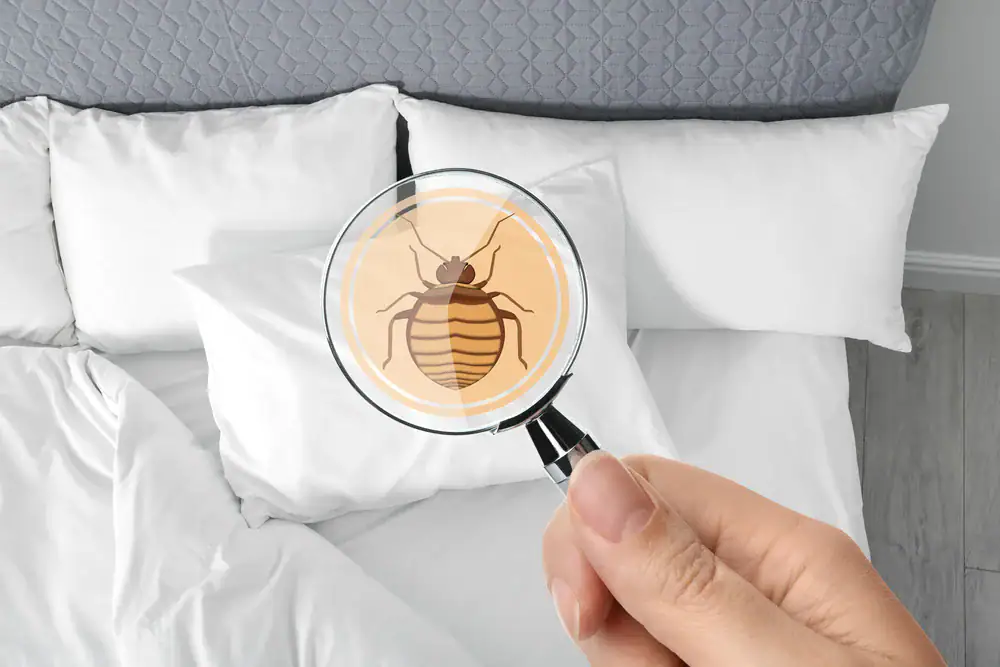
A real inspection is targeted and methodical. It focuses on the places bed bugs actually hide: mattress seams, box spring folds, headboard cracks, outlet covers, baseboards, and the gaps behind picture frames. These are not places you find by walking through a room with a flashlight. They require experience, patience, and the right tools.
The method used for that inspection makes an enormous difference in what gets found — and what gets missed.
Early Stage Bed Bug Infestation: The Window That Matters Most
An early stage bed bug infestation is the best possible time to deal with the problem. There are fewer bugs, they’re more concentrated, and the treatment is faster, less disruptive, and less expensive. It’s also the hardest stage to confirm without the right detection method.
When an infestation is young, you might have a handful of bugs hiding in a single mattress seam or tucked into the gap where your headboard meets the wall. There are no visible egg clusters. No heavy fecal staining. Just a few bites and a feeling that something isn’t right. A visual inspection by a human technician at this stage will miss the infestation more often than it finds it — industry data puts visual inspection accuracy somewhere between 30 and 50 percent for early-stage cases. That’s a coin flip with a treatment cost attached.
This is exactly why we use certified canine detection. Our dogs are trained to locate a single bug or viable eggs by scent alone, working through a room in five to seven minutes with accuracy rates up to 98 percent. That’s not a marketing number — it’s the documented difference between a nose that evolved to detect scent at concentrations humans can’t perceive, and a set of human eyes scanning a dark crack in a mattress frame.
What this means practically: if you call us because something feels off but you’re not sure you actually have bed bugs, we can give you a real answer. Not a guess based on what we could see. An answer based on what our dog found — or didn’t find. That clarity alone is worth the call, because the alternative is either treating for a problem that may not exist or missing an early infestation of bed bugs that quietly doubles every few weeks until it’s in every room.
Catching it early is the difference between a contained, single-treatment resolution and a whole-home remediation that takes weeks and costs several times more. The infestation doesn’t wait while you decide.
Why Visual Inspection Alone Misses What Canine Detection Finds
Bed bugs are built to hide. They’re flat enough to slip into a crack thinner than a credit card, they’re nocturnal, and they don’t move around during the day when an inspector is walking through your home. A visual inspection done well by an experienced technician is still a valuable tool — but it has real limits, and those limits matter most when the infestation is small.
The accuracy gap between human visual inspection and certified canine detection is significant. Canine detection, when performed by a properly certified team, reaches 95 to 98 percent accuracy. That gap isn’t a rounding error — it’s the difference between finding the problem and sending you home thinking you’re clear.
We’re one of fewer than 100 companies in the entire United States offering certified K-9 bed bug detection. That’s not because the technology is new or unproven — it’s because the training, certification, and ongoing maintenance of a working detection dog requires a level of investment that most pest control companies aren’t willing to make. We made it because we’ve seen what happens when an early infestation gets missed: it becomes a large one, the treatment scope expands, and the customer ends up paying two or three times what an early detection would have cost.
There’s also a common misconception worth addressing directly: some people assume canine detection is a novelty or a sales gimmick. It isn’t. The accuracy data is well-documented, the certification standards are real, and the practical difference — a dog that can locate a single bug in a room-sized space in under ten minutes — is something no human inspector can replicate. If a company offers it, ask whether their dog is certified and through which organization. Certification matters. An untrained dog and a certified detection dog are not the same thing, and the difference shows up in the results.
What to Look for When Hiring a Bed Bug Exterminator in Flint
Flint ranks #16 on Orkin’s 2025 Top 50 Bed Bug Cities list — up seven spots from the previous year. Michigan as a whole ranks second in the nation for bed bug infestations, with Detroit at #3 and Grand Rapids at #7. If you’re in Genesee County or Shiawassee County, you are not in a low-risk market. The pest pressure here is real, documented, and getting worse year over year.
That context matters when you’re evaluating exterminators, because it means the stakes of a failed first treatment are higher. An infestation that goes unresolved in a Flint-area apartment building doesn’t stay in one unit. It moves through shared walls, travels on clothing, and spreads to neighboring units before anyone realizes what’s happening.
Questions to Ask Any Bed Bug Exterminator Before You Hire Them
The questions you ask before hiring tell you more than any quote. A few worth asking every company you consider:
Are they licensed through MDARD — Michigan’s Department of Agriculture and Rural Development? This is the state-level licensing requirement for commercial pest control operators in Michigan. It’s not optional, and a company that hesitates when you ask for their license number is a company worth crossing off your list. Our MDARD Pesticide Application Business License number is #250081 — that’s verifiable, not just a claim.
Are they IPM-certified? Integrated Pest Management is a science-based approach that combines targeted treatment methods, minimizes unnecessary chemical exposure, and focuses on long-term prevention rather than repeated spray visits. It’s the professional standard. Not every exterminator operates this way.
Do you send the same technician every time? This matters more than it sounds. A technician who has been to your property before knows your layout, remembers your pest history, and doesn’t need you to re-explain everything from scratch. We assign the same technician to every customer, every visit. No rotating whoever’s available. No part-time college students learning on your time.
Do you offer a follow-up inspection? Bed bugs lay eggs that can survive an initial chemical treatment. A single visit is often not enough to confirm full elimination. We build follow-up into our process — not as an upsell, but because it’s how you actually verify the infestation is gone.
What happens if the treatment doesn’t work? Ask this directly. The answer tells you a lot about how confident the company is in their process and how much they stand behind their work.
Why the Cheapest Bed Bug Quote Usually Costs More in the End
The math on cheap bed bug treatment is straightforward once you’ve seen it play out. A low-cost operator comes in, applies a general pesticide without a thorough inspection, and collects their fee. The treatment knocks back the visible population. The buyer thinks it worked. Then, four to six weeks later, the eggs that survived hatch, and the infestation is back — sometimes larger than before, because the surviving bugs have dispersed to new hiding spots during the disruption.
Now the buyer calls a second company. The scope of treatment is broader. The cost is higher. And they’ve already spent money on the first round that accomplished nothing permanent.
This pattern is common enough in Flint and the surrounding area that it’s worth naming directly. Bed bug populations here have developed resistance to many of the over-the-counter and lower-grade pesticide products that cheaper operators rely on. A product that might work in a lower-resistance market simply doesn’t perform the same way in Genesee County. Professional-grade treatment — applied after a real inspection, targeting actual hiding locations, using methods that address all life stages — is what actually resolves the problem.
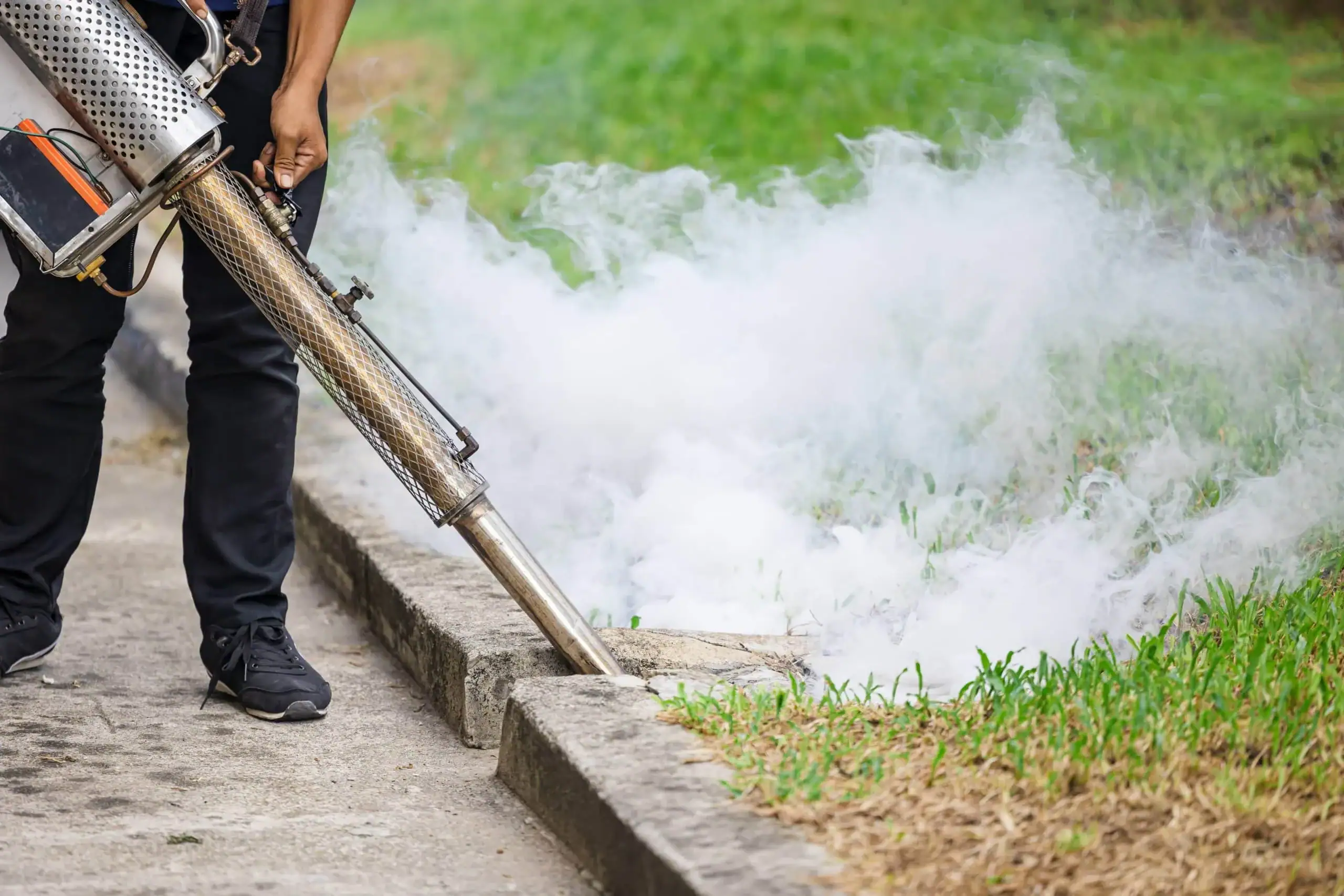
Heat treatment is one example. Raising the interior temperature of a home to between 120 and 140 degrees Fahrenheit for two to three hours kills bed bugs at every life stage, including eggs. It doesn’t require multiple visits. It doesn’t leave chemical residue. And for households with young children, pets, or anyone with health sensitivities, it eliminates the chemical exposure concern entirely. It costs more than a single spray visit. It also works in a way that a single spray visit often doesn’t.
We offer price matching for reasonable competitors’ rates — so if you’ve received a quote from another licensed, insured exterminator, bring it to us. The goal isn’t to be the cheapest option. It’s to be the one you don’t have to call twice. We’ve been serving Genesee County and Shiawassee County since 2005, and the customers who come back to us year after year aren’t coming back because the first treatment failed. They’re coming back because it didn’t.
Choosing the Right Bed Bug Exterminator in Flint, MI
The short version: detection accuracy determines treatment outcomes. A professional who finds the full extent of an infestation before touching a single product will outperform a cheaper operator who skips that step every time. In a market like Flint — where bed bug pressure is among the highest in the country and local populations have developed resistance to many standard treatments — that gap in approach translates directly into whether your problem gets solved or just delayed.
What you’re looking for is a licensed, insured exterminator who uses a real inspection process, communicates clearly about what they found and what they plan to do, and stands behind the outcome. Someone who has been doing this work locally long enough to know what actually works here.
If you’re dealing with a suspected or confirmed infestation in Genesee County or Shiawassee County, we’ve been serving this area for 20 years. Reach out and we’ll start with the inspection — because that’s always where the real answer is.