Michigan summers are short. You already know that — which makes it worse when mosquitoes take over your yard from May through October and you’re stuck inside watching the season pass. If you’ve tried the citronella candles, the big-box foggers, and the clip-on repellents, and you’re still getting eaten alive, you’ve hit the ceiling of what those products can do.
Professional mosquito treatment works differently. This page covers what it actually costs here in Genesee County and Shiawassee County, what affects the price, and what you should expect a quality program to include — so you can make a clear-headed decision before picking up the phone.
Mosquito Spray Cost: What One Treatment Runs in Genesee County
For a standard residential property in Genesee County — think a quarter- to half-acre lot in Swartz Creek, Grand Blanc, or Davison — a single professional mosquito spray treatment typically runs between $75 and $150. That range shifts based on how large your property is, how complex the terrain is, and how much active pressure you’re dealing with.
Properties that back up to wooded areas, retention ponds, or drainage features tend to sit toward the higher end of that range. That’s not a pricing trick — it’s just more ground to cover and more breeding sites to address. A flat suburban lot with a small yard is a different job than a half-acre property near one of Genesee County’s many lakes or wetland corridors.
What Happens During a Mosquito Treatment Visit
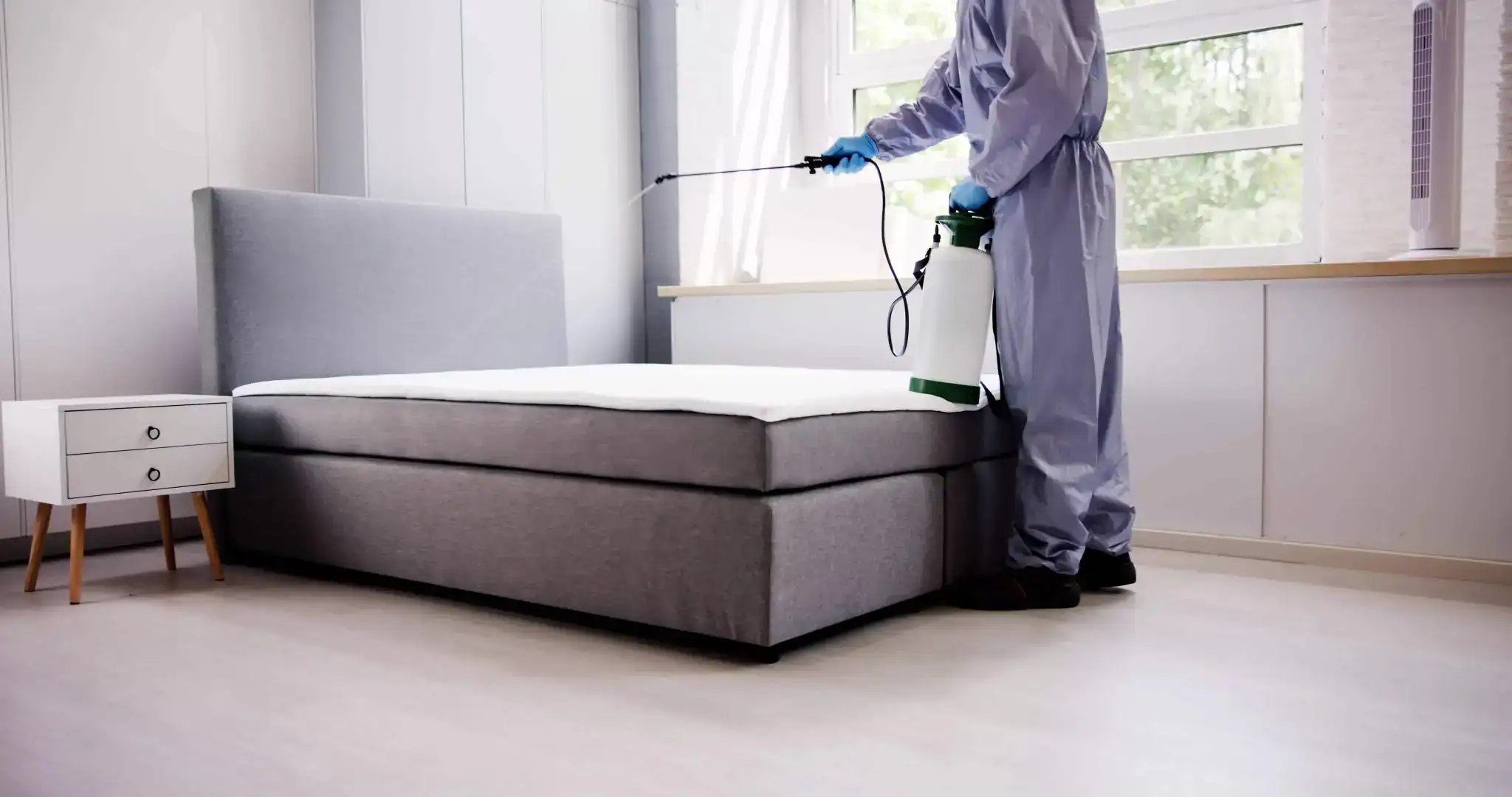
A professional mosquito spray visit isn’t someone walking around your yard with a backpack sprayer for ten minutes. When we treat a property, we’re targeting the specific areas where mosquitoes actually live and hide — shaded grass, wood lines, under decking, dense vegetation, and any spots where standing water collects. Those are the zones that matter. Open lawn in direct sunlight is largely irrelevant to mosquitoes, which is why store-bought foggers that treat the whole yard indiscriminately don’t move the needle much.
The goal of our treatment is to break the cycle — knock down the adult population that’s actively biting and disrupt the breeding conditions that would replenish it within days. A single treatment does provide real relief, but it’s temporary by design. Mosquitoes from neighboring properties and untreated breeding sites will repopulate your yard within three to four weeks. That’s not a sales pitch for a recurring program — it’s how mosquito biology works in a region like ours, where the landscape is full of standing water from spring snowmelt, heavy rainfall, and the lakes and wetlands that run throughout Genesee and Shiawassee Counties.
After a treatment, you’ll typically want to stay off the treated areas for about an hour or two while the product dries. Once it’s dry, it’s safe for your family and pets. We use targeted, professional-grade applications — not broadcast spraying — which means less product overall and more precise results. That’s the core of Integrated Pest Management, which is the methodology we’re trained and certified in.
Professional treatment consistently eliminates 85 to 90 percent of mosquitoes on a treated property. Store-bought products, used correctly, reduce populations by roughly 20 to 30 percent. That gap is the reason people who’ve tried everything else eventually call us — and the reason they don’t go back to doing it themselves.
Why Michigan’s Mosquito Season Changes the Cost Equation
Michigan’s mosquito season used to be a summer problem. It’s not anymore. In Genesee County, we’re seeing mosquitoes emerge as early as late March in warmer years, and they can stay active through October and into November. That’s potentially eight months of exposure — which changes how you should think about the cost of treatment.
A single one-time treatment in July will help for a few weeks. But if you’re trying to actually use your yard from spring through fall, a one-and-done approach isn’t going to get you there. Recurring programs that treat every three to four weeks give you a maintained barrier throughout the season rather than a temporary fix that fades before the next visit.
The other factor that’s specific to this region is rainfall. Michigan has seen above-average precipitation in recent years, and heavy snowfall winters create significant standing water as temperatures rise in spring. Female mosquitoes can breed in as little as a bottle cap’s worth of water — and when you have clogged gutters, low spots in the yard, plant saucers, and drainage features all holding water after a wet spring, the population pressure builds fast. That’s a seasonal reality for homeowners near the Flint River corridor, Fenton Lake, or any of the dozens of lakes in southern Genesee County.
Starting a program in April — before the population peaks — is consistently more effective than waiting until you’re already being swarmed in June. Early intervention means you’re treating mosquitoes before they’ve had a chance to establish and multiply. Every subsequent treatment in the season becomes more manageable as a result.
Yard Mosquito Control Cost: What a Full Season Program Runs
For a typical residential property in Genesee County, a full-season mosquito control program runs between $400 and $600. That covers recurring treatments throughout the active season — generally on a three- to four-week cycle — so you’re not starting from scratch every time. The per-treatment cost on a recurring program is almost always lower than paying for individual one-time visits.
What you’re buying with a seasonal program isn’t just a series of spray visits. It’s consistent, maintained protection across the months when you actually want to use your outdoor space. For most homeowners, that calculation is straightforward once they add up what they’ve already spent on products that didn’t work.
Flea and Tick Treatment Cost — and Why Ours Is Already Included
Here’s something most people don’t realize until they’ve already signed up with a pest control company: mosquito treatment and flea and tick treatment are usually sold as separate services. Nationally, a standalone flea and tick treatment visit runs $75 to $150 on its own. If you have a dog, kids who play in the grass, or a yard that backs up to any wooded area — and in Genesee County, a lot of yards do — you probably need both.
Our mosquito program automatically includes flea and tick treatment at no additional charge. That’s not a promotional add-on or a limited-time offer. It’s how the program works. When we treat your property for mosquitoes, we’re covering the same areas where fleas and ticks live and breed — shaded grass, wood line edges, under decking, dense vegetation. It makes sense to address all three at once, and it makes sense not to charge you twice for it.
For a homeowner who would otherwise pay separately for mosquito control and flea and tick control, this bundled approach represents a real, calculable difference — not a vague promise about value. And in a region where Lyme disease rates are climbing and tick activity is increasing across Michigan, flea and tick protection isn’t optional for most families with pets or children.
We also offer price matching for reasonable competitor rates. So if you’ve already gotten a quote elsewhere, bring it to us. You shouldn’t have to choose between the most experienced local option and the most affordable one.
What Affects Mosquito Treatment Cost on Your Specific Property
A few factors consistently drive mosquito treatment cost up or down, and it’s worth understanding them before you get a quote — so the number you hear makes sense rather than just feeling arbitrary.
Property size is the most obvious variable. A small suburban lot in Burton or Swartz Creek is going to cost less to treat than a larger rural property in Shiawassee County with multiple acres, wooded borders, and a creek running through the back. More square footage means more ground to cover, more product, and more time on site.
Property complexity matters just as much as size. A flat, open yard with a single patio is a simpler job than a property with dense landscaping, multiple structures, a pond, a wood line, and a low-lying area that holds water after every rain. Complexity affects how long the treatment takes and how many problem zones need to be addressed — both of which affect cost.
Infestation pressure is the third factor. A property that’s been treated on a regular schedule and maintained throughout the season is easier and less expensive to treat than one that’s been left untreated for years and has active breeding sites throughout. This is one of the reasons early intervention in spring tends to keep seasonal costs lower overall — you’re not playing catch-up against an established population.
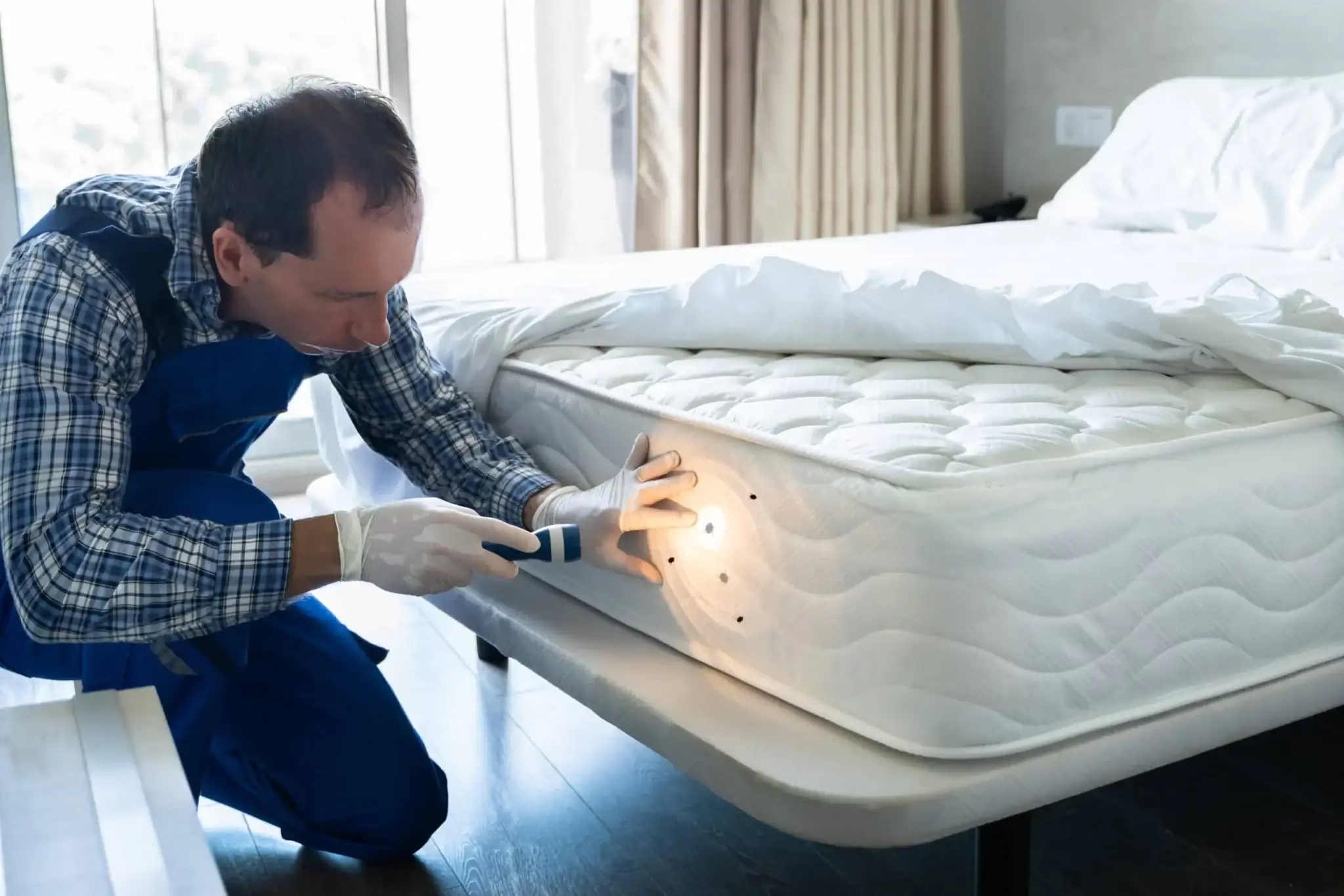
We don’t use template programs. Every property we treat gets assessed on its own conditions — what’s breeding where, what areas need the most attention, and what approach will actually work for that specific yard. That’s how we’ve operated for the past 20 years in Genesee County, and it’s the reason our results hold up from one season to the next. Roger has 26 years of hands-on experience in Michigan pest conditions specifically, and the technician who treats your property will be the same one who comes back every time — so nothing gets missed, and nothing has to be re-explained from scratch.
Discounts are available for seniors, veterans, and first responders. If that applies to you, mention it when you call.
Getting a Fair Mosquito Control Price in Genesee County
The short version: professional mosquito treatment in Genesee County runs $75 to $150 per visit for a typical residential property, and a full-season program generally falls between $400 and $600. What you get for that price depends entirely on who you hire and how their program is built.
A program that includes flea and tick treatment at no extra charge, uses the same trained technician every visit, and is tailored to your specific property is a different product than a one-size-fits-all spray from a company that sends whoever is available that day. The price might look similar on paper. The results won’t be.
If you’re in Genesee County or Shiawassee County and you’re ready to actually use your yard this summer, we’ve been doing this work here for 20 years. Reach out and we’ll give you a straight answer on what treatment looks like for your property — no pressure, no guesswork.