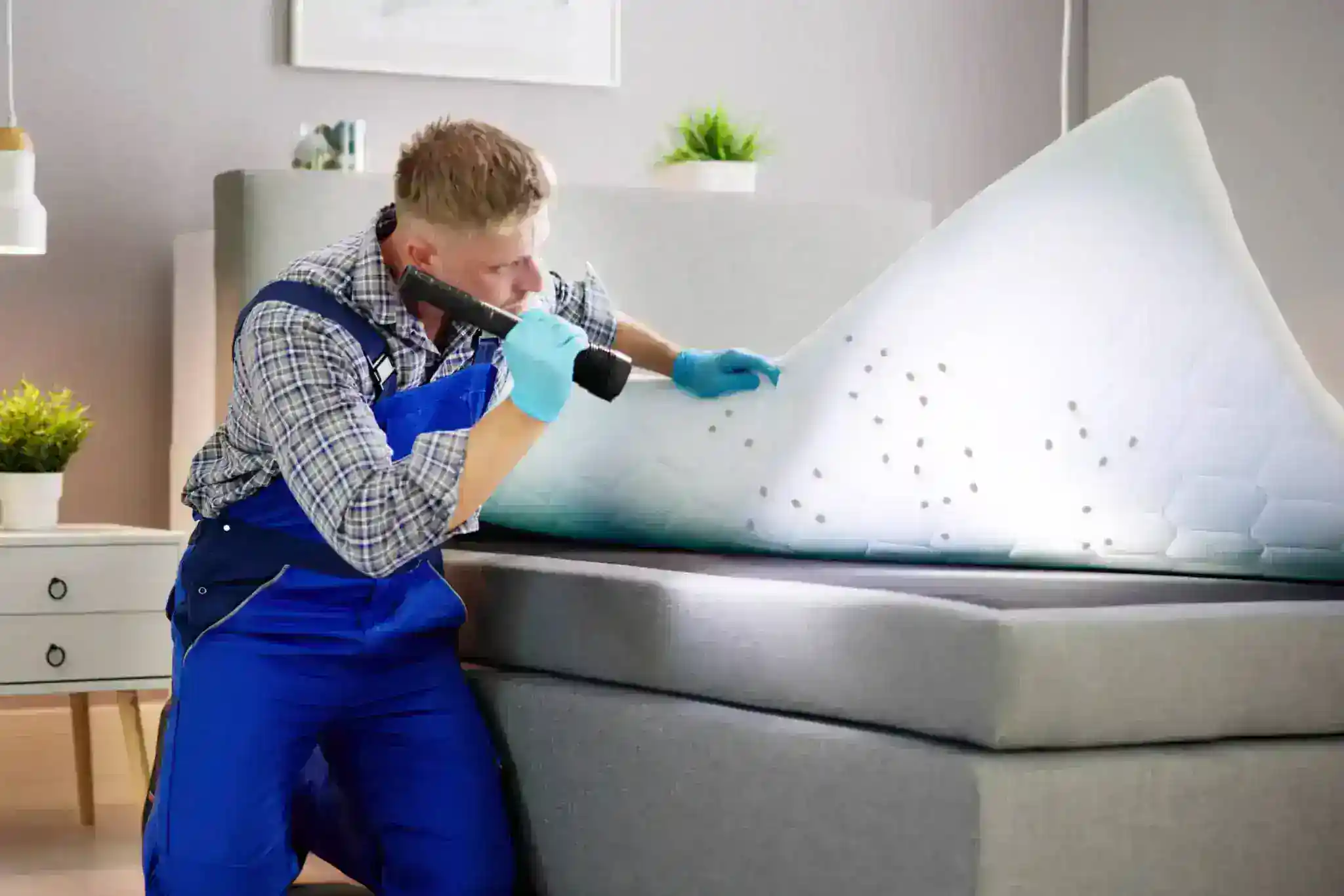
You checked your mattress. You pulled back the sheets. You even inspected the seams with a flashlight. Nothing. But the bites keep showing up, and that nagging feeling won’t go away. Here’s what most people don’t know: visual inspections only catch about 30% of bed bug infestations. The other 70% stay hidden in places you’d never think to check—inside electrical outlets, behind baseboards, deep in furniture joints.
Genesee County has seen bed bug activity climb in recent years, with Flint ranking 16th nationally for infestations. Whether you’re dealing with a confirmed problem or just suspicious signs, understanding how bed bugs hide, how fast they spread, and when professional detection makes sense can be the difference between catching a small problem early and battling a full-blown infestation months down the road.
Early Signs of Bed Bugs Most People Miss
Bites aren’t always the first clue. In fact, about 30% of people don’t react to bed bug bites at all, which means you could have an active infestation without a single visible welt.
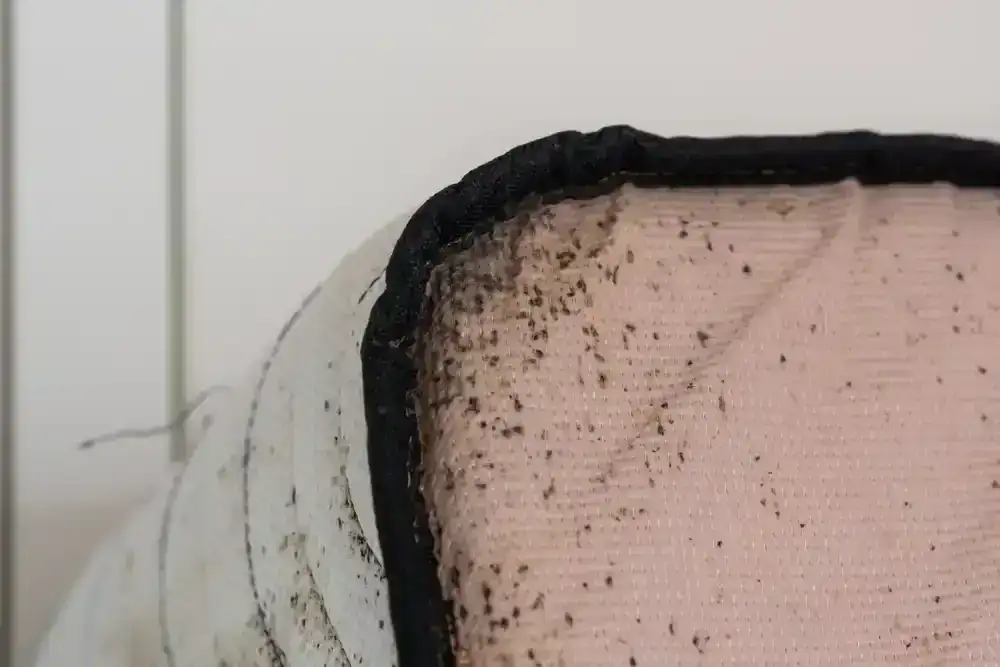
The real early warning signs show up on your bedding and furniture. Look for small rust-colored or reddish stains on your sheets and pillowcases—these blood spots appear when bed bugs get crushed while feeding on you during the night. You’ll also find dark spots about the size of a period scattered around sleeping areas. This bed bug excrement may bleed on fabric like a marker when touched.
Check for tiny pale yellow eggs about the size of a pinhead and shed skins tucked into mattress seams and furniture cracks. And if you notice a sweet, musty odor in your bedroom that doesn’t have another obvious source, that could signal a larger infestation.
Common Bed Bug Hiding Spots Beyond the Mattress
Most people only check the mattress. That’s the first mistake. Bed bugs are experts at hiding, and despite their name, they don’t just live in beds.
These pests can squeeze into spaces as thin as a credit card. Yes, check your mattress seams, box spring, and bed frame. But don’t stop there. Bed bugs hide in upholstered furniture, especially along seams and under cushions. They tuck themselves into nightstands, dressers, and the cracks where furniture meets the wall.
They crawl behind picture frames, inside electrical outlets, and along baseboards. They move through walls and can travel between floors in multi-unit buildings. If your neighbor in an apartment has bed bugs, they might crawl through a crack in the shared wall into your unit. That’s why a bed bug inspection near me often requires more than just a quick visual check—you’re looking at surfaces while the bugs are hiding deep inside structures you can’t easily access.
The challenge gets worse because bed bugs are nocturnal. They come out to feed while you’re sleeping, then retreat to their hiding spots before dawn. By the time you wake up and start looking, they’ve already disappeared into crevices you didn’t know existed. And here’s the part that makes early detection so difficult: when very few bed bugs are present, bites may appear isolated and infrequent. As the population increases, bites tend to cluster and happen more regularly. But by that point, you’re no longer dealing with a minor issue.
Bed bugs also leave behind molted skins as they grow. These casings look similar to the bugs themselves but are yellowish and slightly translucent. Finding these shells means bed bugs are actively growing and feeding in your space. Larger numbers of shells indicate the infestation has been present for some time, even if you’re just starting to notice the signs.
Why DIY Bed Bug Inspections Miss 70% of Infestations
You can spend hours pulling apart your bedroom and still miss an active infestation. It’s not because you’re not thorough—it’s because bed bugs are built to avoid detection.
Human visual inspections average just 17-30% accuracy when it comes to finding bed bugs and their eggs. That means even trained professionals miss the majority of infestations when relying on sight alone. The problem is access. You can’t see inside your walls. You can’t inspect every crack in your box spring without completely dismantling it. And you definitely can’t detect the scent of a single bed bug hiding behind an electrical outlet.
Low-level infestations are especially challenging to find and correctly identify. You might see one bug and assume it’s an isolated incident, when in reality, there’s a breeding population tucked away somewhere you haven’t checked. Or you might mistake other insects—like carpet beetles—for bed bugs, which gives the real infestation more time to spread.
Here’s what happens in a typical DIY inspection: you check the obvious spots, don’t find anything conclusive, and convince yourself you’re in the clear. Meanwhile, a pregnant female is laying eggs in a crack behind your headboard. Within weeks, those eggs hatch. The nymphs start feeding. And by the time you realize the problem is real, you’re dealing with a population that’s grown exponentially.
That’s where professional bed bug inspection methods make a difference. Trained technicians know where to look and what to look for. They understand bed bug behavior—how they move, where they prefer to hide based on room layout, and what environmental factors attract them. But even the best human inspector has limitations. They can’t smell a bed bug. They can’t detect viable eggs hidden in a seam they can’t physically access. That’s why more homeowners in Genesee County are turning to canine bed bug inspection for confirmation.
Why Bed Bug Infestations Spread So Quickly
One bed bug doesn’t stay one bed bug for long. A single pregnant female can lead to a full infestation in just a couple of months, and here’s why: bed bugs reproduce fast.
Females can lay up to five eggs per day and over 500 in their lifetime. Those eggs hatch in about a week under the right conditions. The nymphs begin feeding almost immediately, and within five to six weeks, they become adults capable of reproducing. By month two or three, you’re seeing bites, dark stains on your mattress, and bugs crawling near your headboard.
Bed bugs also spread between rooms faster than most people realize. They can travel from room to room in seconds by hitching a ride on your clothing. Or they can crawl unassisted from one room to another in a matter of hours. At peak speed, bed bugs move as fast as four feet per minute, and they can easily travel 100 feet or more in just one hour.
How Bed Bugs Spread in Genesee County Homes
Bed bugs don’t care how clean your house is. They’re not attracted to dirt or clutter. They’re attracted to you—specifically, your body heat and the carbon dioxide you exhale while you sleep.
They get into homes by hitchhiking. You stay in a hotel with an infestation, and a bed bug crawls into your suitcase. You sit on an infested couch at a friend’s house, and one latches onto your clothing. You buy a used piece of furniture, and there’s a population hiding in the seams. You use public transportation, and a bed bug transfers from the seat to your bag.
Travel is one of the most common ways bed bugs spread. Hotels, motels, vacation rentals, and even upscale resorts can harbor bed bugs regardless of how clean they appear. The bugs hide in luggage, clothing, and personal items, then make the journey back to Genesee County with you. Once they’re inside your home, they settle in and begin reproducing at fast rates.
Apartment buildings and multi-unit housing present another risk. Bed bugs can move through shared walls, traveling from one unit to another through cracks and gaps. If your neighbor has an infestation and doesn’t treat it properly, those bugs can end up in your space even if you’ve never brought them in yourself.
Second-hand furniture is another common entry point. That dresser you picked up at a garage sale or the couch someone gave you for free might look fine on the surface, but bed bugs can hide deep inside where you can’t see them. By the time you bring the item into your home and place it in your bedroom, the infestation has already started.
The frustrating part is that bed bugs can survive for months without feeding. That means they can hide in an item for weeks or even longer, staying dormant until they detect a new host. You might not see any signs right away, which makes it easy to assume everything’s fine. But once they start feeding and reproducing, the population grows quickly.
K9 Bed Bug Detection vs Traditional Inspection Methods
If you’re waking up with unexplained bites, finding dark spots on your sheets, or spotting what looks like a bed bug, don’t wait. Early professional intervention saves time, money, and stress compared to letting an infestation establish and spread throughout your home.
You should also consider a professional bed bug inspection if you’ve recently traveled, especially if you stayed in hotels or other accommodations. Many bed bug infestations in Michigan start when people unknowingly bring bugs home in luggage, clothing, or personal items. A quick inspection after a trip can catch a problem before it takes hold.
If you’ve tried to find bed bugs on your own but can’t locate clear evidence, that doesn’t mean they’re not there. It means they’re hiding in places you haven’t checked. Professional inspections go beyond what’s visible on the surface. Our trained technicians know where bed bugs prefer to hide based on room layout, furniture type, and environmental conditions. We check behind electrical outlets, inside furniture joints, along baseboards, and in other areas most homeowners never think to examine.
Canine bed bug detection takes this a step further. Dogs are trained to detect the scent of live bed bugs and viable eggs with over 90% accuracy. They can pinpoint infestations in areas that are completely inaccessible to human inspectors—inside walls, behind outlets, deep within furniture, and under floorboards. A certified canine team can inspect an average-sized room in just a minute or two, covering ground that would take a human inspector significantly longer.
This level of accuracy matters because misidentifying a bed bug problem—or missing one entirely—gives the infestation more time to grow. If you treat for bed bugs when you don’t actually have them, you’ve wasted money. If you assume you don’t have bed bugs when you do, the population continues to expand. K9 bed bug detection removes the guesswork. You get reliable answers fast, usually within minutes per room, so you can make informed decisions instead of guessing.
We’re one of fewer than 100 companies in the United States offering certified canine bed bug detection. For Genesee County and Shiawassee County residents, this level of detection technology typically only shows up in major metropolitan areas. Our dogs are trained to alert only to live bed bugs and viable eggs—not dead bugs or old evidence. That means you get accurate information about whether you have an active infestation that needs treatment, or if you’re dealing with something else entirely.
The service matters most when you’re not sure what you’re dealing with. Maybe you found one suspicious bug but can’t find any others. Maybe you’re getting bites but there’s no visible evidence. Maybe you just moved into a new place and want confirmation before unpacking. A canine inspection gives you clarity without the stress of wondering if you missed something.
Professional Bed Bug Removal in Genesee County, MI
Bed bugs spread fast, hide well, and reproduce quickly. But they’re not unbeatable. The key is early detection and professional bed bug extermination that targets every stage of their life cycle—eggs, nymphs, and adults.
If you’re seeing signs or suspect a problem, don’t wait for it to get worse. Visual inspections miss the majority of infestations, and DIY methods rarely eliminate bed bugs completely. Professional inspection—especially K9 bed bug detection—finds hidden populations before they spread throughout your home.
We’ve been serving Genesee County for 20 years with personalized pest control programs, certified canine detection, and experienced technicians who understand how bed bugs behave in Michigan homes. If you’re dealing with bed bugs or want peace of mind after travel, a professional inspection is the fastest way to get answers and take control of the situation.