You stepped outside on what should’ve been a perfect summer evening — maybe a cookout, maybe just the kids running around the yard — and within minutes, everyone was heading back inside. You’ve probably already tried something. A can of fogger from the hardware store, citronella candles, maybe a bug zapper humming in the corner. And yet, here you are, still Googling.
That’s not a knock on you. It’s just the reality of how mosquito control actually works — and what most product labels conveniently leave out. Here’s an honest breakdown of what DIY options can and can’t do, and what professional mosquito lawn treatment looks like when it’s done right.
Backyard Mosquito Treatment: What Store-Bought Foggers Actually Do
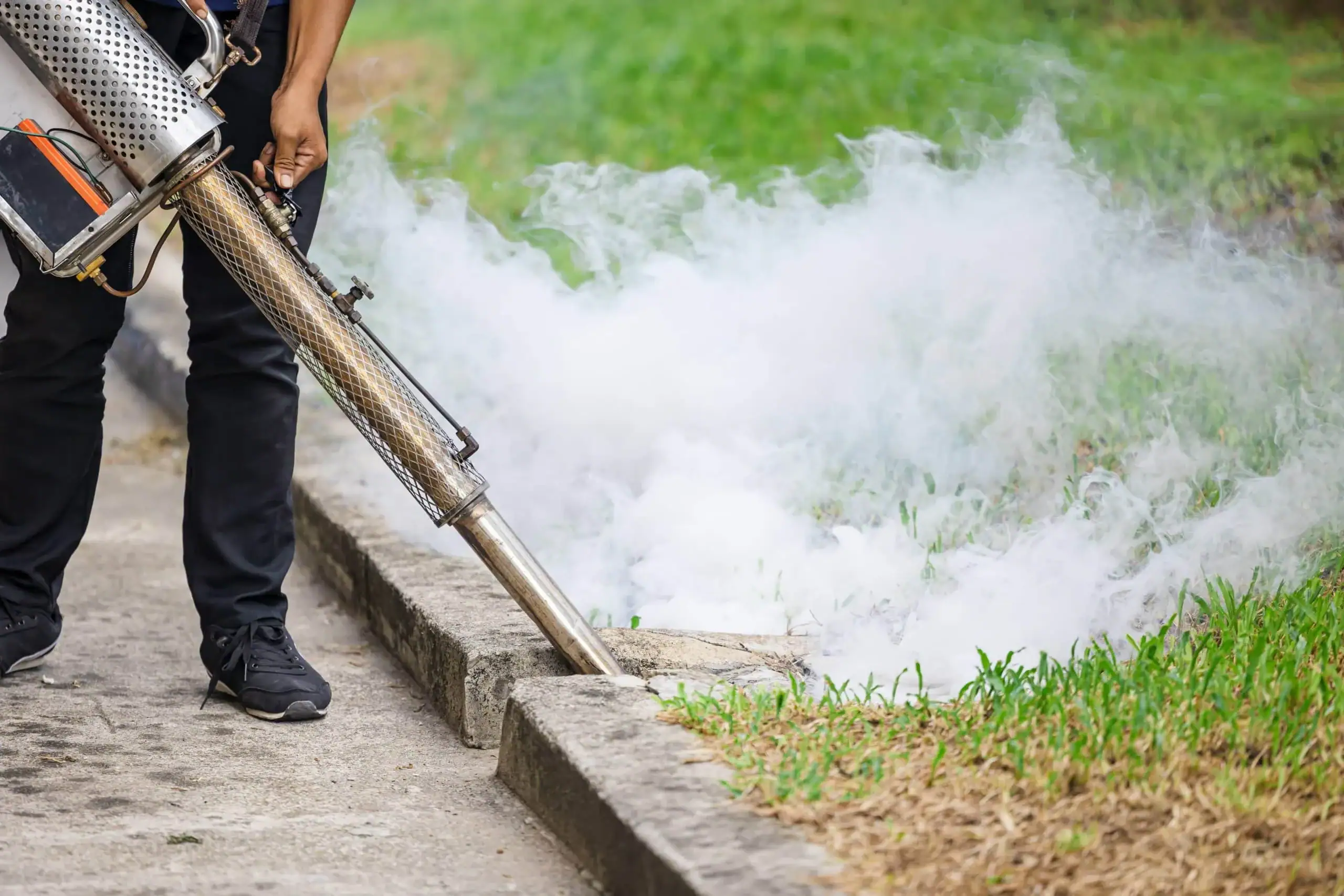
Consumer aerosol foggers — the Cutter, Repel, and Black Flag cans you’ll find at any big-box store — work exactly as advertised. They kill mosquitoes on contact. The problem is what happens after: protection typically fades within six to eight hours, and the product does nothing to address the next generation already breeding in your yard.
A standard can treats roughly 750 to 1,200 cubic feet of air space. That sounds like a lot until you realize mosquitoes aren’t floating in open air waiting to be hit — they’re resting in shaded vegetation, under leaves, along fence lines, and near any standing water they can find. A fogger pointed into your backyard is treating the wrong places at the wrong time.
Mosquito Control in Your Backyard: Why the Lifecycle Is the Real Problem
Mosquitoes complete their lifecycle in as few as ten to fourteen days when conditions are right. That means the mosquitoes you’re fogging tonight are being replaced by a new generation before your next weekend barbecue. Kill the adults, and you’ve bought yourself a few hours. Leave the larvae and breeding sites untouched, and you’ve solved nothing.
This is the core limitation of DIY backyard mosquito treatment: it’s reactive. You’re responding to the mosquitoes you can see, not the problem you can’t. Hidden breeding sites are everywhere — clogged gutters, low spots in the lawn that hold water after rain, ornamental features, drainage ditches along property lines. Most homeowners miss the majority of them, not because they’re not paying attention, but because they don’t know what to look for.
Genesee County properties face this challenge at a higher level than most. The Flint River corridor runs directly through the region, and properties near Holloway Reservoir or in the lower-lying areas around Davison and Richfield Township sit in prime mosquito habitat. Rural Shiawassee County lots — with more natural vegetation, larger acreage, and seasonal wet spots — can see even more intense pressure. A can of fogger isn’t built for that kind of environment.
There’s also the disease angle, and it’s worth taking seriously. The Genesee County Health Department issued a public alert in 2024 after a West Nile Virus-positive bird was detected in Flushing — the first positive animal arbovirus case in the county that year. West Nile has been found in Michigan mosquitoes every summer since 2002. The 2019 Eastern Equine Encephalitis outbreak was severe enough to trigger statewide aerial spraying across Michigan. These aren’t distant statistics. They happened here, and they’re reason enough to think past a temporary fix.
Do Bug Zappers and Citronella Actually Work Against Mosquitoes?
This one comes up constantly, so it’s worth addressing directly. Bug zappers attract insects with UV light — and mosquitoes are not attracted to UV light. They find you through carbon dioxide and body heat. Fewer than a quarter of one percent of insects killed by standard zappers are mosquitoes. The rest are mostly moths and beneficial insects. If you have a zapper running in your backyard right now, it’s doing more harm than good.
Citronella candles and torches create a small zone of mild deterrence — emphasis on mild. Studies show they reduce mosquito landings by somewhere around 11 to 50 percent in a very localized area, which means they’re useful if you’re sitting directly next to one and the wind isn’t blowing. For actual yard-wide control, they’re not a real solution.
The honest answer is that none of the consumer options — foggers, zappers, citronella, ultrasonic repellers — are designed for season-long mosquito population control. They’re event-day tools at best. If your goal is to actually use your backyard from April through October without being driven inside, they’re not going to get you there. Michigan’s mosquito season runs seven months. That’s a long time to be fighting a losing battle with a $7 can.
What Professional Mosquito Lawn Treatment Does Differently
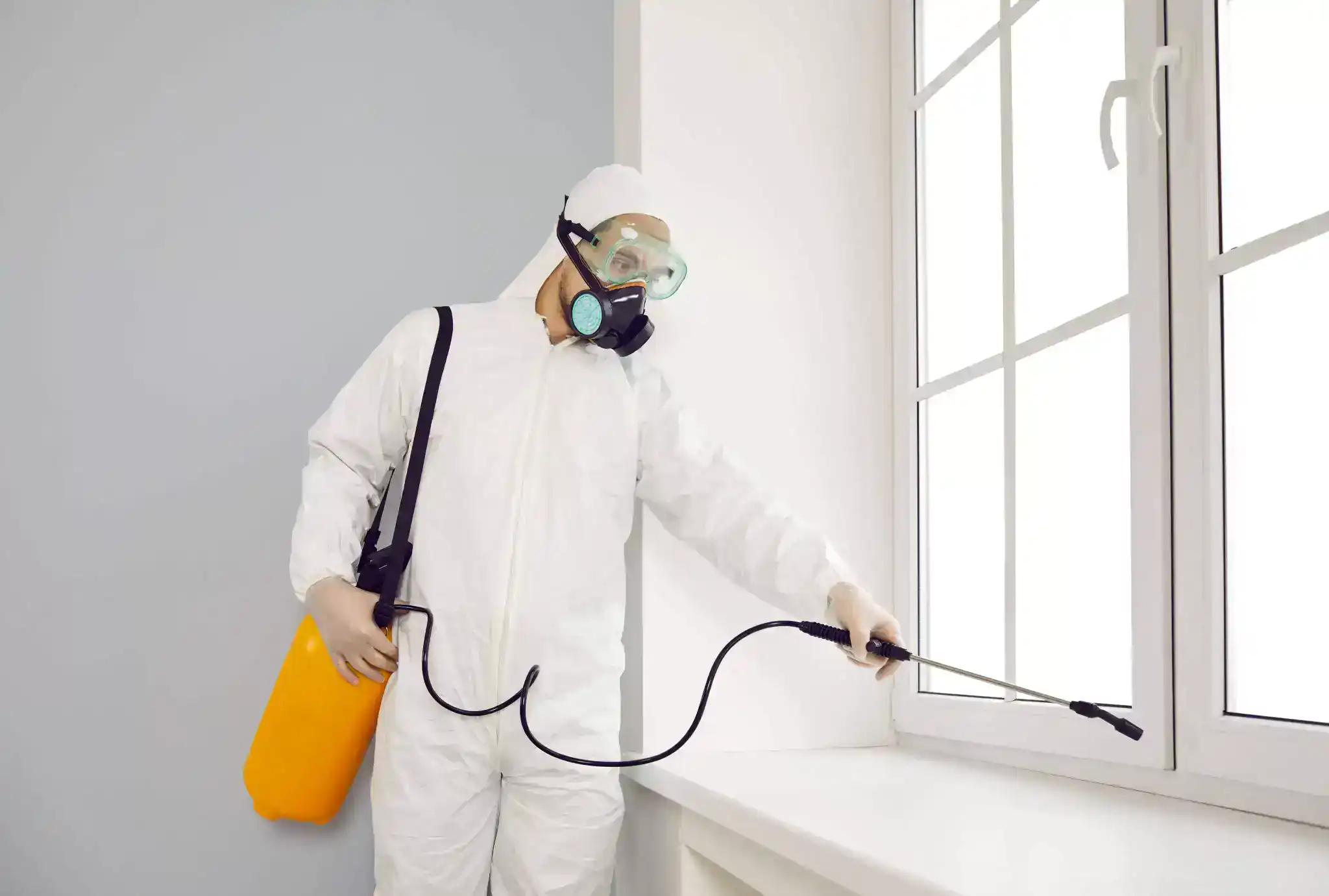
Professional mosquito treatment starts with an inspection — a real one. Before anything gets sprayed, our trained technician maps your property: where water pools, where vegetation is dense enough to shelter resting mosquitoes, where drainage patterns create breeding habitat. That assessment drives everything that follows.
From there, treatment targets both adult mosquitoes and their breeding sites. Our professional-grade barrier sprays use microencapsulated formulations that bond to vegetation and surfaces, providing protection that lasts three to four weeks — not six to eight hours. The chemistry, the delivery equipment, and the coverage area are all fundamentally different from what you can buy at a hardware store.
How Often Does Your Yard Need Professional Mosquito Treatment in Michigan?
For most Michigan properties, professional mosquito treatment runs on a twenty-one-day cycle throughout active season — April through October. That interval is based on the mosquito lifecycle: treating every three weeks disrupts breeding cycles before populations can rebound. Starting in April, before peak pressure hits in July and August, means you’re ahead of the problem rather than chasing it.
The difference in results is measurable. Professional treatment reduces mosquito populations on a property by eighty-five to ninety percent. Consumer foggers, applied consistently, might get you twenty to thirty percent. That gap is the difference between a yard you can actually use and one you’re avoiding.
Cost is usually the first objection, and it’s a fair one to think through. HomeAdvisor’s 2025 data puts the average seasonal professional mosquito program at around five hundred dollars for a quarter- to half-acre property. Spread across seven months and multiple treatments, that math looks different when you compare it to what you’d spend buying fogger cans every week or two, plus the time it takes to apply them, plus the results you’re not getting. There’s also the value of what you get back — evenings outside, kids in the yard, a deck that actually gets used.
One thing that often surprises people: our mosquito program includes flea and tick treatment at no extra charge. In Michigan, where Lyme disease cases are rising and tick season runs parallel to mosquito season, that’s not a minor footnote. It’s real protection for families with pets, kids who play in the grass, or anyone spending time near wooded areas in Genesee or Shiawassee County. Most competitors bill flea and tick treatment as separate line items. We don’t.
Is Professional Mosquito Treatment Safe for Pets and Kids in Genesee County?
This is the question we hear most often, and it deserves a straight answer. The products we use are EPA-registered and applied by our licensed technicians trained in Integrated Pest Management — the same products used in restaurants and hospitals. Families and pets can return to treated areas within one to two hours, once surfaces are dry.
IPM isn’t just a certification — it’s a framework for using the minimum effective amount of product, targeted to where mosquitoes actually live and breed. That means less chemical exposure overall, not more. The consumer fogger in your garage, applied without training or calibration, is often less precise and potentially more disruptive to the surrounding environment than what we apply as licensed professionals.
Pollinator safety comes up too, and it’s worth addressing. We time applications outside peak bee activity and avoid treating open blooms. That’s part of what IPM training covers. It’s not something most homeowners think about when they’re pointing a fogger can at their bushes.
For Genesee County specifically, our technicians know this area. They know what properties near the Flint River deal with after a wet spring. They know the drainage patterns that create standing water in subdivisions around Grand Blanc and Swartz Creek. Roger, who leads our team, has twenty-six years of hands-on pest control experience in this region — not in a training manual, but in actual yards across Genesee and Shiawassee counties. When you call us, you get the same technician assigned to your property visit after visit. They learn your yard. They remember what they found last time. That consistency matters in a way that’s hard to put a number on but easy to notice.
We don’t use part-time technicians, and we don’t lock you into a contract. You’re not making a year-long commitment — you’re trying a service that should speak for itself. We also offer discounts for seniors, veterans, and first responders, because those are the people in this community who’ve earned it.
Which Mosquito Treatment Is Right for Your Genesee County Yard?
If you need a yard to be tolerable for one evening, a consumer fogger can do that. Buy it, use it, accept that it’ll wear off by morning.
But if you want to actually reclaim your backyard for a full Michigan summer — from the first warm weekends in April through the tail end of October — a can from the hardware store isn’t going to get you there. The biology doesn’t allow it. Mosquitoes breed faster than consumer products can keep up with, and the hidden sites where they breed aren’t something a fogger reaches.
Professional mosquito lawn treatment works differently because it’s built to address the whole problem: adults, larvae, breeding sites, and the property conditions that keep inviting mosquitoes back. If you’re in Genesee County or Shiawassee County and you’re done experimenting with things that don’t last, we’re worth a call. Twenty years in this community, the same technician every time, and results you can actually measure — starting in your own backyard.