
Hear from Our Customers

Milford is built for outdoor living. The Farmers’ Market on Thursdays, Summer Concerts at Central Park, Milford Memories in August — this town spends its summers outside. But when mosquitoes are thick enough to drive you back indoors by 7 p.m., that whole lifestyle starts to feel like something you’re watching from behind a screen door.
The problem in Milford isn’t just your yard. The Huron River runs directly through the village, and Kensington Metropark sits right on the township’s edge — 4,543 acres of wetland, lake shoreline, and natural mosquito habitat. Those populations don’t stay in the park. They migrate into residential neighborhoods, and no amount of standing water removal on your own property changes that pressure. A professional barrier treatment is the only way to intercept them before they reach your deck, your garden, or your kids.
When the treatment is working, you stop thinking about mosquitoes. You stay outside longer. You actually use the backyard you’ve been maintaining. For properties near Sears Lake, the Lakes of Milford, or anywhere along the Huron River corridor, that shift can happen fast — usually within the first visit.
We founded First Choice Pest Control on May 31, 2005 — which makes 2025 our 20th year serving southeast Michigan homeowners, including families throughout Milford and Oakland County. Roger, who leads the company, has 26 years of hands-on pest control experience. He’s seen every kind of Michigan mosquito season — the wet summers that flood the Huron River floodplain, the years when Kensington’s wetlands push populations into surrounding neighborhoods earlier than expected. That experience isn’t on a résumé. It shows up in how the work gets done.
We hold Integrated Pest Management certification, have earned recognition from Angie’s List and HomeAdvisor, and carry a 4.7-star rating from over 363 verified customers. We serve both residential and commercial clients throughout Milford and the surrounding area, and we offer discounts for seniors, veterans, and first responders — because the people who built and protected this community deserve to sit outside on a summer evening without getting eaten alive.
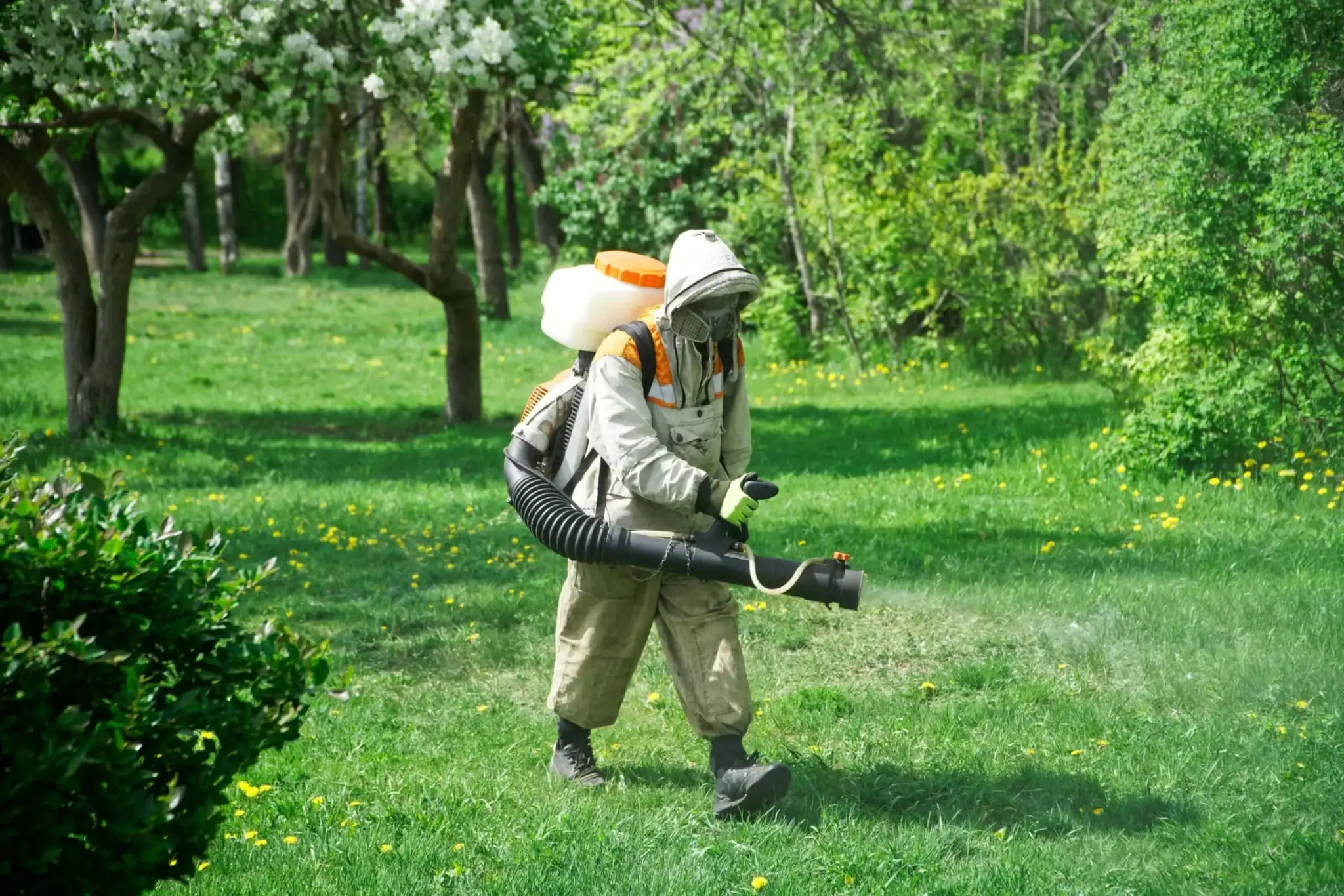
It starts with an assessment of your property — not a generic checklist, but an actual look at where mosquitoes are resting, where they’re breeding, and what’s driving pressure on your specific lot. In Milford, that often means paying close attention to wooded edges, low-lying areas that hold water after rain, and any property lines that back up to natural terrain. Homes near the Huron River corridor or adjacent to Kensington’s trail system tend to face higher baseline pressure, and the treatment plan reflects that.
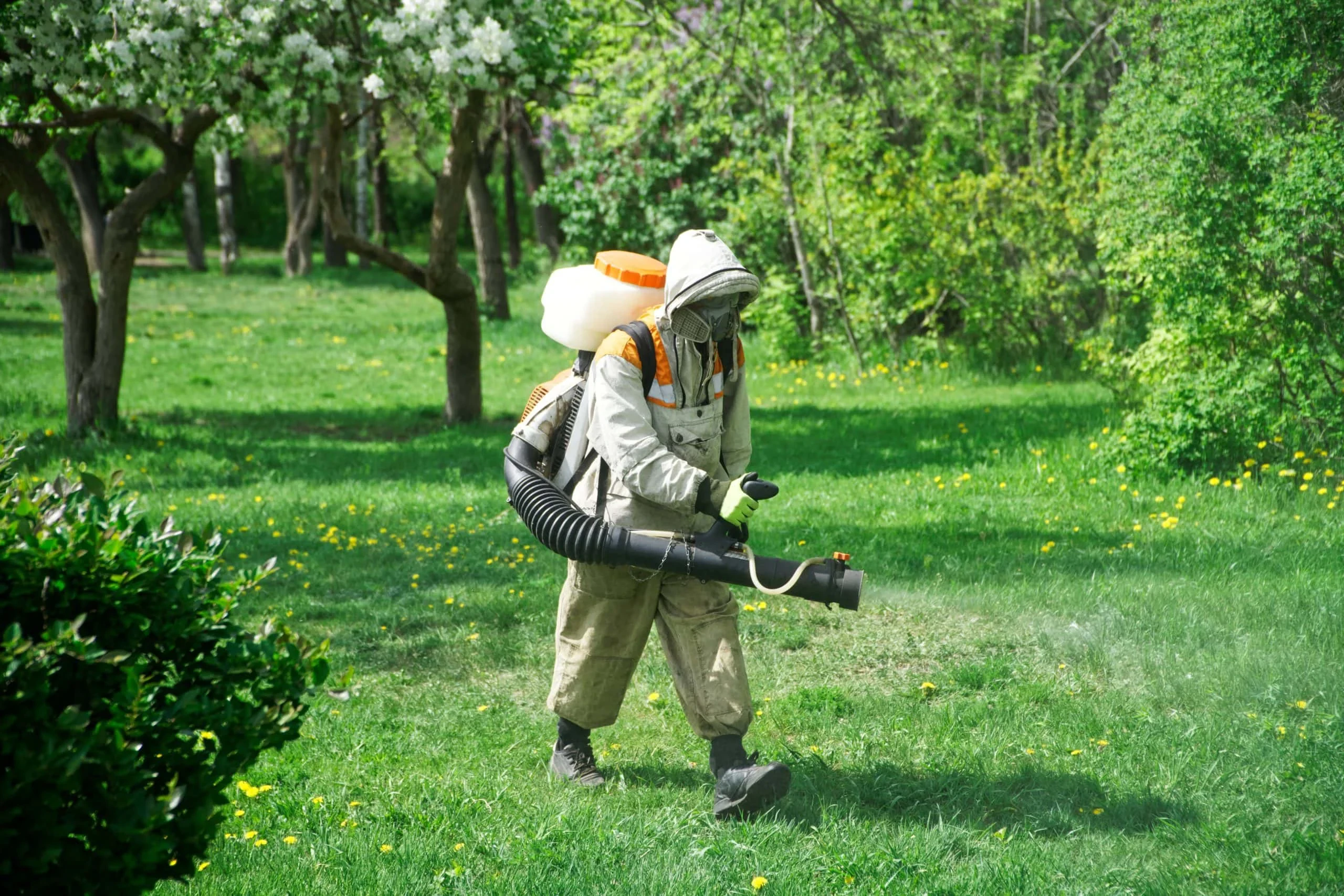
From there, we apply a targeted barrier treatment to the areas where mosquitoes actually live — shaded vegetation, shrub lines, ground cover, and fence perimeters. This isn’t a broad spray-everything approach. Our IPM certification means we use the least amount of product necessary to get the result, focusing on the lifecycle: larvae, breeding zones, and adult resting areas. Flea and tick treatment is included in the same visit at no extra charge, because these pests share the same habitat and skipping them leaves the job half done.
Milford’s mosquito season runs roughly May through October, and spacing visits about 21 days apart keeps pressure consistently low throughout that window. Your same technician returns each time — not a different person every visit — so the work builds on itself rather than starting over.
Ready to get started?
Most mosquito companies treat mosquitoes. We treat the full picture. Every mosquito control visit in Milford includes flea and tick treatment at no additional cost — not as an upsell, not as a separate appointment. Fleas and ticks share the same wooded edges, tall grass, and shaded resting zones that make Milford’s landscape so appealing. With Kensington Metropark’s trail system connecting directly to the village and wooded lots common throughout the township, the tick pressure here is real. Treating for mosquitoes without addressing ticks and fleas is an incomplete job, and we don’t do incomplete jobs.
Beyond the full-spectrum treatment, you get the same trained technician on every visit. That matters more than it sounds. A technician who has been to your property before knows where the drainage issues are, which areas stay shaded and damp after a storm, and where the treatment needs to be heavier. That continuity produces better results than rotating through whoever’s available that week.
If you find a reasonable competitor offering a lower price for comparable service, we’ll match it. You shouldn’t have to choose between quality and cost — and with First Choice, you don’t have to. Whether you’re in a lake-access subdivision, a larger wooded lot in Milford Township, or a historic home in the village, the program is built around what your property actually needs.
It works, but the honest answer is that it works differently than it does in a landlocked suburb. In Milford, you’re dealing with mosquito pressure from the Huron River corridor, Kensington Metropark’s wetlands, and potentially wooded or low-lying areas on your own property. Removing standing water on your lot helps, but it doesn’t address the populations migrating in from adjacent natural areas — and in Milford, those adjacent areas are significant.
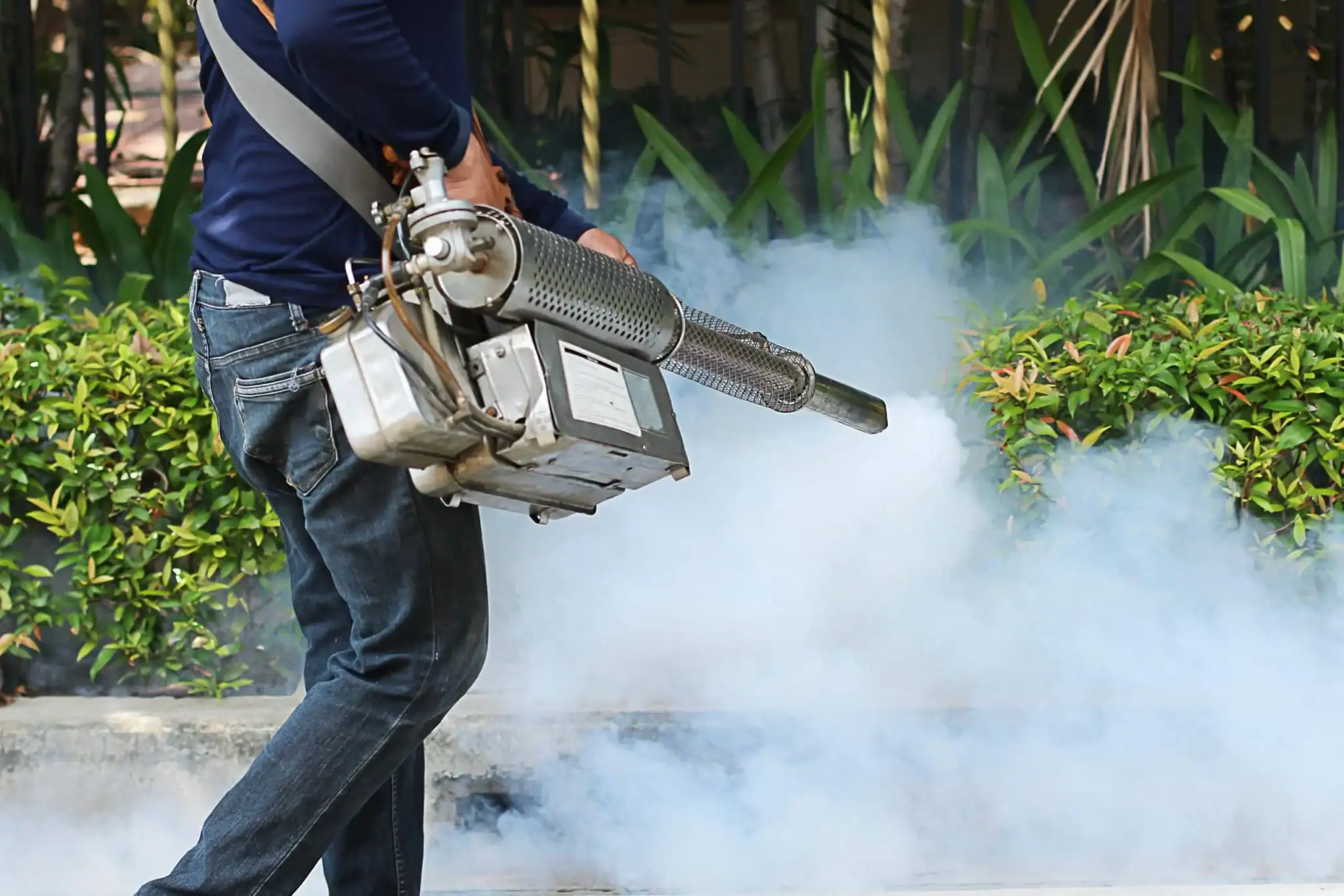
What professional barrier treatment does is create a treated perimeter that intercepts mosquitoes before they reach your living spaces. We apply it to vegetation, shrub lines, and shaded resting areas around your property, reducing the population that actually makes contact with you and your family. It won’t eliminate every mosquito within a mile, but it will make your yard usable. Clients near the Huron River and Kensington tend to see the biggest difference because their baseline pressure is highest — and the contrast after treatment is most noticeable.
For most properties in Milford, a program spaced roughly every 21 days from May through September covers the full active season effectively. That’s typically four to five visits, depending on when you start and how late into fall you want coverage. Starting in early May — before populations peak — is especially important in Milford because the Huron River’s spring flow and the wetland areas in and around Kensington create ideal early-season breeding conditions.
A single treatment will reduce mosquitoes temporarily, but populations rebound. Consistent spacing throughout the season is what keeps pressure low enough that you actually notice the difference. If you’re planning around specific events — Milford Memories in August, a graduation party, or regular Thursday evenings at the Farmers’ Market — we can time visits to make sure your yard is at its lowest pressure point when it matters most to you.
Yes — and the way we apply it matters as much as what we use. We’re Integrated Pest Management certified, which means we use EPA-registered products applied at targeted rates to specific areas where mosquitoes rest and breed. We’re not blanketing your entire yard with product. We’re treating the vegetation, shrub lines, and shaded zones where mosquitoes actually live — which keeps product use minimal and focused.
After application, we recommend keeping kids and pets off treated areas until the product has dried — typically 30 to 60 minutes depending on conditions. Once dry, the treated surfaces are safe for normal activity. If anyone in your household has specific sensitivities or health concerns, let us know before the visit and we can walk through the product details with you. We’d rather answer your questions upfront than have you guessing after the fact.
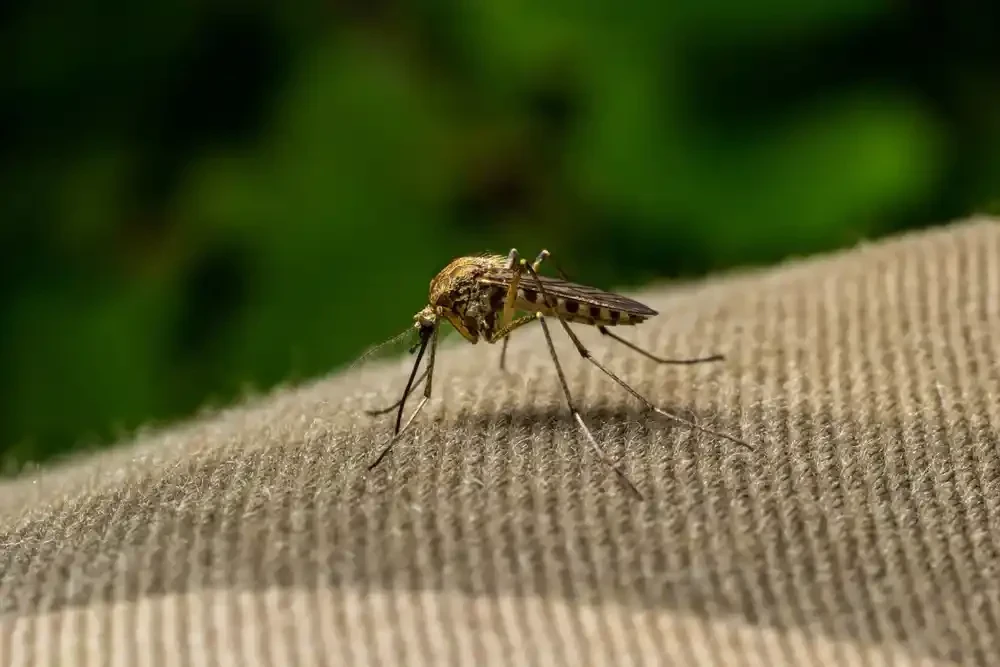
It’s a real and current risk, not a hypothetical one. Oakland County Health Division confirmed the county’s first human West Nile Virus case of 2025 — locally acquired, meaning no travel was involved. In 2024, WNV was detected in birds and mosquito pools in Oakland County. Michigan’s health authorities consistently identify Oakland County as one of the highest-activity WNV zones in the state, alongside Macomb and Wayne counties.
Milford sits within that elevated-risk county, and the local geography adds to the concern. Culex mosquitoes — the primary WNV vector in Michigan — breed in slow-moving and standing water, which the Huron River corridor and surrounding wetland areas provide in abundance. The Oakland County Board of Commissioners has maintained a West Nile Virus Prevention Reimbursement Program for local municipalities since 2003, which tells you this isn’t a new or fading issue. Professional mosquito control on your own property is the most direct way to reduce your household’s exposure.
Every mosquito control visit we provide includes treatment for mosquitoes, fleas, and ticks — all in the same appointment, at no extra charge. Fleas and ticks share the same habitat as mosquitoes, and properties in Milford Township — especially those with wooded lots, lake access, or proximity to Kensington’s trail system — face meaningful tick pressure alongside mosquitoes. Treating for one without the other doesn’t make sense for this environment.
Pricing depends on your property size and the number of visits in your program. We also offer a price-match guarantee: if you find a reasonable competitor offering a lower price for comparable service, we’ll match it. Seniors, veterans, and first responders receive discounts — ask about current rates when you call. The goal is to make sure cost isn’t the reason you’re still dealing with mosquitoes all summer when there’s a straightforward solution available.
Because your yard isn’t generic, and the person treating it shouldn’t be either. Milford properties vary significantly — historic village homes with smaller lots, wooded township parcels with drainage quirks, lake-access subdivisions with water features, and larger-lot developments like the Crossings of Milford where the terrain has its own patterns. A technician who has been to your property before knows where the low spots are, which fence lines stay shaded and damp after a storm, and which areas have historically needed more attention.
That kind of property-specific knowledge builds over time and produces better results than starting fresh with a different person every visit. It also means you’re not re-explaining your yard’s layout or your concerns at every appointment. We don’t use part-time or seasonal workers to fill out a schedule — your technician is trained, consistent, and accountable to the results they’re producing at your specific address.
Useful Links