
Hear from Our Customers

If you’ve got a property in Leroy Township or anywhere near the field edges along the M-43 corridor, you already know what spring looks like. The ditches fill up, the fields drain slow, and by late May your backyard feels like somewhere you’re just visiting. That’s not a coincidence — flat mid-Michigan terrain holds water longer than most areas, and the agricultural land surrounding Webberville creates a near-constant supply of mosquito breeding ground that no citronella candle is going to touch.
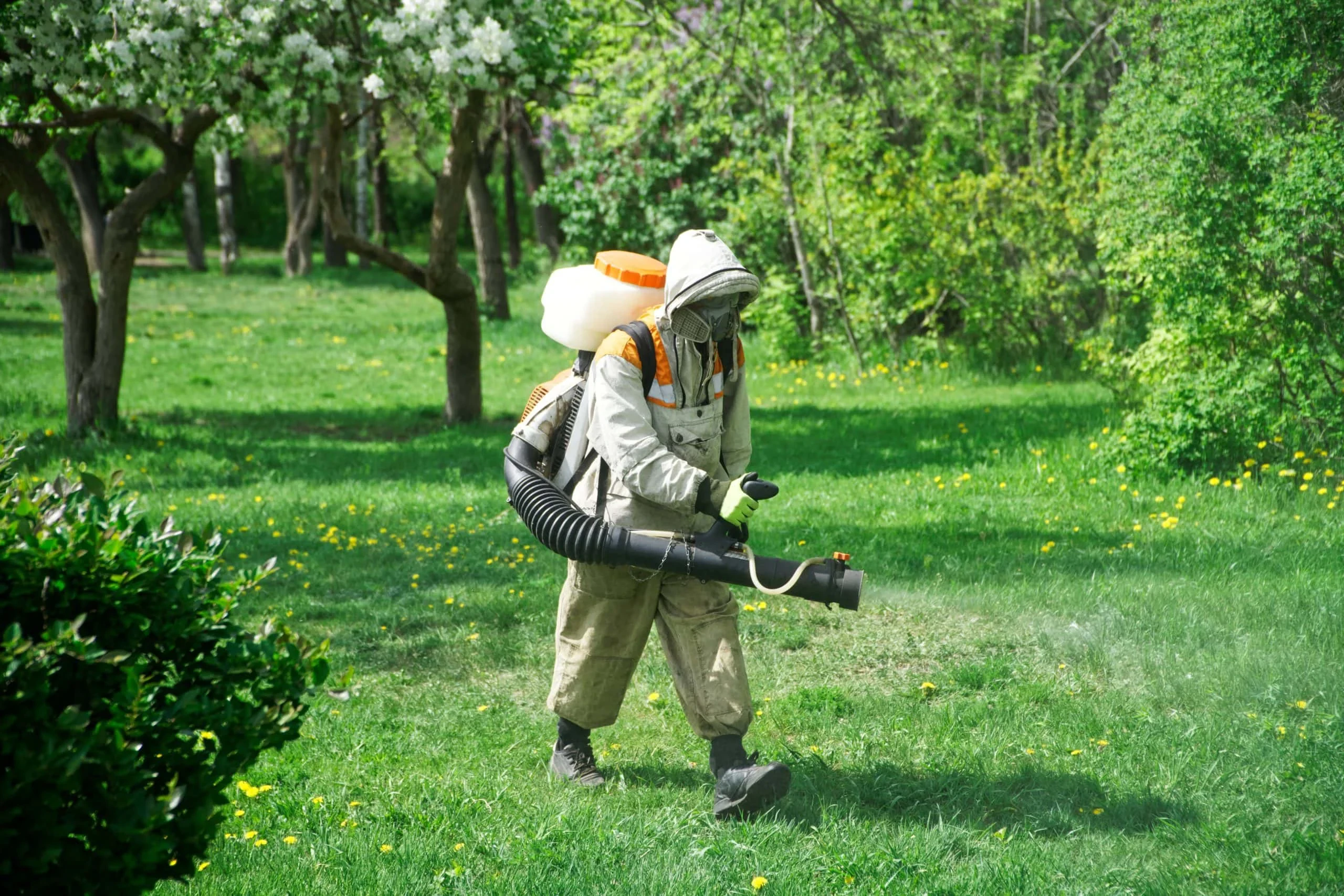
A professional barrier spray program changes the math entirely. Instead of reacting every time you step outside, you’re working ahead of the problem — treating the shaded shrubs, wooded edges, and lawn borders where mosquitoes actually rest during the day. Done right and maintained every 21 days through the season, this approach can reduce mosquito populations on your property by up to 90%. That’s what a properly applied seasonal program delivers.
What that means practically: your deck gets used. Your kids play outside after dinner. You stop planning your evenings around the bug situation. And because Ingham County doesn’t run a residential mosquito abatement program, professional mosquito control services in Webberville aren’t a luxury add-on — for most properties here, it’s the only real line of defense you have.
We founded First Choice Pest Control on May 31, 2005 — which means we’ve been through 20 Michigan mosquito seasons, including the wet springs that flood field ditches in Leroy Township and the warm falls that keep pressure going well into October. Roger, who leads the company, has 26 years of hands-on experience with Michigan pest conditions specifically. This isn’t a national brand that opened a Michigan location recently and staffed it with whoever was available.
One thing that matters to homeowners in a community like Webberville: you’ll see the same technician every time we come out. Not a rotating crew, not a part-time hire covering a route. The same trained professional who knows your property — where the moisture collects, where the shade holds, where your kids spend time — shows up every visit. That kind of continuity isn’t common in this industry, and it makes a real difference in how well the program works.
We serve both residential and commercial customers throughout Webberville and the surrounding area, and we’re recognized by Angie’s List and HomeAdvisor. We also offer discounts for seniors, veterans, and first responders — because those aren’t marketing moves, they’re the right thing to do for people who’ve earned it.
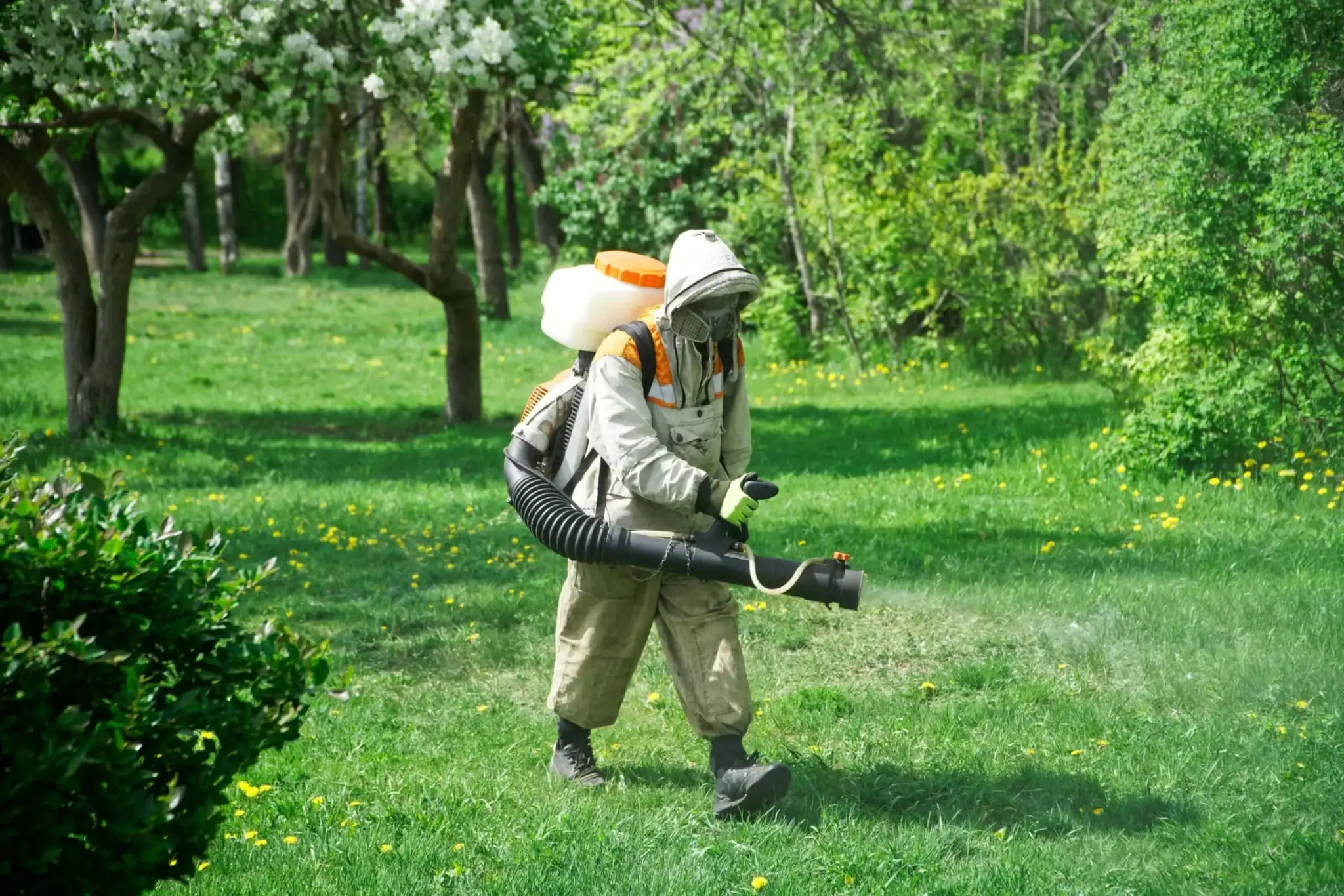
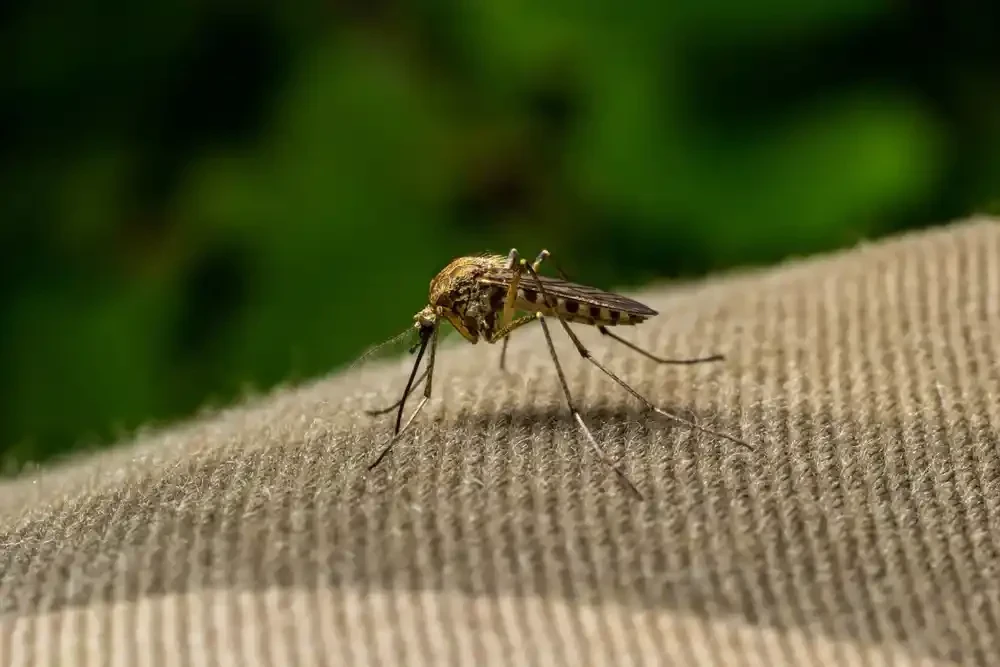
It starts with a property assessment. Before anything gets applied, your technician walks the property — identifying where mosquitoes are resting, where water is collecting, and what conditions on your specific lot are driving the pressure. For properties in Webberville and the surrounding Leroy Township area, that often means paying close attention to wooded lot edges, low-lying areas near field borders, and any spots where spring runoff or summer storms leave standing water longer than a few days. A female mosquito only needs about a bottle cap of water to lay up to 300 eggs, so the assessment isn’t a formality.
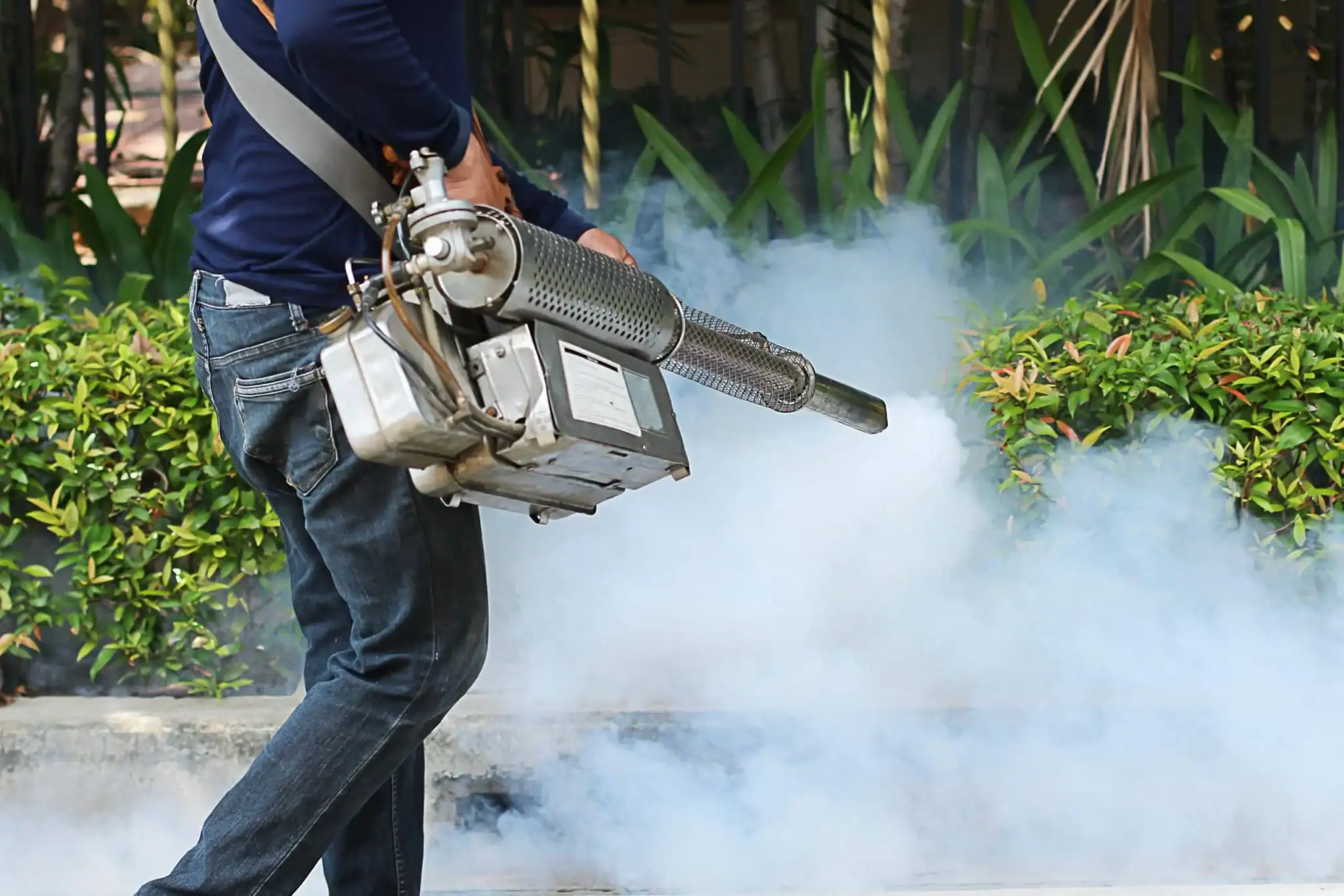
From there, a targeted barrier treatment is applied to the areas where mosquitoes actually live — the underside of leaves, shaded shrubs, tall grass edges, and tree lines. We use EPA-registered products applied with IPM-certified methodology, which means the least amount of chemistry necessary to get the job done. Once the treatment dries, typically within 30 minutes to an hour, it’s safe for your family and pets to be back outside.
Because Michigan’s mosquito season runs from roughly May through September — and in Webberville, late April pressure from snowmelt and field drainage isn’t unusual — the program is built on a 21-day return schedule. That recurring cycle keeps the barrier active through the full season, accounting for summer storms that recharge standing water and the warm fall stretches that extend mosquito activity later than most people expect.
Ready to get started?
Most mosquito control companies treat mosquitoes and nothing else. If you want flea and tick coverage, that’s a separate service with a separate price tag. We include flea and tick treatment in every mosquito program visit at no extra charge — and for Webberville-area properties, that inclusion matters more than it might somewhere else.
Wooded lots, field-edge properties, and homes with dogs or kids who spend time in the yard are exactly the conditions where tick exposure is highest. Leroy Township has no shortage of those properties. Ticks and mosquitoes share the same habitat — shaded, humid vegetation at the edges of lawns and tree lines — so treating one without the other is an incomplete job. We don’t do incomplete jobs.
Beyond the bundled flea and tick coverage, every visit is performed by a Michigan-licensed, IPM-certified applicator holding Category 7F: Mosquito Management certification from the Michigan Department of Agriculture and Rural Development. Not every pest control operator advertising mosquito removal in Ingham County holds that specific certification. It matters because it means the person on your property has been trained and tested specifically for mosquito management — not just general pest control. And if you’ve gotten a quote elsewhere, bring it. We’ll match any reasonable competitor’s rate, because you shouldn’t have to choose between quality and fair pricing.
This is probably the most common hesitation we hear from homeowners in this area, and it’s a fair one. When your property backs up to an active agricultural field or sits near a drainage ditch in Leroy Township, it can feel like you’re fighting a losing battle — because the source of the problem is outside your fence line.
Here’s what actually happens with a professional barrier program: we’re not trying to eliminate every mosquito in the surrounding landscape. We’re creating a treated zone around your usable outdoor space — targeting the resting sites where mosquitoes spend the majority of their time before they ever reach you. Shaded shrubs, wooded edges, tall grass borders, and the underside of leaves are where adult mosquitoes shelter during the day. Treating those areas disrupts the cycle on your property, even when the breeding source is a field ditch 50 yards away. Combined with a 21-day maintenance schedule that keeps the barrier active through Michigan’s full mosquito season, most customers see a dramatic reduction in mosquito activity — up to 90% on treated properties.
Yes — and this is one of the first things people ask, especially on larger Webberville properties where kids and dogs have a lot of ground to cover. We use EPA-registered products applied under IPM-certified protocols, which means we’re using the minimum effective amount to do the job — not saturating your yard with unnecessary chemistry.
After the treatment is applied, the standard re-entry window is typically 30 minutes to an hour once the product has dried. Your technician will give you a specific timeframe based on conditions that day — temperature, humidity, and whether there’s any wind that might affect dry time. Once it’s dry, your yard is safe for normal use. For households with vegetable gardens, chickens, or other animals, let your technician know during the initial walkthrough so those areas can be treated with appropriate care or avoided entirely if that’s your preference.
Earlier than most people think. In mid-Michigan — and particularly in flat, agricultural areas like Webberville — mosquito pressure can begin in late April, driven by snowmelt and spring rainfall that fills low-lying field areas and drainage ditches before temperatures have even fully warmed up. By the time you’re noticing mosquitoes in your yard in May or June, populations have already been building for weeks.
The most effective approach is to start your seasonal program in late April or early May, before peak activity hits. That first treatment sets the baseline for the whole season — getting ahead of the population curve rather than chasing it. Customers who wait until they’re already being bitten consistently report that the first few weeks of treatment feel slower to show results, simply because the existing population is already established. Starting early gives the program time to work with the season rather than against it.
Each treatment is designed to last approximately 21 days under normal conditions. That’s the window where the barrier remains effective before it begins to break down from weather, UV exposure, and natural degradation. We build the entire seasonal program around that cycle — so you’re never in a gap where your yard is unprotected.
In mid-Michigan, summer thunderstorm season runs June through August and can bring heavy rain events that temporarily recharge standing water in low-lying areas of your property. Those events don’t wash away the barrier treatment, but they do add new breeding opportunities that make the 21-day return schedule especially important to stick to. We schedule return visits proactively so you’re not having to remember to call — the program runs on its own cadence through the season, typically May through September, with flexibility for warm fall stretches that push mosquito activity into October.
It’s a real concern. West Nile Virus has been confirmed in Michigan every summer since 2002, and Ingham County has had documented cases over the years. The majority of people infected don’t develop serious symptoms, but a small percentage — particularly older adults and those with compromised immune systems — can develop severe neurological illness.
Eastern Equine Encephalitis, or EEE, is the more serious threat. It’s rarer than West Nile but significantly more dangerous — it carries a high fatality rate and has been confirmed in Michigan in recent years, including in counties within the mid-Michigan region. EEE is transmitted by mosquitoes that breed in and around wooded, wetland-adjacent environments — which describes a meaningful portion of the rural residential landscape in and around Webberville. Professional mosquito control services in Webberville, MI address a legitimate public health concern, not just a comfort issue.
Yes. We offer discounts for senior citizens, military veterans, and first responders. Webberville and the surrounding Leroy Township area have a meaningful population of people who fall into those categories — retirees who’ve lived here for decades, veterans who settled in mid-Michigan after their service, and local first responders who protect this community every day. The discount is straightforward — ask about it when you call and we’ll apply it to your program.
We also offer price matching for reasonable competitor rates. If you’ve already gotten a quote from another mosquito exterminator serving the Webberville area and it’s a legitimate, apples-to-apples comparison, bring it to us. We’ll match it. The goal is to make sure cost isn’t the reason someone on a fixed income or a tight budget ends up going without protection through a Michigan summer — especially when the mosquito pressure in agricultural mid-Michigan is as consistent as it is here.
Useful Links