
Hear from Our Customers
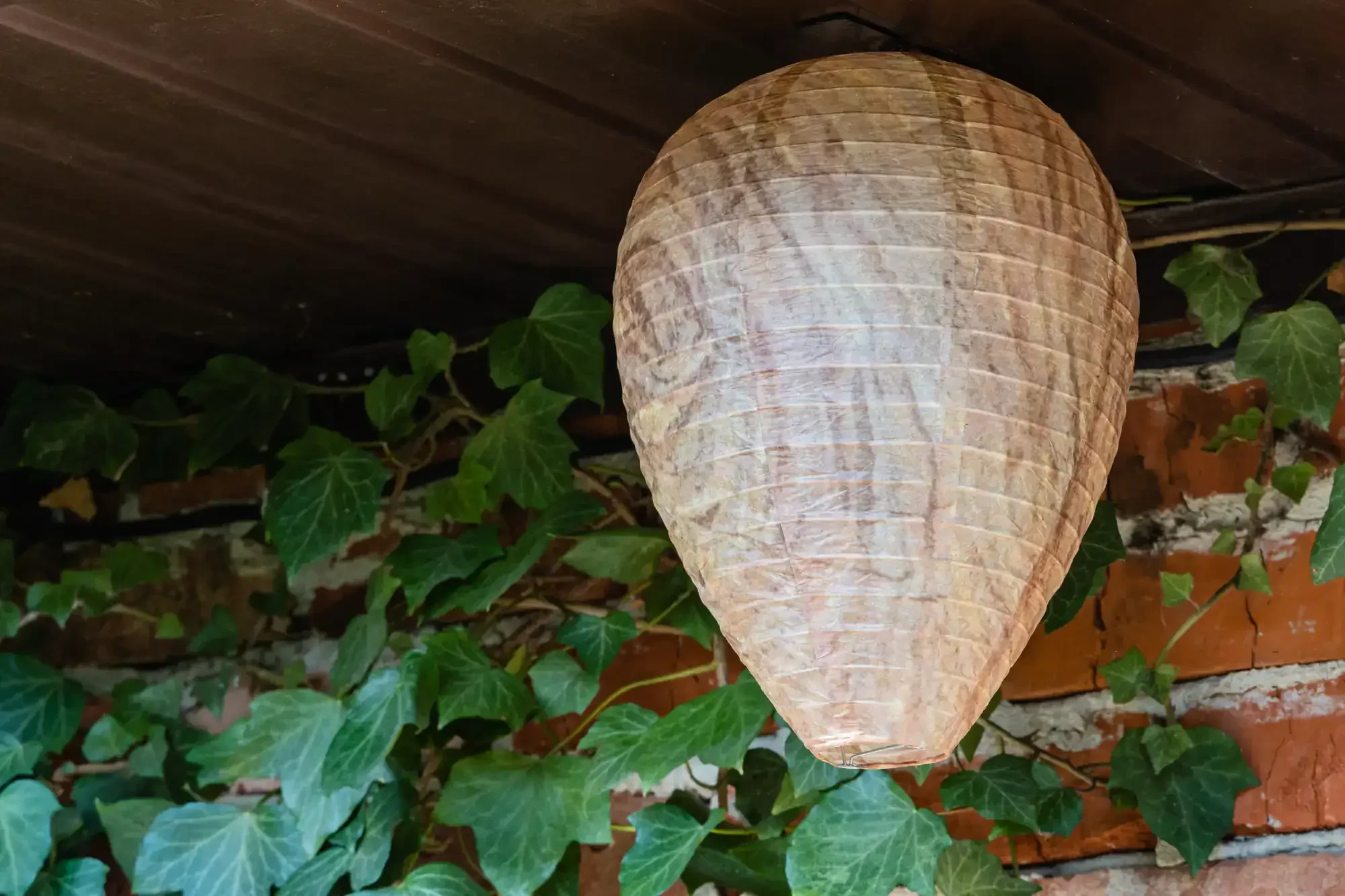
When you find a wasp nest on your Brent Creek property, the goal is simple — get it gone without making things worse. A lot of homeowners try the hardware store route first. They spray at dusk, knock something loose, and wake up the next morning with an angrier colony and no real solution. Professional wasp nest removal means the colony is eliminated, the nest comes down, and the entry point gets sealed so they don’t rebuild in the same spot next season.
Brent Creek’s older housing stock is a real factor here. Homes in the 48433 ZIP code were built around 1974, and fifty-year-old soffits, fascia boards, and weatherstripping around attic vents are exactly what wasps look for. A gap you’d never notice from the ground can house a colony of thousands inside a wall void — and that’s not a job for a spray can. It’s also not the kind of thing you want to leave until it gets worse.
The wooded corridor along Brent Creek itself, the agricultural lot lines, the detached garages and garden sheds common to properties out here — all of it creates consistent seasonal pressure. By August, yellow jacket colonies in this area can reach 5,000 to 15,000 workers. That’s not a fall project. That’s a call you make now.
We were founded on May 31, 2005 — which means this year marks 20 years of continuous service across Genesee County and into Shiawassee County, right where Brent Creek sits at that county line. Roger Chinault, our founder, brings 26 years of hands-on experience to every job. This isn’t a franchise routing your call through a regional center. We’re locally headquartered out of Swartz Creek, a few miles down the road from Brent Creek.
One thing that separates us from most of the competition: you get the same technician year after year. That matters on rural Brent Creek properties where the technician needs to know your outbuildings, your lot lines, and where problems showed up last season. No part-time summer hires. No rotating faces. Every technician here is a career professional.
We hold IPM training credentials, are fully licensed through MDARD, and have earned recognition from both Angie’s List and HomeAdvisor. Seniors, veterans, and first responders receive discounts — and in a community like Brent Creek, those aren’t afterthoughts.
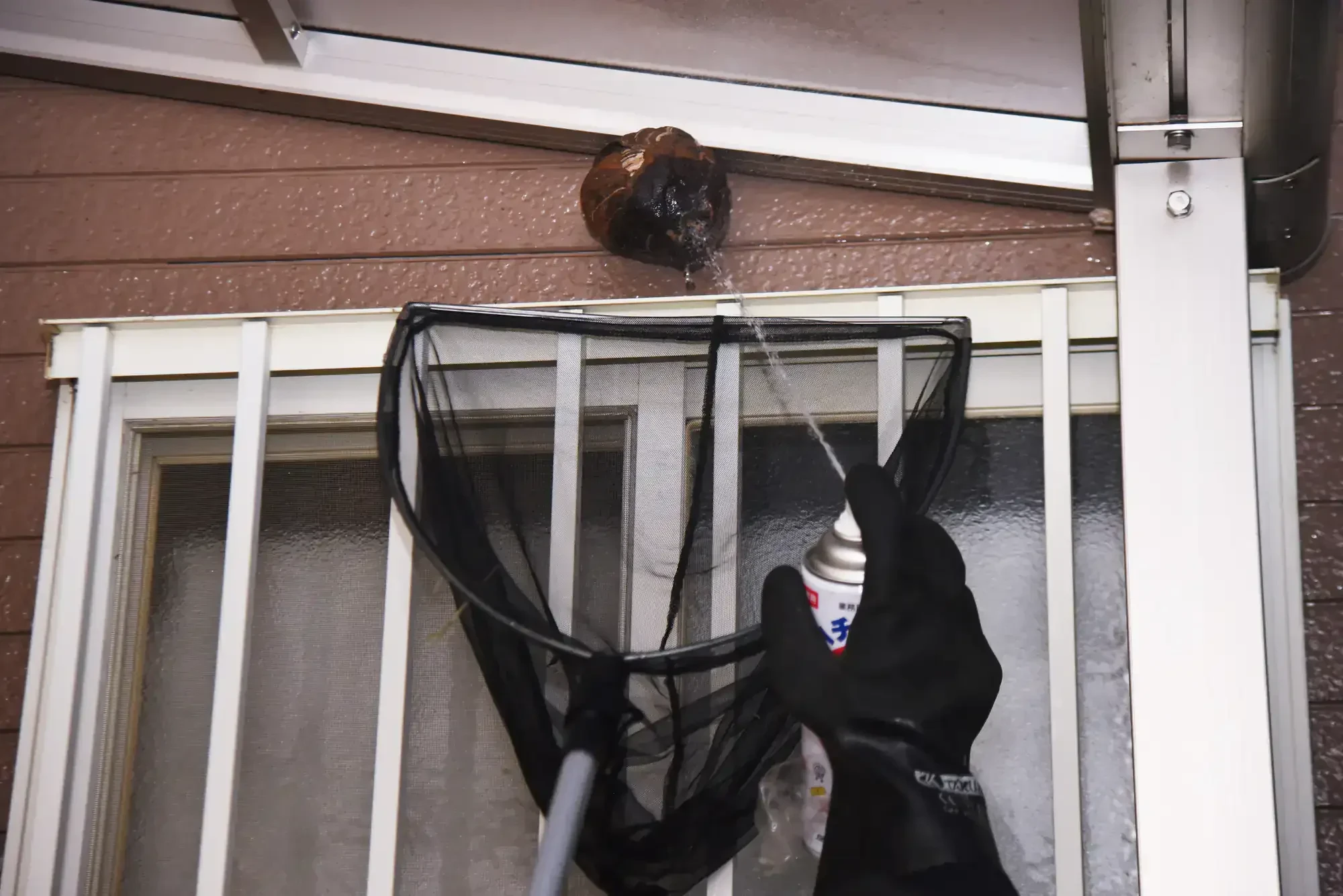
When you call us about a wasp nest in Brent Creek, the first thing that happens is a real conversation — not a script. You describe what you’re seeing: where the nest is, how long it’s been there, whether you’ve already tried treating it yourself. That information matters because a paper wasp nest under your eave, a yellow jacket colony in a ground burrow near your field edge, and a bald-faced hornet nest in the tree line along the creek all require different approaches. The treatment plan starts before the technician arrives.
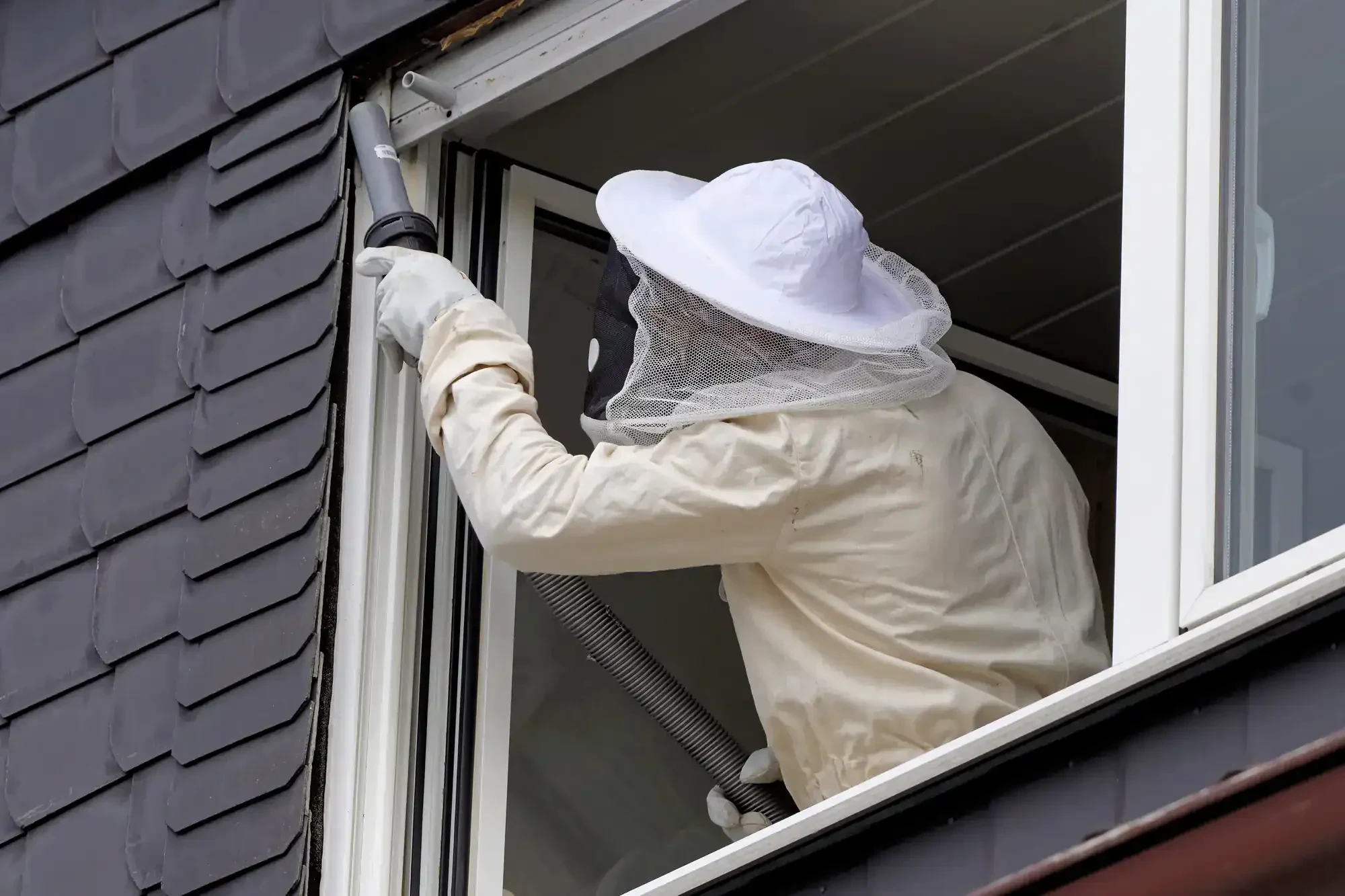
On-site, the technician identifies the species, locates the full extent of the nest — including any secondary entry points — and applies professional-grade treatment targeted to eliminate the colony. This isn’t a surface spray. For ground nests common on the larger rural lots out here along West Mt. Morris Road, that means treating the nest cavity directly. For structural void nests in older homes, it means reaching the colony through the entry point rather than just sealing it prematurely and trapping workers inside your walls.
After the colony is eliminated, the nest is physically removed and the entry point is sealed. We’re licensed through MDARD, so every product used meets Michigan’s pesticide application standards. If wasps return after treatment, we come back. That’s the commitment.
Ready to get started?
Wasp nest removal from us isn’t a spray-and-leave visit. What you get is a complete treatment — colony elimination, physical nest removal once the colony is neutralized, entry point sealing to cut off re-nesting, and a callback guarantee if the problem returns. That last part matters more than most companies advertise, because wasps have a strong instinct to return to favorable nesting locations. Sealing the entry point after treatment is what breaks that cycle.
For Brent Creek properties specifically, the service accounts for the conditions that make this area different from a standard suburban lot. Larger properties with detached garages, woodpiles, and outbuildings get a full exterior assessment — not just a look at the obvious nest you called about. Ground nests along agricultural lot lines and field edges, aerial nests in the wooded margins near the creek corridor, and structural void nests in aging soffits and fascia are all within scope. If there’s more than one active colony on the property, you’ll know before the technician leaves.
We also price-match reasonable competitors’ rates, so if you’ve already gotten a quote from Beck’s or another local provider, bring it up. There’s no binding contract attached to this service. You’re not signing up for anything beyond the job at hand.

The honest answer is: if you’re asking, it probably does. Most homeowners who call us have already tried a store-bought spray and either made the problem worse or couldn’t safely reach the nest in the first place. There are a few situations where DIY is genuinely risky — and all of them are common on Brent Creek properties. If the nest is inside a wall void or behind your soffit, spraying the entry point doesn’t reach the colony. If it’s a ground nest in your yard or along a field edge, disturbing it without the right treatment can trigger an immediate mass response from thousands of workers. And if anyone in your household has had a prior severe sting reaction, the risk of anaphylaxis on the next sting is between 25 and 65 percent. That’s not a situation where you want to be experimenting. A professional inspection costs you nothing compared to an emergency room visit.
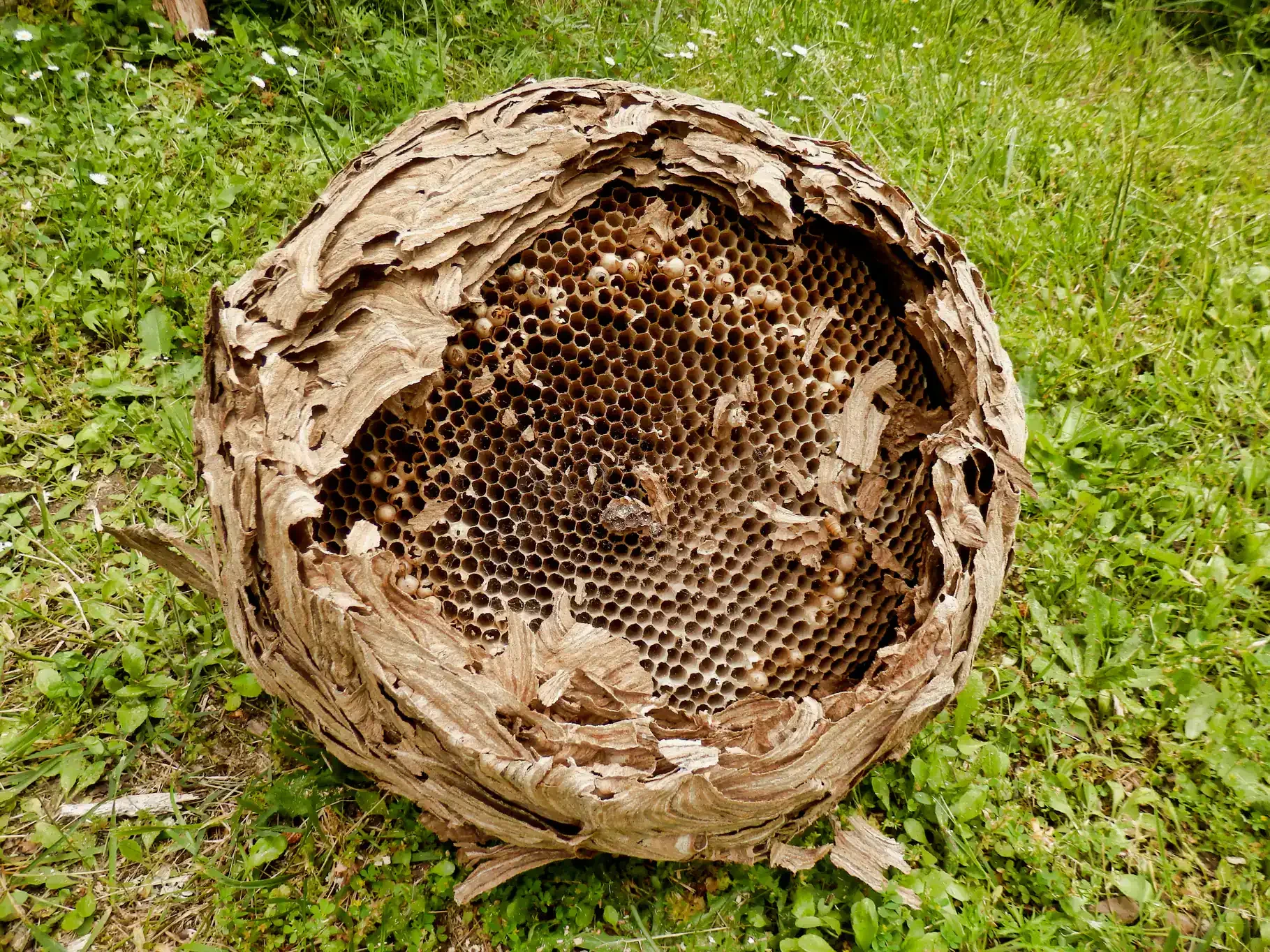
It matters a lot, actually — because the treatment approach is different for each. Paper wasps build the open, honeycomb-style nests you typically see under eaves, in deck railings, and along fence lines. They’re defensive but not usually aggressive unless you’re right at the nest. Yellow jackets are a different situation. They nest underground, inside wall voids, or in other enclosed spaces, and their colonies are significantly larger — up to 15,000 workers by late summer here in Michigan. They’re also much more aggressive when disturbed, which is why the ground nests along field edges and wooded lot lines common to Brent Creek properties are the ones that send people to the ER. Bald-faced hornets build the large, gray, paper-covered aerial nests you’ll sometimes see in trees or shrubs along the creek corridor. Each species requires species-specific treatment to actually eliminate the colony rather than just scatter it.
August and September are the peak danger window across Genesee County, and Brent Creek is no exception. By late summer, yellow jacket colonies that started with a single queen in April have grown to anywhere from 5,000 to 15,000 workers. At the same time, their natural food sources — insects and other protein — start declining, which pushes them toward scavenging. That’s when they show up near your garbage bins, your outdoor dining area, and your garden. They’re hungrier, more territorial, and significantly more aggressive than they were in June. If you noticed a small nest in early summer and decided to wait it out, late August is when that decision catches up with you. The good news is that treatment is still effective at any colony size — it just becomes more urgent the longer you wait.
This is one of the most common questions we get, and it deserves a straight answer. The re-entry window after treatment depends on the product used and the location of the nest. For exterior treatments on nests under eaves, along fence lines, or in outbuildings, the treated area is typically safe for people and pets once it’s fully dry — usually within a few hours. For ground nest treatments, we’ll give you a specific window based on what was applied and where. We use professional-grade products that are applied in a targeted way, not broadcast-sprayed across your yard. If you have dogs that run the property freely — which is common on the larger rural lots out here in Brent Creek — that’s something to mention when you call so the technician can factor it into the treatment plan and give you a clear timeline before leaving.
They can, and on Brent Creek properties, it’s more common than people expect. Wasps don’t reuse old nests — the colony dies off after the first hard frost, and the nest itself is abandoned. But the location that was attractive to one queen is attractive to the next one. A gap in your soffit, a void under a garage slab, or a sheltered spot in a shed overhang will draw a new queen in spring if the entry point isn’t sealed after treatment. That’s why entry point sealing is part of what we do after every removal — not an upsell, just part of doing the job correctly. Homes in the 48433 area built around 1974 tend to have more of these structural vulnerabilities than newer construction, so it’s worth having the technician flag any additional spots during the visit.
Yes — we offer discounts for seniors, veterans, and first responders. The 48433 ZIP code has a notably large senior population, and a lot of the homeowners out here on properties along West Mt. Morris Road and the surrounding township roads are people who’ve owned their homes for decades and aren’t in a position to safely climb a ladder to deal with a nest under a second-story eave. The senior discount exists because that’s a real situation, not a formality. The same goes for veterans and first responders — it reflects what we actually value, not a promotional line. If you or someone in your household qualifies, just mention it when you call. We also match reasonable competitors’ rates, so if you’ve already gotten a quote from another licensed provider in Genesee County, bring it up and we’ll work with you.
Useful Links