
Hear from Our Customers
Here’s what most Flushing homeowners don’t realize until it’s too late: that small nest you spotted in June can hold 5,000 or more workers by August. Yellow jackets don’t stay manageable. They scale up fast, and by the time late summer hits — when your family wants to be outside the most — the colony is at its most aggressive and the yard is effectively off-limits.
Flushing’s setting along the Flint River valley makes this worse than most people expect. The sandy, loamy soil near the river corridor is prime territory for eastern yellowjacket ground nests, the kind you don’t see until you step on one. The wooded lots throughout Flushing and surrounding Flushing Township give queen wasps exactly the overwintering habitat they need to come back stronger the following spring.
Older homes throughout Flushing — the ranch houses, split-levels, and Cape Cods built throughout the post-war decades — tend to have the aging eaves, deteriorated soffits, and small structural gaps that German yellowjackets use to get into wall voids and attics. Once they’re inside a wall, a can of hardware store spray doesn’t cut it. Professional removal, entry point sealing, and a follow-up guarantee are what actually solve it.
We’ve been serving Flushing and Genesee County homeowners since May 31, 2005 — twenty years of the same approach, the same standards, and the same commitment to getting it right the first time. First Choice is led by Roger Chinault, who brings 26 years of hands-on pest control experience to every job. That’s not a credential on a wall — it’s two and a half decades of treating stinging insect problems across properties just like yours, in this county, in this climate, in this housing stock.
What sets us apart from the national chains running seasonal crews through Flushing and the surrounding area is simple: you get the same technician year after year. The person who removes your wasp nest this summer will already know your property next spring. No re-explaining. No starting over with someone new. Just consistent, informed service from a career professional who takes this work seriously — not a part-time hire brought on for the summer rush.
We hold awards from Angie’s List and HomeAdvisor, are trained in Integrated Pest Management, and offer discounts for seniors, veterans, and first responders. No binding contracts, ever.
When you reach out to us, the first thing that happens is a real conversation — not a scripted intake form. You describe what you’re seeing, where the nest is, and how active the wasps have been. That information matters because treatment isn’t one-size-fits-all. A ground nest in a sandy yard near the Flint River corridor behaves differently than a wall void nest in a 1970s ranch on the east side of Flushing, and the approach has to match the situation.
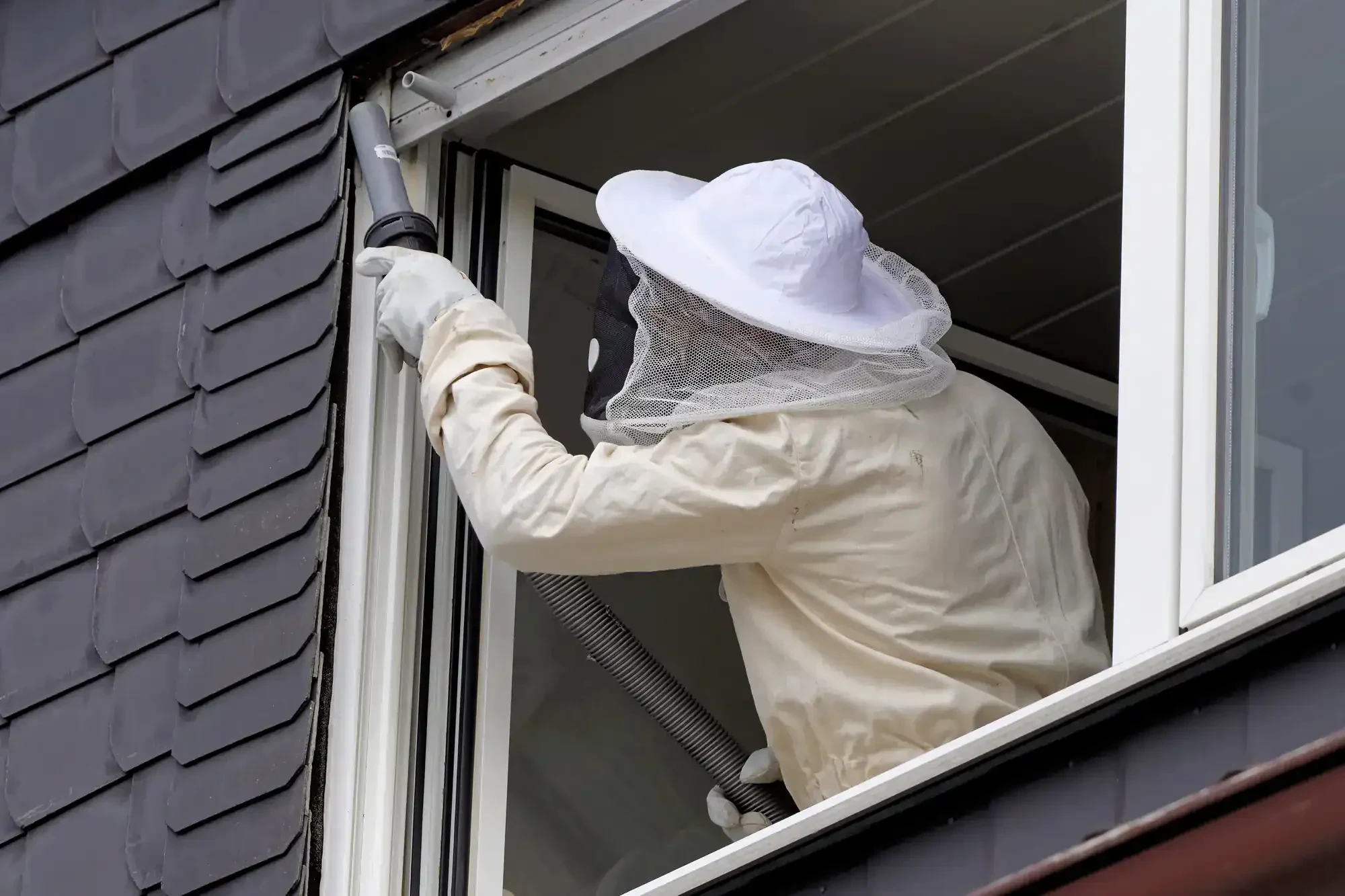
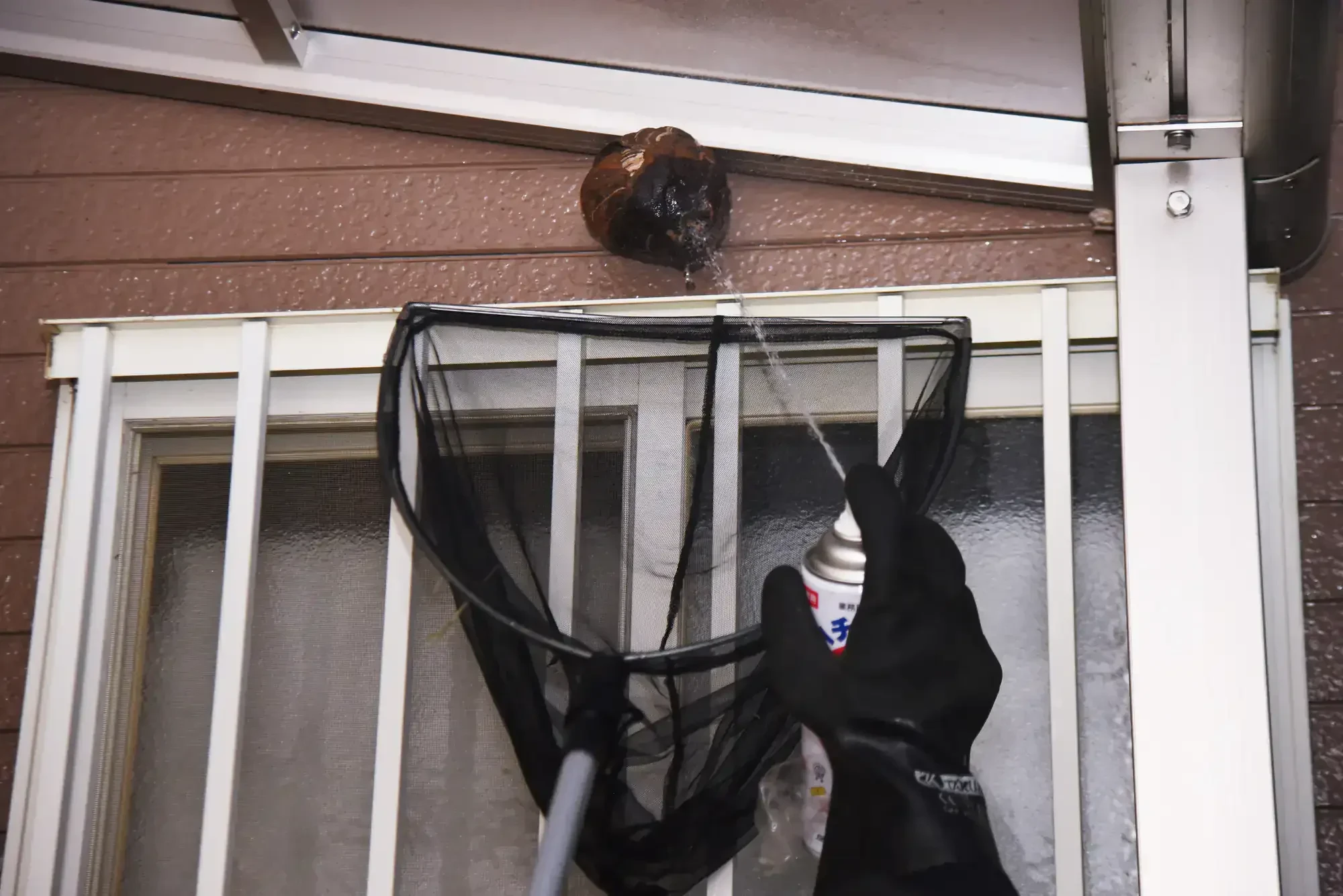
From there, a career-professional technician comes out to your Flushing property, assesses the nest location, identifies the species, and applies a targeted treatment. Timing is deliberate — treatment is most effective when the colony is active and workers are present, which in Michigan typically means late morning through early afternoon. After the colony is eliminated, the nest structure is removed and the entry points that allowed wasps to establish in the first place are sealed.
In Genesee County, wasp season runs hard from June through September, with peak aggression in August. If you’re calling during that window, don’t wait. Colonies don’t plateau — they keep growing. And if wasps return after treatment, so do we. That callback guarantee isn’t fine print — it’s the standard.
Ready to get started?
Our wasp nest removal service in Flushing, MI isn’t just treatment and a handshake. The service covers the full scope of what it actually takes to resolve a stinging insect problem: species identification, targeted colony elimination, physical nest removal, and structural sealing to close off the access points wasps used to get in. That last step matters more than most people think. A nest treated but not sealed is an open invitation for a new colony next season.
We serve both residential and commercial customers throughout Flushing and the surrounding Genesee County area. Whether you’re a homeowner in Flushing Estates dealing with a yellow jacket nest under the deck, a property owner near the Elms Road corridor managing a problem near a business entrance, or a landlord handling a tenant concern in a multi-unit building, the approach is the same — thorough, targeted, and backed by real accountability.
All pest control services are performed by MDARD-licensed technicians under Michigan’s Act 451, Part 83 pesticide regulations. We offer no binding contracts, no recurring plans you didn’t ask for, and no pressure to sign up for anything beyond the service you called about. We also price-match reasonable competitor rates — so if you’ve already gotten a quote from another Flushing-area company, bring it to the conversation.
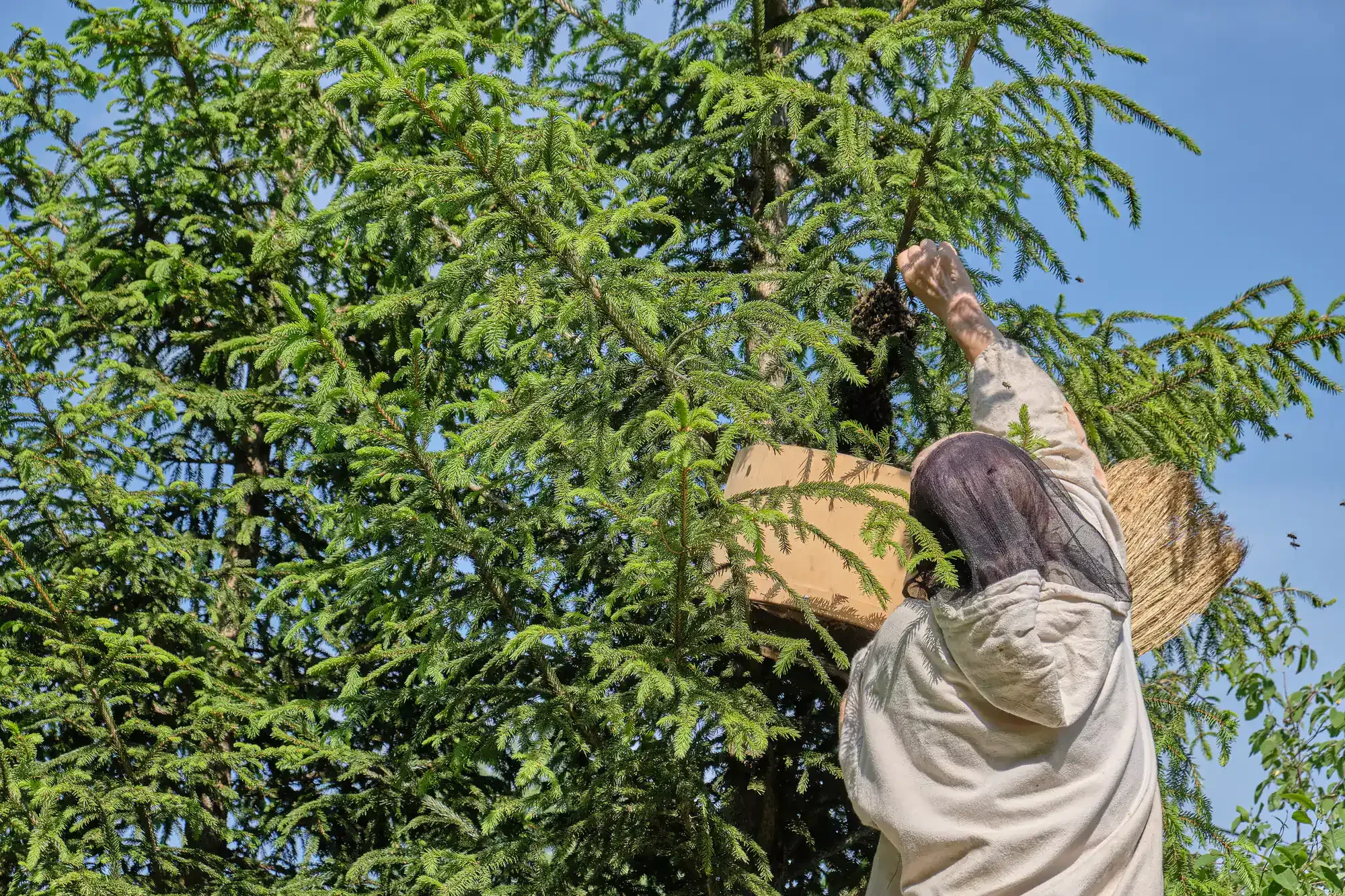
The two species that cause the most problems for Flushing homeowners are eastern yellowjackets and German yellowjackets. Eastern yellowjackets build underground nests in abandoned mammal burrows, and the sandy, loamy soil along the Flint River corridor makes Flushing-area yards particularly vulnerable to them. You often don’t know a ground nest is there until you mow over it or a dog runs through the area and the colony mobilizes in defense.
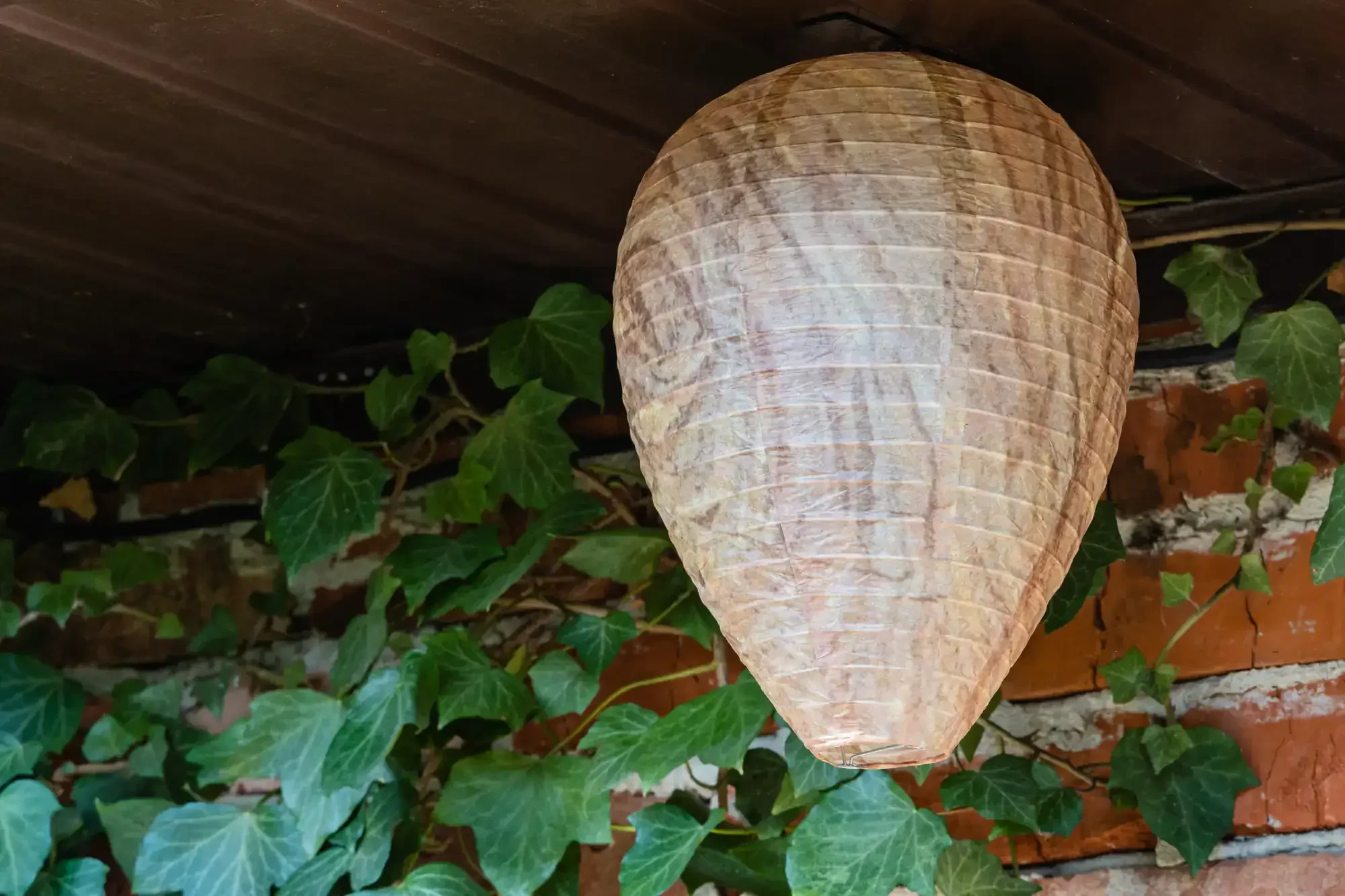
German yellowjackets are the ones that get inside your house. They nest in wall voids, attics, crawlspaces, and behind soffits — and Flushing’s older housing stock, with its aging eaves and small structural gaps, gives them plenty of ways in. You might notice workers appearing inside a room, or hear a faint buzzing from behind a wall in late summer. Bald-faced hornets are also present in Genesee County, building the large, papery aerial nests you’ll sometimes find hanging from tree branches or under roof overhangs. Paper wasps are common around deck railings and window frames. Each species requires a different treatment approach, which is why identification comes before anything else.
Most homeowners who try to handle a wasp nest themselves either make the problem worse or get hurt in the process. A can of hardware store wasp spray works fine on a small, exposed paper wasp nest early in the season — but it’s not designed for a yellow jacket ground nest with thousands of workers, and it’s definitely not the right tool for a colony that’s established inside a wall void. Disturbing those nests without the right approach triggers an immediate, coordinated defensive response from the entire colony.
The risk isn’t just discomfort. Approximately one to three percent of adults have an allergy to insect venom that can cause anaphylaxis, and many people don’t know they’re in that group until they’re stung. Yellow jackets sting repeatedly — unlike honeybees, they don’t lose their stinger — and a colony disturbed mid-season in August can mobilize hundreds of workers in seconds. If the nest is in a wall void, in the ground, or in any location where you can’t retreat quickly, professional removal is the right call. Our technicians carry the protective equipment, the professional-grade products, and the species-specific knowledge to handle it safely.
Late August and September are the most dangerous weeks of the wasp season in Flushing — and across Michigan generally. By that point, yellow jacket colonies have been building since spring and can hold anywhere from 5,000 to 15,000 workers. At the same time, natural food sources start declining, which makes workers more aggressive and more likely to show up at outdoor meals, near trash cans, and around anything sweet or protein-rich.
For Flushing families who want to use Riverview Park, walk the trails at Flushing Township Nature Park, or just sit on their own deck in August, that timing is a real problem. The colony that seemed manageable in June is now a genuine hazard. The best time to treat a wasp nest is earlier in the season — June or early July — when the colony is smaller and less defensive. But if you’re calling in August, don’t wait another week hoping it’ll slow down. It won’t. Call us and get it handled before the season peaks.
The most common signs of a wall void nest are workers appearing inside the house — especially in one specific room or near one specific wall — and a faint buzzing or chewing sound coming from behind the drywall. You might also notice a soft, discolored spot on the wall or ceiling where the nest has grown large enough to press against the interior surface. In severe cases, the nest can actually break through drywall.
This is more common in Flushing’s older housing stock than people expect. Homes built in the 1950s through 1970s often have small gaps around window frames, utility penetrations, and deteriorated soffits that German yellowjackets use as entry points. Once they’re inside, they build fast. A colony that enters in late spring can fill a wall void by midsummer. Wall void nests require a different treatment approach than exposed nests — the entry points have to be located and treated carefully, and sealing has to happen after the colony is confirmed dead, not before, or you risk trapping workers inside and forcing them through the interior of the house.
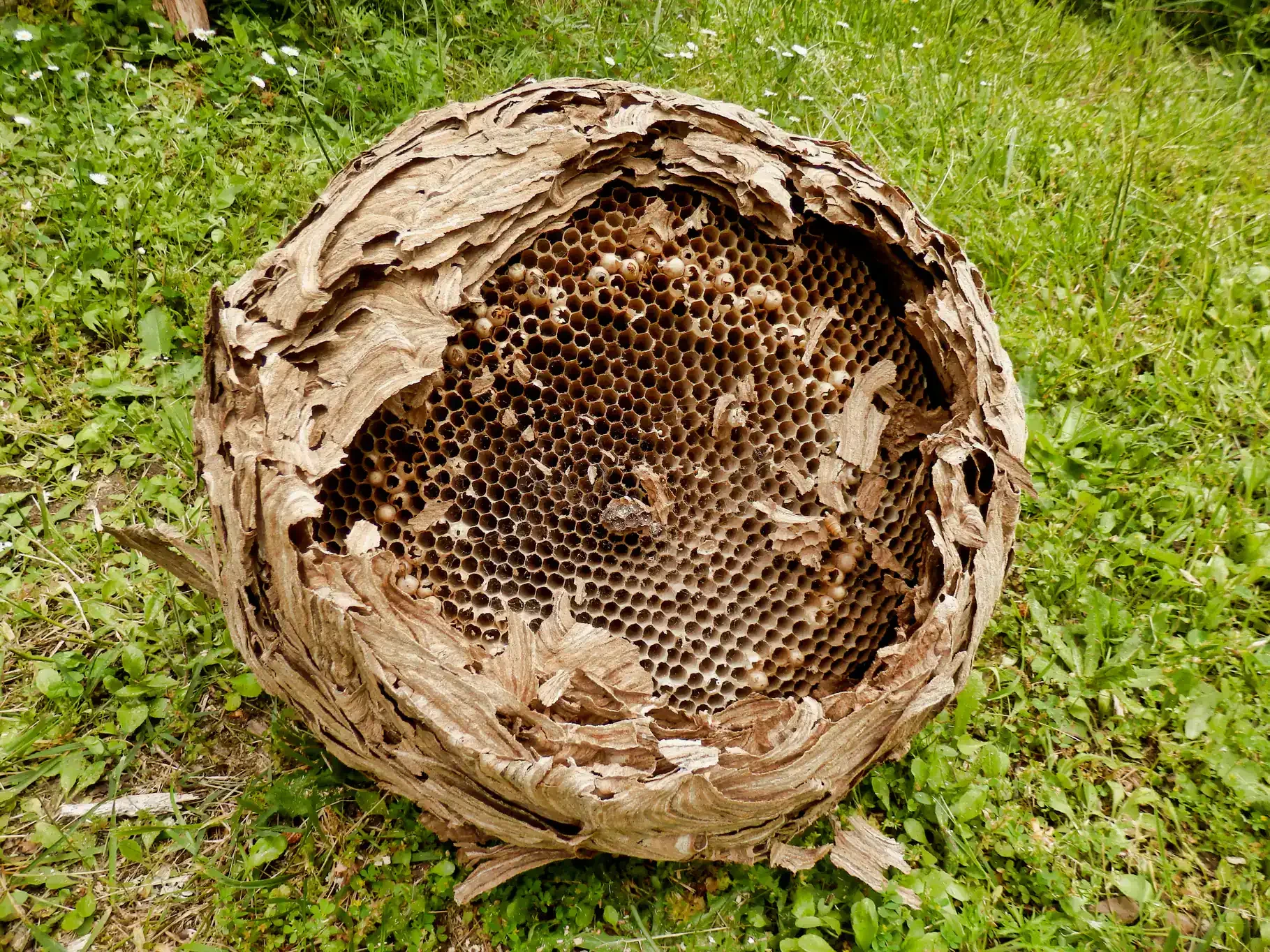
Yes, wasps can return — but only if the conditions that made your property attractive in the first place are still there. That’s why we don’t just treat the colony and leave. After the nest is eliminated, the nest structure itself is removed, and the entry points are sealed. Leaving a treated but intact nest behind is one of the most common mistakes in DIY removal — the pheromone traces in an old nest can draw new colonies to the same location the following season.
Structural sealing is especially important for Flushing homes with aging eaves, soffits, or gaps around utility lines — the kind of small openings that are easy to overlook but give wasps exactly what they need to re-establish. If wasps do return after a First Choice treatment, the callback guarantee means we come back at no additional charge. That’s not a promotional line — it’s the standard we hold ourselves to because we’d rather fix the problem than leave a Flushing homeowner dealing with the same issue twice.
We offer discounts for senior citizens, military veterans, and first responders. In a community like Flushing — where a meaningful portion of residents are retirees on fixed incomes and where local pride in those who’ve served runs deep — those discounts reflect something real about how we operate, not just how we market ourselves. If you or someone in your household qualifies, mention it when you call.
We also price-match reasonable competitor rates. If you’ve already gotten a quote from another Genesee County pest control company, bring it to the conversation. The goal isn’t to be the cheapest option in Flushing — it’s to make sure cost isn’t the reason you choose a less experienced provider when a wasp colony is growing in your wall or your backyard. You get two decades of local experience, a career-professional technician, no binding contracts, and a callback guarantee if the problem returns. That’s the value, at a price that’s fair.
Useful Links