
Hear from Our Customers
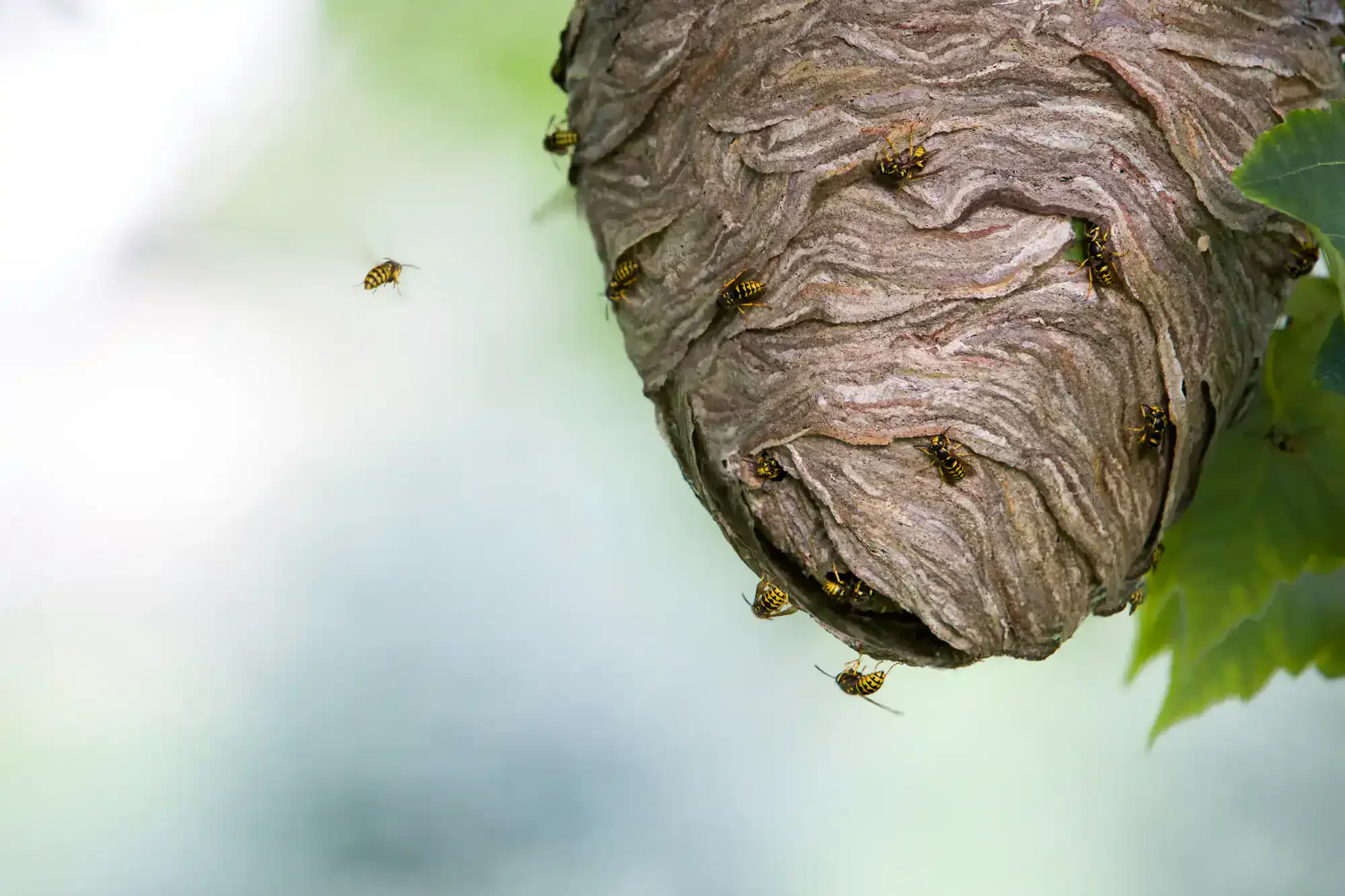
Late summer on Lake Victoria is supposed to mean time on the water, cookouts on the dock, and evenings on the porch. What it shouldn’t mean is swatting yellow jackets away from every drink, watching your grandkids scatter from the yard, or discovering a nest buried in your soffit that’s been growing since May. By August, a single colony can house 3,000 to 5,000 workers — and they’re not looking for insects anymore. They want what’s on your table.
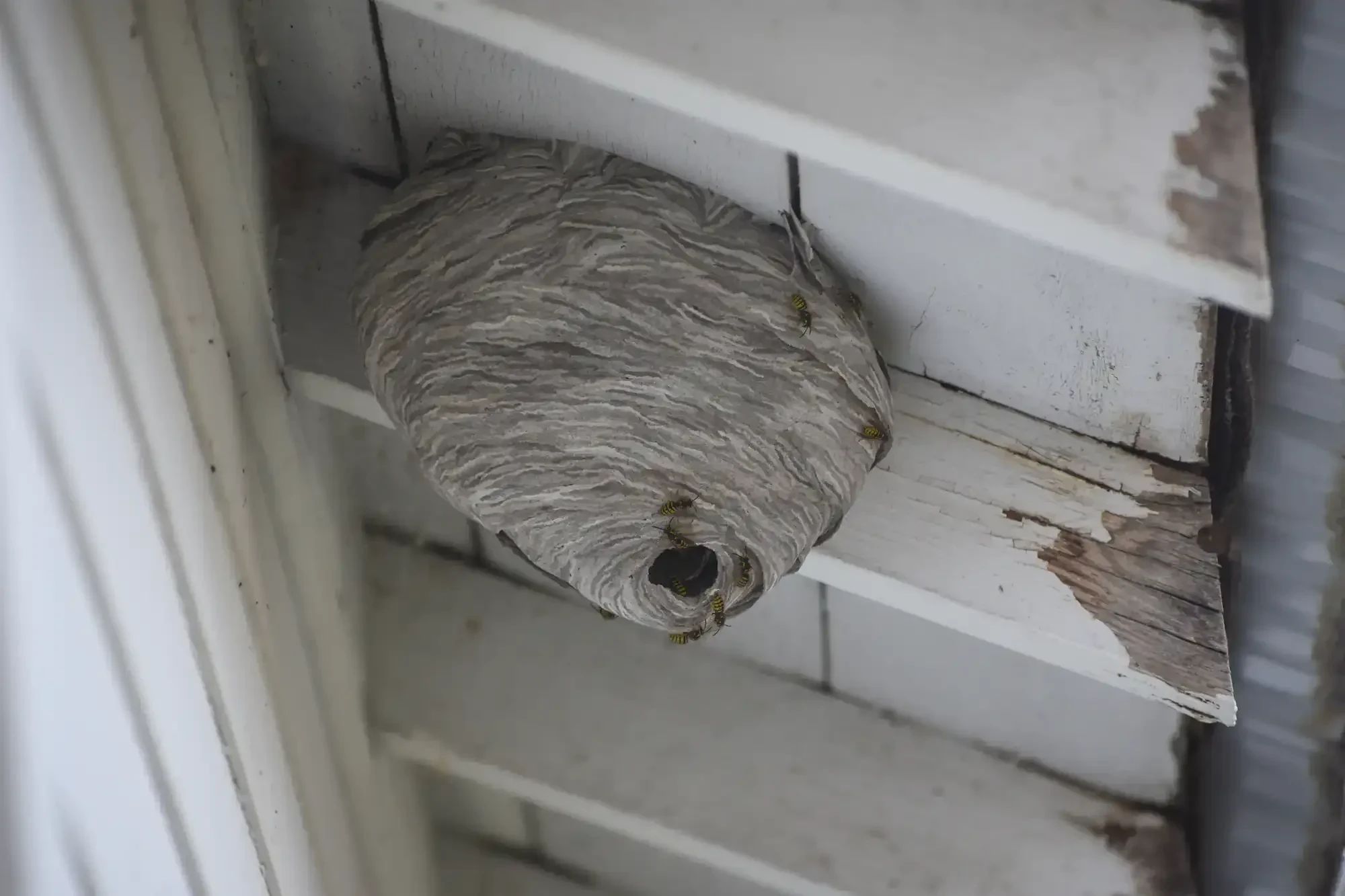
The older homes throughout Lake Victoria — many with wood siding, aging soffits, crawlspace access points, and outbuildings near the water — are exactly the kind of structures that German Yellowjackets move into. They find a gap, they build inside your wall, and by the time you notice them, the nest is already established. A failed DIY attempt at that stage doesn’t fix it. It usually makes the colony more aggressive and pushes it deeper into the structure.
What changes after we treat your property is simple: the nest is gone, the entry points are identified, and you’re not spending the rest of the summer managing a problem that shouldn’t be yours to manage. For a community where lake association homes command nearly double the resale value of comparable properties, protecting your structure isn’t just about comfort — it’s about protecting what you’ve built here.
We founded First Choice Pest Control on May 31, 2005 — which means this year marks 20 years of serving mid-Michigan homeowners, including families throughout Clinton County and the Lake Victoria community. Roger Chinault leads the company with 26 years of hands-on pest management experience, and our approach has never been to grow fast at the expense of doing the work right.
You won’t get a rotating cast of seasonal technicians. We keep the same technician with each customer year after year — someone who learns your property, knows where the vulnerabilities are, and shows up prepared. Every technician is a trained, full-time professional. That’s not a small thing when you’re dealing with a wall-void nest in a lakefront home that’s been in your family for decades.
We hold an MDARD Pesticide Application Business License, have completed Integrated Pest Management training, and have earned awards through both Angie’s List and HomeAdvisor. Our 4.7 out of 5 rating on Angi reflects what customers in Lake Victoria and surrounding communities actually experience — not what a marketing team put together.
It starts with a call — and someone picks up. We have a consistent track record of returning calls within minutes, even on Friday evenings when most companies have already clocked out. You describe what you’re seeing, and the conversation from there is straightforward: where the activity is, what the entry points look like, and when to schedule the visit.
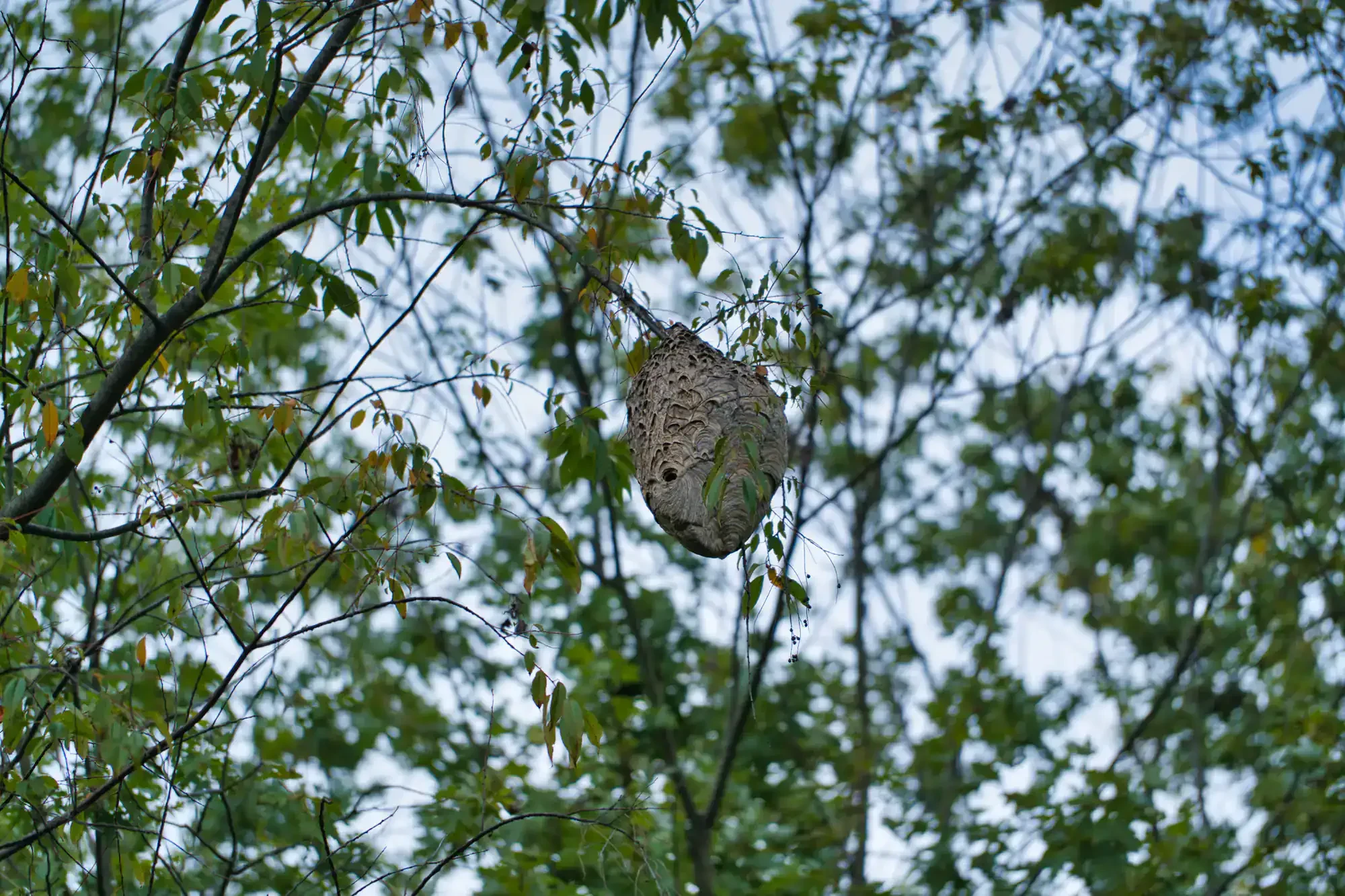
When our technician arrives, the first step is identification. Not all yellow jacket problems are the same, and treating the wrong species the wrong way is how a manageable nest becomes a months-long ordeal. In the Lake Victoria area, that usually means distinguishing between a German Yellowjacket colony inside a wall void or attic — common in the established residential structures throughout Victor Township — and an Eastern Yellowjacket nest in the ground, which is more typical near the shoreline, lawn edges, and the wooded perimeter where the community borders natural habitat adjacent to Sleepy Hollow State Park.
Once the species and nest location are confirmed, we apply targeted treatment with the precision that IPM-certified work requires. This matters especially near a lake, where broad chemical application near the water isn’t the right call. After treatment, you’ll get clear guidance on what to expect over the following days, what signs indicate the colony is eliminated, and how to reduce the likelihood of a new nest establishing next season. Our 1-year service guarantee covers you if anything comes back — no additional charge.
Ready to get started?
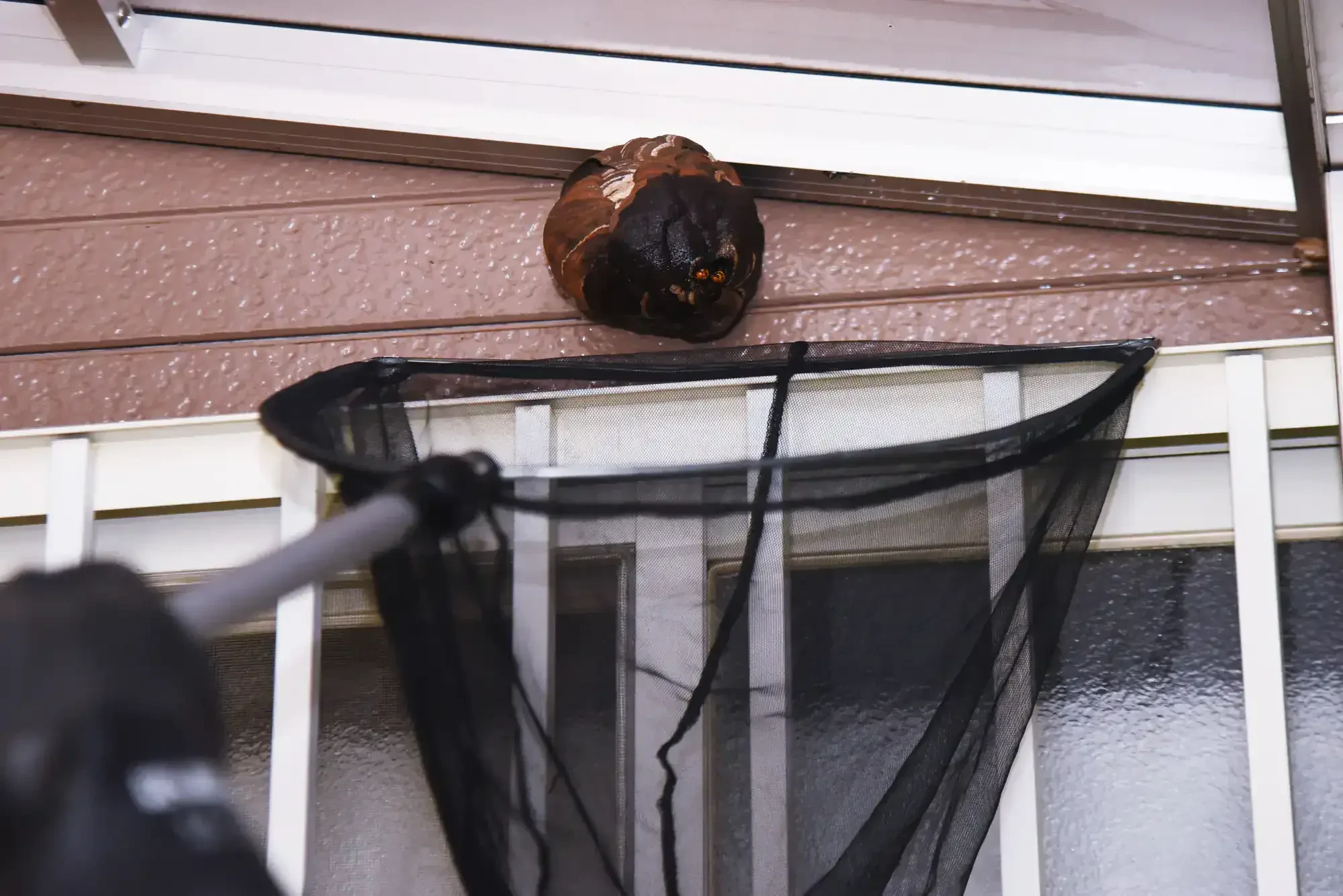
Yellow jacket pest control in Lake Victoria isn’t a single scenario — it’s several, and the right treatment depends entirely on which one you’re facing. The German Yellowjacket is the primary culprit in wall voids, attics, and enclosed structural cavities. These are the nests that develop silently inside your home’s structure through a gap in the siding, a loose soffit panel, or an opening around a utility line. By the time workers are visible inside the house or emerging near a window, the nest is often well-established and requires professional access and treatment to eliminate safely.
Ground nests are a separate issue — and a common one in the yard areas, shoreline edges, and open lawn spaces that characterize Lake Victoria properties. Eastern Yellowjackets nest underground in abandoned mammal burrows, and their entry points are easy to miss until someone steps near one. Dock structures, boat sheds, detached garages, and wood storage areas near the water add additional nesting opportunities that most suburban properties simply don’t have.
We handle all of it — yellow jacket nest removal, attic yellow jacket removal, wall-void treatment, and ground nest extermination — under the same service guarantee. Seniors, veterans, and first responders receive a discount, and we’ll match any reasonable competitor’s rate. No binding contracts. If the problem returns within the guarantee period, so do we.
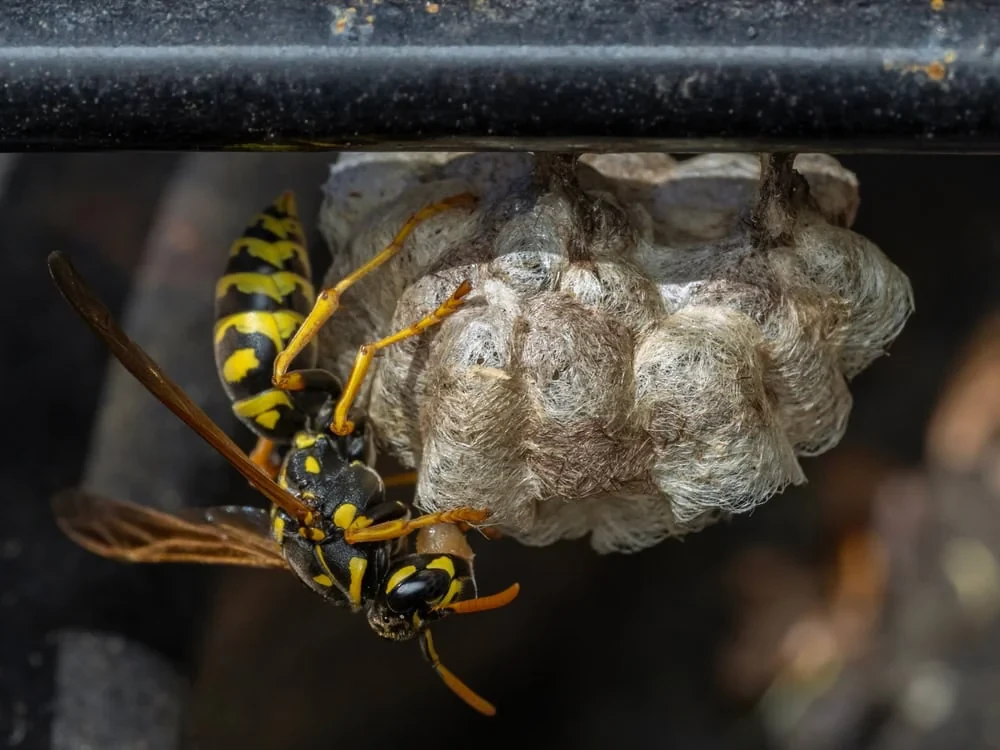
The timing is biological, not coincidental. Yellow jacket colonies spend the spring and early summer building population — by August, a single nest can hold 3,000 to 5,000 workers. At that point, the colony’s food needs shift. Instead of hunting other insects for protein, workers start aggressively seeking sugars and carbohydrates. That means open soda cans, fruit, grilled food, and anything sweet left out near the water.
For Lake Victoria residents, this timing lands directly on the most active outdoor season — dock gatherings, boat trips, lakeside meals, and family visits. The community’s proximity to the natural habitat along the Looking Glass River corridor and the wooded edges near Sleepy Hollow State Park also means foraging workers can range in from nests established well outside your property line. The combination of peak colony size, behavioral shift, and the outdoor lifestyle this community is built around is exactly why late August calls spike every year.
The most common signs are workers appearing inside the house — near windows, in a bedroom, or along a ceiling — without an obvious entry point. You might also notice a consistent stream of yellow jackets entering and exiting a specific gap in the siding, soffit, or trim, especially in the morning and late afternoon when foraging activity peaks. A low buzzing sound inside a wall is another indicator that’s easy to dismiss until the colony is large enough to chew through drywall.
In the established homes throughout Lake Victoria, the entry points are often subtle — a gap around a pipe penetration, a section of aging wood siding that’s pulled away slightly, or a soffit corner that’s come loose over a Michigan winter. German Yellowjackets are particularly drawn to these enclosed cavities, and once inside, the nest can expand significantly before it becomes visible. If you’re seeing workers consistently in or around one area of the structure, don’t wait. Wall-void nests are manageable early and significantly more complex once the colony reaches full size.
Yes — when it’s done correctly. The concern with lakefront treatment is pesticide runoff near the water, and it’s a legitimate one. That’s exactly why the approach matters. We use an Integrated Pest Management framework, which means treatment is targeted to the nest location and applied with the minimum effective product in the right place. Broad chemical application isn’t our method — precision is.
For Lake Victoria properties where nests are located near the shoreline, dock structures, or outbuildings close to the water’s edge, our technician will assess the specific location and select the appropriate treatment method for that environment. In most cases, ground nest treatment near water involves direct application into the nest entrance rather than broadcast spraying. The goal is to eliminate the colony without unnecessary chemical exposure to the surrounding area. If you have specific concerns about your property’s proximity to the water, bring it up when you call — it’s a relevant detail that affects how the job is approached.
Nationally, professional yellow jacket extermination averages around $725, with wall-void and attic infestations typically running between $500 and $1,300 depending on the complexity of the nest location and how accessible it is. Ground nest removal is generally on the lower end of that range. The variation comes down to where the nest is, how established it is, and what’s required to treat it safely and completely.
For Lake Victoria homeowners, it’s worth framing that cost against the alternative. A failed DIY treatment on a wall-void nest doesn’t eliminate the colony — it often drives workers deeper into the structure and increases aggression, which means you’re still dealing with the problem and now facing a more defensive colony. A nest left untreated inside a wall can also expand into insulation and drywall as the season progresses. We offer price matching for reasonable competitor rates, so if you’ve already gotten a quote, bring it to the conversation. You shouldn’t have to choose between experience and a fair price.
A successfully treated nest won’t come back — the colony is eliminated. What can happen is a new queen establishing a new nest the following spring, particularly if the entry points that allowed access to the original nest location aren’t sealed after treatment. In mid-Michigan, fertilized queens overwinter in protected locations — including inside wall voids and structural cavities — and emerge in March or April to begin building new colonies. If the gaps that gave last year’s colony access to your home are still open, next year’s queen may find the same route in.
That’s why the post-treatment step matters as much as the treatment itself. Our 1-year service guarantee covers you if the problem returns within the guarantee period — no additional charge. Beyond that, the guidance you receive after treatment includes what to seal, where to inspect, and what early-season signs to watch for before a new colony gets established. For properties in Victor Township with older construction and multiple potential entry points, that follow-through is part of what makes the treatment last.
Yes. We offer discounts for seniors, veterans, and first responders. In a community where the median age is 48.2 years and a significant number of residents are retired homeowners who have invested decades into their Lake Victoria properties, that’s not a footnote — it’s a real reduction on a service that protects a home you’ve worked hard to maintain.
The discount applies to the service itself, not a watered-down version of it. You get the same licensed technician, the same IPM-certified treatment, and the same 1-year guarantee. If you’re a veteran, active senior, or first responder, just mention it when you call. We also match reasonable competitor rates, so between the discount and the price match offer, there’s no reason to settle for a less experienced provider just to save money. Ask about both when you reach out.
Useful Links