
Hear from Our Customers
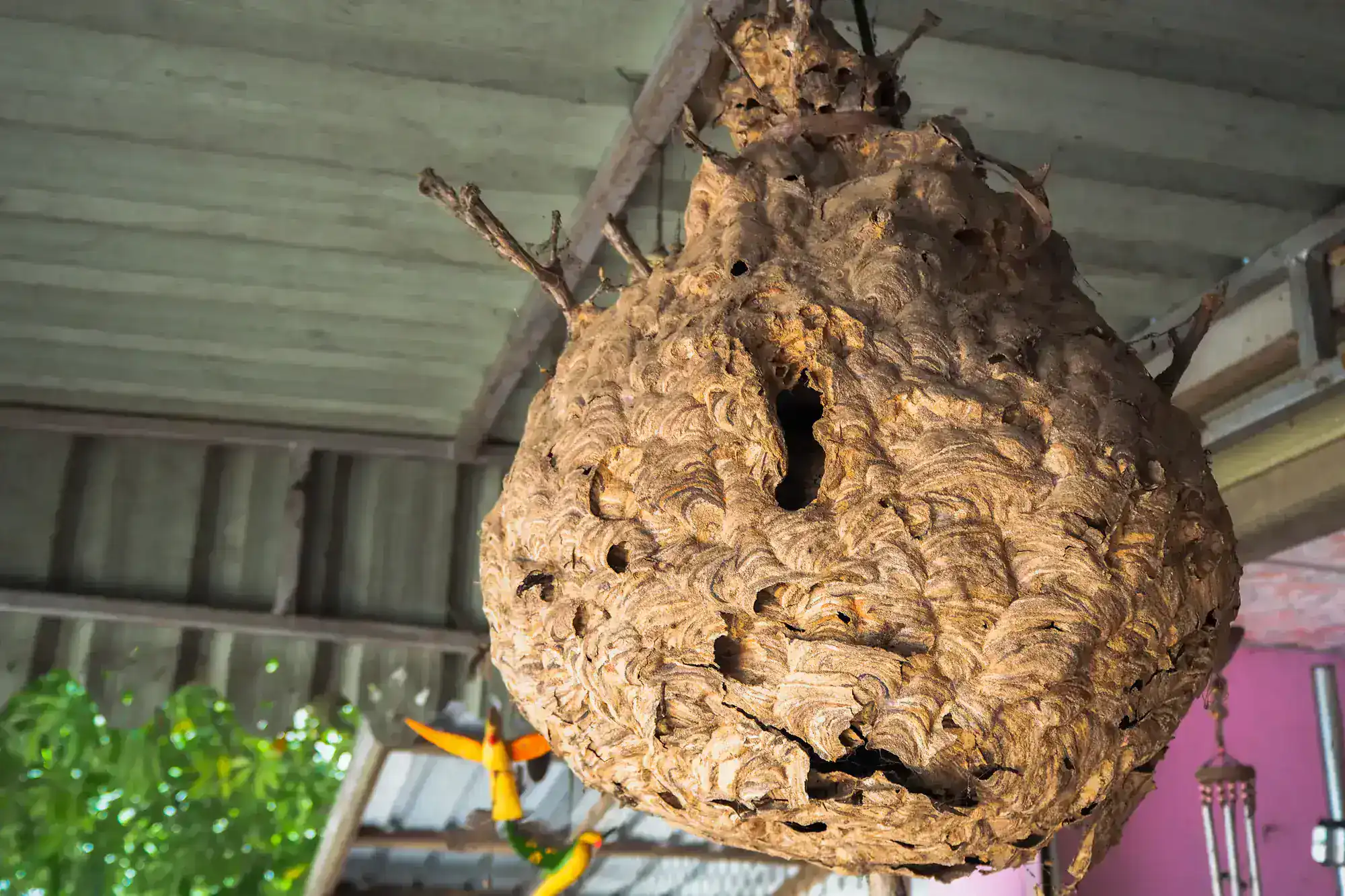
You stop planning your day around where the hornets are. No more avoiding the back porch, rerouting around the barn entrance, or keeping the kids inside because something the size of a basketball is hanging from your eave. That’s what professional hornet removal actually does — it gives you your property back.
For homeowners in Elsie and the surrounding area, that matters more than it might elsewhere. A lot of the homes here were built well before World War II, with wood siding, aging fascia, and attic spaces that give hornets easy access to wall voids. A can of hardware store spray aimed at the entrance hole doesn’t reach a colony that’s already inside your walls. It agitates them. A dust treatment applied by someone who knows what they’re doing does the job right — and doesn’t leave you with a bigger problem than you started with.
If you’re on a farm property in Duplain Township, the stakes are even higher. A nest that went unnoticed in a hay barn or equipment shed through the spring can hit several hundred workers by July. That’s not a DIY situation. It’s a safety issue — for you, your family, and anyone else working around that structure. Getting it handled early, or handled correctly when it’s already large, is what keeps a manageable problem from becoming a dangerous one.
We’ve been a Michigan family-owned business since May 31, 2005 — which makes 2025 our 20th year. Roger, who leads the company, brings 26 years of hands-on pest control experience to every job. That’s not a number pulled from a brochure. It’s two and a half decades of field work across Michigan properties, including the rural homes, farm outbuildings, and older housing stock that define Elsie and the surrounding Duplain Township area.
One thing that sets us apart in a real, practical way: you get the same technician every time. Not whoever’s available. Not a college student picking up summer hours. The same trained, experienced person who knows your property, knows your history, and shows up accountable. We hold Michigan Pesticide Application Business License #250081, carry IPM training certification from MDARD, and have earned awards from both Angie’s List and HomeAdvisor. Those aren’t claims — they’re verifiable credentials you can look up before you ever pick up the phone.
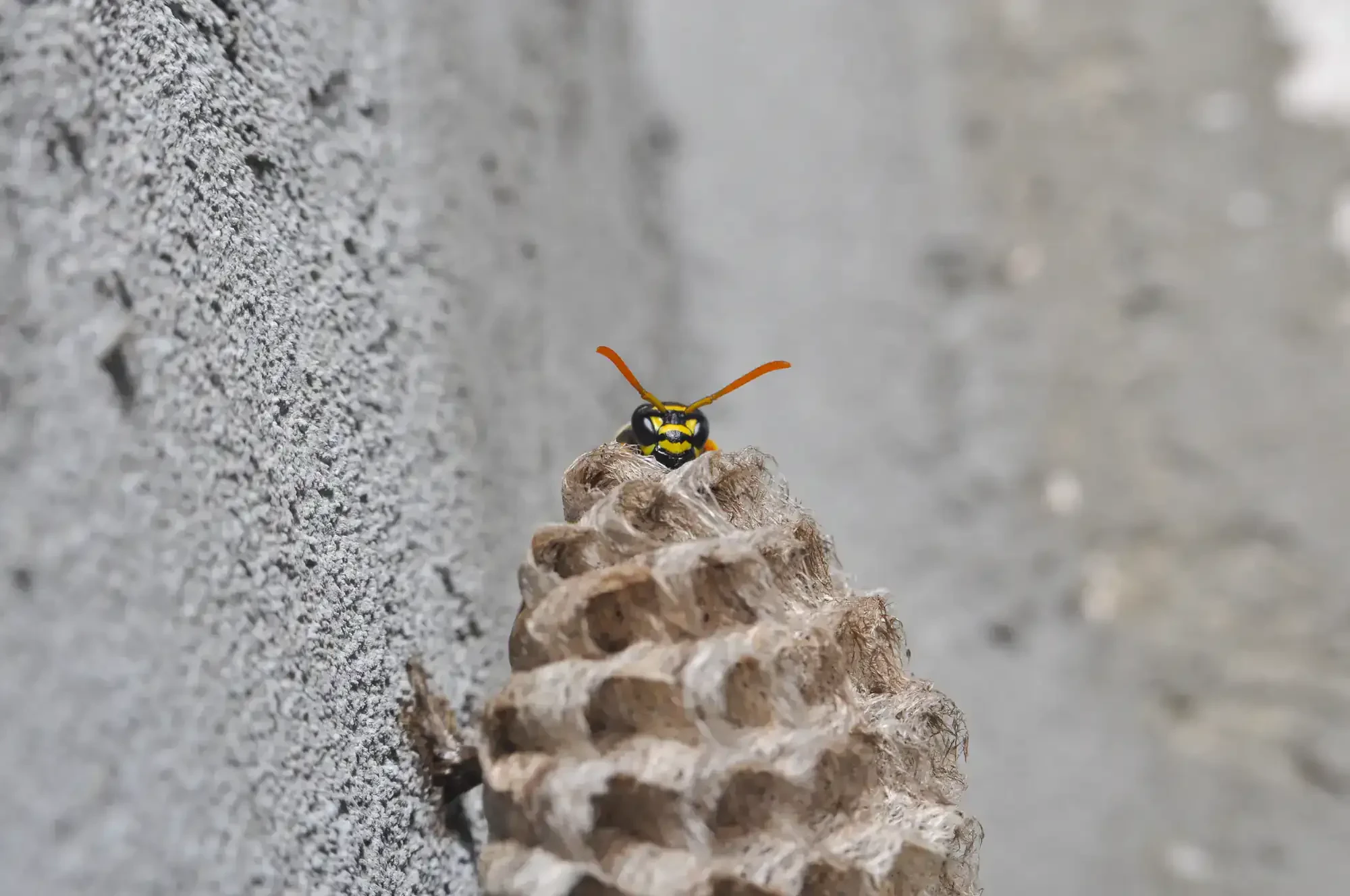
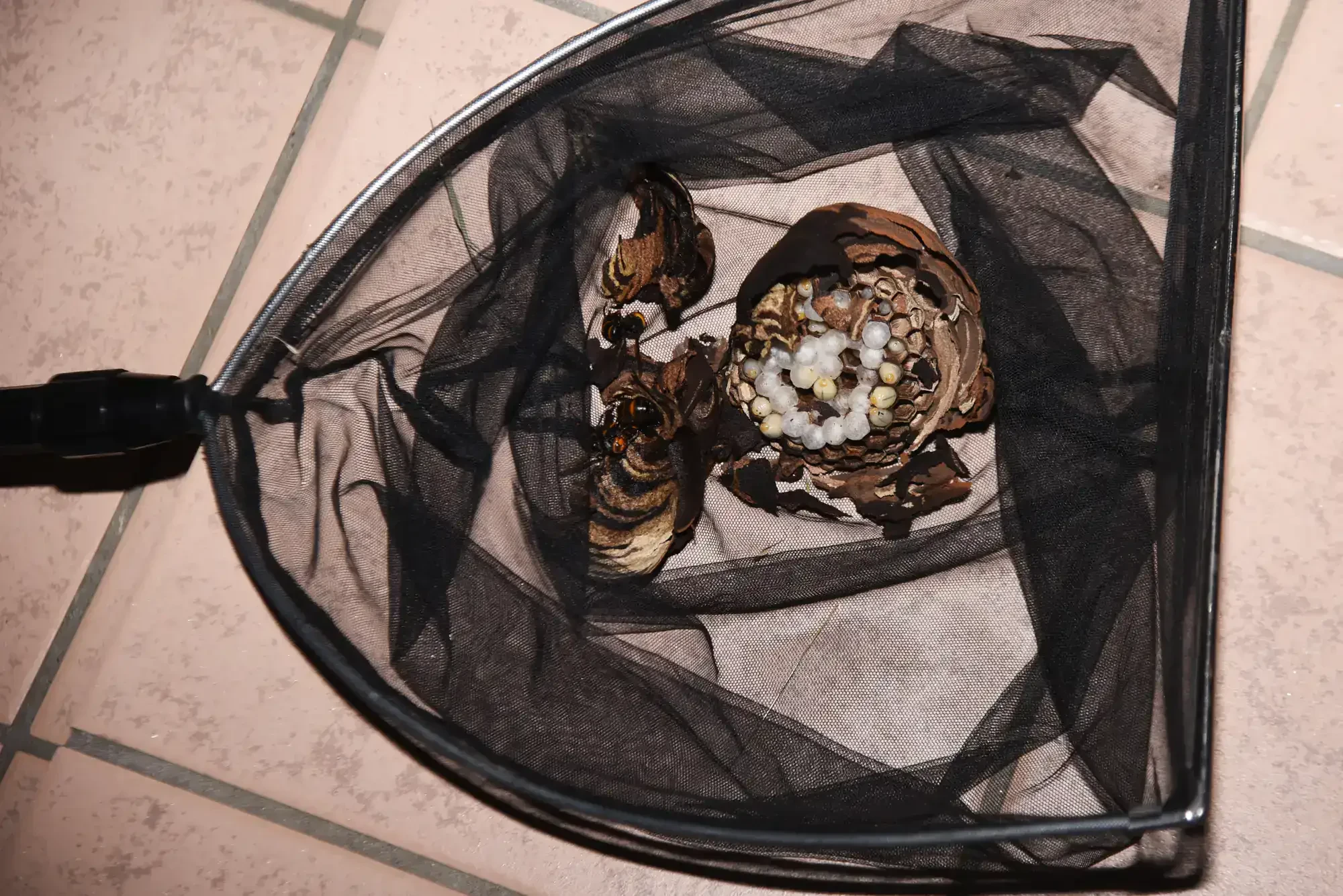
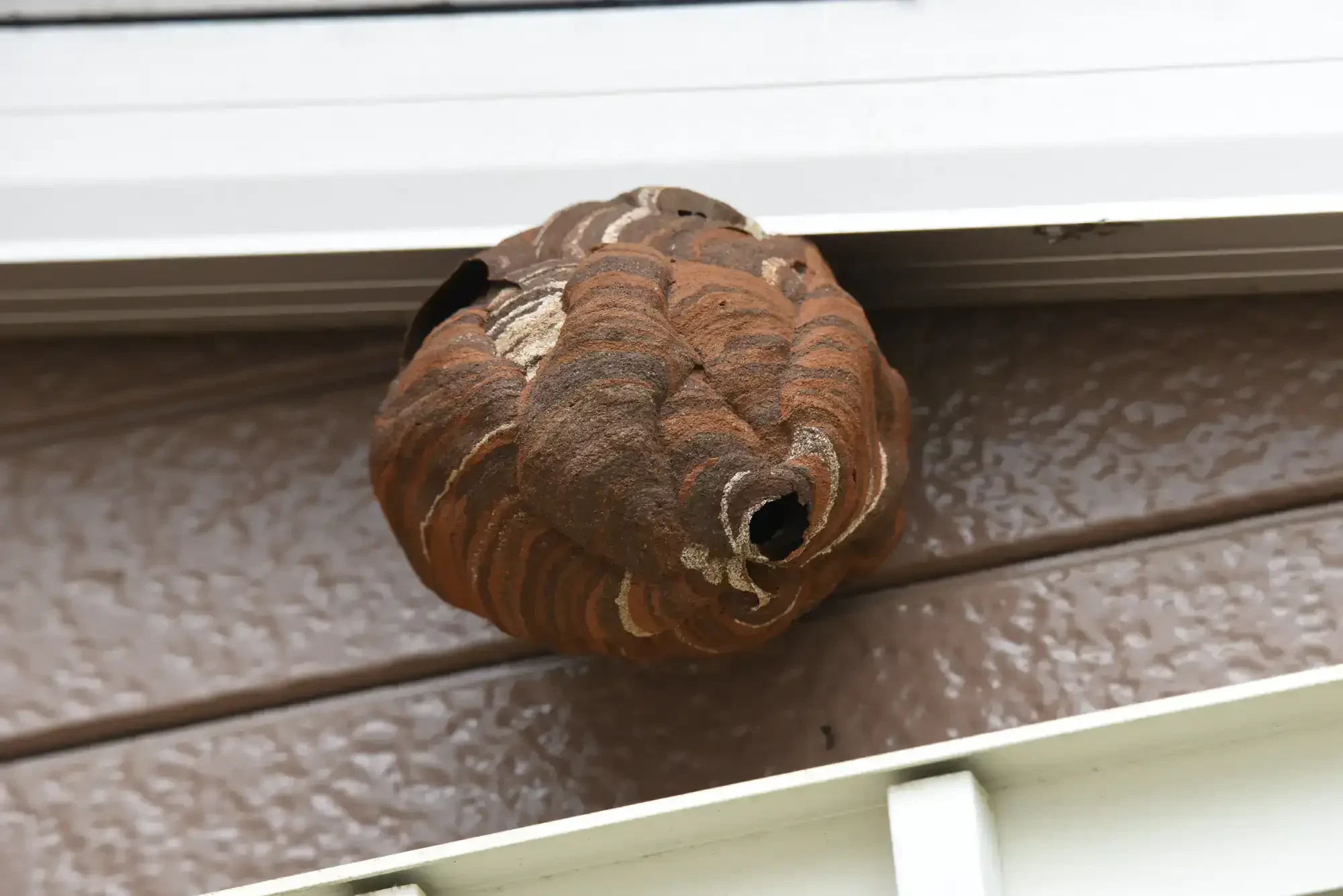
It starts with an assessment. When one of our technicians arrives at your Elsie property, the first step is figuring out exactly what you’re dealing with — species, nest location, size, and access. Bald-faced hornets build those large, papery enclosed nests you’ll often see hanging from trees or tucked under roof overhangs. European hornets are a different story — they’re active at night and tend to nest inside wall voids or rotting wood, which surprises a lot of rural homeowners who don’t realize what they have until the colony is well established.
Treatment method depends on what the assessment finds. An exposed exterior nest typically gets a direct aerosol application — fast and targeted. A nest inside a wall void, an attic space, or a barn cavity requires a professional-grade dust treatment that penetrates the space and reaches the colony without tearing into your structure. This is where experience matters. Applying the wrong method to the wrong situation doesn’t solve the problem — it relocates it.
After treatment, you’ll know what was done and why. If the job requires a follow-up visit, we come back at no additional cost. Michigan’s hornet season runs hard from late spring through early fall, and timing matters — a nest found in May is a fraction of the size it’ll be by the time summer heat arrives. Whenever you find it, though, we’re ready to move quickly.
Ready to get started?
We serve both residential and commercial customers in Elsie and throughout Clinton County — and that includes the kind of properties most pest control companies aren’t set up to handle well. Farm outbuildings, dairy barns, grain storage structures, older farmhouses along the Maple River corridor — these aren’t edge cases here. They’re the norm. Our technicians are trained and equipped to treat hornets wherever they’ve set up: in eaves, wall voids, attic spaces, tree lines, and the kinds of agricultural structures that don’t show up in a suburban pest control company’s playbook.
Every treatment plan is specific to your property and situation. We don’t apply a one-size-fits-all approach because a nest in a barn rafter and a nest inside a wall void on a 100-year-old farmhouse require completely different methods. IPM-trained treatment means we identify the pest accurately, assess the level of activity, and choose the most targeted option — which matters when you have children nearby, livestock on adjacent land, or pets that spend time outdoors.
Pricing is upfront and flat-rate. No surprise charges after the job is done. If you’ve already gotten a quote from another provider, we’ll match any reasonable competitor rate. Discounts are available for seniors, veterans, and first responders — and in a community like Elsie, where those groups are well represented, that’s a straightforward commitment, not a footnote.
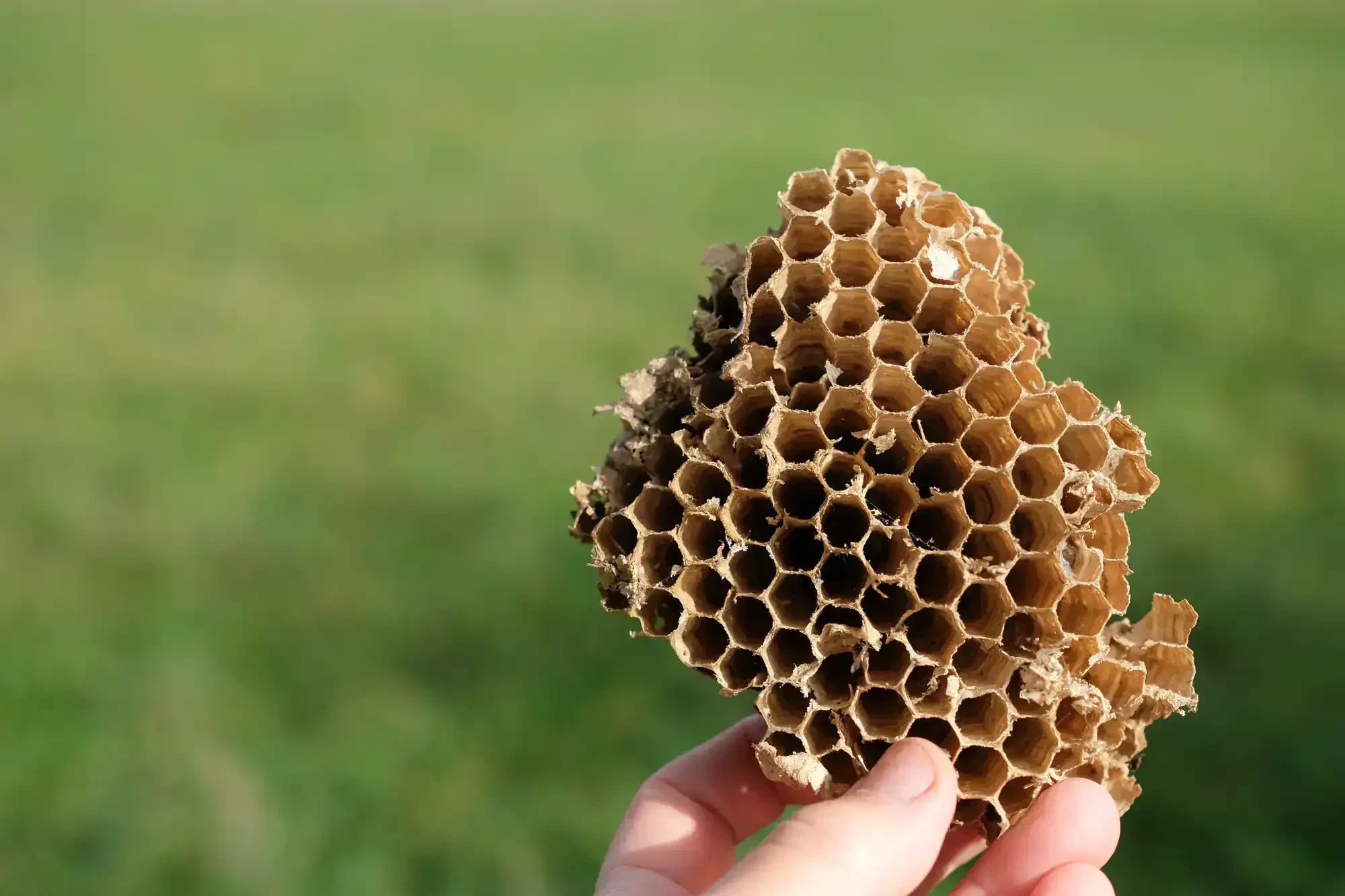
Yes — and they tend to be worse on agricultural properties than most homeowners expect. Clinton County has one of the highest concentrations of dairy farms in Michigan, and the landscape around Elsie is exactly what hornets look for: mature tree lines, woodlots, riparian vegetation along the Maple River, and plenty of outbuildings with open eaves, wall cavities, and unfinished interiors. Those structures are often visited infrequently enough that a colony can grow from a golf-ball-sized nest in May to something the size of a basketball by midsummer — without anyone noticing until it becomes a problem.
Bald-faced hornets are Michigan’s most common stinging insect and also the most aggressive when their nest is disturbed. On a working farm, that’s a real safety concern — not just for family members, but for anyone doing regular work around the property. If you’re finding increased hornet activity near a barn, shed, or outbuilding in the Elsie area, it’s worth having someone take a look before the colony gets any larger.
It does, and the distinction matters more than most people realize. Bald-faced hornets are technically a species of yellowjacket, but they behave differently — they build those large, enclosed papery nests you’ll see hanging from trees or attached to eaves, and they’re significantly more aggressive than common paper wasps. European hornets are larger, brownish in color, and active at night, which is why they often go undetected longer. They tend to nest in wall voids, tree cavities, or rotting wood — which is common in the older homes throughout Elsie’s housing stock.
Treatment varies based on species and nest location. An exposed bald-faced hornet nest on an exterior surface gets a direct aerosol application. A European hornet colony inside a wall void requires a dust treatment — insecticide in powder form pushed into the cavity — to reach the colony without opening up your wall. Using the wrong method doesn’t just fail to solve the problem; it can make the situation more dangerous. Accurate identification is the first step, and it’s something our trained technicians handle before any product is applied.
There’s no blanket answer, but for most situations — especially anything larger than a golf ball or located near an entry point, outbuilding, or wall void — calling a professional is the right call. Bald-faced hornets are Michigan’s most aggressive stinging insect. A single disturbed nest can send dozens of workers into attack mode within seconds, and unlike bees, hornets can sting multiple times. For anyone with a known allergy, that’s not a risk worth taking for the sake of a hardware store aerosol that may not even reach the colony.
For Elsie-area properties specifically, the challenge is often that nests are discovered late — inside a barn wall, under a grain bin roof, or in an attic space that doesn’t get checked until something goes wrong. By that point, the colony is large, the workers are numerous, and the margin for error is small. A licensed technician with the right protective equipment and professional-grade treatment options can handle that situation safely. DIY attempts on established colonies frequently result in partial treatment, an agitated colony, and a callback to a professional anyway — except now the job is harder.
The honest answer is as early as you find it. Hornet queens in Michigan emerge in April and May and start building nests that are small, manageable, and much easier to treat. By late June, the colony has grown substantially. By mid-July — right around when Elsie hosts its annual Dairy Festival and outdoor activity is at its peak — bald-faced hornet colonies are approaching full size and maximum defensive aggression. That’s when removal is most involved, most expensive, and carries the highest risk of stings during treatment.
That said, don’t wait if you’ve already found a large nest in July or August. Leaving it until fall isn’t a safe strategy — hornets become more defensive as the season winds down and food sources thin out. The colony will die off naturally in winter, but the nest itself can attract new queens the following spring if the site remains accessible. Early removal is ideal, but whenever you find the problem, getting it handled promptly is always better than waiting.
The most common sign is consistent activity around a single entry point — a gap in siding, a crack in a fascia board, a space around a utility penetration — without a visible exterior nest nearby. If you’re seeing hornets going in and out of your home’s exterior but can’t find a nest hanging anywhere, there’s a good chance they’ve established inside a wall void or attic cavity. You may also hear a faint buzzing or chewing sound from inside the wall, particularly in the evening when European hornets are most active.
This situation is more common in Elsie’s older housing stock than in newer construction. Homes built in the late 1800s and early 1900s — which make up a significant portion of the village — tend to have more gaps, aging wood siding, and attic spaces with limited insulation and multiple potential entry points. A wall void infestation isn’t something you can treat from the outside with a consumer spray. It requires a professional dust application to reach the colony inside the cavity. If you’re seeing the signs described above, the right move is to have a technician assess it before the colony grows any larger.
Yes — we offer discounts for seniors, military veterans, and first responders. Elsie is the kind of community where those groups aren’t a small demographic footnote. The village skews older, with a median age of 42 and a median age for women over 50, and rural Michigan communities have historically had strong representation among veterans and people who’ve spent careers in public service. The discounts reflect that reality, not a marketing checklist.
If you’ve already received a quote from another provider, we’ll also match any reasonable competitor rate. Pricing is flat-rate and communicated upfront before any work begins — so there are no surprises when the job is done. If you’re a senior homeowner on a fixed income, a veteran who farms in Duplain Township, or a first responder with a nest situation that needs handling, call and ask about what’s available. It’s a straightforward conversation.
Useful Links
Other Services we provide in Elsie