
Hear from Our Customers
A wasp nest in the wrong place doesn’t just cause anxiety. It makes the dock unusable, keeps the kids inside, and turns your backyard into something you’re managing around instead of enjoying. That’s a real problem when you chose Seven Harbors specifically for the outdoor life — the lake access, the water views, the long summer evenings on the deck.
What changes after professional wasp nest removal is straightforward: you stop planning your day around where the nest is. The dock is yours again. The patio furniture gets used. The kids can run the yard without you watching every step they take near the edge of the bank.
For homes along Duck Lake Road — especially the older converted cottages that make up a big portion of the Seven Harbors community — yellow jackets have a way of finding their way into wall voids, under deck boards, and inside dock posts before you even realize there’s a colony forming. Catching it early matters. But even when a colony is already established and aggressive, the right treatment clears it completely, seals the entry points, and breaks the cycle before next season starts.
We’ve been serving Seven Harbors and Highland Township since May 31, 2005. That’s twenty years of Michigan wasp seasons, lakefront properties, and older cottage construction — the kind of local experience that actually changes how a job gets done.
Roger, who founded the company and leads every service program, brings 26 years of hands-on pest control experience to the work. He’s not sending a rotating crew of seasonal workers to your home. We keep the same technician on your account year after year, which means the person who treats your property this summer will know your dock layout, your pets, and your family’s situation the next time you call.
We hold Integrated Pest Management training certifications, Angie’s List and HomeAdvisor awards, and full Michigan MDARD licensure — including the credentials required for treatment near the water bodies that define Seven Harbors. For residents near Duck Lake and White Lake, that’s not a small thing. It means the treatment applied near your shoreline is chosen with environmental awareness, not just convenience.
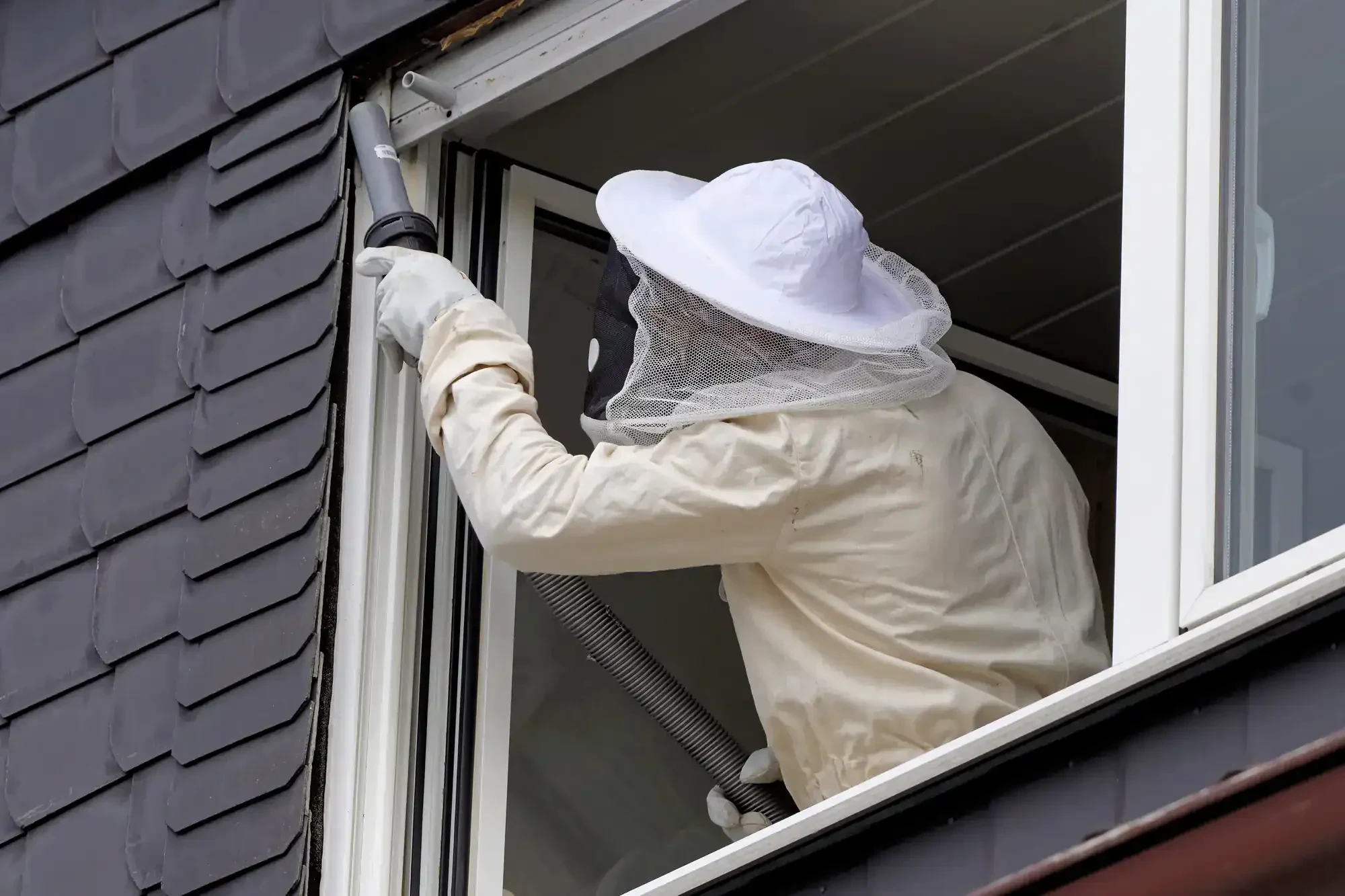
It starts with a full property inspection. Not just a look at the nest you already found — a real walkthrough of your property to locate every active colony. In Seven Harbors, that means checking under dock boards, inside dock posts, behind boat lift canopies, along the foundation, in soffit gaps, and in the wall voids that are common in the older cottage-style homes throughout the community. Yellow jackets especially are good at hiding. The nest you can hear buzzing in the wall isn’t always the only one.
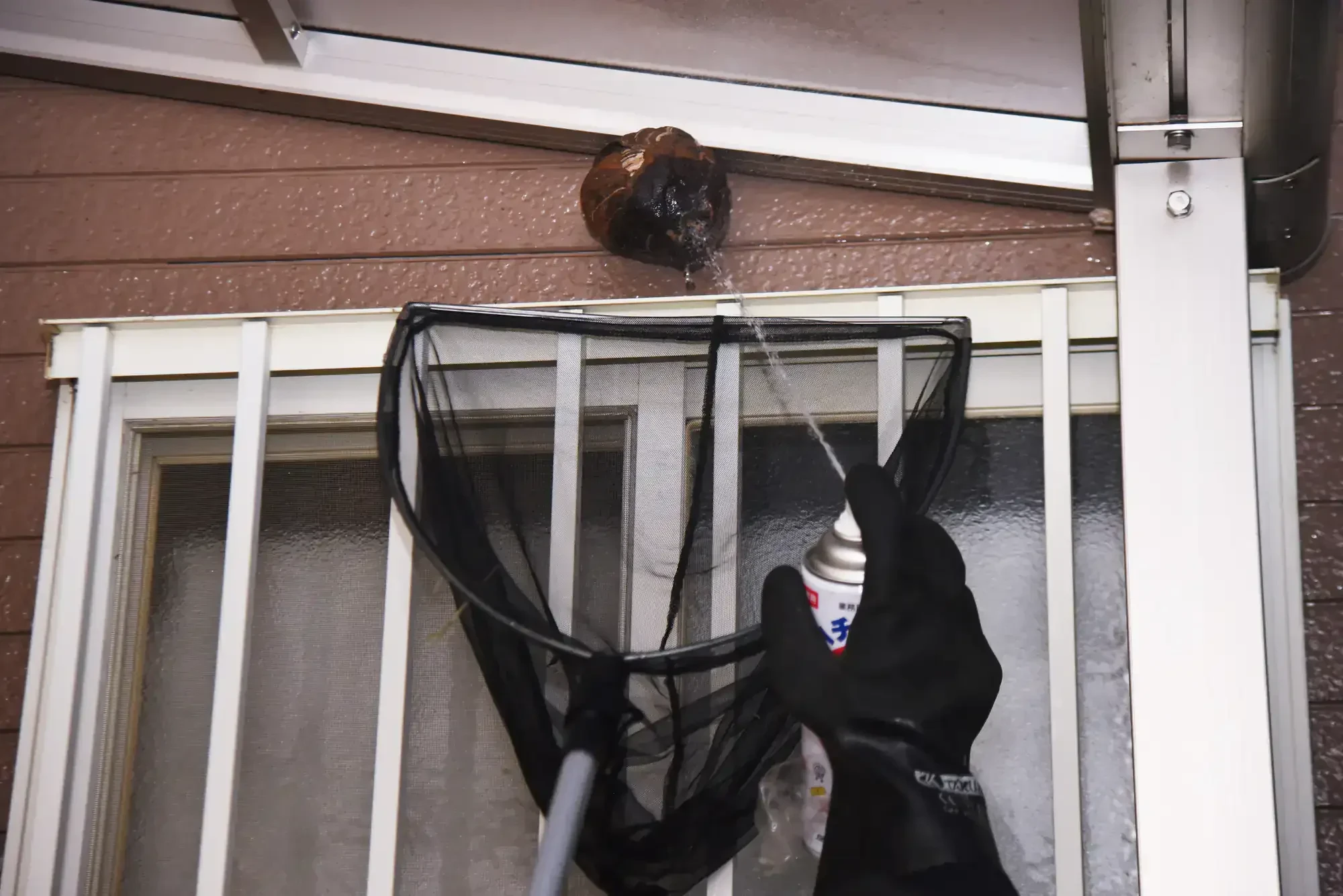
Once every active nest is identified, we apply treatment with precision. For waterfront properties on Duck Lake and White Lake, that means selecting products and application methods that comply with Michigan’s regulations for pesticide use near water bodies. A licensed, IPM-trained technician knows the difference. A hardware store spray can doesn’t come with that awareness.
After treatment, we remove the physical nest structure where accessible and seal entry points to prevent a new colony from moving into the same location next season. Yellow jackets don’t reuse old nests, but they absolutely reuse favorable spots — and the wall voids and dock structures in Seven Harbors homes are exactly the kind of protected, warm cavities they return to. Sealing those entry points after treatment is what separates a one-time fix from a long-term solution. If wasps return after the service, we return too.
Ready to get started?
Wasp nest removal in Seven Harbors covers the full job — inspection, treatment, physical nest removal, and entry point sealing. There’s no partial service where you get sprayed and left to wonder if it worked. The goal is a resolved problem, not a managed one.
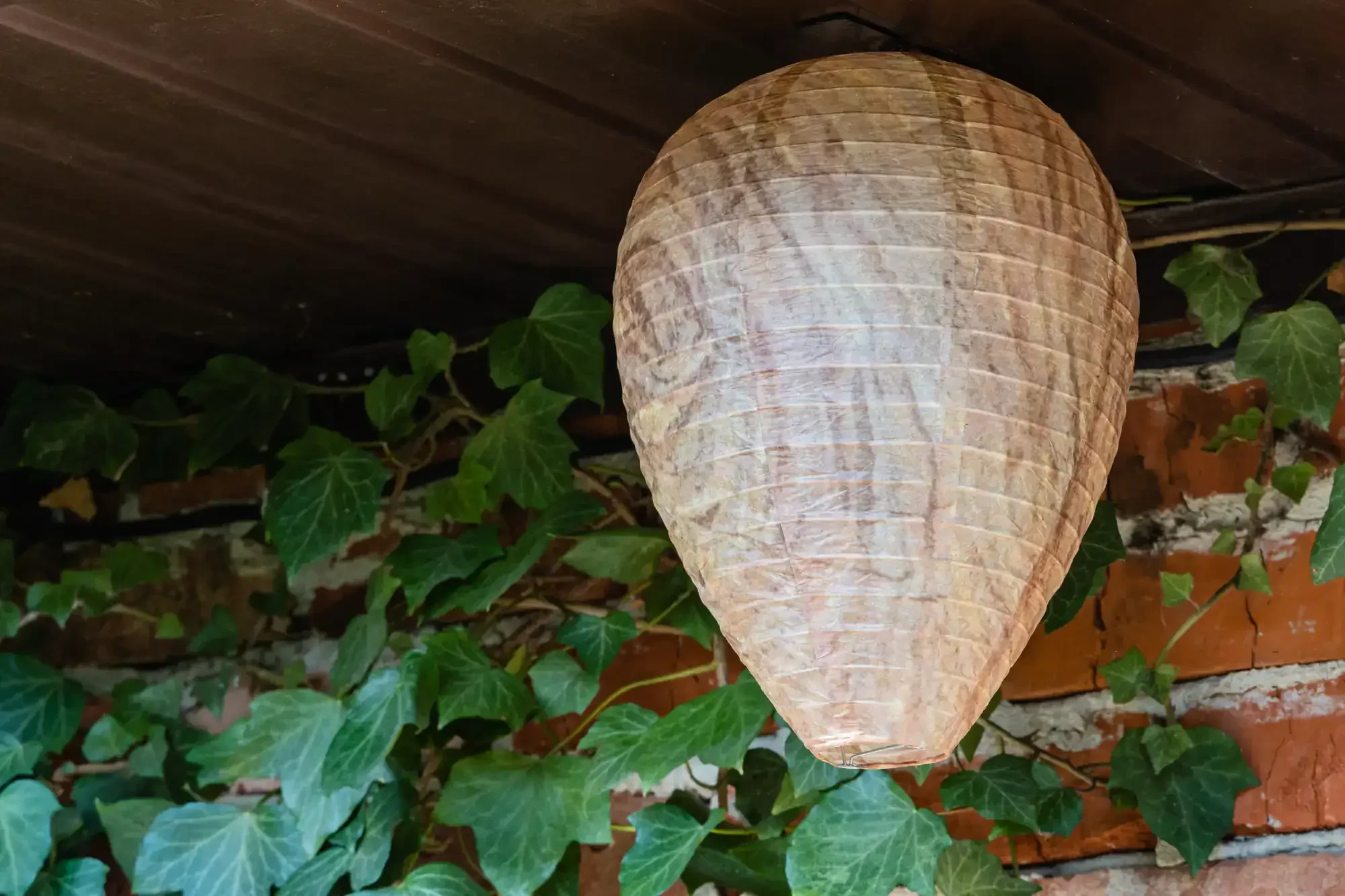
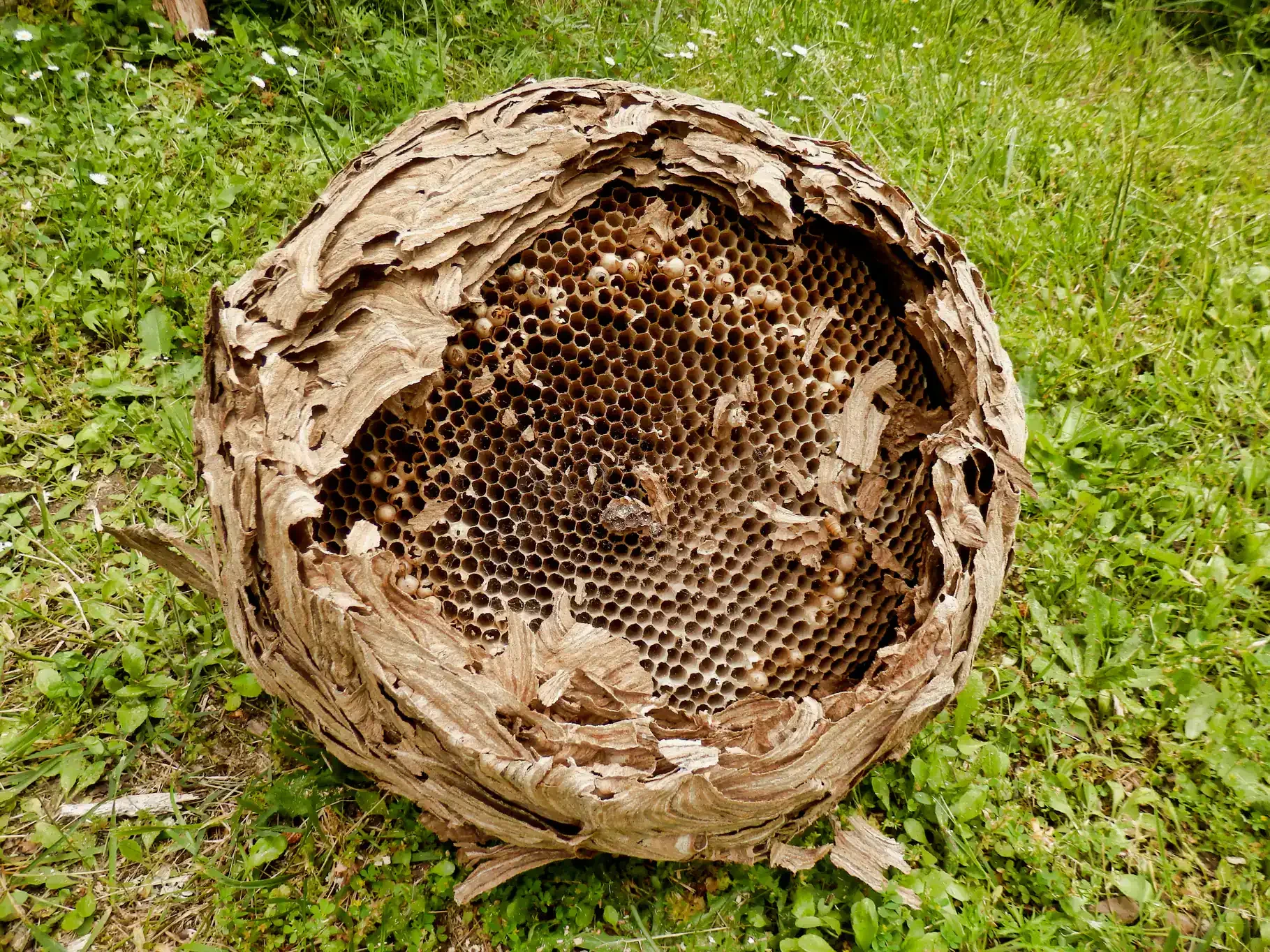
We handle all the common stinging insect species found in western Oakland County: paper wasps nesting under eaves, deck boards, and dock canopies; yellow jackets building in ground cavities, wall voids, and the hollow infrastructure of older lake homes; and bald-faced hornets establishing large paper nests in the mature tree canopy common throughout the Highland Township area. Each species behaves differently and requires a different approach — knowing which one you’re dealing with changes the treatment entirely.
For Seven Harbors residents, our service also includes honest guidance on what to watch for going forward. The community’s mix of wooded lots, waterfront structures, and older construction creates above-average pest pressure. Understanding where colonies are likely to form — and when Michigan’s peak season (August through September) makes yellow jackets most aggressive — helps you stay ahead of the problem rather than reacting to it. We offer price matching for reasonable competitor rates, and discounts are available for seniors, veterans, and first responders in the Seven Harbors community.

This is one of the most common concerns we hear from Seven Harbors homeowners, and it’s a fair one. Treating a wasp nest on or near the shoreline of Duck Lake or White Lake isn’t the same as treating a nest in a suburban backyard. Michigan has specific regulations governing pesticide application near water bodies, and those rules exist for good reason — the wrong product or application method near open water can cause unintended harm to the lake ecosystem.
Our technicians are fully licensed by the Michigan Department of Agriculture and Rural Development and hold Integrated Pest Management training certifications. That means every product and application method we use near your waterfront is selected with those regulations in mind. We use targeted treatments appropriate for lakefront environments — not broad-spectrum sprays applied carelessly near the water. If you have a nest on your dock, under your boat lift canopy, or along the shoreline, a licensed professional is the right call. A general handyman or a DIY spray is not.
The honest answer is that most homeowners can’t tell with certainty from a distance, and trying to get close enough to find out is how most stings happen. What you can pay attention to is behavior and location. Yellow jackets tend to nest in the ground, in wall voids, and in the hollow spaces of older structures — which describes a lot of the converted cottage-style homes throughout Seven Harbors. They’re also the ones most likely to become aggressive in late summer when their colony is at peak size and natural food sources start declining. Paper wasps are generally less aggressive and tend to build the small, open-comb nests you’ll see under eaves, deck boards, and dock canopies. Bald-faced hornets build the large, gray, football-shaped paper nests you might spot in the tree canopy on wooded lots throughout Highland Township.
The species matters because the treatment approach differs. Ground nests, wall voids, and aerial nests each require different products and methods. Rather than guessing, a professional inspection identifies exactly what you’re dealing with before any treatment is applied — which means the job gets done right the first time.
August and September are the peak danger months, and that timing hits especially hard in a community built around outdoor summer living. By late summer, yellow jacket colonies in Michigan can reach anywhere from 5,000 to 15,000 workers. At the same time, natural food sources start declining, which makes them more aggressive and more likely to scavenge around outdoor dining areas, docks, and anywhere food or sugary drinks are present. For Seven Harbors families trying to get the last few weeks of lake season in, that’s the worst possible window to have an untreated colony near the water.
The good news is that spring is the optimal treatment window. Queen wasps emerge from overwintering sites in April and May — often from the same wood siding, attic spaces, and dock structures where they spent the winter — and begin building new nests when colonies are small and easier to treat. Calling early in the season costs less and involves far less risk than waiting until August when the colony is at full strength. If you’ve noticed wasp activity around your property as the weather warms up along Duck Lake Road, that’s the right time to act.
Yellow jackets don’t reuse old nests, but they absolutely return to the same favorable locations — and the older construction common throughout Seven Harbors creates a lot of those locations. Gaps in aging wood siding, unfinished crawl spaces, hollow dock posts, spaces behind fascia boards, and soffit openings in converted cottages are exactly the kind of protected, warm cavities that wasps exploit for nesting. If those entry points aren’t sealed after a nest is removed, a new queen will find the same spot next spring and start the cycle over.
This is the most common reason homeowners end up dealing with the same wasp problem year after year. Treatment without sealing is a temporary fix. We include entry point sealing as part of our service — not as an add-on — because removing the nest without addressing why the colony chose that location in the first place doesn’t actually solve the problem. If you’ve had a recurring wasp issue in the same area of your home or dock structure, that’s a strong sign that entry points were never properly sealed after a previous treatment.
Most residential wasp nest removal jobs in Seven Harbors take between one and two hours, depending on the number of nests, how accessible they are, and whether entry point sealing is involved. A single visible paper wasp nest under an eave is a straightforward job. A yellow jacket colony inside a wall void of an older cottage, or a ground nest along a wooded bank near the lake, takes more time to treat properly and safely.
Re-entry timing depends on the products used and where they were applied. We communicate this clearly and specifically after every service — not a vague “wait a few hours” but an actual timeline based on what was applied and where. For families with young kids and pets, that specificity matters. You’ll know exactly when the treated areas are safe to access again, and what to watch for in the hours after treatment. If you have specific concerns about children or pets before the service, mention it when you call — our technician can factor that into product selection and application method.
Yes. We offer discounts for seniors, veterans, and first responders. Seven Harbors is a multi-generational community — the Seven Harbors White and Duck Lake Association has been organized since 1947, and the neighborhood includes long-established residents alongside the younger families who’ve moved in over the past decade. A meaningful portion of the community falls into one of these categories, and the discount is a straightforward acknowledgment of that.
We also match reasonable competitor rates. If you’ve received a quote from another pest control company serving the Highland Township area, call with that number and we’ll work with it. You shouldn’t have to choose between a lower price and a company with 20 years of local experience, IPM-certified technicians, and a same-technician model that actually holds people accountable. When you call, ask about whichever discount or match applies to your situation — there’s no complicated process involved.
Useful Links