
Hear from Our Customers
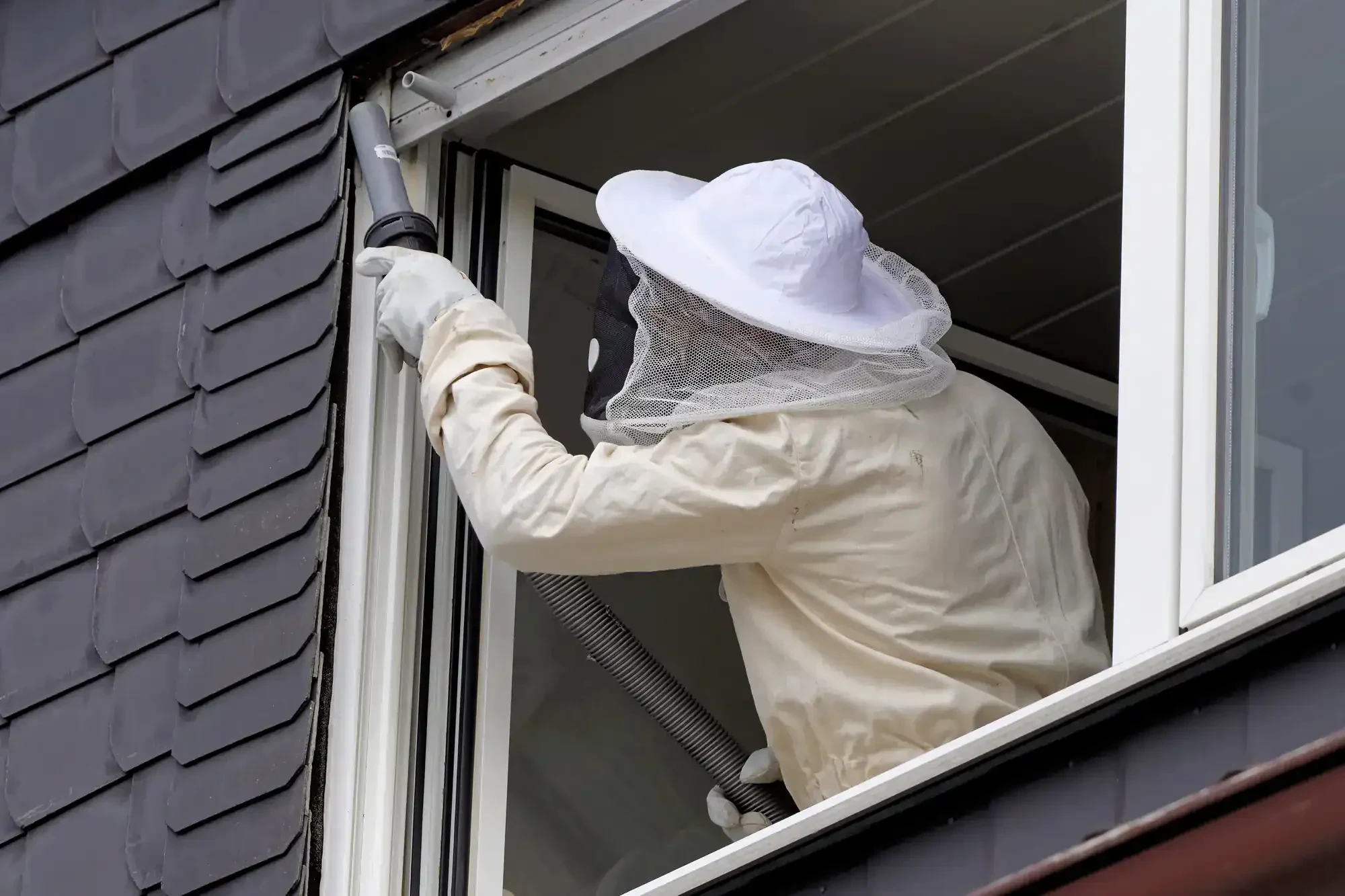
You stop dreading your own backyard. That sounds simple, but if you’ve been mowing around a ground nest or keeping the kids away from the back fence all summer, you know exactly what that’s worth. Professional wasp nest removal in Thetford Center means the colony is eliminated — not just irritated — and the entry points are sealed so they don’t rebuild in the same spot next season.
Out here in Thetford Township, properties aren’t small. Larger lots, outbuildings, woodlines, and overgrown fence rows give wasps plenty of places to get established before you ever notice them. By the time a colony is visible, it’s often been growing for weeks. Eastern yellowjackets love to nest in the ground along garden beds and lawn edges — exactly the kind of terrain that’s common on acreage properties throughout this township. Bald-faced hornets build large aerial nests in the tree canopies and shrub lines that border rural lots here. Left alone, those colonies can reach thousands of workers by late August.
Once the nest is removed and the area is treated, you get your property back. The garden, the yard, the outbuildings — all of it. And if you have kids, dogs, or livestock that spend time outside, that’s not a small thing. That’s the whole point.
We’ve been based in Swartz Creek since May 31, 2005. That’s twenty years of serving Genesee County homeowners — the same county, the same roads, the same pest pressures that hit Thetford Center every summer without fail. Roger Chinault founded this company and still leads it today with 26 years of hands-on experience. This isn’t a franchise with rotating crews. You get the same technician assigned to your property year after year — someone who knows your place, not someone reading your address off a screen for the first time.
Thetford Township is rural. The roads aren’t always paved, the properties aren’t cookie-cutter, and a lot of the homes out here have older construction with the kind of gaps and aging wood that wasps find immediately. That’s not a problem for a company that’s been doing this work in Genesee County for two decades. We hold Integrated Pest Management training credentials, have earned recognition from both Angie’s List and HomeAdvisor, and serve both residential and commercial customers — no binding contracts, no pressure, just honest work.
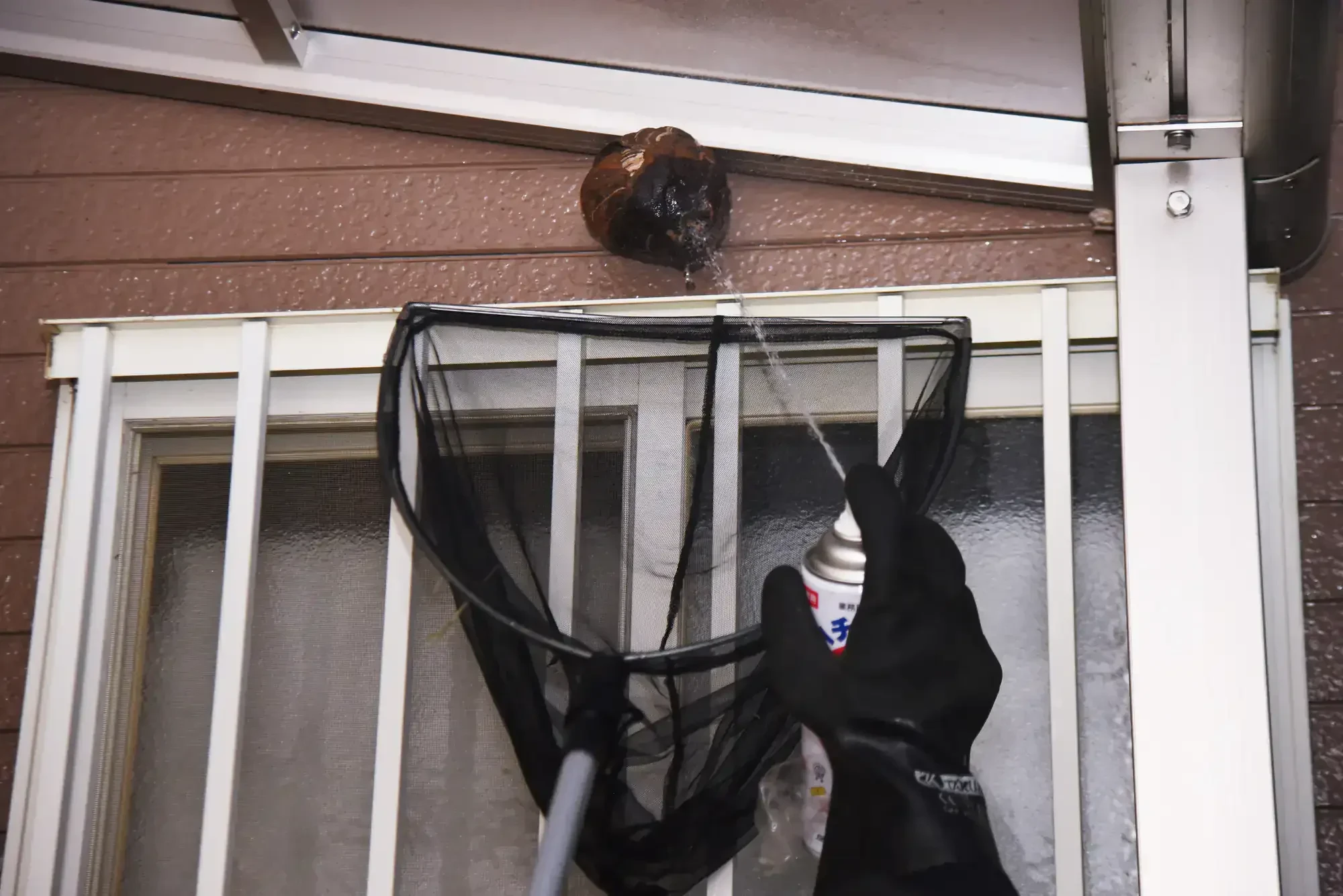
It starts with a proper inspection. Before anything gets treated, our technician identifies the species, locates the nest, and assesses how established the colony is. That matters more than most people realize — a paper wasp nest under a deck eave is handled differently than a yellow jacket ground colony in your garden or a German yellowjacket that’s pushed into a wall void in an older farmhouse. Getting that identification right is what separates a permanent fix from a temporary one.
Once the nest is located and the species is confirmed, we apply treatment directly and precisely. We use an IPM-trained approach, which means targeted application where it’s needed — not a broad chemical spray across your whole yard. For Thetford Center properties with pets, gardens, or livestock nearby, that precision matters. After the colony is eliminated, the nest is physically removed and entry points are sealed to cut off the return path.
Michigan’s wasp season peaks hard in August and September. By that point, yellow jacket colonies in this part of Genesee County can reach several thousand workers, and they get aggressive as natural food sources thin out heading into fall. If you’re calling in late summer, the colony is likely at or near full size — that’s exactly when professional treatment is worth the most. And if wasps return after the job is done, we come back at no extra charge.
Ready to get started?
Our wasp nest removal service covers the full job — not just a spray and a handshake. The service includes species identification, targeted treatment of the active colony, physical removal of the nest structure after elimination, and sealing of entry points to prevent re-nesting. For properties in Thetford Township with older farmhouses, barns, detached garages, or sheds, that last step is especially important. Aging wood siding, open soffits, and gaps around fascia boards are exactly where German yellowjackets establish wall void colonies — and sealing those entry points after treatment is what keeps them from coming back the following spring.
We serve both residential and commercial customers throughout Genesee County, which means if you’re managing a rural business property, a farm outbuilding, or a rental property along Center Road or Vienna Road, this service applies to you too. Stinging insect species we treat include paper wasps, yellow jackets, bald-faced hornets, and ground-nesting colonies. Pricing is transparent upfront, and we’ll match any reasonable competitor’s rate — so if you’ve already gotten a quote from another Genesee County exterminator, bring it. Seniors, veterans, and first responders also receive a discount, no questions asked. No binding contracts. If the wasps come back, so does the technician.
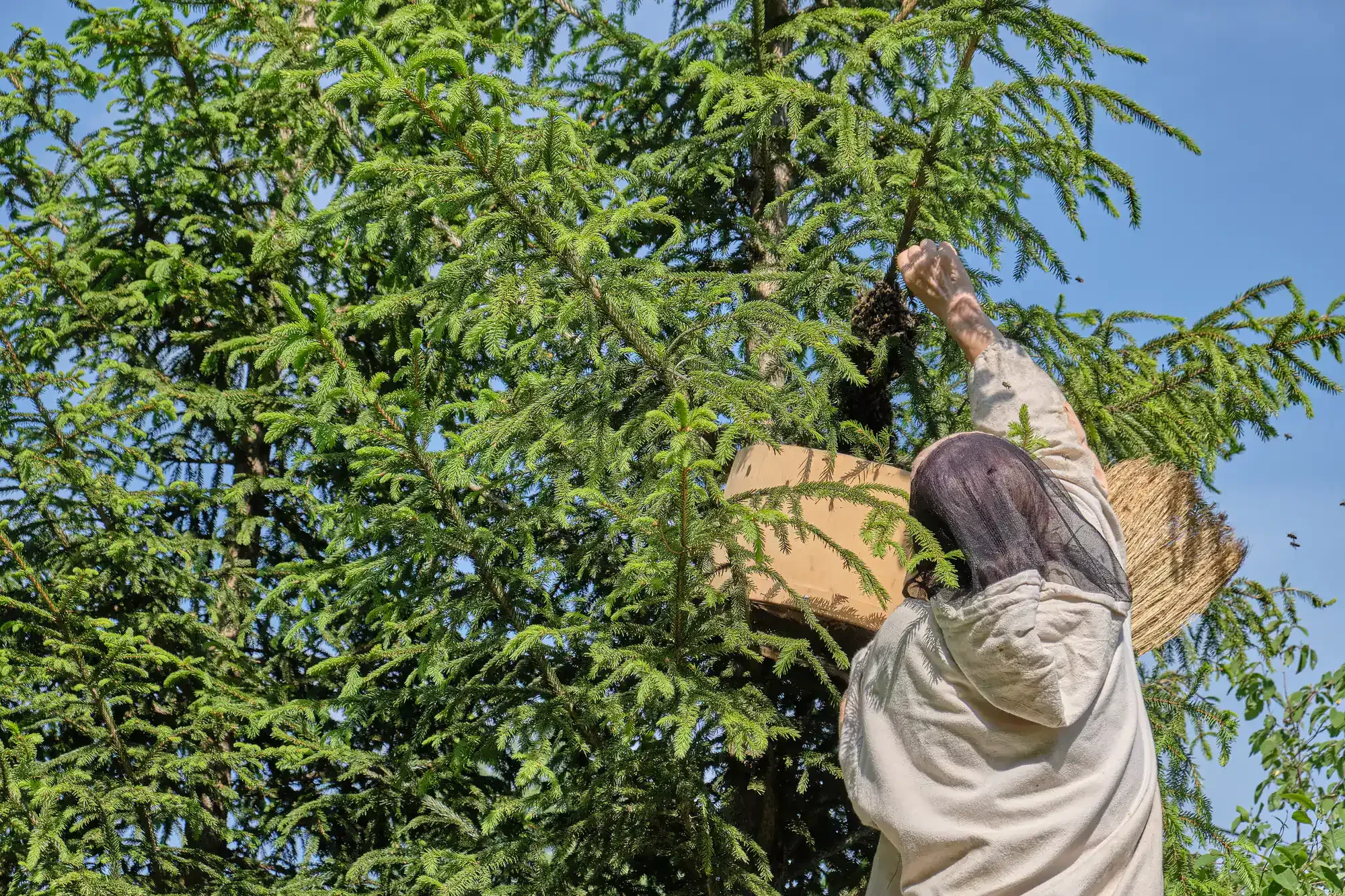
The most common stinging insects on Thetford Township properties are eastern yellowjackets, German yellowjackets, paper wasps, and bald-faced hornets. Eastern yellowjackets are ground nesters — if you’re seeing wasps disappearing into a hole in your lawn, garden bed, or near a woodpile, that’s almost certainly what you’re dealing with. German yellowjackets prefer voids — wall cavities, attics, and the spaces inside older structures — and they’re particularly common in the aging farmhouses and outbuildings found throughout this part of Genesee County.
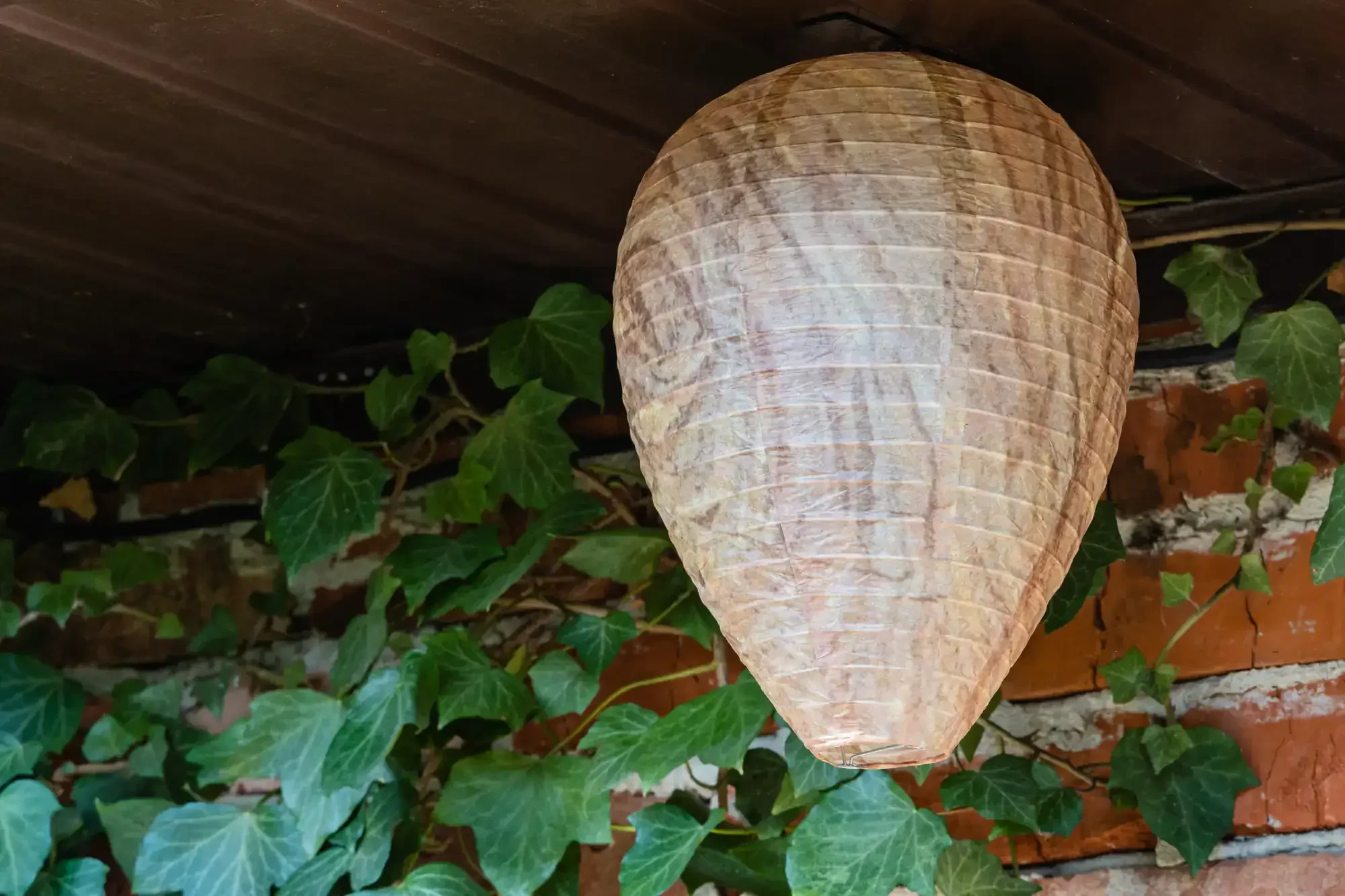
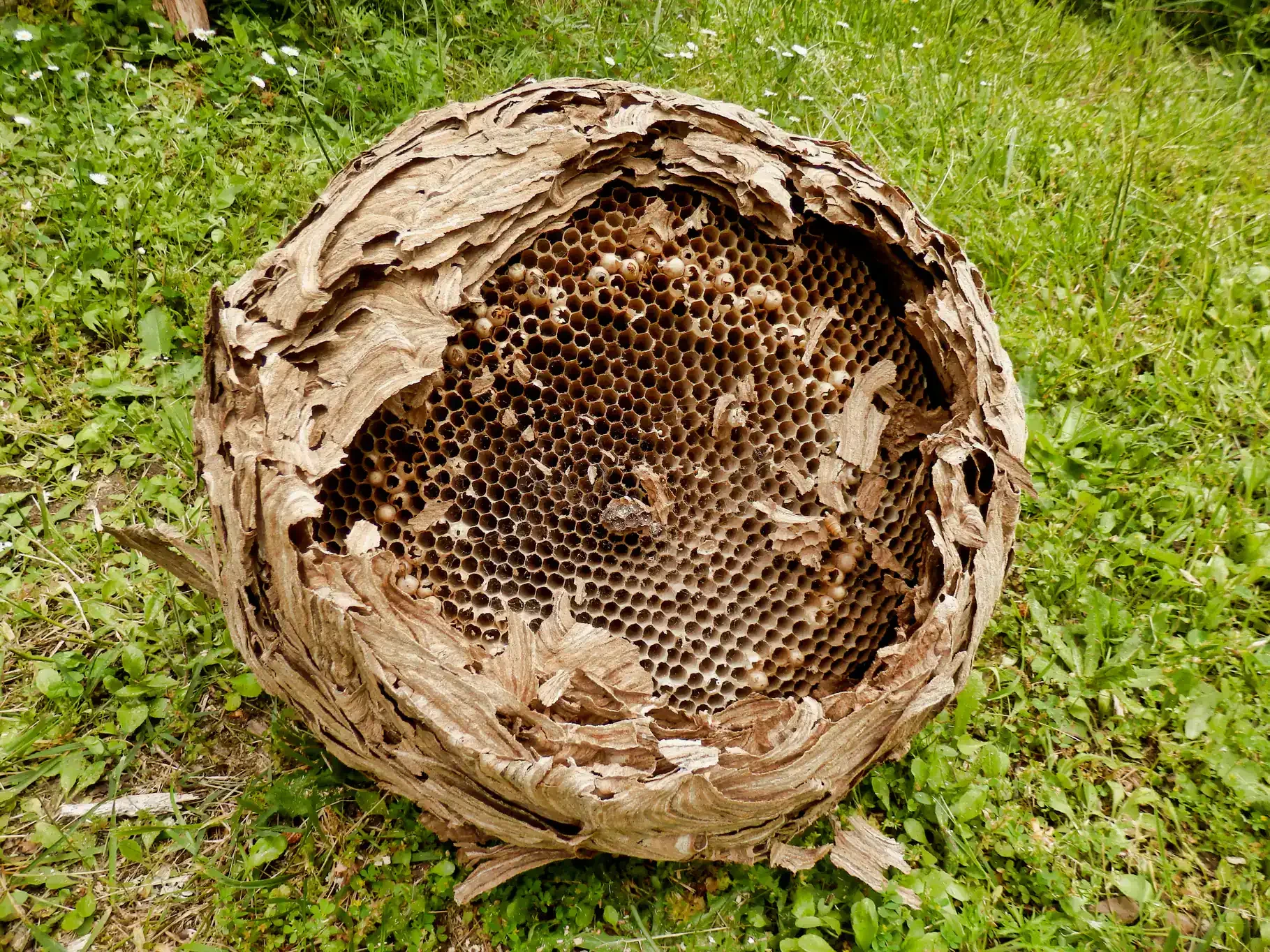
Paper wasps build the open, honeycomb-looking nests you typically see under eaves, deck railings, and in open sheds. Bald-faced hornets build the large, gray, papery aerial nests in trees and shrubs — often along the wooded fence lines and tree canopies that border rural properties here. The species matters because treatment approach, timing, and access all differ. A professional inspection removes the guesswork and makes sure the right method gets applied the first time.
Yes — when it’s done right. We use an Integrated Pest Management approach, which means treatment is applied precisely to the nest and the immediate surrounding area, not broadcast across your entire yard. For Thetford Center homeowners with vegetable gardens, fruit trees, dogs, or livestock, that precision is the difference between a safe outcome and one that creates new problems. Your technician will tell you exactly how long to keep people and animals away from the treated area before it’s safe to return — and that window is typically measured in hours, not days.
The bigger risk is leaving an active colony untreated. A yellow jacket ground nest near a garden or pet feeding station will only get more aggressive as the season progresses. By late summer, a colony that’s been building since May can have thousands of workers defending a nest you may not even be able to see. A targeted, professional treatment eliminates the colony quickly and cleanly — and the IPM approach ensures your garden and outdoor spaces aren’t collateral damage in the process.
It’s one of the most common calls we receive. Someone spots a nest, grabs a can of wasp spray from the hardware store, hits it from a distance, and either misses the queen entirely or agitates the colony without eliminating it. The result is usually a more aggressive nest in the same location — or workers that scatter and regroup somewhere harder to find. With ground nests especially, store-bought sprays rarely penetrate deep enough to reach the queen and the full colony structure underground.
The other issue is timing. If you spray in the middle of the day when foragers are out, you’re only hitting a fraction of the colony. Professional treatment accounts for colony behavior, nest depth, and species-specific biology to make sure the entire colony is addressed — not just the workers you can see at the surface. If you’ve already attempted a DIY treatment and the wasps are still active, that’s not a failure on your part — it’s just a job that requires professional tools and training. We can assess the current state of the nest and treat it effectively even after a failed DIY attempt.
Late August through mid-September is consistently the most dangerous window for wasp activity in this part of Michigan. That’s when colonies that started with a single queen in April have grown to their full size — yellow jacket colonies in Genesee County can reach 5,000 to 15,000 workers by peak season. At the same time, natural food sources start to decline heading into fall, which makes the workers more aggressive and more likely to sting without much provocation. If you’re eating outside, grilling, or just walking near a nest, that’s when the risk is highest.
For Thetford Center properties with gardens, compost areas, or fruit trees, late summer wasp pressure is especially pronounced. Those food sources draw foragers from a wide area, and once a colony establishes near a consistent food source, it grows fast. The best time to call is actually earlier in the season — June or early July — when the colony is smaller and easier to eliminate. But if you’re already in August and the nest is active, don’t wait. The colony won’t wind down on its own until the first hard frost, and that’s a long time to share your yard with thousands of aggressive wasps.
It can be, and it’s more common in Thetford Township than people realize. Older farmhouses and rural homes with aging wood siding, open soffits, or gaps around fascia boards give German yellowjackets easy access to wall cavities, attics, and crawl spaces. Once they’re inside a wall void, a standard exterior spray won’t reach the colony. The nest needs to be accessed and treated from the correct entry point — and in some cases, that means opening the wall to remove the nest structure entirely after treatment.
The reason wall void nests are a bigger deal isn’t just the treatment complexity — it’s what happens if you seal the entry point without eliminating the colony first. Workers that can’t exit through their normal opening will sometimes chew through interior drywall to find a new exit, which means you could end up with wasps emerging inside your living space. A professional assessment determines the nest location, the correct treatment approach, and whether the entry point needs to be sealed after the fact. We handle wall void colonies regularly throughout Genesee County and will walk you through exactly what the process looks like before any work begins.
Yes. We offer discounts for seniors, military veterans, and first responders. Thetford Township is a working community — homeowners who have spent careers serving others, whether in uniform, in emergency response, or simply in the decades of work it takes to maintain a rural property in Genesee County. Those discounts are a straightforward acknowledgment of that, and they apply to wasp nest removal just like any other service.
Beyond the discounts, we also match reasonable competitor rates. If you’ve already gotten a quote from another licensed exterminator serving the Clio or Thetford Center area, bring it — we’ll match it. There are no binding contracts, so you’re not committing to a recurring plan you didn’t ask for. The job gets done, the nest is gone, and if the wasps return after treatment, the technician comes back at no additional charge. For a household managing a larger rural property on a real budget, that combination — price matching, no contracts, and a callback guarantee — is worth knowing before you make the call.
Useful Links