
Hear from Our Customers
Webberville properties aren’t small. A lot of homes out here sit on generous lots with detached garages, sheds, or outbuildings — and that’s exactly where wasps and yellow jackets love to set up. A ground nest near your lawn edge or a paper wasp colony tucked under a barn overhang isn’t just an inconvenience. It’s a real hazard, especially when kids or pets are out in the yard.
Once the nest is gone, you get your property back. You can mow without watching every step. You can open the shed without bracing yourself. You can let the dog out without thinking twice. That’s the actual outcome — not just “pest control,” but the ability to use your own space again without anxiety.
Webberville’s mix of open pastureland, wooded edges, and older housing stock creates near-perfect conditions for both ground-nesting yellow jackets and wall-nesting species that work their way into aging soffits and enclosed porches. These aren’t problems that fix themselves. Left alone, a colony that starts small in June can reach thousands of workers by late August — and that’s when they get aggressive. Getting ahead of it early, or handling it fast when it’s already a problem, is what makes the difference between a manageable situation and a genuinely dangerous one.
We founded First Choice Pest Control on May 31, 2005 — which means 2025 marks 20 years of protecting Michigan homes. Roger Chinault, our founder and president, brings 26 years of hands-on pest control experience to every job. This isn’t a franchise. There’s no rotating cast of seasonal workers showing up at your door. The same trained technician handles your account year after year, which means they actually know your Webberville property — not just your address.
We hold an MDARD license, carry full insurance, and operate under Integrated Pest Management principles. That means our treatments are targeted and evidence-based — not a broad chemical blanket over your yard. We’ve earned recognition from both Angie’s List and HomeAdvisor, and we offer discounts for seniors, veterans, and first responders.
Webberville sits along the M-43 and M-52 corridor in eastern Ingham County — and we serve the full region, including the rural properties and farmstead-style homes throughout Leroy Township. If you’re out here, you’re in our service area.
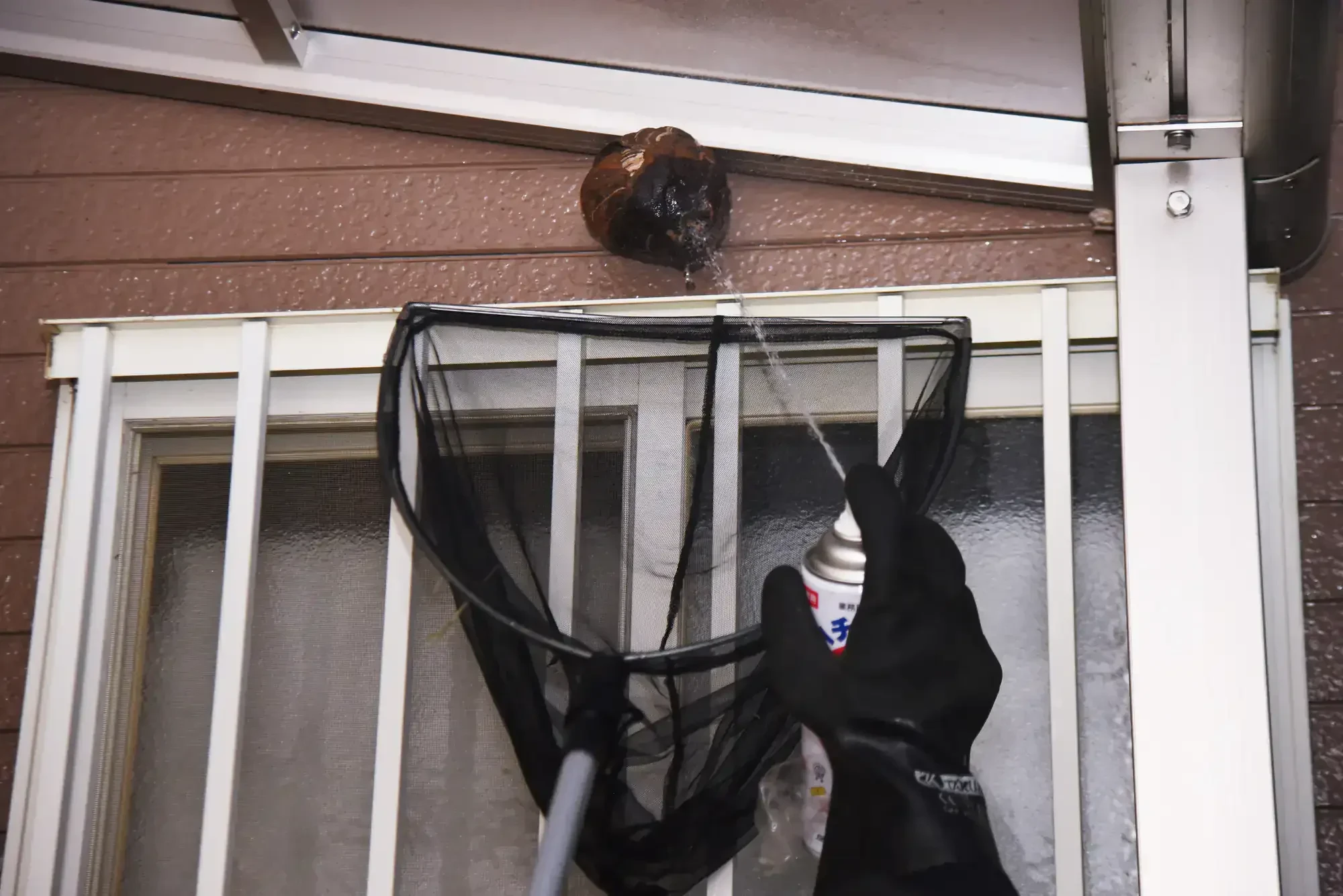
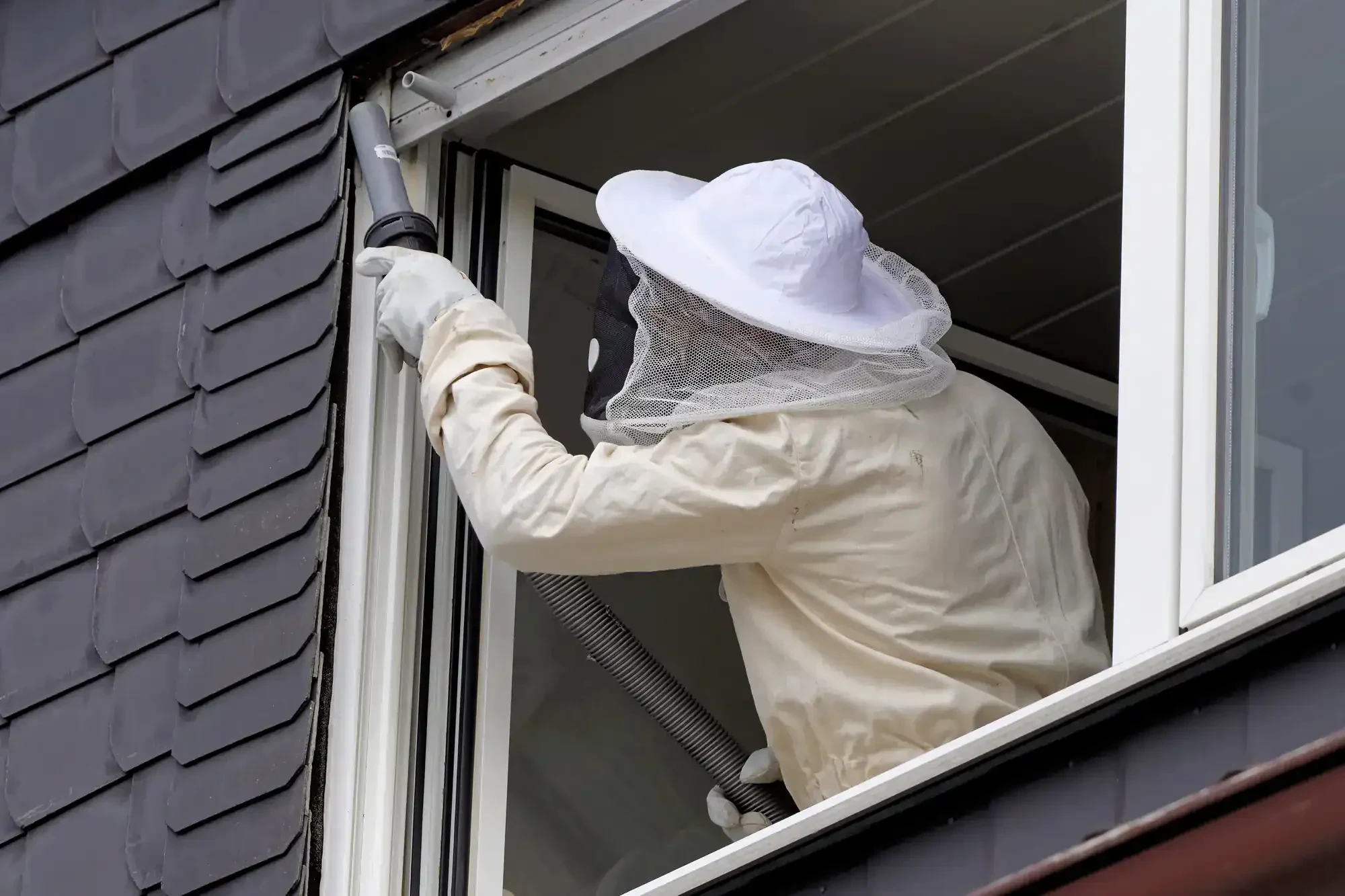
It starts with a full property inspection — not just a glance at the nest you already found. Webberville properties often have multiple structures: a main house, a detached garage, a shed, sometimes a barn. Each one gets looked at, because yellow jackets and paper wasps don’t limit themselves to the most visible spot. Ground nests near lawn edges, colonies in wall voids behind aging siding, and paper wasp nests under roof overhangs in outbuildings are all common finds out here — and all of them get addressed.
Once the nest is located and the species is identified, our treatment is targeted directly at the colony. The goal isn’t just to knock down what’s visible — it’s to eliminate the queen and the workers, remove the nest structure after treatment, and seal the entry point so the same spot doesn’t become a problem again next season. For wall void nests, which are especially common in Webberville’s older farmhouse and ranch-style homes, that entry point sealing step is critical.
Michigan’s wasp season peaks hard in August and September. By that point, a yellow jacket colony can have thousands of workers and very little tolerance for anything near the nest. If you’re calling during peak season, expect our technician to treat accordingly — with the right protective equipment, the right product, and a clear re-entry timeline so your family and pets know when it’s safe to be back outside.
Ready to get started?
Professional wasp nest removal in Webberville covers the full job — not just the surface of it. That means a complete property inspection, targeted colony elimination using professional-grade products applied by MDARD-licensed technicians, physical removal of the nest structure post-treatment, and entry point sealing to prevent re-nesting. For Leroy Township properties with multiple outbuildings or large lots, our inspection accounts for the whole property, not just the front of the house.
The species matters, and so does where they’re nesting. Ground-nesting yellow jackets — the ones you often find while mowing — require a different treatment approach than paper wasps under an eave or a German yellowjacket colony working its way through a wall void in an older home. Our technicians identify the species and the nesting site before treatment, so the approach is matched to the actual problem.
There are no binding contracts. If you need a one-time removal, that’s what you get. If you want ongoing protection, that’s available too — but it’s your call, not a condition of service. We also match reasonable competitor rates, so if you’ve already gotten a quote, bring it. Discounts apply for seniors, veterans, and first responders throughout the Webberville area. All pest control services are performed in compliance with Michigan MDARD licensing requirements — no shortcuts, no unlicensed applicators.
The most common sign is seeing wasps flying in and out of a specific spot in the ground — often near a lawn edge, a garden bed, or the base of an outbuilding. Yellow jackets that nest underground will defend the entrance aggressively if anything disturbs it, which is why so many Webberville homeowners discover a nest the hard way while mowing. You might also notice increased wasp activity near a shed or detached garage without seeing an obvious aerial nest — that usually means they’ve found a void or gap at ground level and are nesting inside a wall or beneath a structure.
If you’re seeing wasps consistently flying to and from the same location, that’s your signal. Don’t probe the area, pour water into it, or try to cover the entrance — all of those approaches agitate the colony without eliminating it. One of our trained technicians can confirm the species, locate the full extent of the nest, and treat it in a way that actually resolves the problem rather than scattering thousands of angry workers across your yard.
For a small, early-season paper wasp nest — say, a golf ball-sized nest under an eave with fewer than a dozen workers — some homeowners do handle it themselves with over-the-counter spray, ideally at night when wasps are less active. But that scenario is the exception, not the rule. Most wasp calls involve colonies that are already well-established, nesting in a hard-to-reach location, or both. A yellow jacket ground nest in late summer can hold thousands of workers. A wall void nest in an older Webberville home can push wasps through your drywall into your living space if treated incorrectly.
The real risk with DIY isn’t just getting stung — it’s agitating a large colony without eliminating it, which makes the situation significantly worse. Professional treatment uses the right products at the right concentrations, applied directly to the colony in a way that eliminates it rather than scattering it. If there’s any uncertainty about what you’re dealing with, or if the nest is in a wall, in the ground, or in an area where your family and pets spend time, professional removal is the smarter call.
Michigan’s wasp season follows a predictable arc. Queens emerge in spring and start new colonies from scratch — those early nests are small and relatively easy to treat. Through June and July, colonies grow steadily. By August and into September, yellow jacket colonies can reach 5,000 to 15,000 workers, and that’s when behavior shifts. Food sources start declining in late summer, colonies become territorial, and the same nest that was manageable in June becomes genuinely dangerous by August.
For Webberville specifically, the combination of open pastureland, wooded edges, and large residential lots means peak-season colonies have a lot of undisturbed ground to work with. Ground nests near lawn edges and the bases of outbuildings are most active and most aggressive during this window. If you’ve found a nest in August or September, don’t wait on it — that’s the highest-risk period, and the colony isn’t going to calm down on its own. After the first hard frost, workers die off and nests are abandoned, but wall void nests in older homes can push surviving wasps into living spaces as temperatures drop, which creates a different problem entirely.
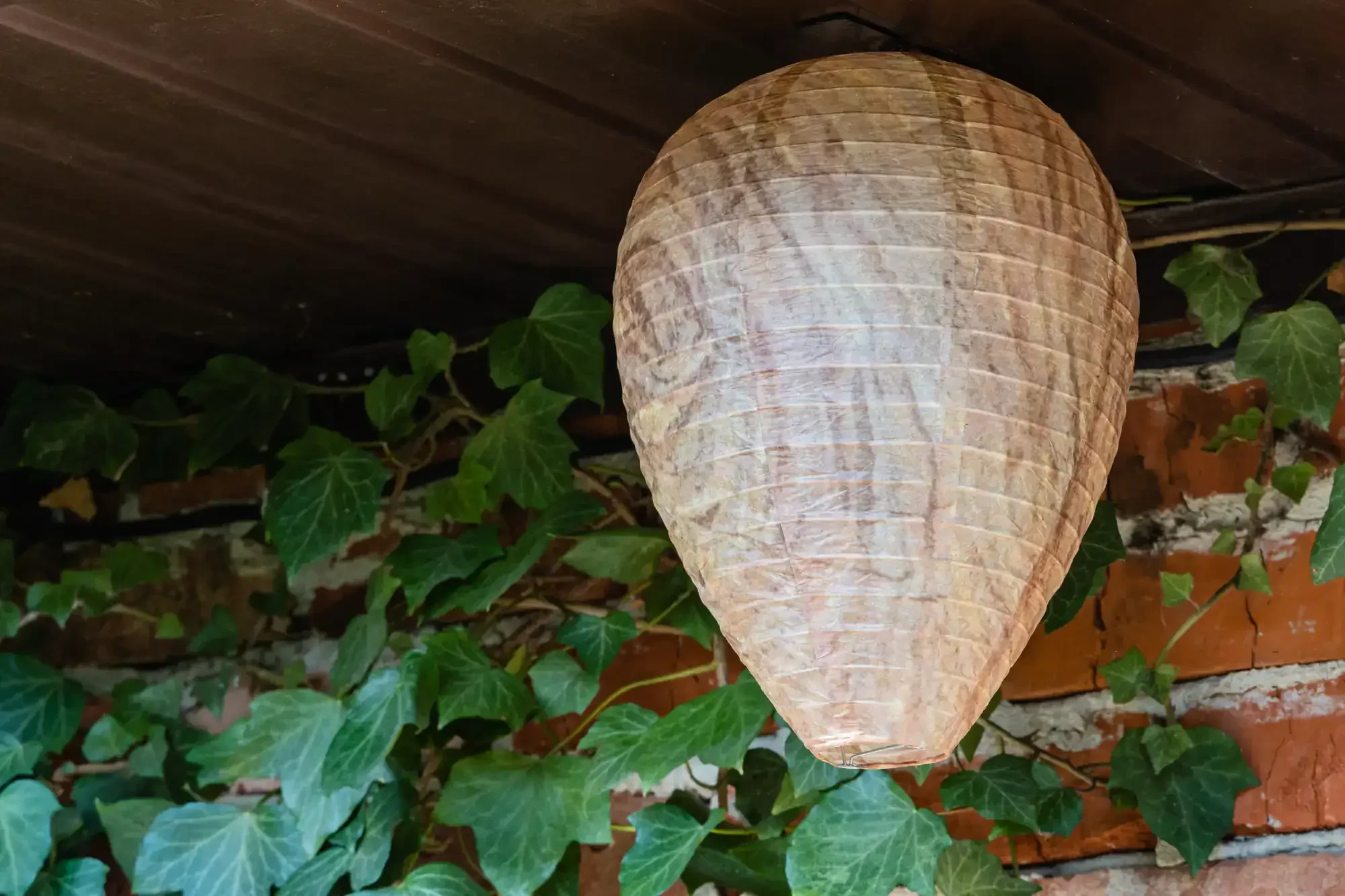
It matters a lot, actually — because the species determines where they nest, how aggressive they are, and what treatment approach works. Paper wasps build the open, umbrella-shaped nests you typically see under eaves, porch ceilings, and roof overhangs. They’re relatively docile unless the nest is directly disturbed. Yellow jackets are the ones most people in Webberville encounter as a serious problem — they nest in the ground, in wall voids, and in structural cavities, and they’re significantly more aggressive, especially in late summer. The German yellowjacket specifically targets wall voids and attics in older homes, which is worth knowing given Webberville’s housing stock.
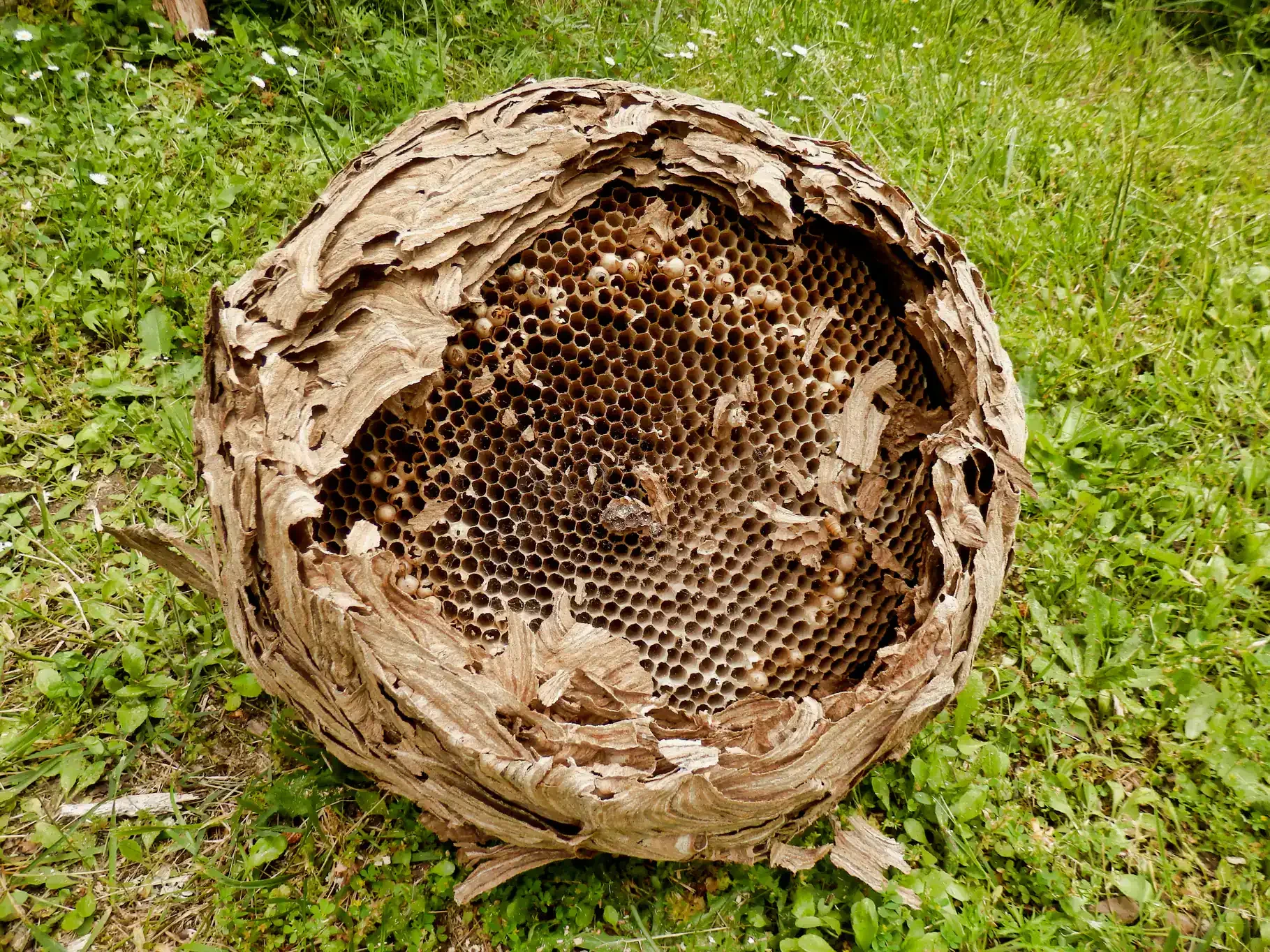
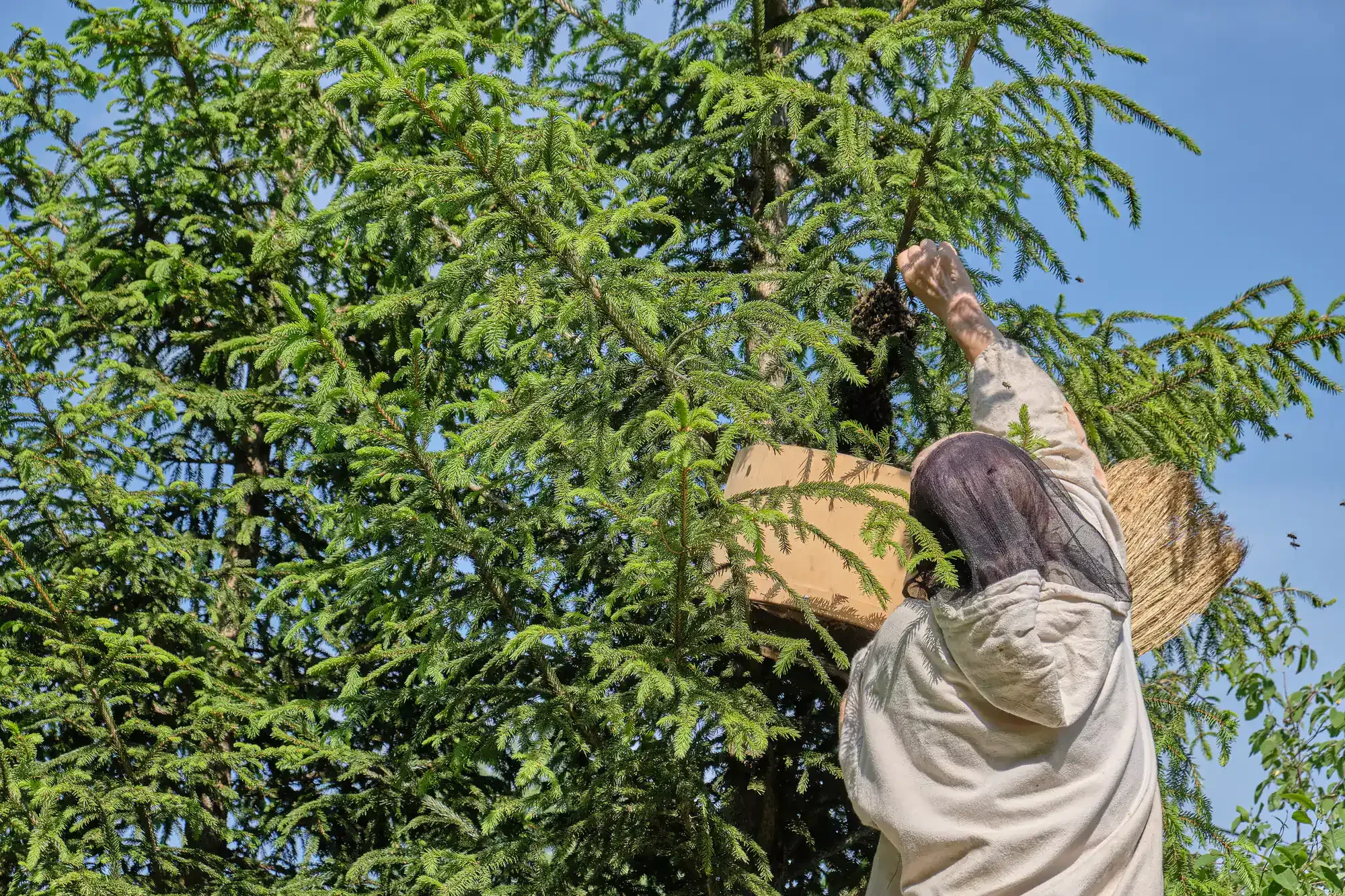
Bald-faced hornets build the large, gray, football-shaped aerial nests you sometimes see in trees or on the sides of buildings. They’re aggressive defenders and can sting multiple times. Each species requires a different treatment approach — the product, the application method, and the timing all vary. A technician who can correctly identify the species before treating is going to get a better result than one who applies a one-size-fits-all approach. That identification step is part of what we do before any treatment begins.
Cost depends on the species, the nest location, and the complexity of the job. Nationally, standard wasp nest removal averages in the $375 to $525 range. Yellow jacket removal — particularly for ground nests or wall void nests — tends to run higher, often $725 or more, because of the difficulty involved in reaching and fully eliminating the colony. A paper wasp nest under a porch eave is a straightforward job. A yellow jacket colony that’s been working its way through a wall void in an older Webberville farmhouse for two months is a different situation entirely.
The best way to get an accurate number is to have a technician assess the actual nest — species, size, location, and access all factor into the final cost. We match reasonable competitor rates, so if you’ve already received a quote from another company, bring it. The goal is to give you fair, transparent pricing for the actual job at hand — not a lowball number that changes once someone’s on-site. Discounts are available for seniors, veterans, and first responders in the Webberville area.
Yes — and the rural properties in and around Leroy Township are exactly the kind of jobs we’re set up to handle well. Webberville isn’t a dense suburban neighborhood where every house looks the same. A lot of properties out here have detached garages, sheds, barns, or agricultural outbuildings spread across large lots — and wasp nests don’t limit themselves to the main structure. Paper wasps nest under barn overhangs and inside rafters. Yellow jackets find ground-level gaps near outbuilding foundations. Bald-faced hornets build aerial nests in the tree lines that border many Leroy Township properties.
When one of our technicians comes out to a Webberville property, the inspection covers the full site — not just the spot where you noticed the problem. If there are multiple structures on your land, each one gets assessed. We serve the broader region including eastern Ingham County and the surrounding Shiawassee County area, so Webberville and the rural properties around it are well within our regular service area. Same licensed technician, same professional-grade treatment, same accountability — whether your property is on a village lot off Grand River Avenue or a larger parcel out in the township.
Useful Links