
Hear from Our Customers
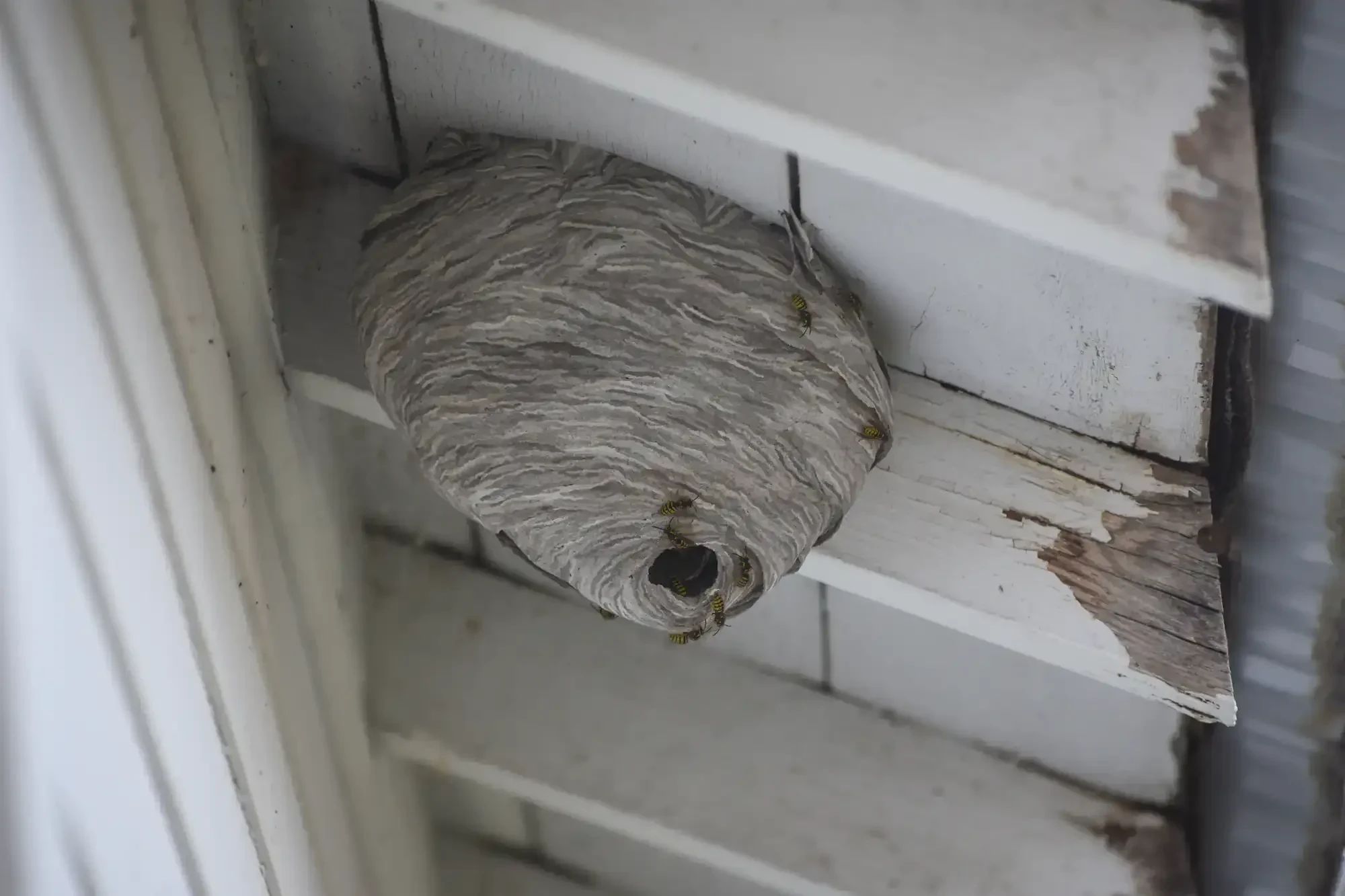
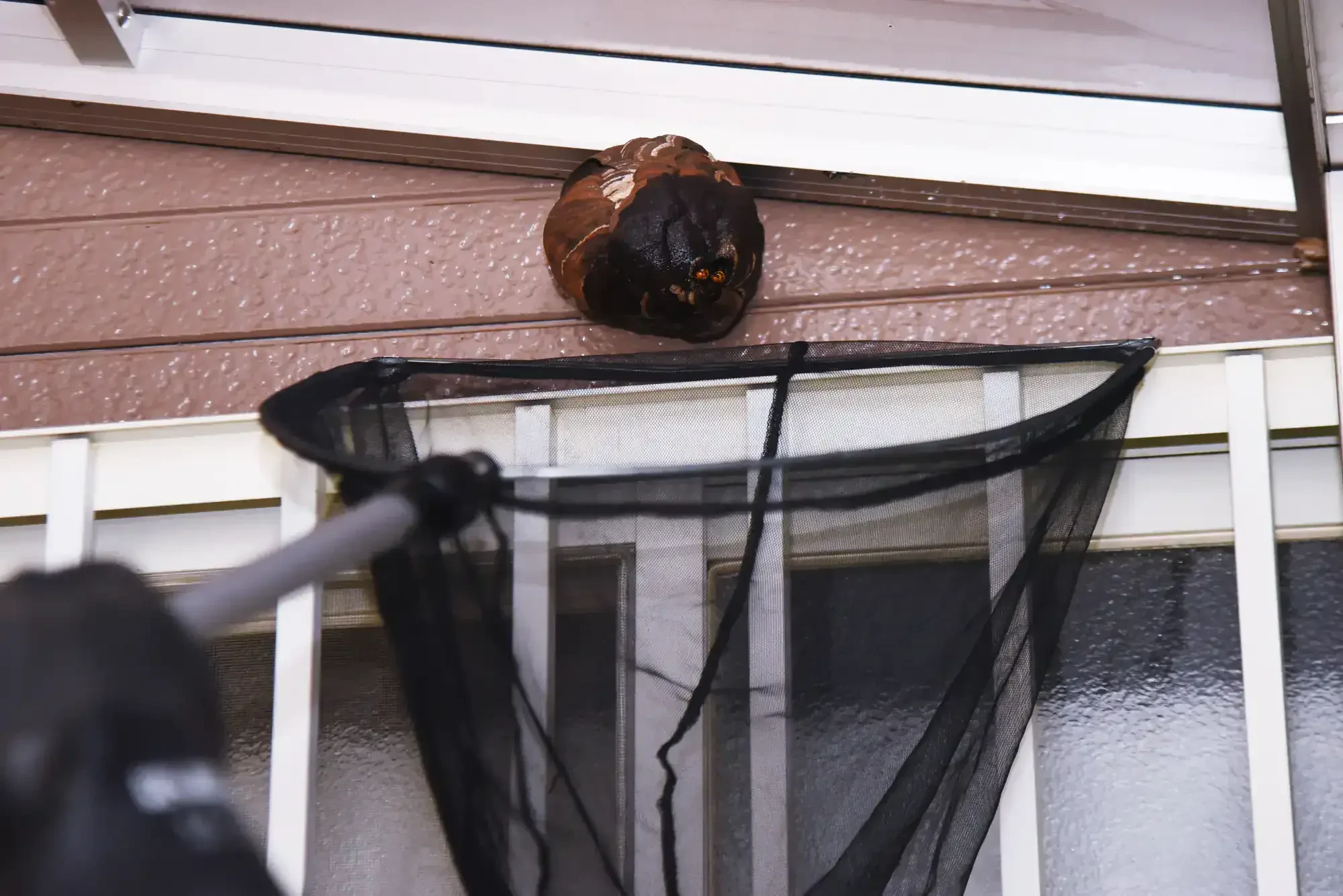
Yellow jackets do not just ruin a backyard barbecue. When they get inside the walls of an older Bridgeport ranch home or Cape Cod, they chew through drywall to expand the colony. By late summer, you could be dealing with thousands of workers and a structural repair bill that has nothing to do with pest control. That is the outcome of waiting, and it happens more often than people expect in established neighborhoods like the ones along Dixie Highway in Bridgeport.
The Cass River corridor that runs through Bridgeport creates conditions that make yellow jacket pressure worse than most residents realize. Soft, moist soil near the riverbank is exactly what Eastern Yellowjackets look for in a ground nest. After a heavy rain or a flooding event — and Saginaw County has had its share of both — displaced colonies relocate fast, often into the nearest available structure. If you have noticed yellow jackets getting into your house in Bridgeport, that is not a coincidence.
What changes after professional yellow jacket nest removal is straightforward. You stop worrying every time your kids go outside. You stop watching the nest grow bigger every week. You get back to using your yard in August and September without planning around where they are. That is the actual result — not a brochure promise, just what happens when the problem is handled correctly the first time.
We’re a family-owned Michigan company that has been doing this since May 2005 — twenty years of showing up, doing the work, and standing behind it. Roger Chinault, who leads the company, has 26 years of hands-on pest control experience. He is not managing from an office while someone else handles your job. That level of personal accountability is hard to find, especially from a national chain sending whoever is available that day.
We hold MDARD Pesticide Application Business License #250081, have earned recognition from both Angie’s List and HomeAdvisor, and carry a 4.7 out of 5 rating on Angi from verified customer reviews. No binding contracts. A one-year service guarantee. And if yellow jacket activity returns within the guarantee period, we come back at no additional charge.
Bridgeport sits about 30 miles up I-75 from our home base in Swartz Creek — a straight shot up the same highway that runs through the western edge of the township at Dixie Highway exits 144A and 144B. We know Saginaw County, we know the Cass River area, and we know the types of homes here in Bridgeport.
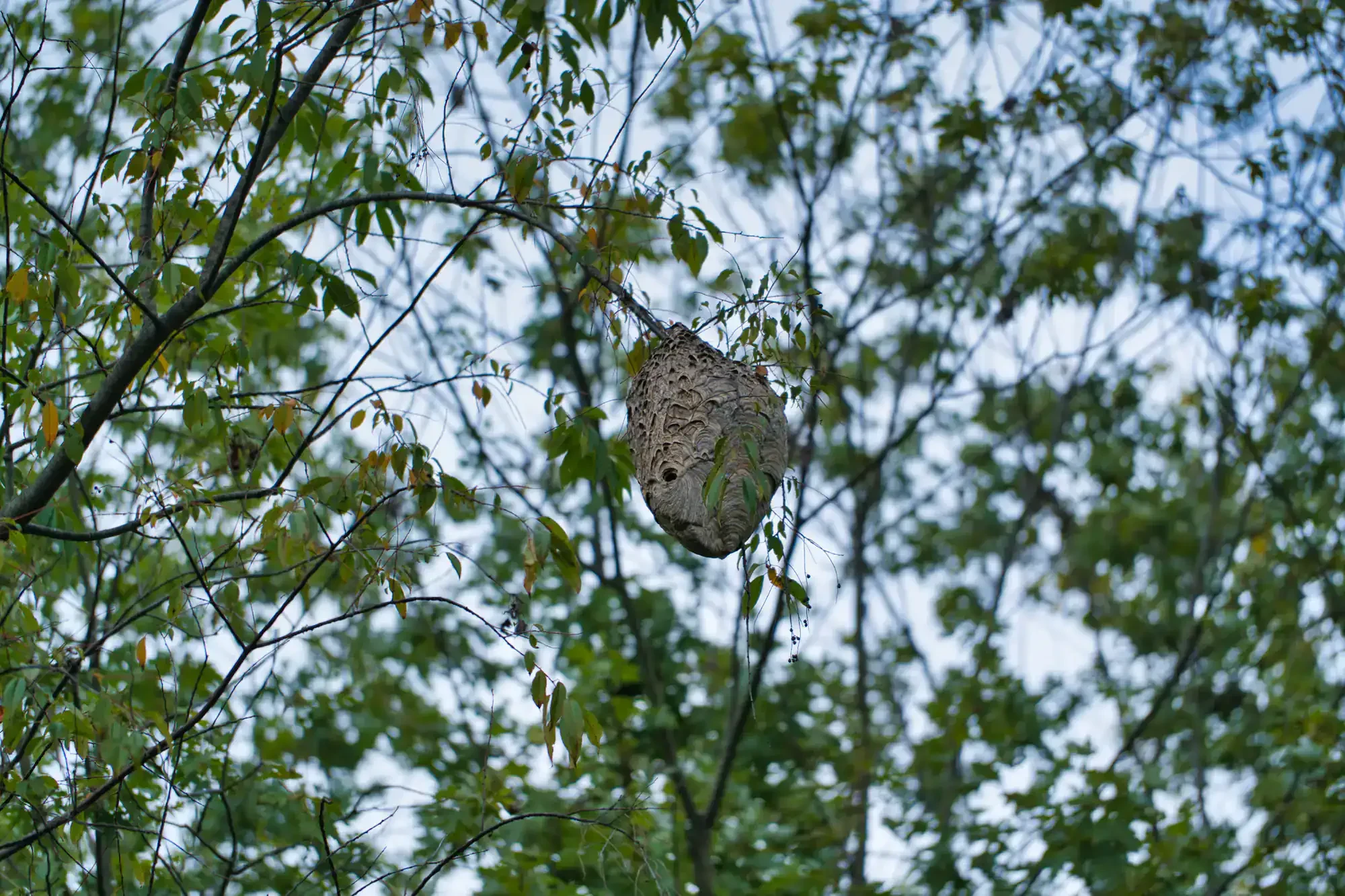
The first thing that happens is identification — and it matters more than most people think. Michigan has two yellow jacket species that behave very differently. The German Yellowjacket nests in wall voids, attics, and crawlspaces, which is especially common in Bridgeport’s older ranch homes and Cape Cods where aging soffits and exterior siding leave gaps that a queen can exploit. The Eastern Yellowjacket nests underground, often in the soft, moist soil near the Cass River corridor. Treating the wrong species with the wrong approach does not just fail — it drives the colony deeper and makes them more aggressive. We identify the correct species before any product is applied.
Once the species and nesting location are confirmed, treatment is targeted and precise. For wall-void and attic infestations, that typically means a professional-grade dust or aerosol applied directly into the nest cavity at the right time of day, when the colony is least active. For ground nests, the approach is different — timed for maximum effectiveness and applied in a way that eliminates the colony rather than scattering it. Roger’s IPM training means the least invasive effective treatment is always the starting point, not the last resort.
After treatment, you will know exactly what we used, when it is safe to return to treated areas, and what to watch for in the days that follow. We also walk you through the entry points or conditions that made your property a target — because understanding the why is how you avoid dealing with this again next season.
Ready to get started?
Yellow jacket pest control near you in Bridgeport means more than spraying a nest and leaving. For homes in Bridgeport’s established neighborhoods — the ranch homes and Cape Cods that make up much of the residential housing stock along and near Dixie Highway — the most common and most damaging infestations are the ones you cannot see. A German Yellowjacket colony inside a wall void or attic can grow to several thousand workers before a homeowner notices anything beyond a few wasps near a soffit. By the time they are chewing through drywall, the pest problem has become a home repair problem. We treat these structural infestations directly, not from the outside.
For ground nests — common in yards near the Cass River where the soil stays soft and moist — treatment targets the colony at the source. Yellow jacket removal in Bridgeport also means correctly distinguishing yellow jackets from honeybees, paper wasps, and hornets before any treatment begins. Misidentification leads to the wrong product, the wrong timing, and a colony that is now more agitated than when you started.
Every yellow jacket service we provide includes a licensed MDARD-compliant treatment, a post-service walkthrough of what was found and what was done, and a one-year service guarantee. Seniors, veterans, and first responders receive a discount on service — ask about current availability when you call. We also match reasonable competitor rates, so Bridgeport residents never have to choose between quality and affordability.
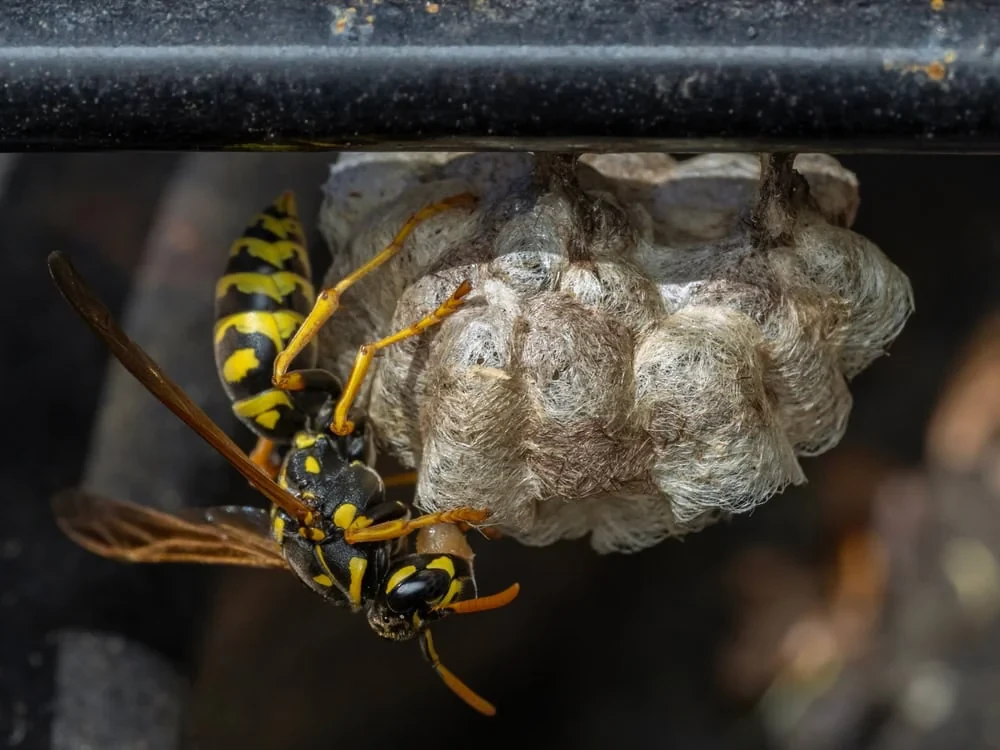
The most common sign is workers appearing inside the house — coming out of an electrical outlet, a baseboard gap, or a ceiling light fixture — without any obvious way they could have gotten in from outside. You might also notice a faint buzzing sound inside a wall, or see a consistent line of yellow jackets entering and exiting a small gap in your siding, soffit, or around a window frame. In Bridgeport’s older ranch homes and Cape Cods, these entry points are common because aging exterior materials develop gaps over time that a yellow jacket queen needs only a finger-width to exploit.
Do not seal the entry point once you have spotted it. That is one of the most common DIY mistakes, and it either forces the colony deeper into the wall or causes workers to chew through interior drywall to find a new exit. A licensed yellow jacket exterminator identifies the full scope of the infestation before any treatment or sealing begins. We handle this type of structural infestation regularly in Saginaw County homes and know exactly what to look for.
It matters a lot, because the treatment approach is completely different. Yellow jackets are wasps, not bees. They are slender, smooth-bodied, and aggressive — especially in late summer when the colony is at peak size and workers are foraging for sugary foods. Honeybees are rounder, fuzzier, and far less aggressive. Honeybees also have legal protections in many contexts because of their role in pollination, and treating a honeybee colony with yellow jacket products is both ineffective and potentially harmful to a protected species.
Paper wasps and bald-faced hornets are also commonly confused with yellow jackets. Each one nests differently, responds differently to treatment, and requires a different product and timing to eliminate effectively. Our IPM-trained technicians correctly identify the species before any product is applied — which is why the treatment works the first time instead of making the situation worse. If you are not sure what you have near your Bridgeport home, that is exactly the right reason to call before you try anything yourself.
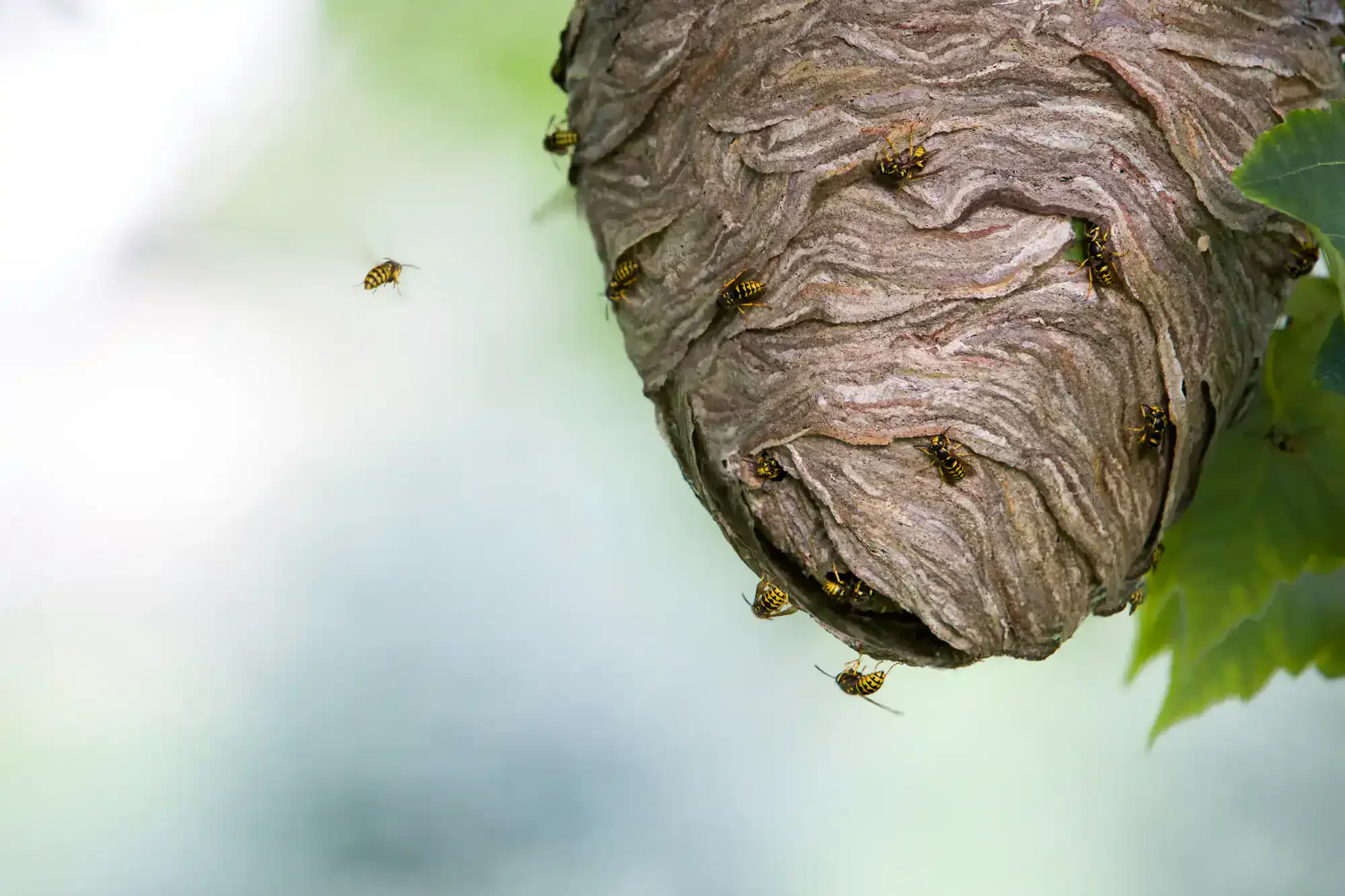
Late summer is when yellow jacket colonies reach their peak population — anywhere from 1,000 to 5,000 workers depending on the species and how long the colony has been established. At the same time, the colony’s natural food source shifts. Earlier in the season, workers hunt insects to feed the larvae. By August, larval production slows, and workers start aggressively seeking sugars — which is why they show up uninvited at every outdoor gathering, hover around garbage cans, and dive-bomb anyone eating outside near Davis Park or in a backyard along the Cass River corridor in Bridgeport.
The other factor is that late-summer colonies are highly defensive. The nest is large, the workers are numerous, and any perceived threat near the nest entrance triggers a rapid, coordinated response. This is the time of year when people get stung multiple times because they accidentally disturbed a ground nest while doing yard work or mowing near a fence line. If yellow jackets have made your outdoor space unusable in Bridgeport this time of year, the colony is almost certainly well-established — and it is not going to calm down on its own before the first hard frost.
For a small, exposed nest early in the season — before it has grown significantly — a store-bought aerosol applied at night, when yellow jackets are least active, can sometimes work. But that scenario is the exception, not the rule. Most of the calls we receive in Bridgeport come after a DIY attempt has already been made. The most common outcome of a failed DIY treatment is a colony that has been agitated, partially dispersed, or driven deeper into a wall void where it is now harder to reach and more dangerous to disturb.
If the nest is inside a wall, in an attic, underground near a high-traffic area, or anywhere near a door or play area, professional treatment is the right call from the start. Yellow jackets release alarm pheromones when threatened, which signals the entire colony to defend. Without the correct protective equipment, the right product, and the knowledge of where the colony’s full extent is, a DIY attempt near an established nest is a genuine safety risk — especially in a household with children, pets, or anyone with an unknown allergy to stinging insect venom.
Yes, and it happens more than most Bridgeport homeowners expect. Eastern Yellowjackets nest underground, often in abandoned animal burrows in soft, well-drained soil. When heavy rain or flooding saturates the ground — which the Cass River area is known for, and which Saginaw County has experienced enough that the township has issued flood damage reporting requests — those underground colonies get displaced. The workers do not simply abandon the nest. They relocate, and the nearest available enclosed space is often a crawlspace, a wall void, or a gap under a deck or porch.
If you have had water on your property after a heavy rain event and then started noticing yellow jacket activity near your foundation, inside your home, or around entry points you had not seen them near before, that connection is likely not a coincidence. Post-flood pest pressure is a real and documented pattern in riparian communities like Bridgeport. Getting an inspection after a significant flooding event — especially if your property sits near the Cass River corridor — is a reasonable precaution, not an overreaction.
We offer discounts for seniors, military veterans, and first responders. Bridgeport is a working community where people are careful about how they spend their money, and we built those discounts into the business because the people who have given the most to their families and their community deserve straightforward, honest pricing — not a premium markup because they need professional help.
We also match reasonable competitor rates. So if you have already gotten a quote from another pest control company serving the Bridgeport or Saginaw County area, bring it to the conversation. The goal is to make sure you are getting experienced, licensed, guaranteed yellow jacket pest control near you in Bridgeport without having to sacrifice quality to stay within your budget. There are no binding contracts, and the one-year service guarantee means that if yellow jacket activity returns within the guarantee period, we come back at no additional charge. That combination — honest pricing, a price match, and a real guarantee — is what makes the investment make sense.
Useful Links