
Hear from Our Customers
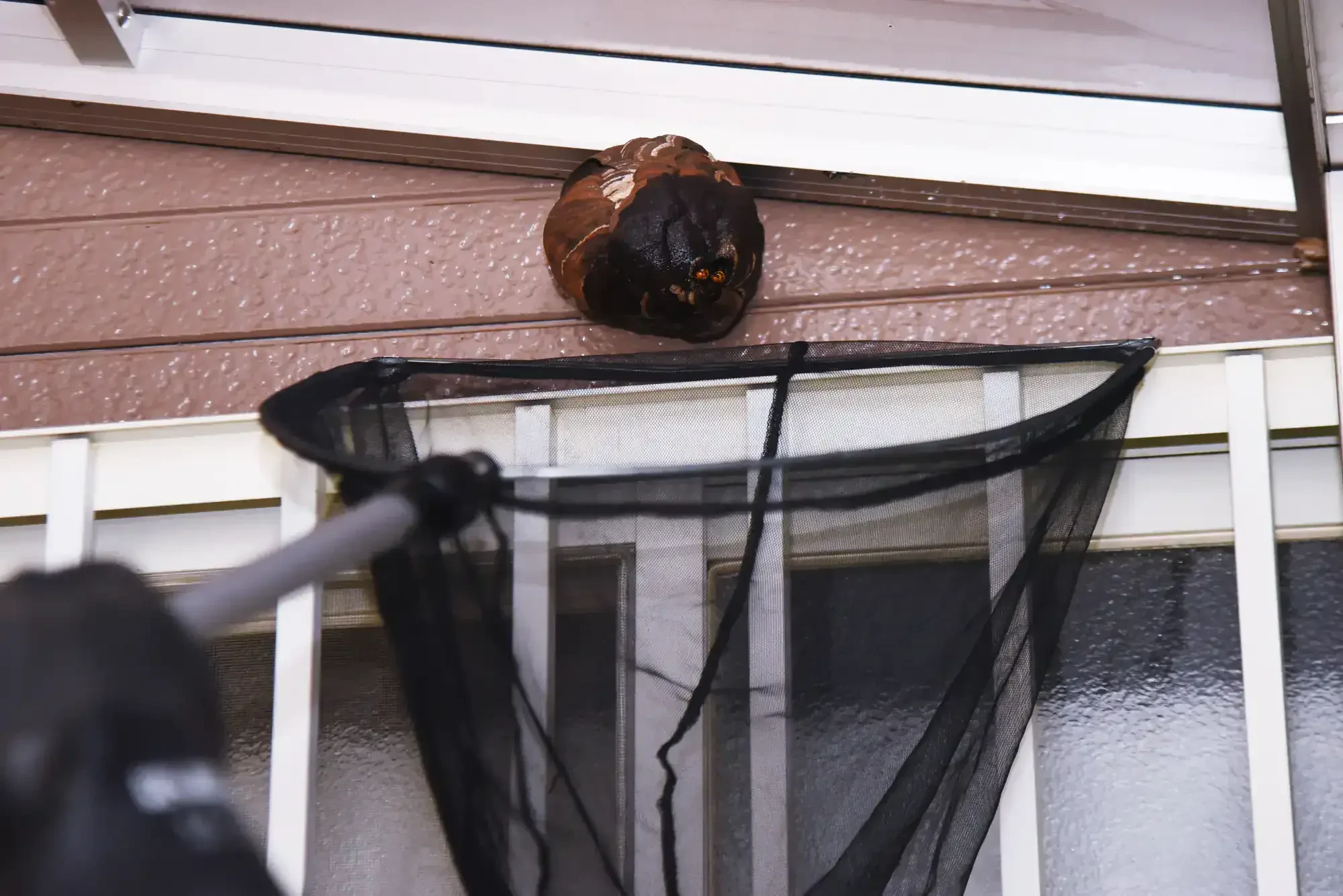
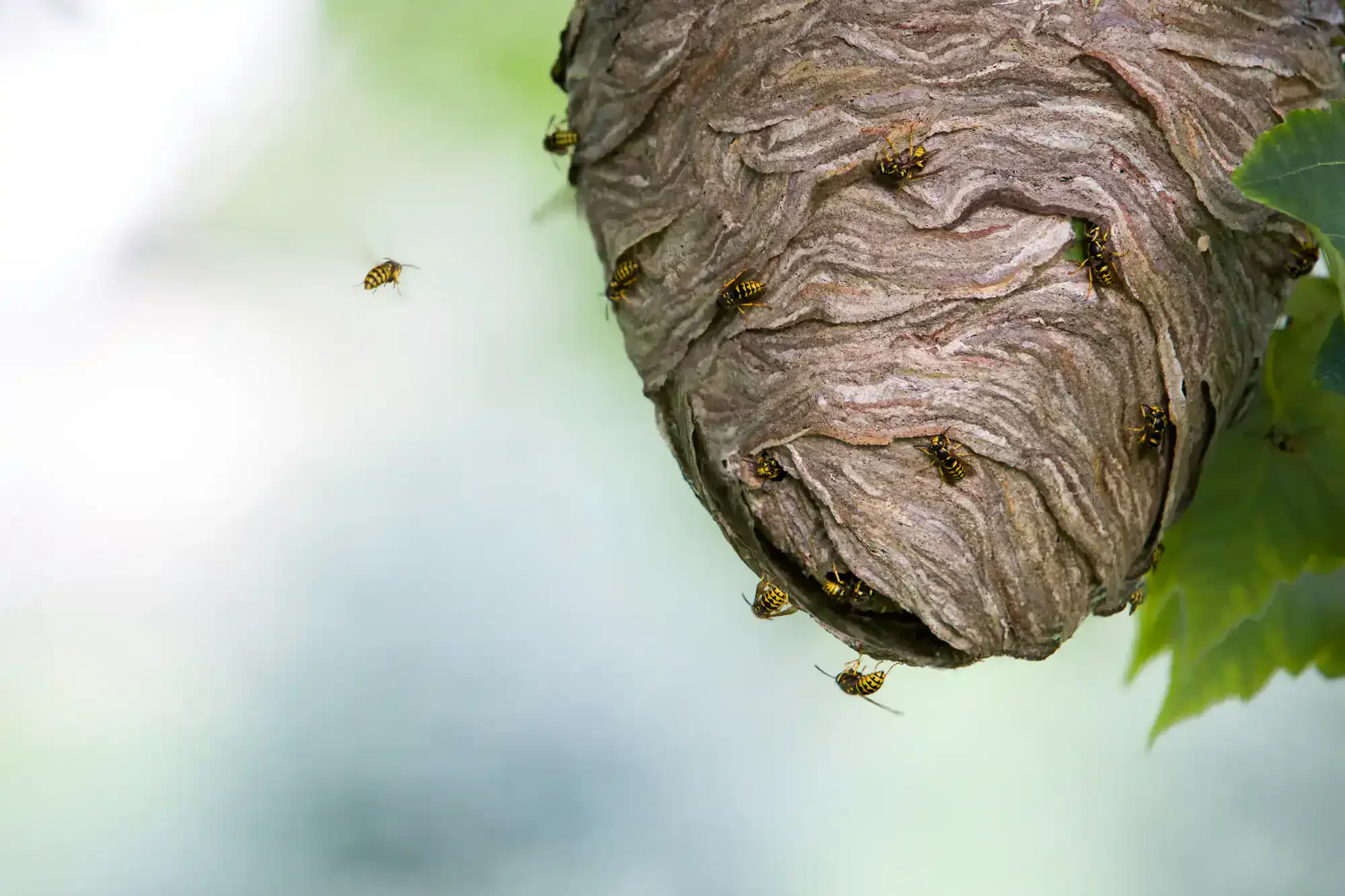
Most Burton homeowners don’t call about yellow jackets until something forces their hand — a sting, a nest found during yard work, or yellow jackets showing up inside the house through a crack in the wall. By the time that happens, the colony has usually been growing for weeks. A mature yellow jacket colony can hold anywhere from 1,000 to 5,000 workers by late summer, all capable of stinging repeatedly and releasing alarm signals that bring more of them in fast.
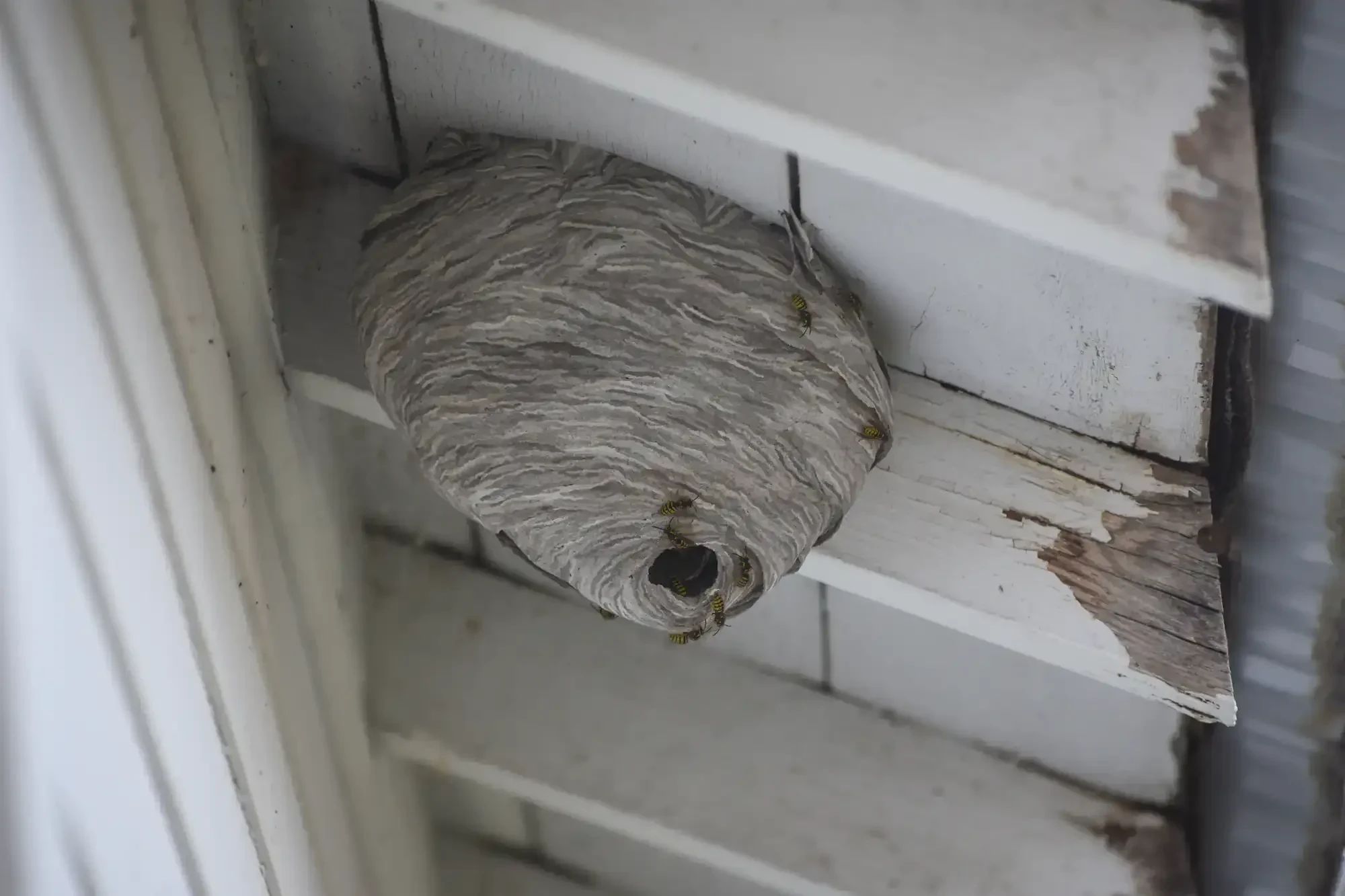
The homes in Burton’s established neighborhoods — many of them built between the 1940s and 1960s — give yellow jackets more ways in than newer construction does. Aging soffits, weathered wood fascia, gaps behind aluminum siding, and deteriorating chimney mortar are all entry points the German Yellowjacket, Michigan’s most common structural nester, is built to exploit. Once inside a wall void, the colony chews through insulation and drywall to expand. Waiting until fall doesn’t make the problem go away — it makes it more expensive and more dangerous.
After proper treatment, outdoor spaces around your Burton home become usable again. No more avoiding the back corner of the yard. No more yellow jackets hovering around the trash or showing up at every outdoor meal. If your kids play near Thread Creek or you spend time at Kelly Lake Park, knowing your property is handled gives you one less thing to worry about heading into late summer.
We founded First Choice Pest Control on May 31, 2005, and we’re headquartered in Swartz Creek — right here in Genesee County, just minutes from Burton. Roger Chinault, our founder, has 26 years of hands-on pest control experience. He’s not managing from an office while someone else handles your job. He shows up, does the work right, and is accountable for the result.
We’re licensed through the Michigan Department of Agriculture and Rural Development (License #250081) and have completed Integrated Pest Management training — which means every job starts with correct identification before any treatment begins. That matters more than most people realize, because treating the wrong species the wrong way doesn’t solve anything. It can make things worse.
We’ve earned awards from both Angie’s List and HomeAdvisor, hold a 4.7 out of 5 rating on Angi, and we don’t use binding contracts. You’re not locked into anything. The work either holds up or we come back — that’s what our 1-year service guarantee means in practice.
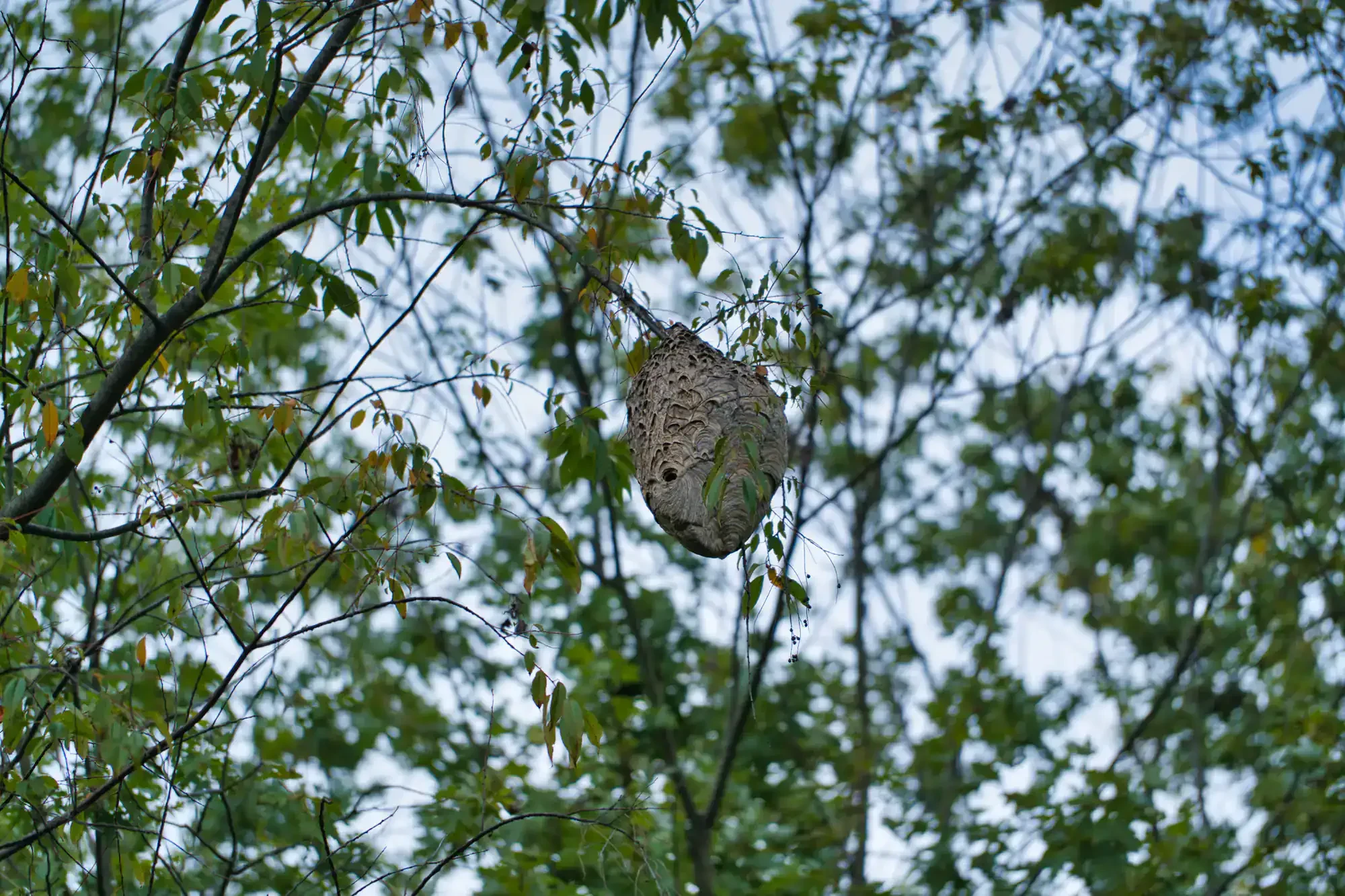
The first thing that happens is identification. Yellow jackets are frequently mistaken for honeybees, and the treatment approach is completely different depending on the species. The German Yellowjacket — the one most likely to be inside your Burton home’s wall or attic — requires a different strategy than an Eastern Yellowjacket nesting underground in your yard. Getting this wrong is one of the most common reasons people end up paying twice.
Once we confirm the species and nest location, treatment is typically scheduled for the evening. That’s not arbitrary — it’s when the entire colony is present inside the nest, which means the treatment reaches the maximum number of workers and the queen. For structural infestations in wall voids or attics, which are common in Burton’s older housing stock, this timing is especially important. The application method — whether that’s a targeted dust treatment, a liquid application, or void injection — depends on what the inspection reveals.
After treatment, you’ll get a clear picture of what we did, what to watch for in the days following, and how to reduce the conditions that attracted yellow jackets in the first place. If activity returns within the guarantee period, we come back at no additional charge. That’s not a footnote — it’s the standard.
Ready to get started?
Yellow jacket pest control in Burton, MI through First Choice isn’t a one-size-fits-all spray and leave. Every visit starts with a thorough exterior inspection of your property — because in a city where most homes were built decades ago, the entry points aren’t always obvious. Gaps behind siding along Dort Highway-area neighborhoods, deteriorating fascia boards in the Atherton corridor, and foundation cracks in older homes near Thread Creek all get checked before we apply any product.
Treatment is targeted and species-specific. We hold an MDARD Pesticide Application Business License and have completed IPM training, which means our approach is based on what’s actually there — not a blanket application that treats every pest the same way. For attic yellow jacket removal in Burton, MI, that often means void dusting with a professional-grade product that reaches deep into the nest cavity. For ground nests in yards, our approach is different. We handle both.
We serve residential and commercial properties throughout Burton and Genesee County. If you’re a homeowner in the Belsay area, a business owner near Courtland Center, or managing a property along Lapeer Road, our program is built around your specific situation. We offer discounts for seniors, veterans, and first responders — and we’ll match any reasonable competitor’s rate. No contracts. No guessing. Just a clear plan and a guarantee behind it.
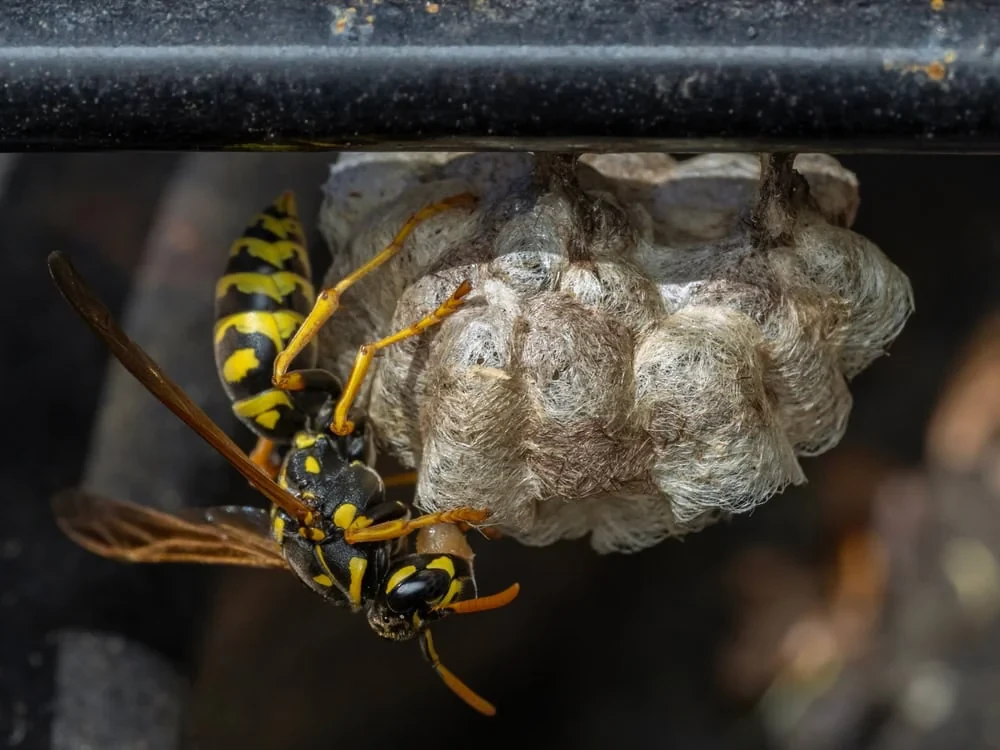
The most common sign is worker yellow jackets entering and exiting a small gap or crack in your home’s exterior — usually around siding, soffits, window frames, or where utility lines enter the structure. You might also hear a faint chewing or buzzing sound from inside the wall, especially in a quiet room. In some cases, yellow jackets chew through drywall and begin appearing inside the living space, which means the colony has been established for a while and is expanding.
Burton’s older housing stock — much of it built in the 1940s through 1960s — has more of these entry points than newer construction. Weathered siding, aging wood fascia, and gaps that have developed over decades give yellow jackets exactly what they need to get inside. If you’re seeing yellow jackets consistently near one spot on your home’s exterior, that’s worth a closer look. Don’t try to seal the entry point yourself before treatment — trapping yellow jackets inside a wall can force them to chew through in a different direction, sometimes into your living space.
Yes, it changes everything. Yellow jackets and honeybees are frequently confused, but they’re handled very differently. Yellow jackets are smooth-bodied, more slender, and typically black and yellow with a defined waist. Honeybees are fuzzier, more golden in color, and less aggressive unless the hive is directly disturbed. Treating a honeybee colony with yellow jacket extermination methods is both ineffective and harmful — honeybees are a protected pollinator species and should be relocated, not exterminated.
In Burton, the most common structural pest is the German Yellowjacket, which nests in wall voids, attics, and enclosed cavities. The Eastern Yellowjacket is also present and typically nests underground in yards. Both are yellow jackets, but our treatment approach differs based on nest location and access. Our IPM training requires correct identification before any product is applied — that’s not a formality, it’s the reason the treatment actually works the first time. If you’re not sure what you’re dealing with, that’s exactly why a professional inspection matters.
Late July through September is when yellow jacket problems peak in Burton and throughout Genesee County. By that point in the season, a colony that started with a single queen in the spring has grown to potentially thousands of workers. Worker yellow jackets also shift their behavior in late summer — they stop focusing on hunting insects and start aggressively seeking sugary food sources, which is why you’ll notice them around outdoor trash, picnic areas, and anything left outside. That’s also when they become more defensive and more likely to sting without much provocation.
The timing matters for treatment too. Colonies treated in May or June are smaller, easier to eliminate, and haven’t had time to cause structural damage inside a wall. Colonies treated in August or September are at full strength and may have already expanded significantly inside the structure. If you’re noticing yellow jacket activity around your home now, waiting until fall doesn’t make the problem go away — it just gives the colony more time to grow. Treatment is most effective and most cost-efficient when it’s handled early.
That’s one of the most common questions, and it’s a fair one. The products we use in professional yellow jacket extermination are applied in a targeted way — directly into the nest cavity or the entry point — not broadcast across your yard or living space. We follow IPM protocols, which means our application is as precise as possible to minimize exposure to non-target areas. Our technician will give you specific re-entry guidance based on what was used and where, so you know exactly when it’s safe for kids and pets to be back in the treated area.
For attic yellow jacket removal or wall-void treatments inside the home, the product stays within the cavity. For ground nests treated in the yard, the same targeted approach applies. In both cases, you’ll get clear, straightforward instructions — not vague reassurances. If you have specific concerns about a health condition, an allergy, or a pet with sensitivities, bring it up when you call. We can adjust the program around your household’s needs, and that conversation should happen before the job, not after.
Store-bought sprays can work on small, exposed nests — the kind you can see hanging from a tree branch or under a deck rail. But most of the yellow jacket calls we get in Burton involve nests that aren’t exposed. They’re inside wall voids, behind siding, in attics, or underground in the yard. When a nest is inside a wall, a can of spray applied at the entry hole doesn’t reach the colony — it agitates the workers near the entrance and can push the rest of the colony deeper into the structure or into an adjacent room.
There’s also the safety factor. Yellow jackets release alarm pheromones when disturbed, which signals nearby workers to attack. A colony of several thousand workers responding to a perceived threat is a serious situation, especially without proper protective equipment. Misidentifying the species is another common issue — treating a honeybee colony as if it were yellow jackets creates a different set of problems entirely. Professional treatment costs more upfront than a can of spray, but it’s significantly cheaper than treating a failed DIY attempt or dealing with yellow jackets that have moved further into your home’s structure.
Yes. We offer discounts for senior citizens, military veterans, and first responders. Burton has a significant population of long-established homeowners — many of them older residents who’ve been in the same house for decades — and a strong blue-collar community with deep ties to manufacturing, public service, and the military. These discounts reflect that. They’re not a promotional add-on; they’re part of how we operate in a community like Genesee County, where fair pricing and local accountability actually mean something.
We also offer price matching for reasonable competitor rates. If you’ve already gotten a quote from another pest control company serving the Burton area, call us and share it. The goal is to make sure cost isn’t the reason you end up with a less experienced technician or a treatment that doesn’t hold. Between the price match, the applicable discount, and our 1-year service guarantee, you’re covered — and you’re not signing a contract to get there. No binding agreements, no automatic renewals, no fine print. Just the job, done right.
Useful Links