You see snow on the ground, your heat is running, and you’re pretty sure flea season is over. Then your dog won’t stop scratching. Or you spot something small and fast moving across your carpet. And now you’re wondering if fleas actually do live in cold weather — or if something else is going on.
The short answer is yes, fleas absolutely live in cold weather. Not outside, necessarily, but inside your home — where it’s warm, humid, and full of places to hide. What feels like the end of flea season is often just the beginning of an indoor infestation. Here’s what’s actually happening, and why Michigan winters don’t protect you the way you might think.
Do Fleas Live Through Winter — or Does the Cold Kill Them?
Fleas do have a temperature limit. Adult fleas begin dying off when temperatures drop below 46°F, and sustained freezing temperatures — anything below 32°F for more than five days — will kill them. So yes, the outdoor population takes a hit during a Michigan winter.
But here’s the problem: your home doesn’t get below 32°F. It stays at 68 to 72 degrees year-round, which is almost exactly where fleas thrive. The moment your pet walks inside, any fleas riding along have found a place where they can feed, breed, and multiply without interruption — regardless of what’s happening outside.
How Fleas Survive Cold Temperatures at Every Life Stage
Understanding why fleas persist through winter means understanding their life cycle — because adult fleas are only a small part of the picture.
The flea life cycle has four stages: egg, larva, pupa, and adult. Each one responds to cold differently, and the stage that causes the most trouble in winter is the pupa. Flea pupae can encase themselves in a protective cocoon and remain completely dormant for up to six months. They don’t need to feed. They don’t need warmth. They just wait. What triggers them to hatch is heat and pressure — exactly the conditions created when a warm-bodied pet walks across a carpet or curls up on a rug.
So when Michigan homeowners fire up their furnaces in October, they’re sometimes doing more than heating the house. If flea pupae have been sitting dormant in carpet fibers since late summer, that sudden warmth can trigger a wave of hatching. This is why infestations often seem to appear out of nowhere in fall — not because new fleas arrived, but because old ones finally woke up.
Eggs and larvae are more vulnerable to cold than pupae. Larvae, in particular, need relative humidity above 45 to 50 percent to survive, and they can’t tolerate freezing. But indoors, where Michigan homes run forced-air heat through April, the conditions are consistently favorable. Larvae hide in carpet fibers, in the seams of furniture, in pet bedding, and along baseboards — places that stay warm and protected even when it’s below zero outside.
Adult fleas on a warm-bodied host are also insulated from the cold. A dog or cat running at a normal body temperature provides enough warmth to keep fleas alive and active even in freezing outdoor conditions. The animal itself becomes a mobile habitat.
The takeaway is that cold weather in Michigan doesn’t reset the flea population. It just shifts it indoors — where your home does all the work of keeping it alive.
Why Michigan Homes in Winter Are Ideal Flea Breeding Grounds
Fleas breed fastest at around 75°F with moderate humidity. That’s not a tropical climate — that’s the inside of most Michigan homes from October through April, when the furnace is running and the windows are closed.
The housing stock across Michigan adds to the problem. Many homes were built in the 1960s through the 1980s, and a lot of them still have wall-to-wall carpeting throughout. Carpet is the single best flea habitat in any home — it holds warmth, traps moisture, and gives larvae exactly the kind of dark, protected microenvironment they need to develop. A flea infestation in a carpeted split-level is a very different problem than one in a newer build with hardwood floors, and it typically requires more thorough treatment.
There’s also a wildlife factor that doesn’t get talked about enough. Properties near wooded lots — which are common across Michigan — see raccoons, opossums, squirrels, and feral cats sheltering close to homes during winter. These animals carry fleas, and they deposit flea eggs in crawl spaces, under decks, and in leaf litter against the foundation. Those eggs don’t need to come inside immediately. They can wait in a protected outdoor microenvironment, insulated by snow cover, and hitch a ride inside when conditions improve.
It’s also worth noting that 95% of fleas in any infestation live in the environment — not on the pet. So even if your dog looks fine, the bulk of the problem is almost certainly in your carpet, your furniture, and your pet’s bedding. Treating only the animal treats only 5% of the infestation. The rest keeps breeding.
What to Do If You Find Fleas in Your Home This Winter
Finding fleas in December or January doesn’t mean you did something wrong. It means the infestation that started outdoors in summer followed your pet inside when the temperature dropped — which is exactly what fleas are built to do.
The first thing to understand is that one visible flea on your pet is not a minor problem. Adult fleas are the tip of the iceberg. For every flea you can see, there are likely hundreds of eggs, larvae, and pupae in your environment that you can’t. Acting quickly matters, because fleas can complete their life cycle in as little as three weeks under warm indoor conditions.
Why Store-Bought Flea Products Keep Failing Michigan Pet Owners
If you’ve already tried a flea bomb or an over-the-counter spray and the problem came back within a few weeks, you’re not alone. Most consumer flea products are designed to kill adult fleas on contact. That’s it. They don’t contain insect growth regulators, which are the compounds that actually interrupt the flea life cycle by preventing eggs and larvae from developing into adults.
So here’s what happens: you treat the house, the adult fleas die, and things seem better for a couple of weeks. Then a new batch of pupae hatches — pupae that the spray never touched — and you’re right back where you started. This cycle can repeat for months, and it’s genuinely frustrating because it looks like the treatment worked and then stopped working. It didn’t stop working. It never addressed the part of the infestation that matters most.
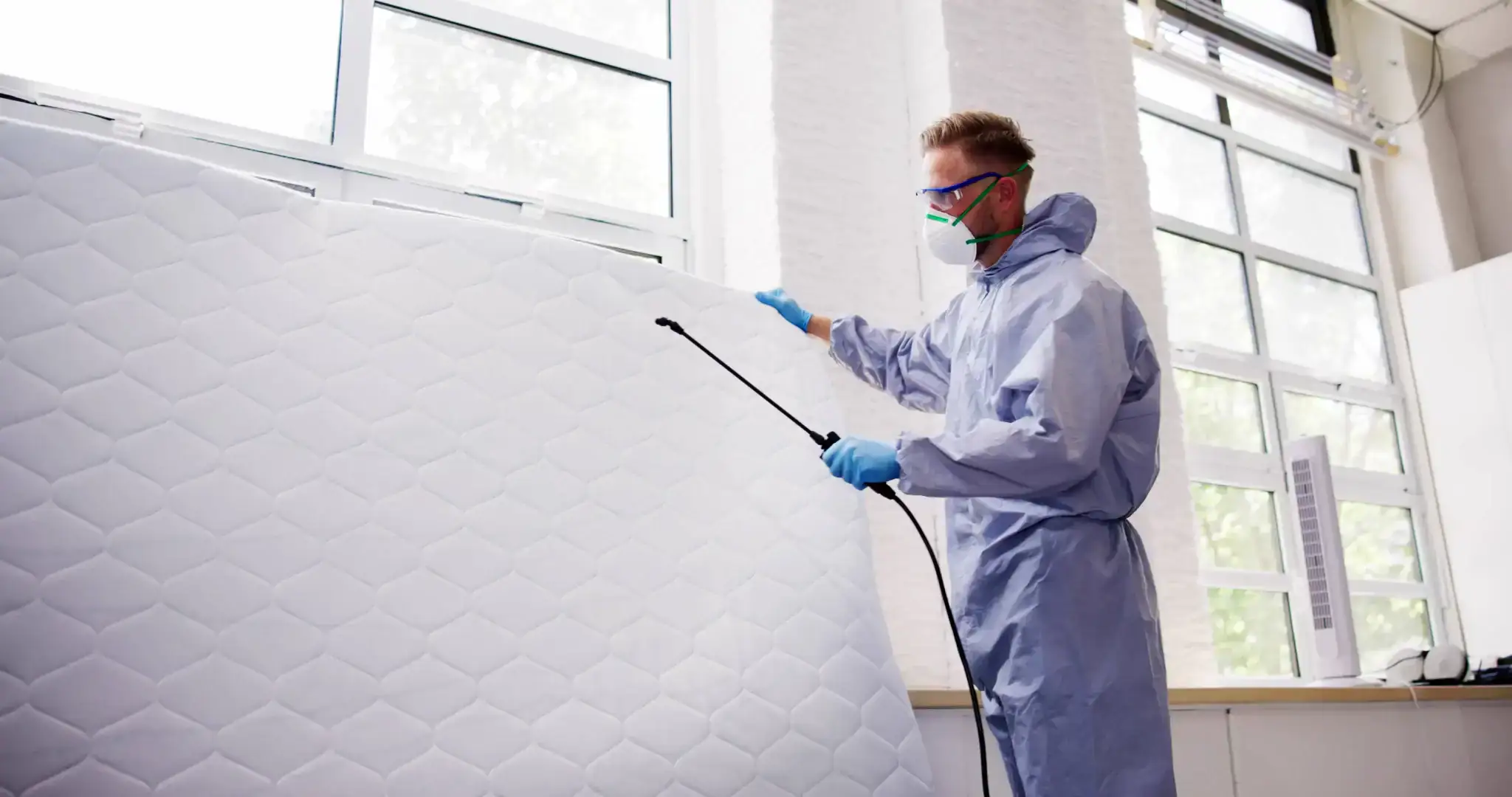
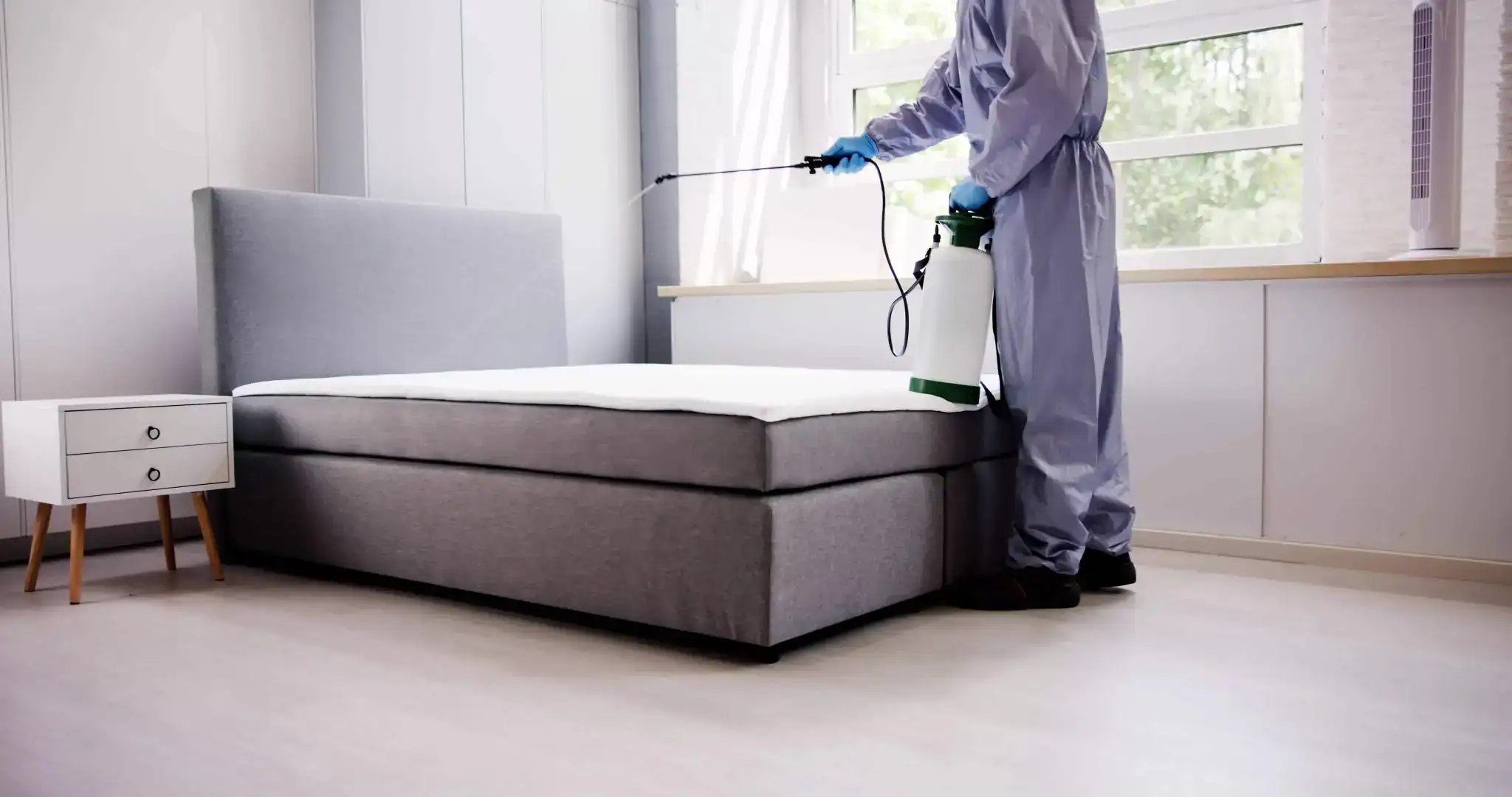
We use a combination of adulticides and insect growth regulators applied simultaneously to all the right places — carpet fibers, baseboards, upholstered furniture, under cushions, and in any area where your pets spend time. The goal isn’t just to kill what’s visible today. It’s to break the cycle so nothing new hatches to replace it.
Effective treatment also means treating all pets in the home at the same time. If you treat one dog but not the cat, the cat becomes a reservoir that reinfests the dog within days. Every animal in the household needs to be addressed simultaneously — ideally with veterinarian-prescribed or professional-grade products — at the same time the indoor environment is treated.
For homes where pets have outdoor access, yard treatment matters too. Shaded areas, under decks, and spots where pets rest outside are prime flea habitat. A thorough treatment program accounts for all three layers: the pet, the indoor environment, and the outdoor areas your pets frequent.
Can Fleas Live on Cats in Winter — Even Indoor-Only Cats?
This is one of the most common questions we hear from Michigan pet owners, and the answer surprises a lot of people: yes, fleas can absolutely live on cats in winter, even cats that never go outside.
The confusion makes sense. If your cat never leaves the house, how would she pick up fleas in January? A few ways. Fleas can enter a home on clothing — if you’ve been in contact with an infested environment, you can carry flea eggs or larvae inside without knowing it. Visiting pets are another common vector. And perhaps most importantly, if your home had a flea problem at any point in the past year, dormant pupae may still be present in your carpet or furniture, waiting for the right conditions to hatch.
Indoor-only cats are also frequently overlooked during treatment because their owners assume they’re not at risk. That assumption means the cat goes untreated while the rest of the home is addressed — and then the cat becomes the source of reinfestation.
In Michigan specifically, there’s an added wrinkle. If your home has a crawl space, basement, or attached garage, feral cats or wildlife sheltering near the foundation during winter can deposit flea eggs in those spaces. Fleas can migrate upward into the living area from there, and an indoor cat on the first floor becomes exposed without ever setting foot outside.
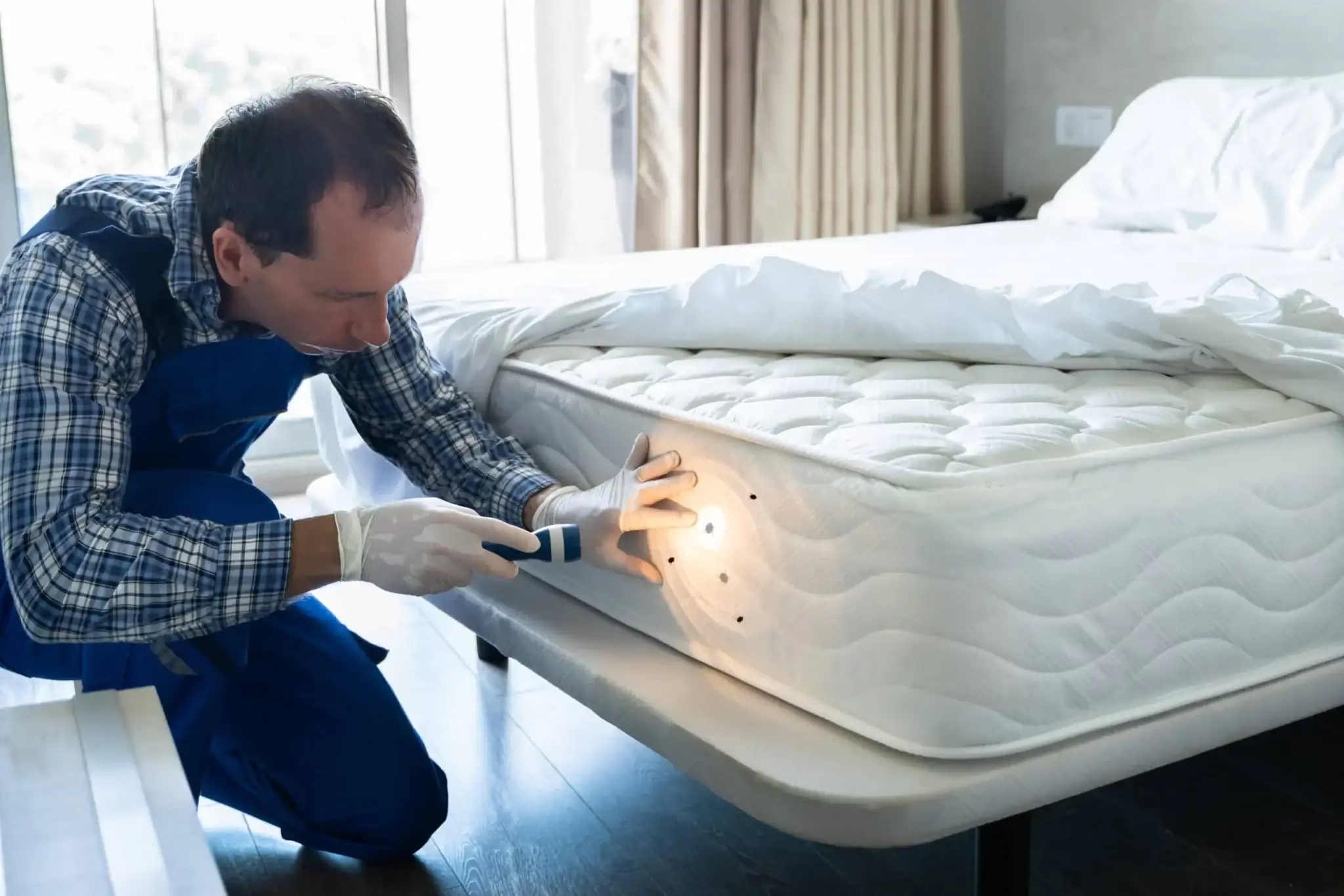
The honest answer is that indoor-only status is not the protection most people think it is — especially during a Michigan winter when wildlife is actively seeking shelter near residential structures. If your cat is scratching, losing fur in patches, or you’re spotting small dark specks (flea dirt) on her coat or bedding, that’s worth taking seriously regardless of whether she goes outside.
Getting Rid of Fleas in Winter Starts With Knowing What You’re Actually Dealing With
Fleas don’t take winters off in Michigan. They move inside, settle into your carpet and furniture, and keep breeding as long as your heat is running — which means potentially six months of uninterrupted infestation if it goes unaddressed.
The good news is that a well-executed treatment plan, applied to the pet, the indoor environment, and the outdoor areas your pets use, can break the cycle. It just has to address all three layers at once — which is where most DIY attempts fall short.
If you’re dealing with fleas right now, or you want to get ahead of it before spring, we’ve been handling exactly this kind of problem for Michigan homeowners since 2005. We’ll take a look at what’s actually going on — no pressure, no guesswork. Give us a call.