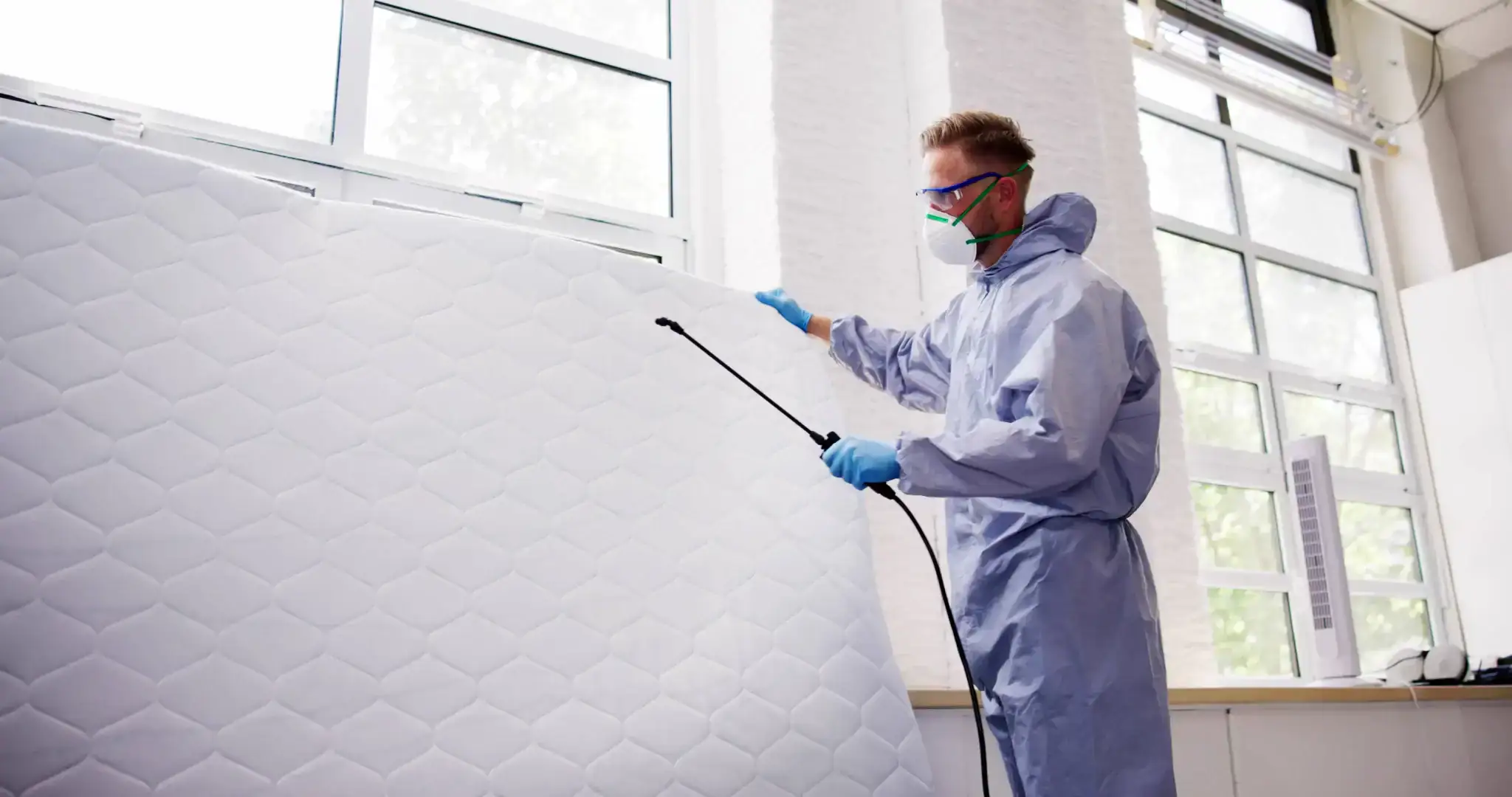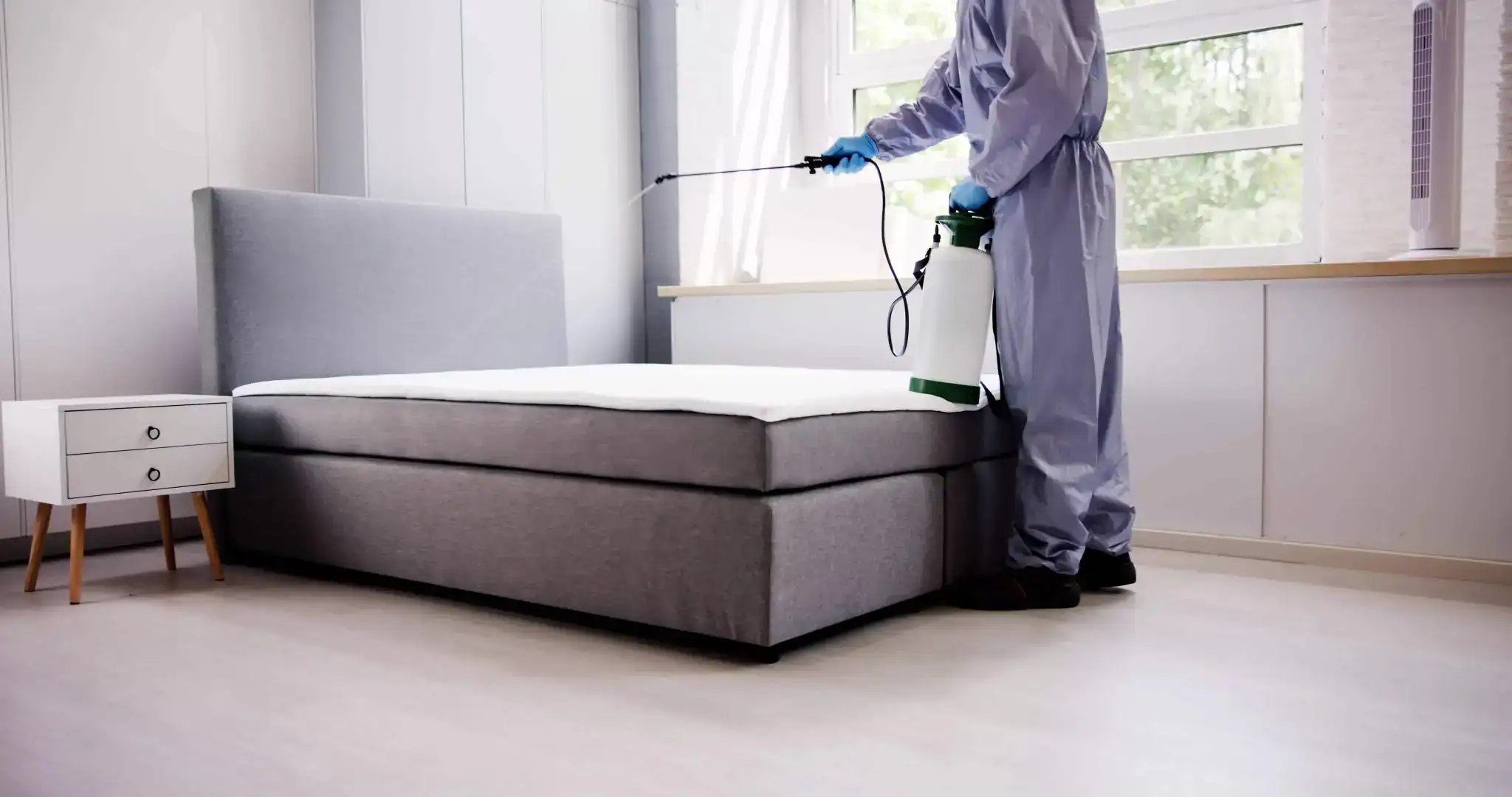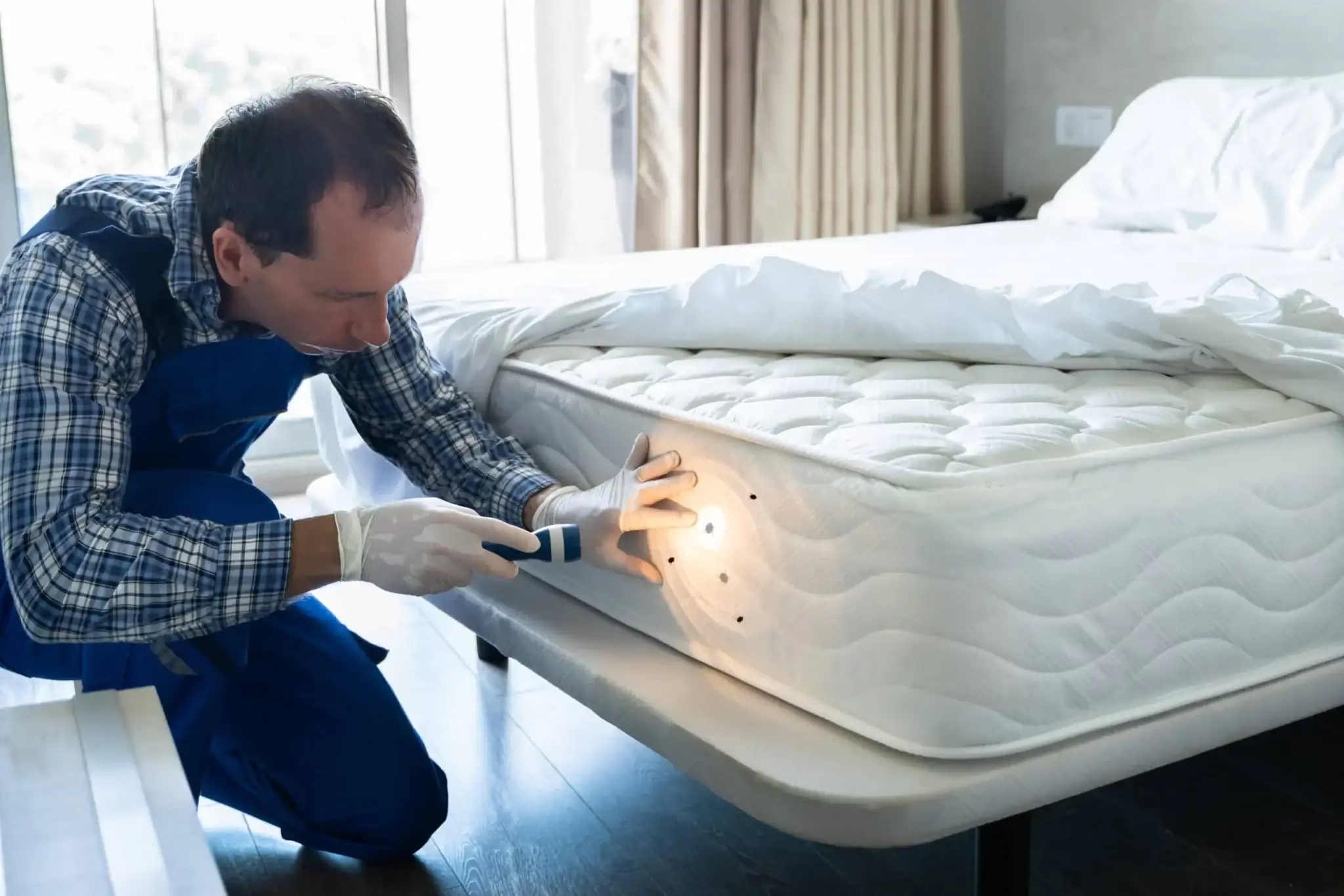

Most homeowners picture a mouse problem as a December thing — something that happens deep into winter when it’s bitter cold outside. In Genesee County, that assumption costs people. Mice start looking for warm shelter in late August, sometimes earlier in agricultural areas like Shiawassee County where harvest activity pushes field mice toward nearby homes. By the time you find droppings in October, they’ve likely been nesting in your walls for weeks. This page covers what rodent proofing actually looks like, why Michigan homes face specific risks, and what it takes to get ahead of the problem instead of reacting to it.
Mice in Walls: What That Scratching Sound Actually Means
That faint scratching behind your drywall at night isn’t something you imagined. Mice typically establish themselves inside wall voids, attics, and crawl spaces long before they venture into kitchens or living areas. By the time you see one running across your floor, there’s a good chance a small population has already been living in your walls for weeks.
The noise tends to peak at night because mice are most active after dark. You might also notice your dog or cat fixating on a particular wall or corner for no obvious reason — that’s often the first real clue. Once they’re inside, mice move fast. A female can produce a new litter every 30 days, with four to six pups per litter. A modest fall intrusion can turn into a serious infestation before the first hard freeze hits.
How Do Mice Get Into Your House in the First Place?
This is the question most homeowners ask after they’ve already found evidence of mice — and it’s the right question, just asked a little late. Mice can squeeze through a gap roughly the size of a dime, about a quarter inch. That’s not a hole you’d necessarily notice on a walk around your house. It might be a small crack where your foundation meets the sill plate, a gap around a utility pipe, a deteriorating crawl space vent screen, or a spot where a dryer vent doesn’t quite seal against the exterior wall.
In Genesee County, the housing stock skews older — a lot of homes here were built during the post-war manufacturing boom when Flint was one of the busiest cities in the country. Those homes are 60 to 80 years old now. Foundations have settled. Mortar has cracked. Pipes that were sealed with caulk in 1975 have long since dried and pulled away. Michigan’s freeze-thaw cycles make this worse every single year. When the ground freezes and thaws repeatedly through winter, it shifts the soil underneath your foundation — and that movement opens new gaps that weren’t there the previous fall. A home that was properly sealed in spring may have new entry points by September.
Rooflines are another common entry point that homeowners miss entirely. Gaps where the fascia meets the soffit, damaged roof vents, and openings around chimney flashing are all legitimate entry points for mice — and for rats, which can fit through a half-inch opening. Firewood stacked against the house gives mice a staging area right next to your exterior walls. Overgrown shrubs and dense landscaping close to the foundation do the same thing.
The point is that entry points are rarely obvious, and there are usually more of them than you’d expect. An experienced technician doing a proper exterior inspection will find gaps that a homeowner walking the perimeter would walk right past. That inspection is where rodent proofing actually starts — not with traps, and not with repellents.
Why Setting Traps Alone Won’t Solve the Problem
Hardware store traps work. They catch mice. The problem is that catching mice and solving a mouse problem are two different things. If the entry points are still open, new mice will replace the ones you caught. You can trap indefinitely and never get ahead of it — which is exactly what happens to a lot of homeowners who try to handle this themselves.
Think of it this way: trapping without sealing the entry points is like bailing out a sinking boat without plugging the hole. You’re managing the symptom, not the source. The same logic applies to repellents — peppermint oil, ultrasonic devices, and similar products might discourage mice from one spot, but they don’t stop entry and they don’t address an existing population.
What actually works is exclusion — physically sealing the gaps mice are using to get inside. The materials matter here. Mice chew through wood, plastic, rubber, and standard window screen without much effort. Effective exclusion uses heavy-gauge steel mesh, metal flashing, copper wool, or professional-grade sealant in combinations that rodents can’t work through. Once the entry points are sealed and the existing population is eliminated through trapping, the problem stops recurring. That’s the difference between a short-term fix and a real solution.
The timing matters too. Sealing entry points after mice are already established inside doesn’t fully solve the problem — you can trap out the population, but it takes longer and costs more. The ideal window is before they’re in, which in Michigan means late summer. If you’re reading this in August or early September and you haven’t had your home inspected, that’s the window you want to use. Waiting until you hear scratching in the walls means the work is already harder than it needed to be.
Mouse Droppings and What They’re Telling You
Finding mouse droppings in a kitchen drawer or along a baseboard is unsettling — and it should be taken seriously, not just for the obvious reason. Mouse droppings, urine, and nesting materials can carry hantavirus, salmonella, and leptospirosis. Hantavirus is particularly concerning because it can be transmitted just by disturbing dried droppings — sweeping or vacuuming an area where mice have been active can aerosolize particles that are then inhaled. Roughly 70% of hantavirus exposures happen around the home.
The volume and location of droppings also tells you something about the scale of the problem. A few droppings in one spot might indicate a mouse passing through. Droppings in multiple rooms, along multiple walls, or in the attic suggest an established population — one that’s been there long enough to explore beyond the wall voids.
What Rodent Exclusion Actually Involves — Step by Step
Rodent exclusion is the professional term for the process of identifying and sealing every point of entry a mouse could use to get into your home. It’s not a single product or a one-time spray — it’s a systematic inspection followed by physical work to close off access.
A proper exclusion service starts on the outside. We walk the entire perimeter of the home, checking the foundation, utility penetrations, vents, roofline, garage door gaps, and any area where two building materials meet. We’re looking for gaps a quarter inch or larger — openings that might look insignificant but are more than enough for a mouse. In older Genesee County homes, this inspection often turns up five to ten entry points, sometimes more.
Once the exterior is mapped, the interior gets checked as well. Attics, crawl spaces, and basements are inspected for signs of existing activity — droppings, gnaw marks, nesting materials, and the dark, greasy rub marks mice leave along their regular routes. This tells us whether there’s already an active population inside and how established it is.
Sealing comes next. We fill gaps with materials rodents can’t chew through — typically heavy-gauge steel mesh for larger openings, copper wool or metal flashing for smaller ones, and professional caulk for fine cracks. The goal is to eliminate every viable entry point, not just the obvious ones. After sealing, trapping handles whatever population is already inside.
What makes this different from a standard pest control visit is the permanence of the approach. We’re not treating for mice — we’re making your home structurally inhospitable to them. That’s what makes rodent proofing a longer-term investment rather than a recurring cost.
How to Get Rid of Mice in a Michigan Home — Honest Answers to Common Questions
**Can I rodent-proof my own house?** Partially. You can seal visible gaps with steel wool or caulk, move firewood away from the house, and set traps along known runways. These steps help. But the entry points homeowners find on their own are rarely all of them. Our inspections cover the roofline, crawl space, and utility penetrations that most people never check — and those are often where mice are actually getting in.
**When should I have my home inspected in Michigan?** The honest answer is late summer — August or early September at the latest. In Genesee County and Shiawassee County, mice start moving toward structures when nighttime temperatures drop below 50°F, which can happen in late August. Shiawassee County’s agricultural areas add another layer: late summer harvests displace field mouse populations, and those mice move toward residential structures earlier than the typical fall timeline suggests. Calling in October isn’t wrong, but by then you’re more likely dealing with an active infestation than a preventable one.
**Does Michigan’s weather make this worse?** Yes, and in a specific way that most national pest control content doesn’t address. Michigan’s freeze-thaw cycles cause frost heave — soil movement that can crack and shift foundations every winter. A gap that didn’t exist when you last had your home inspected may have opened up by the following fall. That’s why annual inspections make sense here in a way they might not in a warmer, more stable climate. A home in Swartz Creek or Davison that was properly sealed two years ago may have new vulnerabilities today.
**Are mouse droppings dangerous to clean up?** Yes. Don’t sweep or vacuum them dry — that disturbs particles that can be inhaled. The CDC recommends ventilating the area first, then using a disinfectant spray to wet the droppings before wiping them up with a paper towel. Wear gloves. If there’s significant contamination — particularly in attic insulation — that’s a job for a professional.
**What if I only saw one mouse?** One mouse in your living space usually means more in the walls. Mice establish themselves in wall voids and attics before they explore the areas where people live. A single sighting is a signal worth taking seriously, not a reason to set one trap and wait.
Rodent Proofing in Genesee County: Act Before Fall Gets Ahead of You
The window for getting ahead of Michigan’s fall rodent season is shorter than most people realize. By the time temperatures drop and mice are actively searching for shelter, the most effective time to act has already passed. Proofing your home in late summer — before they’re established inside — is almost always faster, less expensive, and more effective than addressing an active infestation in November.
We’ve been doing this in Genesee County and Shiawassee County for 20 years. Roger has 26 Michigan fall seasons behind him, and he’s seen the same pattern play out in homes across Swartz Creek, Davison, Grand Blanc, Linden, and beyond. Older homes, frost-heaved foundations, wooded lots, agricultural surroundings — this area has specific conditions that make rodent pressure real and predictable every single year.
If you want to know where your home is vulnerable before mice find out, First Choice Pest Control is the call to make. We’ll tell you exactly what we find and exactly what it takes to fix it — no guesswork, no recurring trap visits that never solve the root problem.