
Hear from Our Customers
You stop avoiding part of your own property. That sounds simple, but if you’ve been routing around the back corner of your barn or keeping the kids away from the tree line all summer, you know how much space a single hornet nest can take back from you. Once it’s handled correctly, that space is yours again.
For properties in Cohoctah Center, the challenge usually isn’t just one visible nest. Rural homesteads here tend to have multiple structures — a detached garage, a barn, a storage shed — and hornets don’t limit themselves to the one spot you found. European hornets specifically target wall voids, barn eaves, and hollow structural cavities in older agricultural buildings. That’s the housing stock this area is built on. A technician who only treats what you can see is leaving work undone.
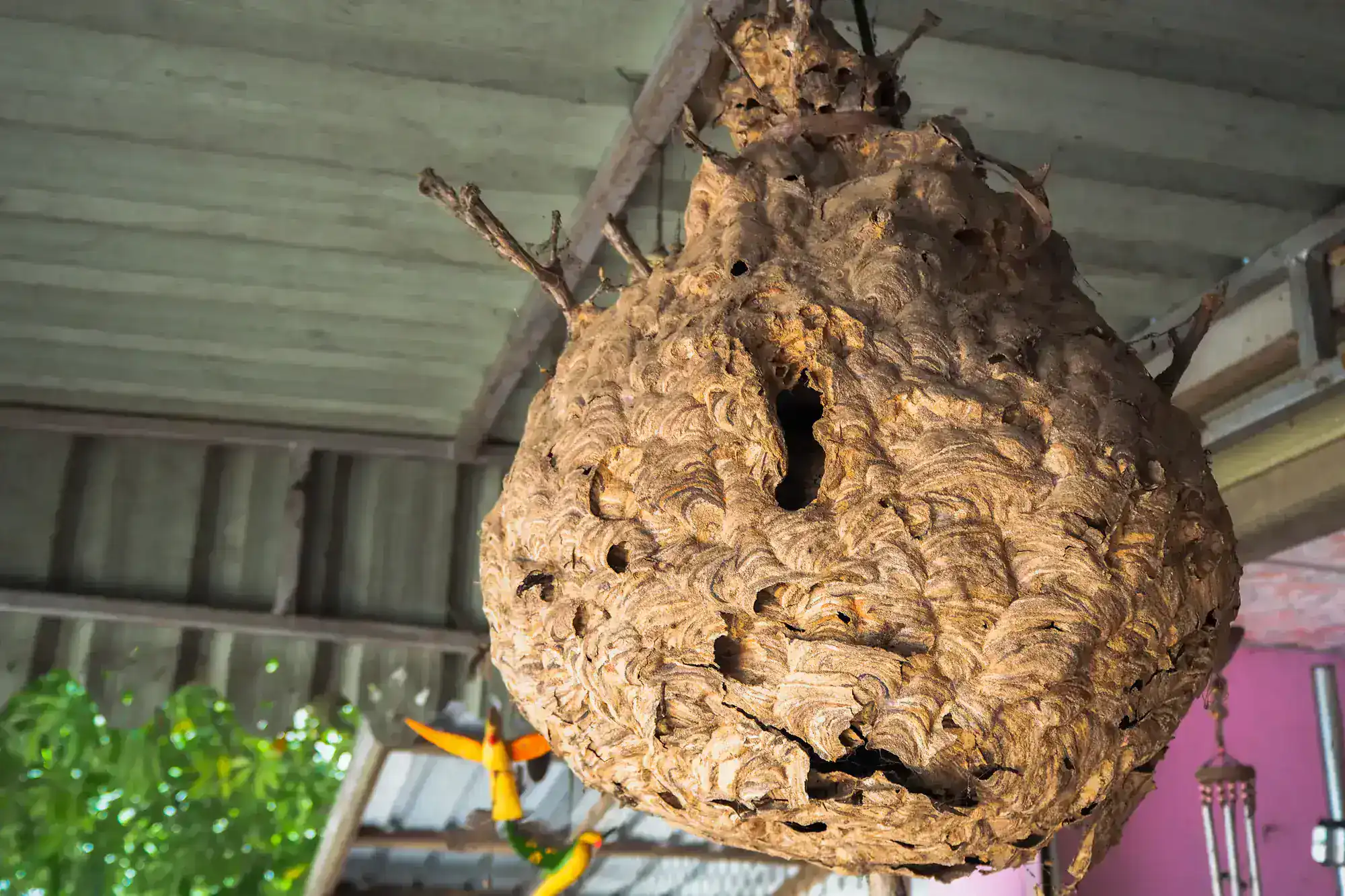
The South Branch of the Shiawassee River runs through the northern part of the township, and the wooded, moisture-rich terrain it creates is exactly the kind of environment where bald-faced hornet colonies grow large before anyone notices them. By late August, a colony that started in April can hold 300 to 400 workers. Getting ahead of that — or handling it properly once it’s there — means you’re not dealing with the same problem again next season.
We’ve been serving rural Livingston County since May 31, 2005. That’s twenty years of showing up on properties along roads like Byron Road and Chase Lake Road — the kind of rural homesteads with long driveways, multiple outbuildings, and pest problems that don’t fit a suburban service model. Roger, our owner, has 26 years of hands-on experience and is still actively involved in the work, not just the business side of it.
What that means for you is consistency. You get the same technician assigned to your property year after year — someone who knows your barn had a nest in the east wall last fall and can spot early signs of a new one before it becomes a summer emergency. That’s not how most pest control companies operate, and in a community like Cohoctah Center where properties are large and conditions vary, it makes a real difference.
We hold Michigan Pesticide Application Business License #250081, carry IPM training certification recognized by MDARD, and have earned recognition from both Angie’s List and HomeAdvisor. These aren’t things we mention to fill space — they’re the baseline you should expect from anyone you let onto your property.
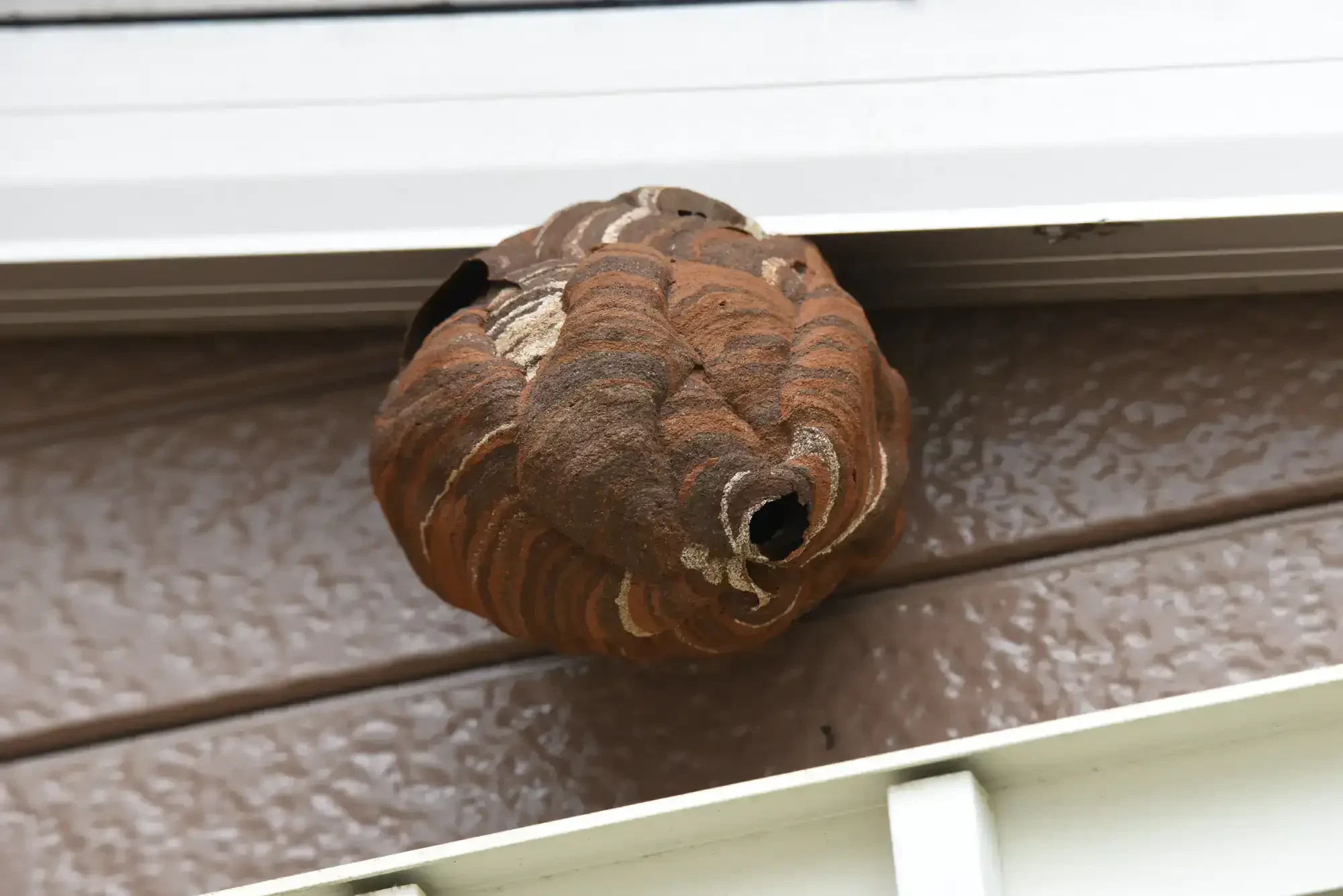
It starts with a proper inspection. On a rural Cohoctah Center property, that means more than checking the roofline. We look at the barn walls, the eaves on outbuildings, the tree line bordering your pasture, and any structural voids in older buildings where European hornets like to establish colonies. Bald-faced hornets build aerial nests in trees and on building exteriors that are easy to spot once they’re large — but the inspection is about finding what you haven’t spotted yet, too.
Once the nests are identified, treatment is targeted and specific. We use IPM methods, which means the treatment fits the pest and the location — not a blanket spray across your entire property. For nests in wall voids or structural cavities, that typically means a professional-grade dust application that reaches inside the void and eliminates the colony at the source. For aerial nests in trees or on building eaves, it means direct treatment with the right product for the situation. If your property has horses or livestock, that matters — and it factors into how and where treatment is applied.
After the work is done, you’ll know what was found, what was treated, and what to watch for going forward. If the job requires a return visit, that’s covered — no additional charge. Hornet season in Livingston County runs from roughly April through October, and late summer is when colonies are at peak size and peak aggression. If you’re calling in August or September, the job is urgent, and we treat it that way.
Ready to get started?
Hornet removal in Cohoctah Center covers the full scope of what rural Livingston County properties actually deal with — not just the nest you found, but a thorough inspection of the structures and terrain where secondary colonies are most likely to form. That includes barns, sheds, detached garages, fence lines, tree canopy borders, and any wall voids or eave spaces in older agricultural buildings. If there’s more than one nest on your property, you’ll know before our technician leaves.
Treatment is handled by a licensed, IPM-certified technician using professional-grade products appropriate for the specific nest type and location. Bald-faced hornets and European hornets require different approaches — bald-faced hornets build exposed aerial nests that are treated directly, while European hornets often nest inside enclosed cavities that require dust applications to reach the colony. Both are handled. If you have animals on the property — horses, livestock, dogs — that’s accounted for in how treatment is applied and where.
We offer flat-rate, upfront pricing with no hidden fees. If you’ve received a quote from another company, bring it — we’ll match reasonable competitor rates. Seniors, veterans, and first responders receive a discount, which is worth mentioning given the demographic makeup of Cohoctah Township. And because we hold Michigan Pesticide Application Business License #250081, you can verify our credentials independently before anyone sets foot on your property.
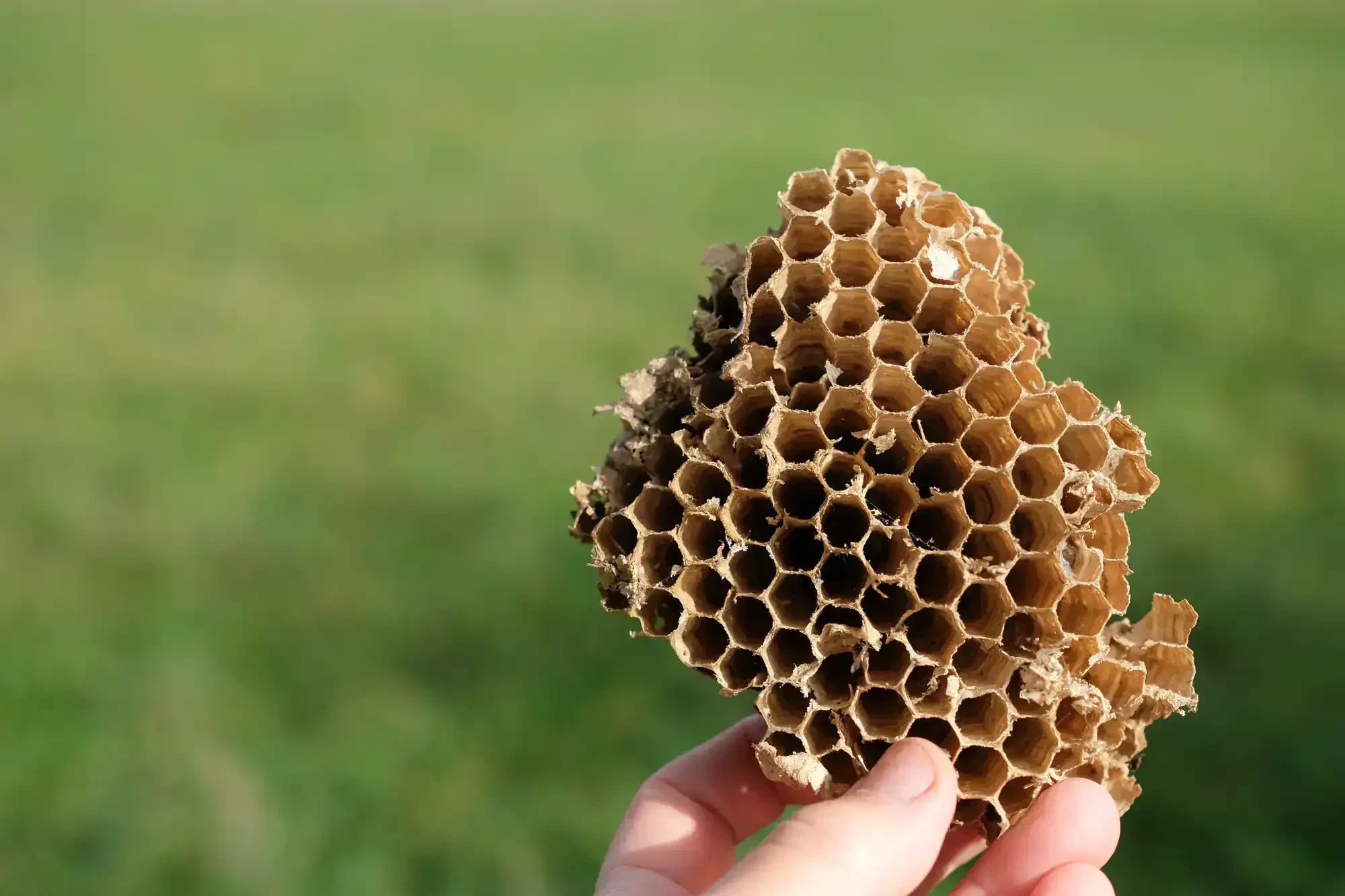
Yes, and it’s not a coincidence. The two hornet species you’re most likely to deal with in Cohoctah Center — bald-faced hornets and European hornets — both thrive in the conditions that define properties here. Bald-faced hornets build large paper nests in trees, shrubs, and on building eaves, and the wooded borders and tree canopy common to rural Livingston County lots give them ideal nesting sites that often go unnoticed until the colony is well established.
European hornets are the ones that specifically target barns, outbuildings, hollow fence posts, wall voids, and structural cavities in older agricultural buildings. If your property has a barn or a detached structure with aging wood, that’s exactly the kind of habitat they look for. The moisture-rich terrain near the South Branch of the Shiawassee River in the northern part of Cohoctah Township also contributes to elevated nest activity, since hornets use damp, decaying wood fiber to construct their nests. Rural properties here face a more complex hornet situation than a typical suburban yard — and that’s worth knowing before you try to handle it yourself.
It does, at least in terms of where you find them and how the colony is structured. Hornets — specifically bald-faced hornets and European hornets — tend to build larger colonies than most wasp species, and their nests are often in locations that require more than a store-bought spray to reach. Bald-faced hornets build enclosed, football-shaped paper nests in trees and on building exteriors. European hornets, which are the only true hornet species native to North America, nest inside enclosed spaces — wall voids, barn interiors, attics, and tree cavities.
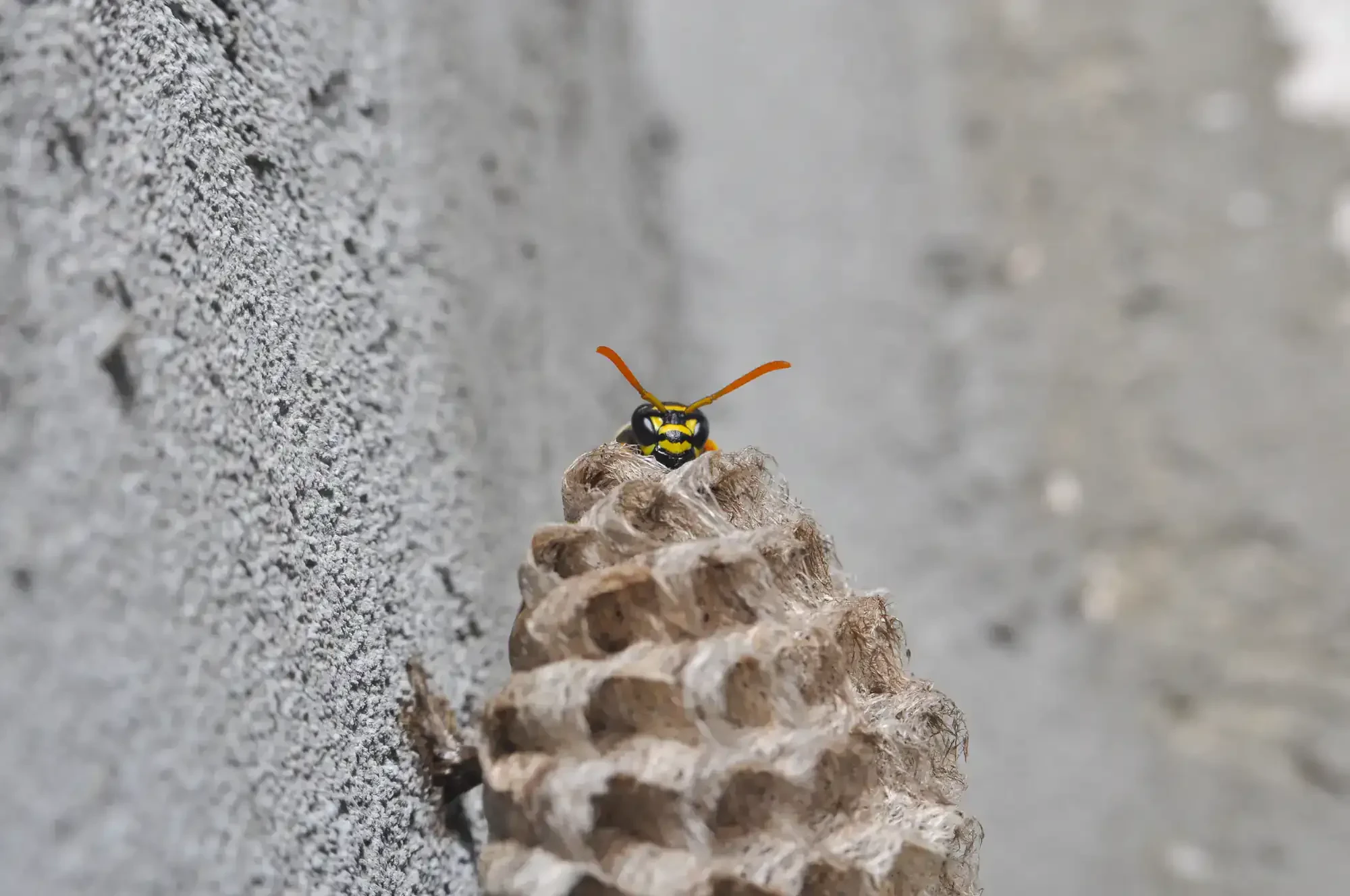
Yellow jackets are technically wasps, not hornets, but they’re often confused with both. They frequently nest in the ground or in wall voids and are extremely aggressive when disturbed — which is usually how homeowners discover them. Treatment for a ground nest is different from treatment for an aerial nest or a wall void colony, and using the wrong approach doesn’t just fail — it can make the situation significantly worse by agitating the colony without eliminating it. A proper identification before any treatment begins is the step that most DIY attempts skip, and it’s the step that determines whether the job actually works.
This is probably the most common reason people call us. Store-bought aerosol sprays work at close range on exposed nests, but they have two significant limitations: they don’t penetrate enclosed spaces, and they don’t eliminate the colony — they agitate it. If the nest is in a wall void, inside a barn wall, or in a tree cavity, the spray never reaches the workers or the queen. The colony retreats further into the structure and often re-establishes within days.
There’s also a timing issue. Spraying a large colony during peak season — August and September, when Livingston County colonies are at full population — without the right protective equipment and treatment approach puts you at serious risk. A bald-faced hornet colony at peak size can have 300 to 400 workers, and they will mount a coordinated defense. The other factor is that eliminating workers doesn’t solve the problem if the queen survives. Our professional treatment uses products and methods designed to reach the queen and collapse the colony at the source, not just knock down the workers you can see.
Early in the season is always easier and less expensive. In Livingston County, queens emerge from winter hibernation in April and begin building new nests. A colony in May might have a handful of workers. That same colony in August could have several hundred. The earlier you catch it, the smaller the job — and the lower the risk to anyone on the property.
That said, most calls come in during late summer, which is completely understandable. Nests are often hidden in tree canopy, barn walls, or outbuilding eaves until the colony is large enough to be noticeable — and by that point, it’s peak season. If you’re calling in August or September, don’t wait any longer. Colonies are at maximum aggression in late summer, especially as temperatures start to drop in the fall and workers become more defensive. It’s also worth knowing that even after a colony dies off in winter, the overwintering queen will return to the same area next spring. Treating the area after removal helps prevent that cycle from repeating on your property.
It can be, and it should be — but it requires a technician who actually accounts for it, not one who applies a standard suburban treatment protocol to a working farm. We use IPM-certified methods, which means treatment is targeted to the specific pest and location rather than broadly applied across your property. That distinction matters when you have horses in a pasture adjacent to a barn where treatment is happening, or livestock in a structure where a nest has established inside the wall.
The specific products we use, the timing of application, and the areas treated are all factors that we adjust based on what’s present on your property. You should always let us know about any animals before treatment begins — where they’re housed, where they graze, and whether there are any areas that need to be off-limits during or immediately after treatment. On Cohoctah Center equestrian properties and working farms, this isn’t an afterthought — it’s part of the job. We’ve been handling exactly these kinds of rural Livingston County properties for twenty years, and it’s a conversation we’re used to having before any work starts.
Yes — we offer discounts for seniors, veterans, and first responders. In a community like Cohoctah Township, where the median resident age is over 50 and a significant portion of homeowners are longtime Michigan residents who’ve served in the military or in public service roles, those discounts apply to a real share of the people calling. It’s worth asking when you schedule.
We also offer price matching for reasonable competitor quotes. If you’ve already gotten a quote from another company and want to compare, bring it. The pricing is flat-rate and upfront — you’ll know what you’re paying before anyone arrives, and there are no additional charges added after the job. For homeowners managing multi-structure rural properties where the scope of work can vary, that kind of pricing transparency removes a lot of the uncertainty that tends to make people hesitant to call in the first place.
Useful Links