
Hear from Our Customers
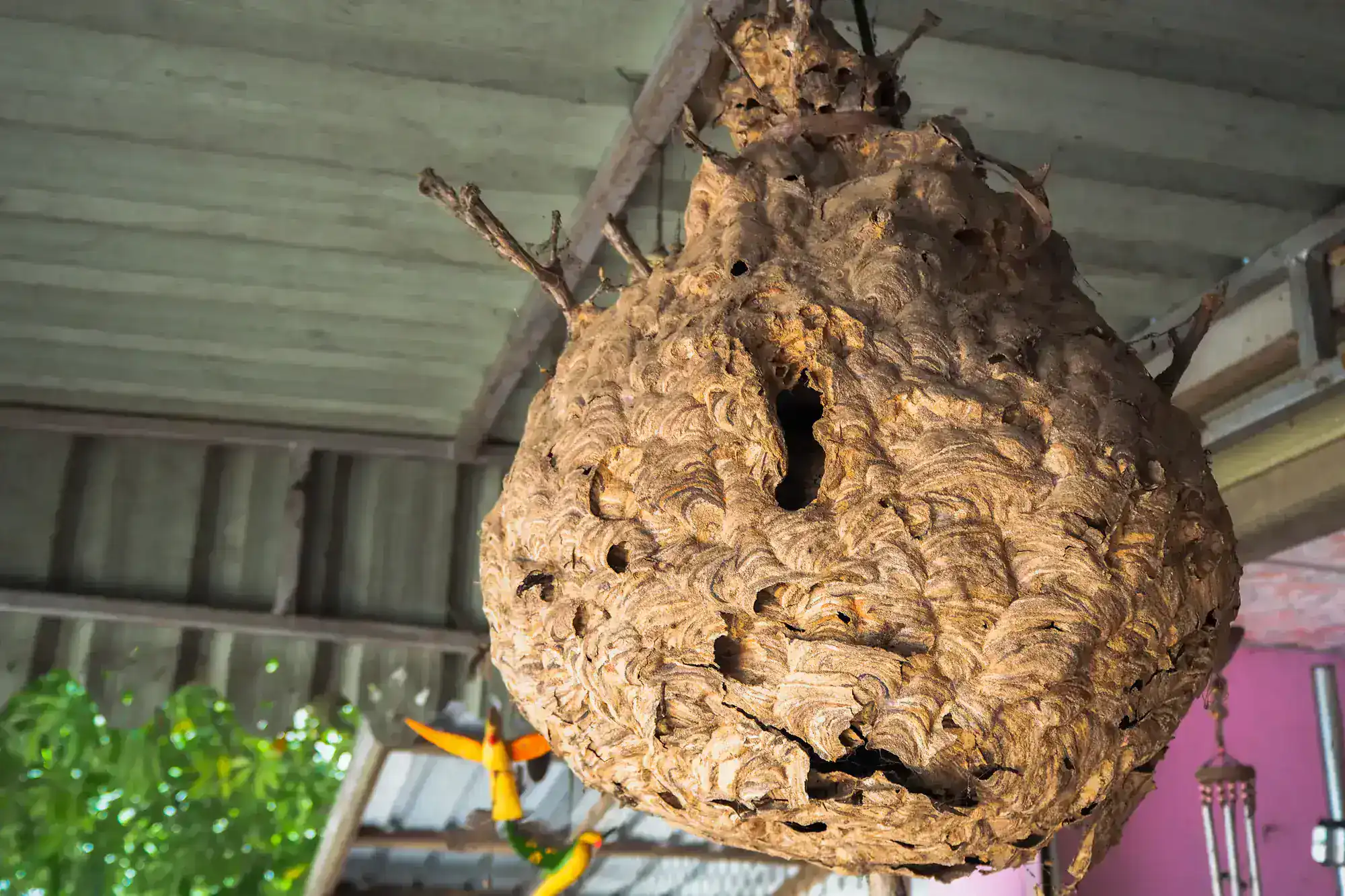
When a hornet nest shows up under your dock overhang or along the eave of your lakeside deck in Lake Fenton, it doesn’t stay a small problem for long. By mid-August — right when you’re hosting on the patio or pulling the boat out — a bald-faced hornet colony can reach 400 to 700 workers. That’s not a nest you spray with something from the hardware store. That’s a situation that gets worse fast if it’s handled wrong.
Lake Fenton properties are especially prone to this. The mature trees, wooded shoreline buffers, and naturalized vegetation around the lake create exactly the kind of sheltered, low-disturbance environment hornets look for when they’re building. Boathouses, dock structures, detached garages, and second-story eaves on lakefront homes give them plenty of options. If your property sits near Barnum Lake, Crooked Lake, or one of the smaller lakes throughout the area, you’ve got even more exposure than most.
Getting this handled professionally means more than just knocking down a nest. It means the colony is fully treated, the site is assessed for re-entry risk, and you’re not back in the same situation three weeks later. We get your property back — the dock, the deck, the yard — without the anxiety of what’s buzzing overhead every time you step outside.
We’ve been serving Lake Fenton and Genesee County since May 31, 2005. That’s 20 years of treating stinging insect problems on the same lakes, wooded lots, and lakefront properties that make up this part of Michigan. Roger, who leads the company, brings 26 years of hands-on pest control experience — not managing from an office, but in the field, doing the work. That kind of experience shows up when a nest is tucked into a boathouse rafter or inside a wall void on a custom lakefront home.
We hold Michigan Pesticide Application Business License #250081, are IPM-certified through MDARD, and have earned recognition from Angie’s List and HomeAdvisor based on verified customer results. A 4.7-star Google rating across real southeast Michigan reviews backs that up. We also assign the same technician to your Lake Fenton property year after year — so whoever shows up at your home isn’t starting from scratch. They know the property, they know the history, and they know what to look for before it becomes a bigger problem.
When you reach out, the first thing that happens is a real conversation — not a runaround. You describe what you’re seeing, where it is, and how long it’s been there. From there, we schedule a visit quickly, because a growing colony in late July or August isn’t something that benefits from a long wait.
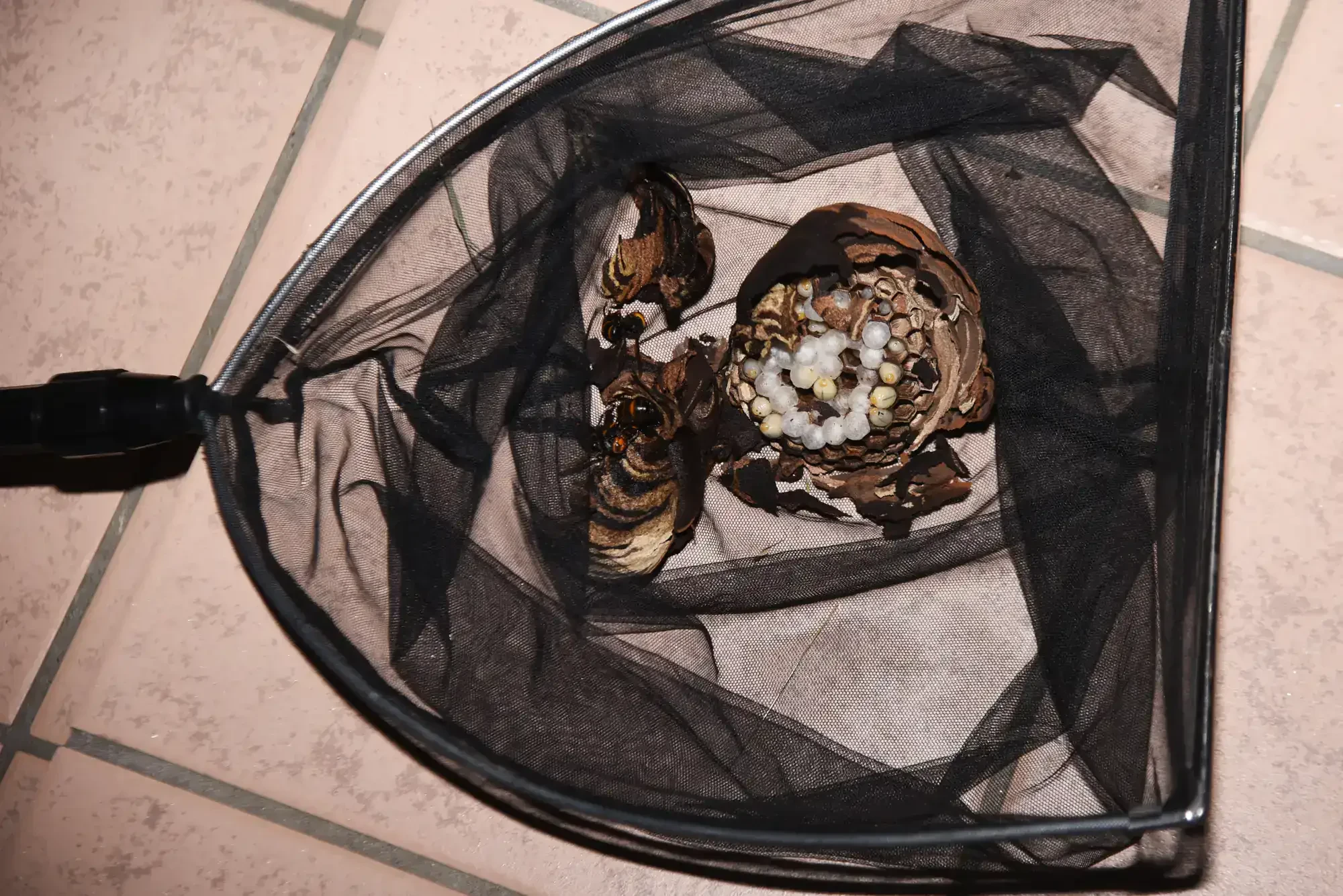
On-site, our technician identifies the species, assesses the size of the colony, and locates the full extent of the nest — including whether there’s activity inside a wall void, under a structure, or in an elevated location that requires specialized equipment. Bald-faced hornets, European hornets, and yellow jackets each behave differently and require different treatment approaches. That identification step matters more than most people realize, and it’s one of the reasons professional removal produces better results than DIY attempts that treat every nest the same way.
We apply treatment using IPM methods — targeted, appropriate, and mindful of the fact that many Lake Fenton properties sit directly on or near a spring-fed lake with an active DNR-managed fishery. After treatment, our technician walks you through what to expect over the next 24 to 48 hours, what signs to watch for, and whether a follow-up visit is warranted. If it is, we come back. That’s part of the job, not an added charge.
Ready to get started?
Hornet removal in Lake Fenton isn’t one-size-fits-all, and we don’t treat it that way. The service starts with a proper inspection — not a glance at the visible nest, but a full assessment of the structure, the entry and exit points, and any secondary activity that might be happening nearby. On lakefront properties especially, it’s common to find more than one nesting site, since the wooded lots and multiple outbuildings that come with Lake Fenton homes give colonies plenty of places to establish.
Treatment is performed by a trained, experienced technician — not a part-time hire working a summer route. We do not staff routes with seasonal college students, which matters when you’re dealing with a large, late-season colony that requires precision, not just a spray and a wave. For nests inside wall voids, we use specialized dust treatment to reach the colony without tearing into the structure. Elevated nests on second-story eaves or boathouse rafters are handled with the right equipment and safety protocols for the job.
All work is backed by a guarantee. If a follow-up visit is needed to fully resolve the problem, we return at no additional charge. Upfront, flat-rate pricing means you know the cost before anyone shows up — no surprises after the fact. Discounts are available for seniors, veterans, and first responders, which is worth mentioning in a community where the median age is over 50 and many longtime residents have served.
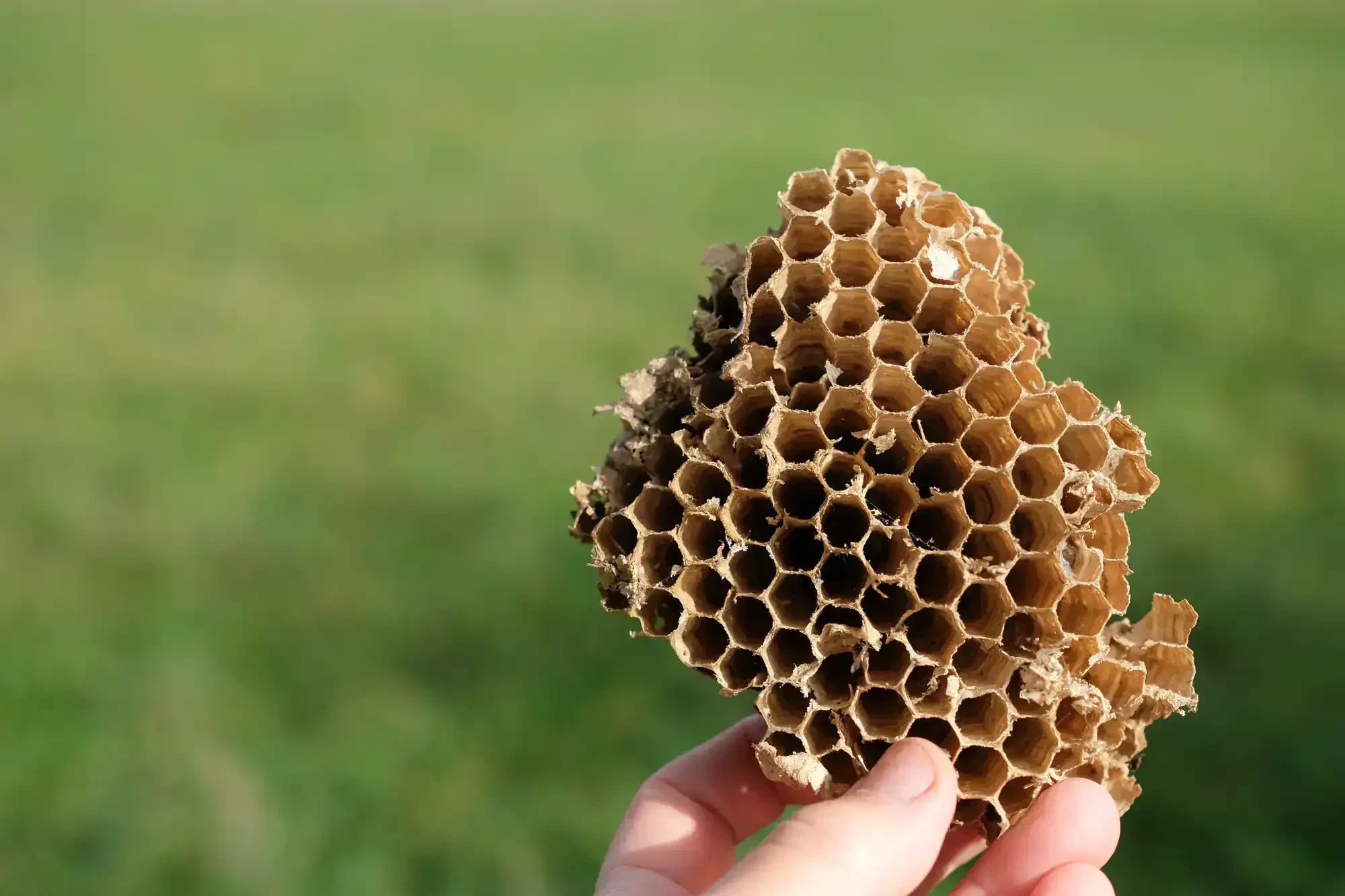
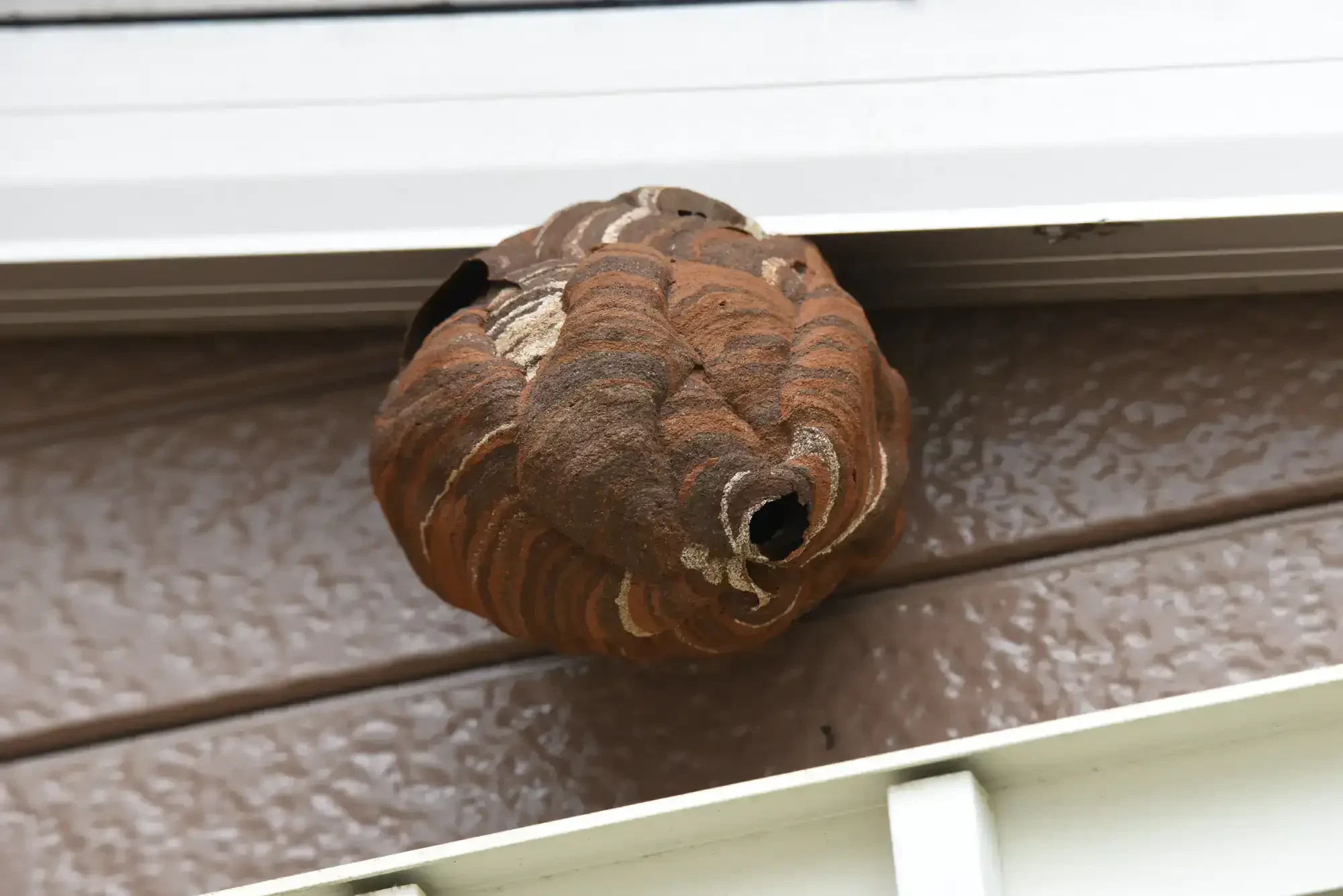
The two you’re most likely dealing with in the Lake Fenton area are bald-faced hornets and European hornets. Bald-faced hornets build the large, enclosed paper nests you’ll often see hanging from tree branches, eaves, or boathouse rafters — they can look like a paper bag early in the season and grow to basketball size by August. They’re aggressive when the nest is disturbed, and a mature colony can hold 400 to 700 workers.
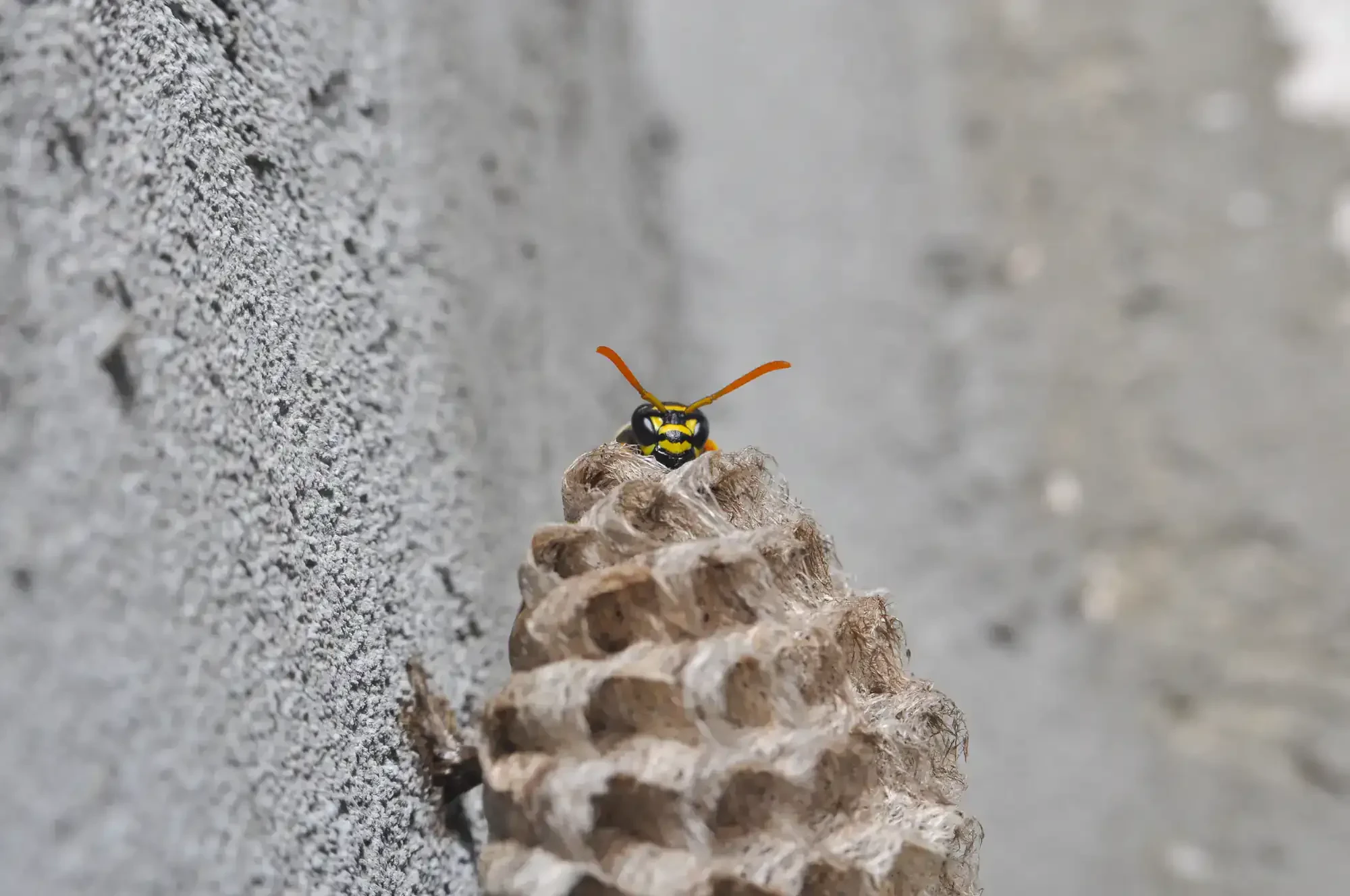
European hornets are the only true hornet species in North America and are noticeably larger than paper wasps. They’re also active at night, which is why you might notice them near outdoor lights on your Lake Fenton deck or dock in the evening. If you’re spending summer nights outside near the water and something large is circling your light fixtures, European hornets are a likely explanation. Both species require professional treatment — the approach differs depending on which one you’re dealing with, which is why proper identification is the first step in any removal.
Faster than most people expect. A bald-faced hornet queen starts a nest in spring with just a handful of cells and no workers. By June, the colony is growing steadily. By late July and into August — which is peak season on Lake Fenton — the nest can hold several hundred workers and the colony is at its most defensive. That’s the worst possible time to discover it’s been there all summer.
The reason nests near docks and boathouses go unnoticed longer than nests near a front door is simple: those structures often aren’t inspected closely until you’re actively using them. A nest that was golf-ball size in May can be a serious hazard by the time you’re pulling the boat out for a weekend. The earlier it’s found and treated, the easier and safer the removal. If you’ve spotted something that looks like it’s just getting started, that’s actually the best time to call — not after it’s had two more months to grow.
Yes, when it’s done by someone who knows what they’re doing and uses the right methods for the environment. Lake Fenton is a spring-fed kettle lake with an active DNR walleye fishery — it’s not the kind of water body where you want broad chemical applications running off into the shoreline. We’re IPM-certified, which means treatment is targeted to the specific pest and situation rather than applied broadly across the property.
In practical terms, that means using the appropriate product in the appropriate amount for the specific nest location — whether that’s a dust treatment for a wall void, a direct application for an aerial nest, or a different method entirely depending on where the nest is and how the structure is built. The goal is to eliminate the colony without unnecessary chemical exposure to the surrounding environment. For Lake Fenton homeowners who care about the water quality they’re living on, that approach matters — and it’s built into how we handle every job.
They can, and it happens more often than people realize — especially in older lakefront homes with complex rooflines, multiple overhangs, and wood-frame construction that develops small gaps over time. Yellow jackets in particular are known for establishing colonies inside wall voids, entering through a small crack near a soffit, a gap around a window frame, or an opening near a foundation. Once they’re inside, the colony can grow significantly before you ever notice it from the outside.
The signs are usually subtle at first: a steady stream of insects entering and exiting a single point on the exterior, a faint buzzing sound from inside a wall, or increased activity near a specific area of the house. If you’re seeing any of those things on your Lake Fenton property, don’t try to seal the entry point — that traps the colony inside and often forces them to chew through drywall to find another way out. The right move is a professional inspection to confirm what’s there and treat it properly with the appropriate dust or injection method that reaches the colony without opening up the wall.
The colony itself won’t — hornet colonies die off each fall in Michigan, and the nest is abandoned. But the fertilized queens that survive winter do so by hibernating in sheltered locations, and they tend to return to areas that worked well before. That means the same eave, the same boathouse rafter, or the same wall void that hosted a colony this year is a candidate for a new one next spring.
Removing the nest after the colony dies in late fall is a good step, but it doesn’t eliminate the risk on its own. A professional inspection in early spring — before queens have had a chance to establish new colonies — gives you a much better chance of catching activity early, when it’s easier and less disruptive to address. We assign the same technician to your Lake Fenton property year after year, which means whoever comes back in spring already knows your property’s history and the specific spots that have been problematic before. That continuity makes early detection a lot more reliable than starting fresh with someone who’s never seen your property.
Yes — we offer discounts for seniors, veterans, and first responders. Lake Fenton has one of the older median populations in Genesee County, with a median age just over 51, and a meaningful number of longtime residents who have served in the military or as first responders. If that describes you or someone in your household, it’s worth asking about when you call to schedule.
Beyond the discounts, we also offer price matching for reasonable competitor quotes. So if you’ve already gotten a quote from another local company and it’s fair, bring it up — we’ll work with you on the price. The bigger picture here is that we operate on flat-rate, upfront pricing with no hidden charges, so you know exactly what you’re paying before anyone shows up at your door. There are no surprise line items after the fact, and no pressure to add services you didn’t ask for. What you’re quoted is what you pay.
Useful Links