Hear from Our Customers
A wasp nest on a Kerr Hill property isn’t just an annoyance — it’s a shutdown. The back field your kids run through, the barn you need to get into, the deck where you spend your evenings — all of it becomes off-limits once a colony gets established and starts defending its space. You shouldn’t have to work around a pest problem on land you own.
What makes rural properties around Kerr Hill different is the sheer number of places a colony can set up without you ever noticing. Older farmhouses, outbuilding eaves, equipment shed rafters, wood piles, and the unmowed margins of a multi-acre lot all give wasps exactly the undisturbed, sheltered space they need to grow from a handful of workers in June to thousands by August. By the time most people in the area call, the colony is already large, aggressive, and close to something they use daily.
When the job is done right, you get more than a dead nest. You get treated entry points, sealed gaps, and a property where the conditions that invited the problem in the first place have been addressed. That’s what changes the outcome from a temporary fix to a real one — and it’s the difference between calling once and calling every season.
We’ve been serving Michigan homeowners since May 31, 2005 — that’s two decades of actual field experience, not a franchise playbook handed down from a corporate office. Roger, our founder, brings 26 years of hands-on pest control knowledge to every job we take on. That experience isn’t a tagline — it shows up in how problems get diagnosed and how treatments get applied.
One thing that sets us apart in a rural area like Kerr Hill and the surrounding Lapeer County communities is our same-technician model. You get the same professional every time, someone who learns your property — where nests have shown up before, which structures are most exposed, where the ground is most likely to harbor a colony. That kind of familiarity doesn’t exist at a national chain.
We’re also recognized by Angie’s List and HomeAdvisor, trained in Integrated Pest Management, and fully licensed and insured in Michigan. No binding contracts. No rotating strangers. Just consistent, accountable service from a company that has a real stake in getting it right.
It starts with a thorough inspection of your property. On a rural Kerr Hill lot, that means checking the obvious spots — eaves, porch ceilings, deck undersides — but also the less obvious ones: barn rafters, outbuilding wall voids, fence lines, wood piles, and the ground. Yellow jackets in Michigan nest underground more often than most people realize, and on a multi-acre property with unmowed field edges, those nests can grow to thousands of workers before anyone stumbles across them.
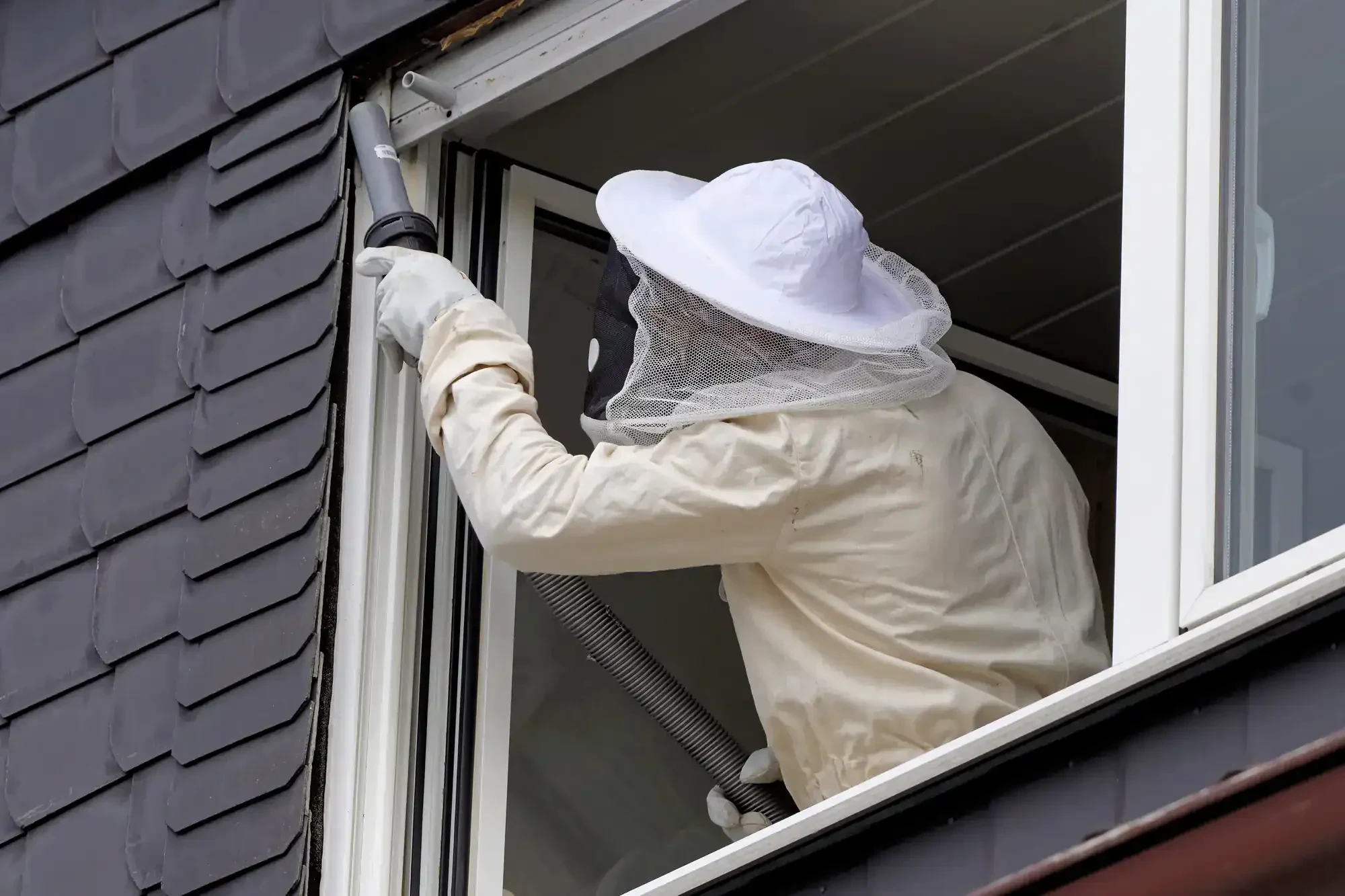
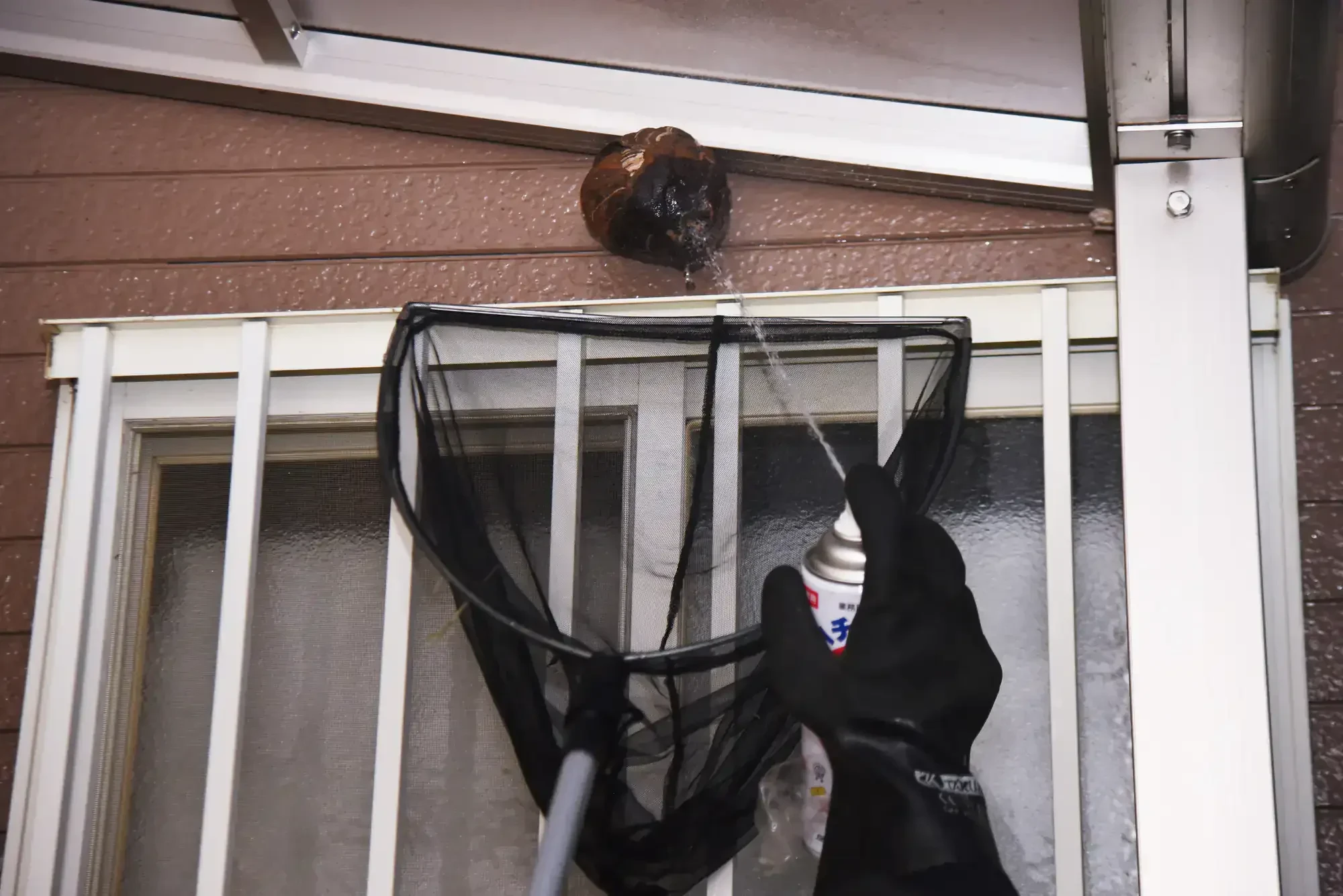
Once the colony is located, we apply treatment using professional-grade products that aren’t available at a hardware store. Our approach is targeted — not a blanket spray across your property — which matters when you have gardens, animals, or well water nearby, as many Kerr Hill homeowners do. After the colony is eliminated, we physically remove the nest structure where accessible and seal entry points to prevent a new colony from claiming the same spot next season.
Michigan’s peak window for yellow jacket activity runs August through September, when colonies are at maximum size and workers are at their most defensive. If you’re calling during that stretch, urgency is the right instinct. If you’re calling earlier, that’s even better — smaller colony, faster treatment, lower risk for everyone involved. Either way, you’ll know what to expect before, during, and after the visit.
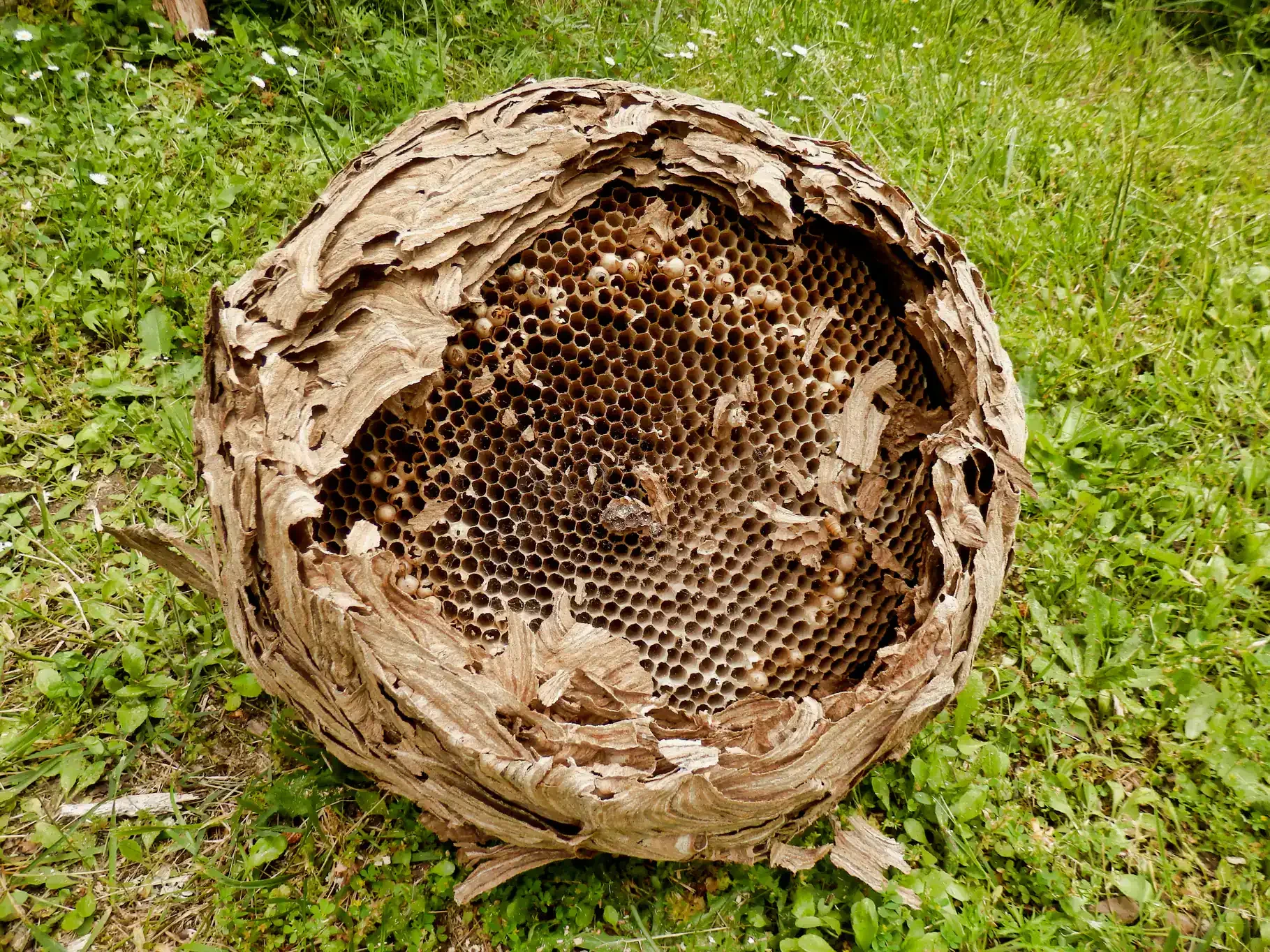
Ready to get started?
A Kerr Hill property isn’t a suburban ranch home, and it shouldn’t be treated like one. The mix of older farmhouses, agricultural outbuildings, wooded lot lines, and proximity to the Metamora-Hadley State Recreation Area creates pest pressure that compounds across a full season. Wasps foraging from colonies established in adjacent natural land regularly extend their range into neighboring residential properties — especially as late summer arrives and food sources start to thin out.
Every wasp nest removal through us covers the full scope: inspection across all structure types on your property, targeted treatment of the active colony, physical removal of the nest where it’s accessible, and sealing of the entry points that gave the colony access. If you’ve received a quote from another Lapeer County provider, we match reasonable competitor rates — so you’re not choosing between quality and cost.
Seniors, veterans, and first responders receive discounts. In a community like Kerr Hill, where volunteer firefighters and longtime residents make up the backbone of the area, that’s not a marketing move — it’s just the right thing to do. If you or someone in your household qualifies, mention it when you call. There are no binding contracts, no fine print surprises, and no pressure to sign up for anything beyond the service you actually need.
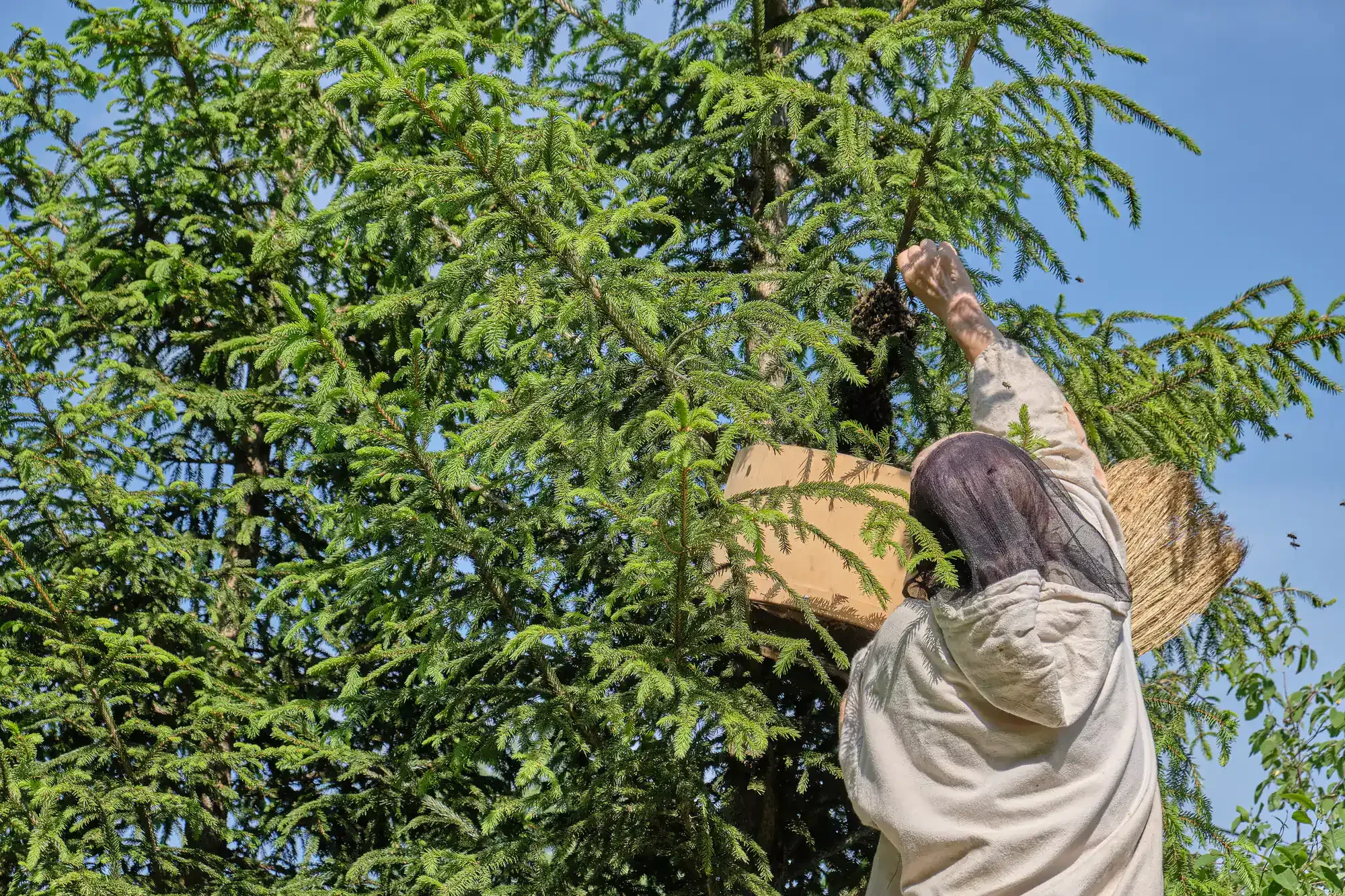
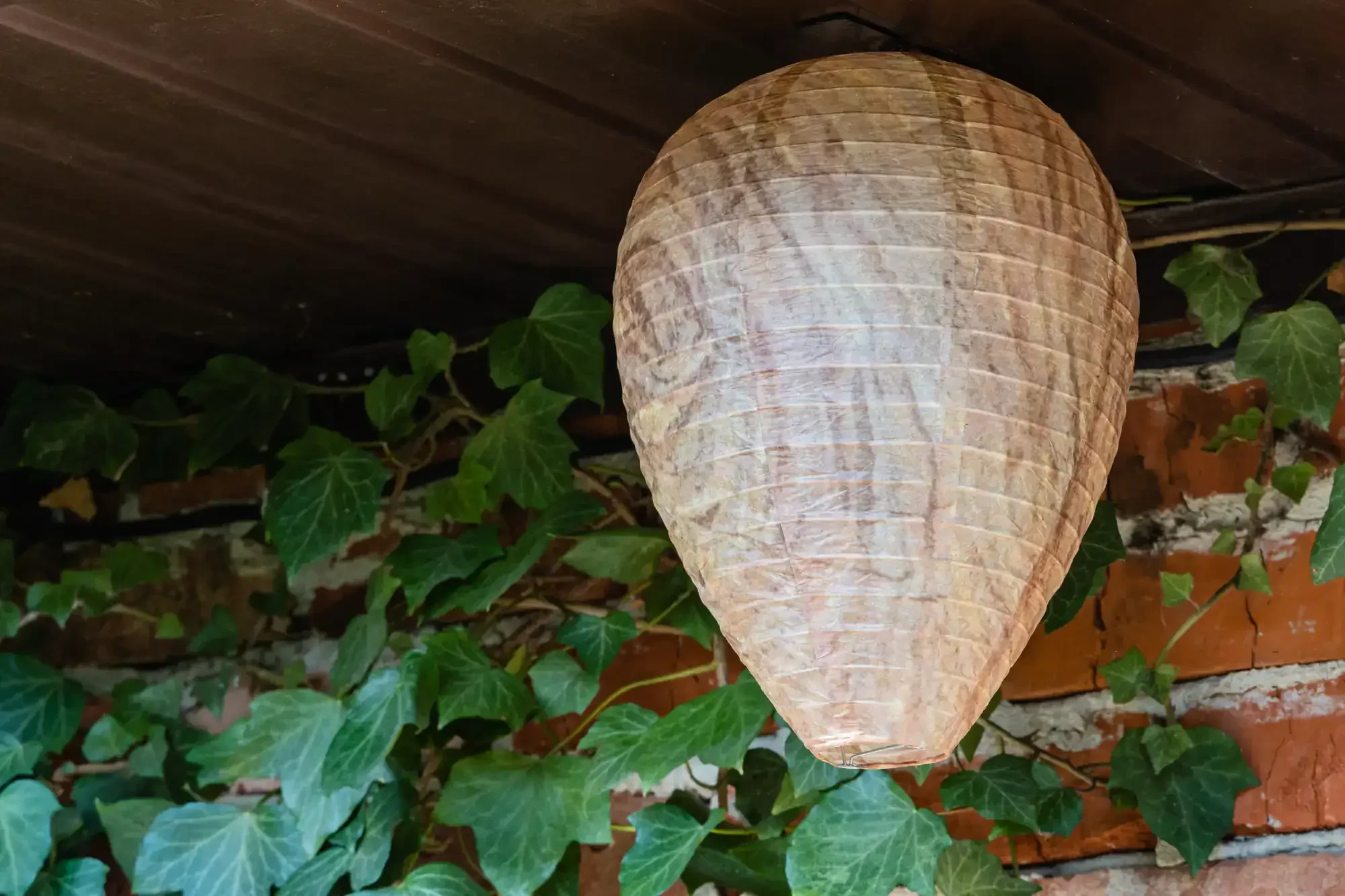
The distinction matters because the two behave and nest differently — and the treatment approach shifts accordingly. Paper wasps typically build the open, umbrella-shaped nests you see hanging from eave corners, porch ceilings, and outbuilding rafters. They’re visible, usually smaller, and the workers are defensive but not as immediately aggressive as yellow jackets. Yellow jackets, on the other hand, most commonly nest underground in Michigan — in abandoned rodent burrows, soil cavities, or voids beneath landscape features like railroad ties or stone borders.
On a rural Kerr Hill property with several acres and multiple structures, you may have both without knowing it. The clearest sign of a ground-nesting yellow jacket colony is a steady stream of workers entering and exiting a small hole in the soil or lawn, especially near a wood pile, field margin, or disturbed earth. If you’ve been stung without seeing an aerial nest, there’s a reasonable chance you’ve got a ground colony somewhere on the property. Either way, a professional inspection is the fastest way to confirm what you’re dealing with and where it is.
For a very small, early-season nest in an easy-to-reach location, some homeowners manage it without incident. But there’s a gap between what the label promises and what actually happens when you’re standing a few feet from an active colony at the wrong time of year. By mid-to-late summer — which is when most people in the Kerr Hill area finally notice a problem — Michigan yellow jacket colonies can have thousands of workers. A single can of hardware store spray applied to a colony that size, especially a ground nest, often agitates more workers than it eliminates, and the ones that survive come out fast.
The other issue is access. On a rural property with aging outbuildings, wall voids, and hard-to-reach eave structures, you may not even be able to get the product to where the colony actually is. Spraying the entrance of a wall void nest, for example, rarely reaches the core of the colony. Professional treatment uses products with deeper penetration and longer residual action, applied in a way that actually disrupts the colony rather than just the workers at the surface. The cost of professional service is a fraction of an ER visit — and that’s not a hypothetical for people with allergies they may not even know they have yet.
August and September are the most dangerous months for stinging insect activity in Michigan, and that holds true across Kerr Hill and the surrounding Lapeer County area. By late summer, yellow jacket colonies that started with a single queen in April have grown to anywhere from 5,000 to 15,000 workers. At the same time, the natural food sources those workers have been feeding on — caterpillars, insects, plant material — start to decline. That pushes them toward scavenging, which makes them more wide-ranging, more aggressive, and far less tolerant of anything they perceive as a threat near the nest.
If you’re planning outdoor activity on your property — kids in the yard, any work near outbuildings, mowing field margins — and you haven’t had the property checked, late summer is when that oversight becomes a real risk. The proximity of Kerr Hill to the Metamora-Hadley State Recreation Area also means that natural land adjacent to residential properties sustains larger wasp populations through the season than you’d find in a more developed area. Earlier treatment is always the better outcome — smaller colony, faster resolution, lower risk. But if you’re calling in August, that’s still the right call. Don’t wait it out.
The honest answer is that cost depends on what you’re dealing with — the species, the location of the nest, how large the colony is, and how accessible the site is. A visible paper wasp nest on an eave is a straightforward job. A yellow jacket colony buried in a wall void of an old barn, or a ground nest in a field margin on a multi-acre lot, takes more time and more product to address completely. National averages for wasp nest removal run roughly $375 to $525 for aerial nests, with yellow jacket removal — particularly underground colonies — averaging closer to $725 due to the added complexity.
What you’re paying for isn’t just the treatment. It’s the inspection, the correct identification, the professional-grade product, the physical nest removal, and the entry-point sealing that keeps the same location from being recolonized next season. We also match reasonable competitor rates, so if you’ve already gotten a quote from another provider in the Lapeer County area, bring it up when you call. You don’t have to choose between a lower price and a company that will actually do the job completely.
Yes, and it’s more common than most people expect — especially on rural properties with older structures. Wasps don’t return to a treated nest the following season, but they do return to favorable locations. If the conditions that made a spot attractive in the first place are still there — a gap in the barn siding, an open soffit, a void under a deck board — a new queen emerging in spring will find it just as appealing as the last one did. This is why physical nest removal and entry-point sealing are not optional steps in a complete treatment.
On a Kerr Hill property with aging outbuildings, farmhouse construction from earlier decades, and a landscape that naturally borders wooded areas and field margins, there are typically more potential nesting sites than on a newer suburban property. Our same-technician model means the professional who treats your property this season will remember where the problem was, which structures were most vulnerable, and what was sealed — so if activity shows up again, the follow-up is faster and more targeted. That kind of continuity is genuinely useful on a rural property, and it’s not something you get from a company that sends a different person every time.
Yes — we offer discounts for seniors, veterans, and first responders. Kerr Hill and the broader Hadley Township area have volunteer firefighters and longtime residents who’ve put in years of service in various capacities. Those discounts exist because that kind of contribution deserves recognition, not because it’s a line item on a marketing checklist. If you or someone in your household qualifies, just mention it when you call and it’ll be applied to your service.
Beyond the discounts, we also match reasonable competitor rates. So if you’ve already gotten a quote from another pest control company serving the Lapeer County area, you’re not locked into paying more just because you want a company with a longer track record and a consistent technician. There are no binding contracts attached to any service, which means you’re making a decision based on results — not because you signed something that obligates you to keep calling. That’s the way it should work.
Useful Links