
Hear from Our Customers
Most pest control calls are inconvenient. In Metamora, they can be genuinely dangerous. When you’ve got horses in the paddock, kids on the trails, and a barn full of nesting spots that a paper wasp would love, the stakes are different here than they are in a subdivision with a quarter-acre lot. A yellow jacket colony that builds undetected along your fence line or under a run-in shed roof isn’t just a nuisance — it’s a liability.
Metamora’s rolling terrain and mature hardwood cover create ideal conditions for ground-nesting yellow jackets, the species most likely to go unnoticed until someone — or something — disturbs the colony. By late August, those colonies can hold thousands of workers in full defensive mode. That’s the same window when equestrian activity, outdoor entertaining, and property maintenance are all happening at once.
What you get after professional wasp nest removal isn’t just a dead nest. It’s the ability to mow your back field without scanning the ground first. It’s your horses moving freely in the pasture. It’s your kids using the yard again. That’s the outcome — and it’s what we work toward on every Metamora property we treat.
We’ve been serving Lapeer County since 2005. That’s twenty years of treating properties across the county — from the wooded lots in Metamora Woods to the larger equestrian estates along Hunter’s Creek. Roger Chinault founded First Choice Pest Control and brings 26 years of hands-on pest control experience. He built this company around a straightforward idea: send a skilled, consistent technician, do the job right, and earn the next call through results — not a contract.
Every customer gets the same technician year after year. That means the person treating your Metamora property this summer already knows your barn layout, your outbuildings, and where the problem spots tend to show up when fall rolls around. No part-time techs, no seasonal fill-ins. We hold Integrated Pest Management certification, are fully licensed through the Michigan Department of Agriculture and Rural Development, and have earned recognition from both Angie’s List and HomeAdvisor. Discounts are available for seniors, veterans, and first responders.
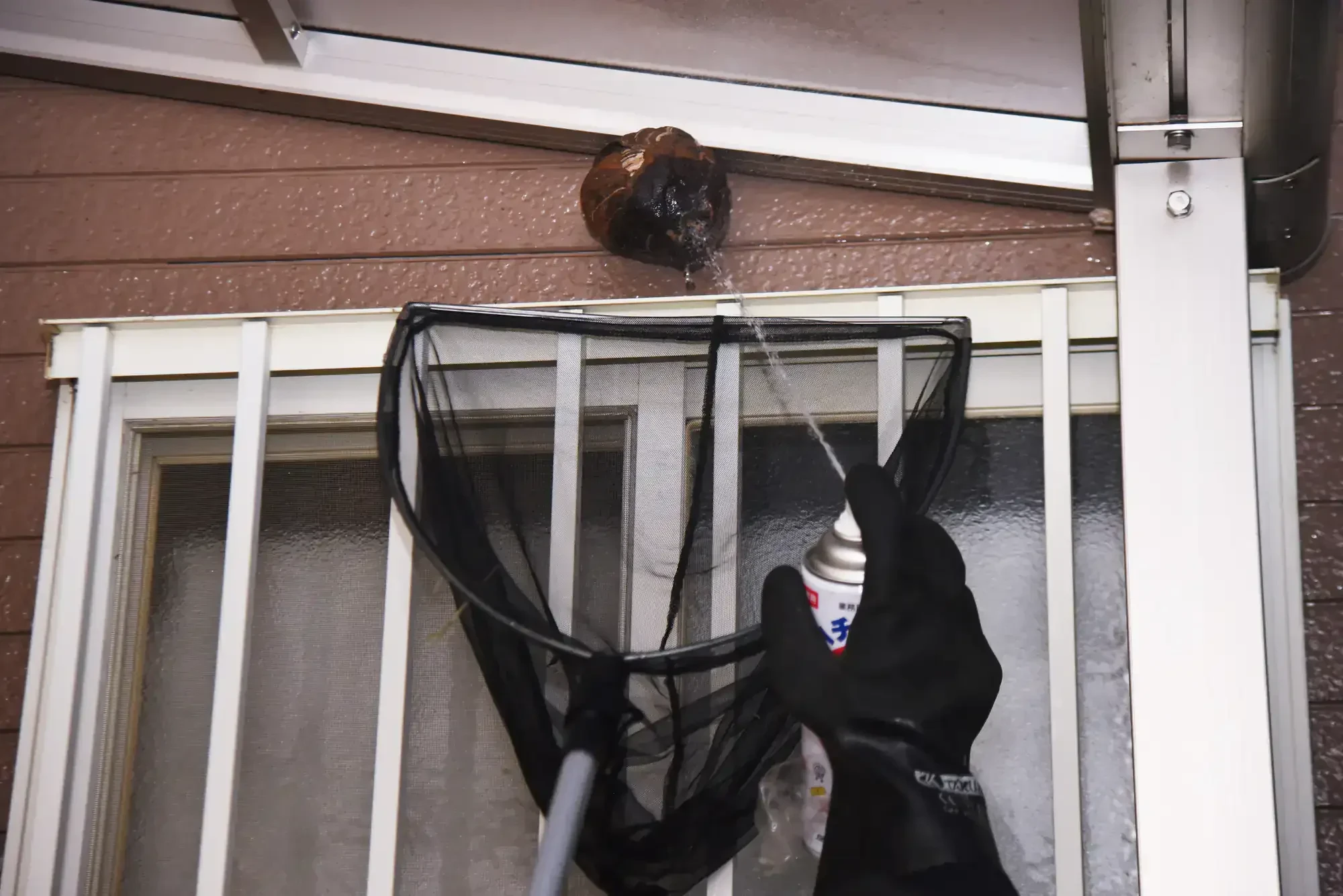
A Metamora property isn’t a suburban house with one roofline to check. It’s acreage, outbuildings, tree lines, fence rows, and often a barn or stable that hasn’t had a professional walk through it in years. That’s where the inspection starts — not just the main residence, but every structure on the property. Ground-nesting yellow jackets are especially common on Metamora’s hilly, wooded lots, and they don’t announce themselves. Finding them takes a trained eye and a willingness to cover the full property.
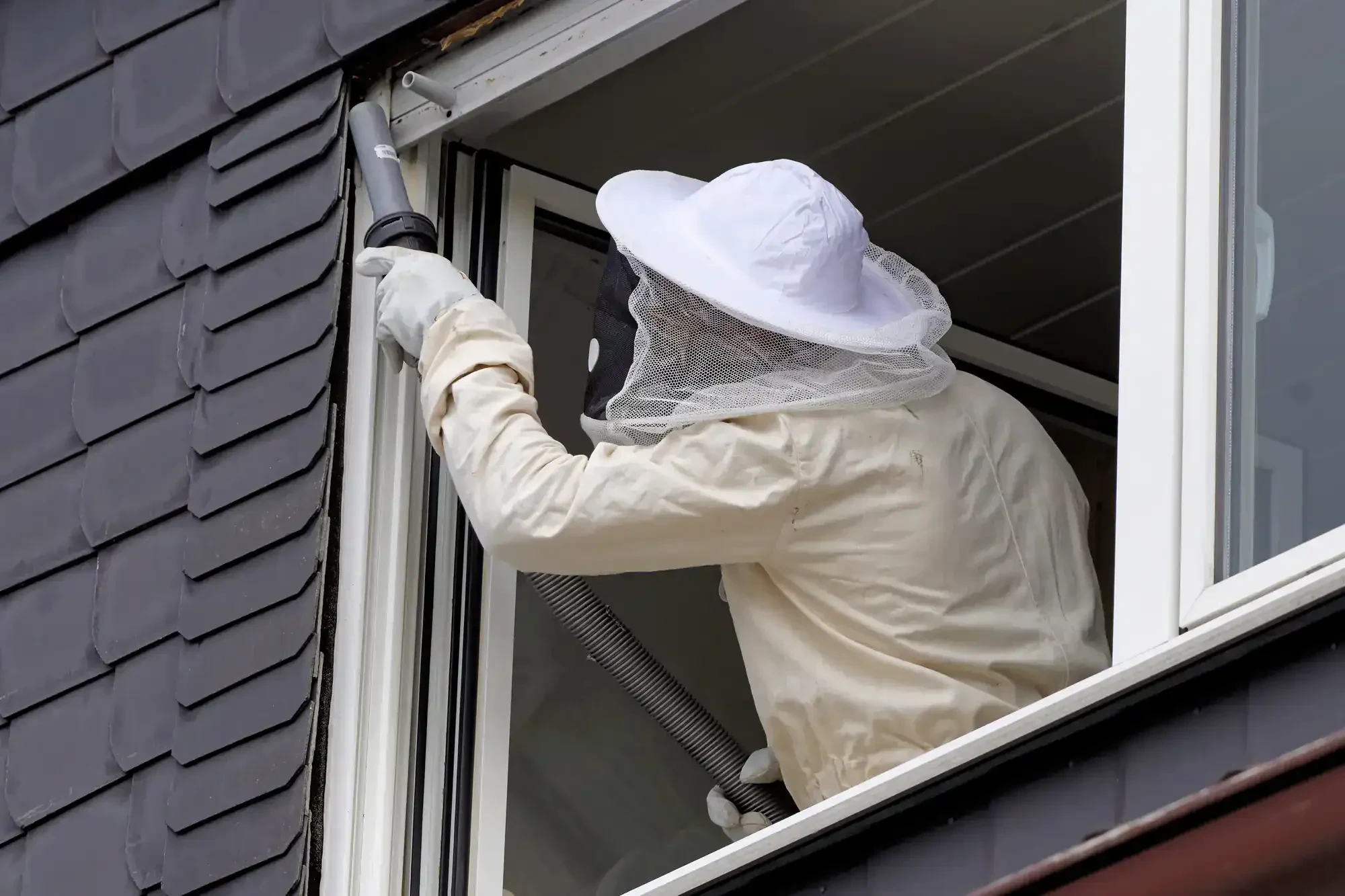
Once every active nest is located, we apply treatment using the appropriate method for each nest type and location. An aerial paper wasp nest under barn eaves gets handled differently than a yellow jacket colony in a wall void or a ground nest along a trail. After the colony is eliminated, the nest structure is physically removed where accessible, and entry points are sealed to prevent re-colonization. For equestrian properties, re-entry timing for horses is addressed specifically — not with a vague “wait a few hours,” but with clear guidance based on what was applied and where.
If anything comes back between visits, we return. No debate, no extra charge. That’s what a callback guarantee looks like in practice.
Ready to get started?
Most wasp control services are designed around a single-family home with one or two exterior walls to treat. That model doesn’t work on a Metamora property with a detached garage, a hay barn, a run-in shed, and fifty feet of wooded fence line. We treat the full property — every structure, every potential nesting site — because leaving one active colony behind on a five-acre lot defeats the purpose of calling a professional in the first place.
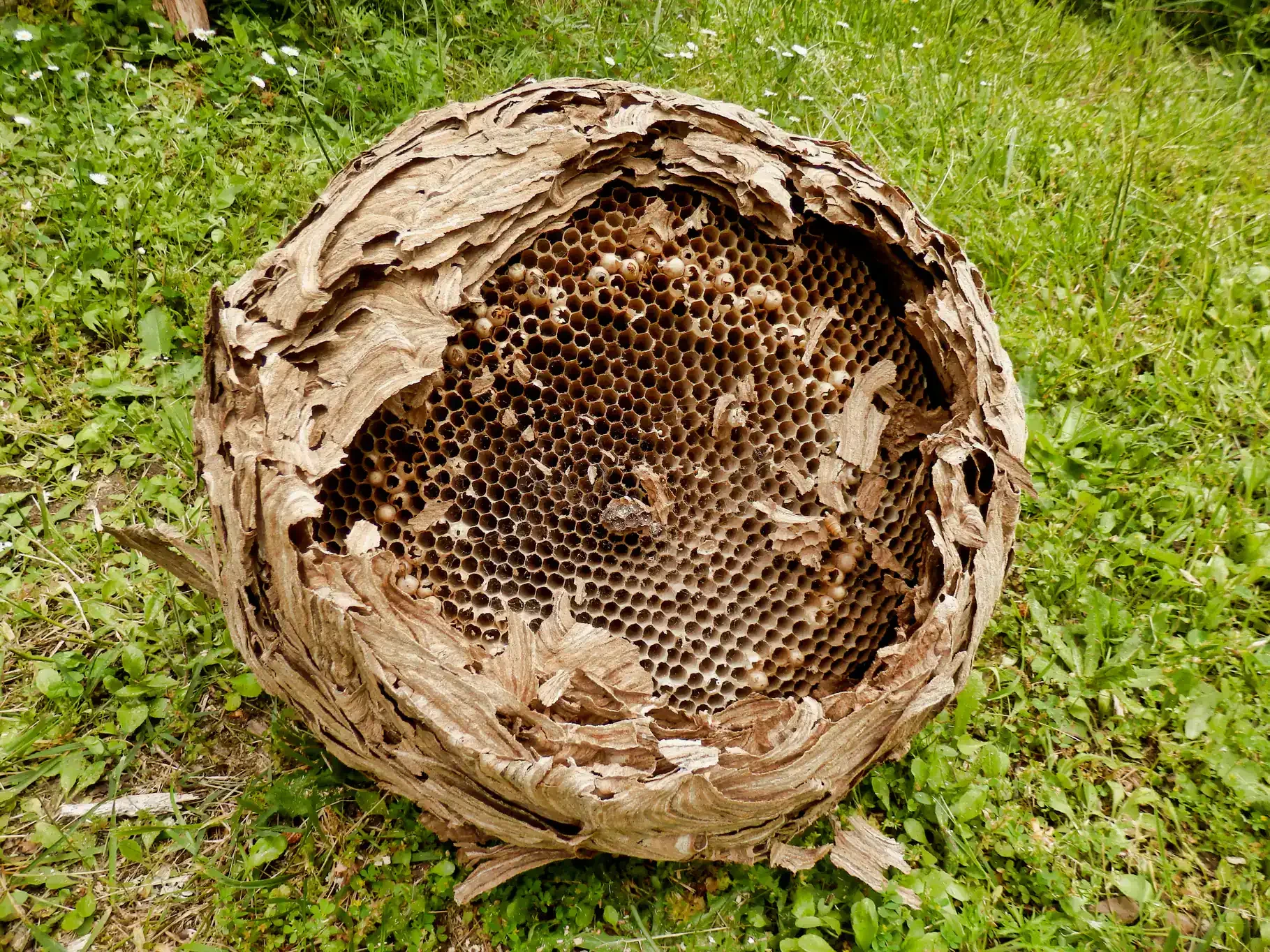
The species common to Metamora Township each require a different approach. Paper wasps building open-comb nests in barn rafters are visible but still dangerous to remove without the right equipment. Bald-faced hornets construct large enclosed nests in trees and on exterior walls and are among the most aggressive species in Michigan when disturbed. Yellow jackets nesting in the ground — especially on Metamora’s elevated, well-drained terrain — are the hardest to find and the most likely to trigger a mass sting response. Each of these gets treated specifically, not with a one-size approach.
We also offer price matching for reasonable competitor quotes. If you’ve gotten a quote from another Lapeer County provider, bring it. The goal is to make sure you’re not choosing between quality and cost — you shouldn’t have to.
It is safe when it’s done by a licensed professional using the right products and application methods — and when re-entry timing is communicated clearly. The concern is legitimate. Horses are sensitive to certain pesticide formulations, and a treatment applied incorrectly near a barn or paddock can create a secondary problem while solving the first one. That’s why it matters who you call.
We use Integrated Pest Management methods, which means the treatment is targeted to the nest and the immediate area — not broadcast across the entire property. After treatment near equestrian facilities, we provide specific re-entry guidance based on what was applied, where it was applied, and the current conditions on your property. “Wait a few hours” isn’t an answer. You’ll know exactly when it’s safe to bring your horses back into the treated area, and we won’t leave until that’s clear.
Ground-nesting yellow jackets are easy to miss until you’ve already disturbed the colony. The most common signs are a steady stream of wasps entering and exiting a small hole in the ground — often near a tree root, along a fence line, or in a patch of loose soil on a hillside. On Metamora’s elevated, wooded lots, these nests tend to establish in well-drained areas with ground cover, which describes most of the township’s terrain.
The problem is that by the time most homeowners notice the activity, the colony is already large. A yellow jacket ground nest can hold several thousand workers by midsummer, and they respond to vibration — which means mowing, walking, or working near the nest can trigger a defensive response with very little warning. If you’re seeing wasp activity at ground level anywhere on your property, don’t probe it yourself. Call for a professional inspection. Finding the nest safely is the first step, and it’s not one to skip.
Late summer — August through September — is the highest-risk window, and it’s not close. By that point in the season, yellow jacket colonies have reached their maximum size, and worker behavior shifts from building and foraging to aggressive defense of the colony. That shift happens to coincide with the time of year when Metamora residents are most active outdoors: equestrian activities, outdoor entertaining, trail use near the Metamora-Hadley Recreation Area, and end-of-season property maintenance all peak at the same time.
Spring is actually the best time to treat, when queens are establishing new colonies and nest sizes are still small. A nest treated in May is a fraction of the problem it becomes by August. That said, if you’re finding active nests in late summer, don’t wait for fall. Colonies don’t abandon nests until after the first hard frost, and the risk of a serious sting incident is highest during peak season. Whenever you find an active nest, the right time to remove it is now.
They can, and on a property like those throughout Metamora Township, it’s a real consideration. Wasp queens that successfully overwinter — which is easier to do in areas with abundant wooded cover, like the hardwood lots throughout the township — will seek out new nesting sites in spring. They’re drawn to the same favorable conditions that supported previous colonies: sheltered eaves, wall voids in older structures, well-drained elevated ground. If those conditions aren’t addressed after treatment, a new colony can establish in the same location the following season.
After eliminating an active colony, we remove the physical nest structure where accessible and seal structural entry points to reduce the likelihood of re-colonization. For older barns and outbuildings — common throughout Metamora — this step is especially important because aging structures have more gaps and cavities than newer construction. The same technician returning to your property year after year also means they already know where the problem spots are, which makes early detection faster and treatment more targeted.
Cost varies depending on the number of nests, the species involved, nest location and accessibility, and the size of the property being treated. A single accessible paper wasp nest on a residential home is a straightforward job. A Metamora property with multiple outbuildings, a barn, and potential ground nests across several acres requires a full inspection and a more comprehensive treatment plan — and the cost reflects that scope.
What’s worth understanding is that the cost of a professional treatment is almost always less than the cost of a failed DIY attempt followed by a professional call anyway — plus whatever sting-related medical expenses or veterinary bills come with the delay. We offer price matching for reasonable competitor quotes in the Lapeer County area, so if you’ve gotten another number from a local provider, bring it. You’re not choosing between quality and affordability here — you can have both.
Yes. We offer discounts for seniors, veterans, and first responders. Metamora Township has a meaningful population of long-time homeowners and retirees — people who’ve maintained their properties for decades and deserve straightforward, honest service at a fair price. If you or someone in your household qualifies, just mention it when you call.
Beyond the discount, there’s no binding contract required for any service. That’s a deliberate decision. A company that relies on a signed agreement to keep customers isn’t relying on the quality of its work. We’ve been operating in Lapeer County since 2005 — twenty years of customers who come back because the job was done right, not because they were locked in. If you qualify for a discount, you’ll get it. If the treatment works — and it will — you’ll call again because you want to.
Useful Links