
Hear from Our Customers
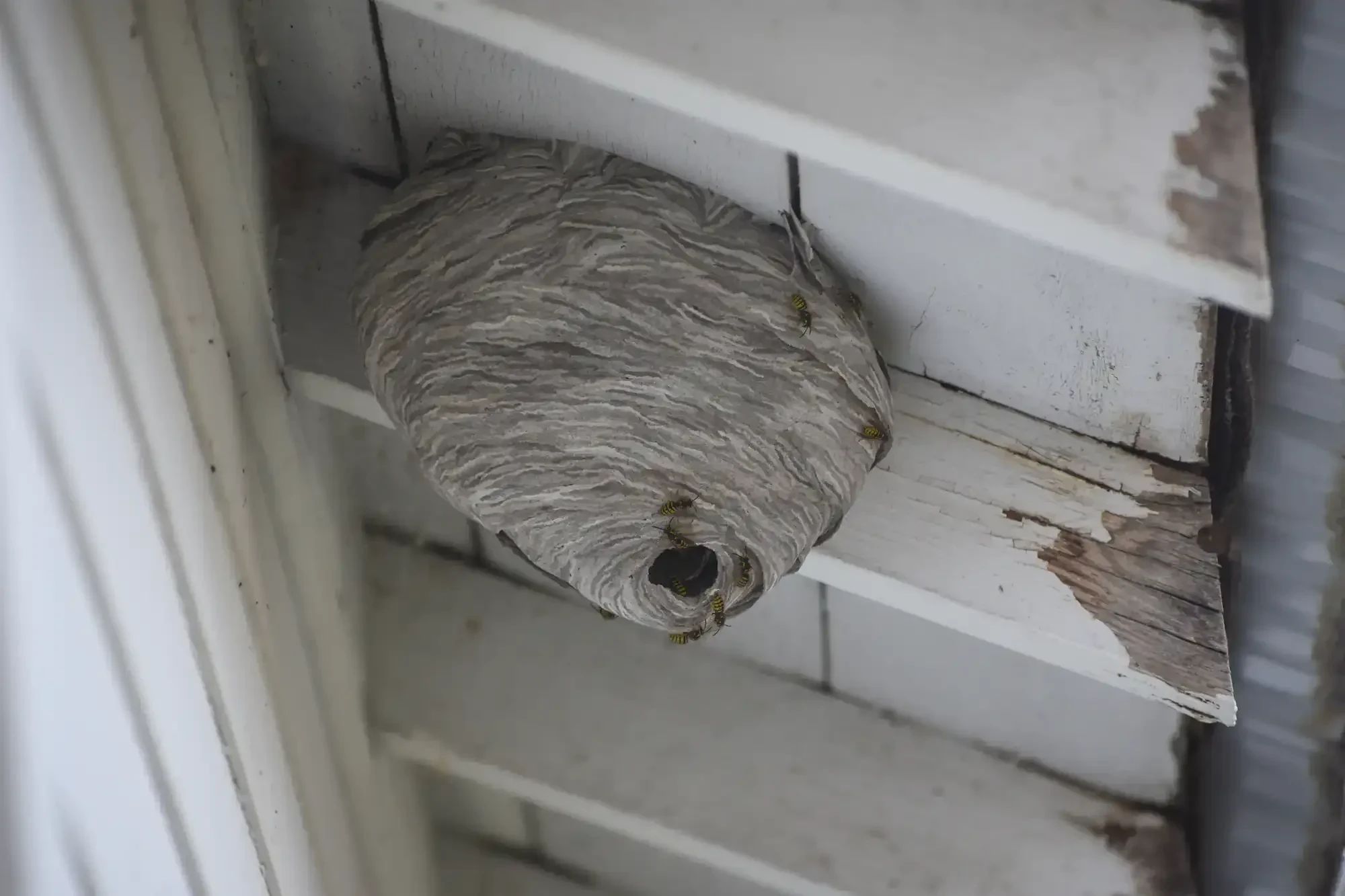
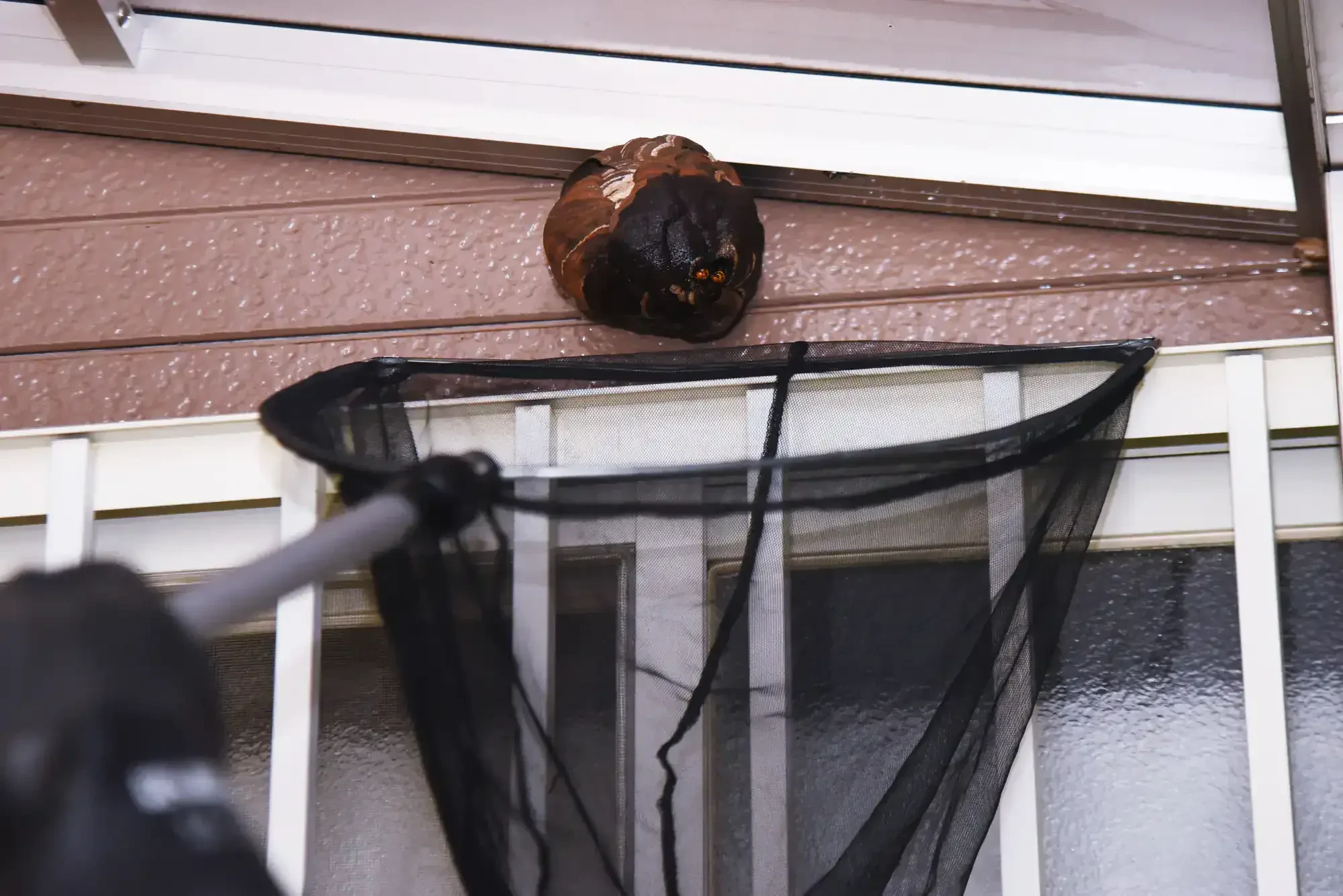
Yellow jackets don’t just sting — they set up inside your home and stay there. When a colony moves into a wall void or attic in a mid-century Davidson home, it doesn’t stop growing until something stops it. By late August, you could be dealing with thousands of workers chewing through drywall and insulation, all while getting more aggressive by the day.
Getting that colony removed means your yard is usable again. Your kids can play outside without you scanning every corner of the lawn. You can sit on the deck without a yellow jacket landing in your drink. That’s the difference between a summer you actually enjoy and one you spend avoiding your own backyard.
What most people don’t realize is that a nest left inside a wall doesn’t just go away in winter. The structural damage stays. The entry point stays open. And next spring, a new queen will find it. Homes along the older streets near Davidson High School and throughout the township’s established neighborhoods see this repeat pattern constantly. One treatment done right — with the actual colony eliminated, not just disturbed — breaks that cycle for good.
We founded First Choice Pest Control in 1998 and have been headquartered in Swartz Creek ever since — just down the road from Davidson via M-15. This isn’t a national brand routing calls through a regional dispatch center. Roger, who leads our company and has 26 years of hands-on experience, built this business from the ground up in Genesee County.
One of the things that actually sets us apart is the same-technician model. You get the same trained professional each time — someone who knows your property, knows where the problem was last year, and isn’t learning your home on your dime. We also don’t use part-time college students as field technicians. Every person we send out is a trained professional, full stop.
We hold a Michigan MDARD Pesticide Application Business License, have completed Integrated Pest Management training, and carry a 4.7 out of 5 rating on Angi. No binding contracts. A 1-year service guarantee. And price matching for any reasonable competitor quote.
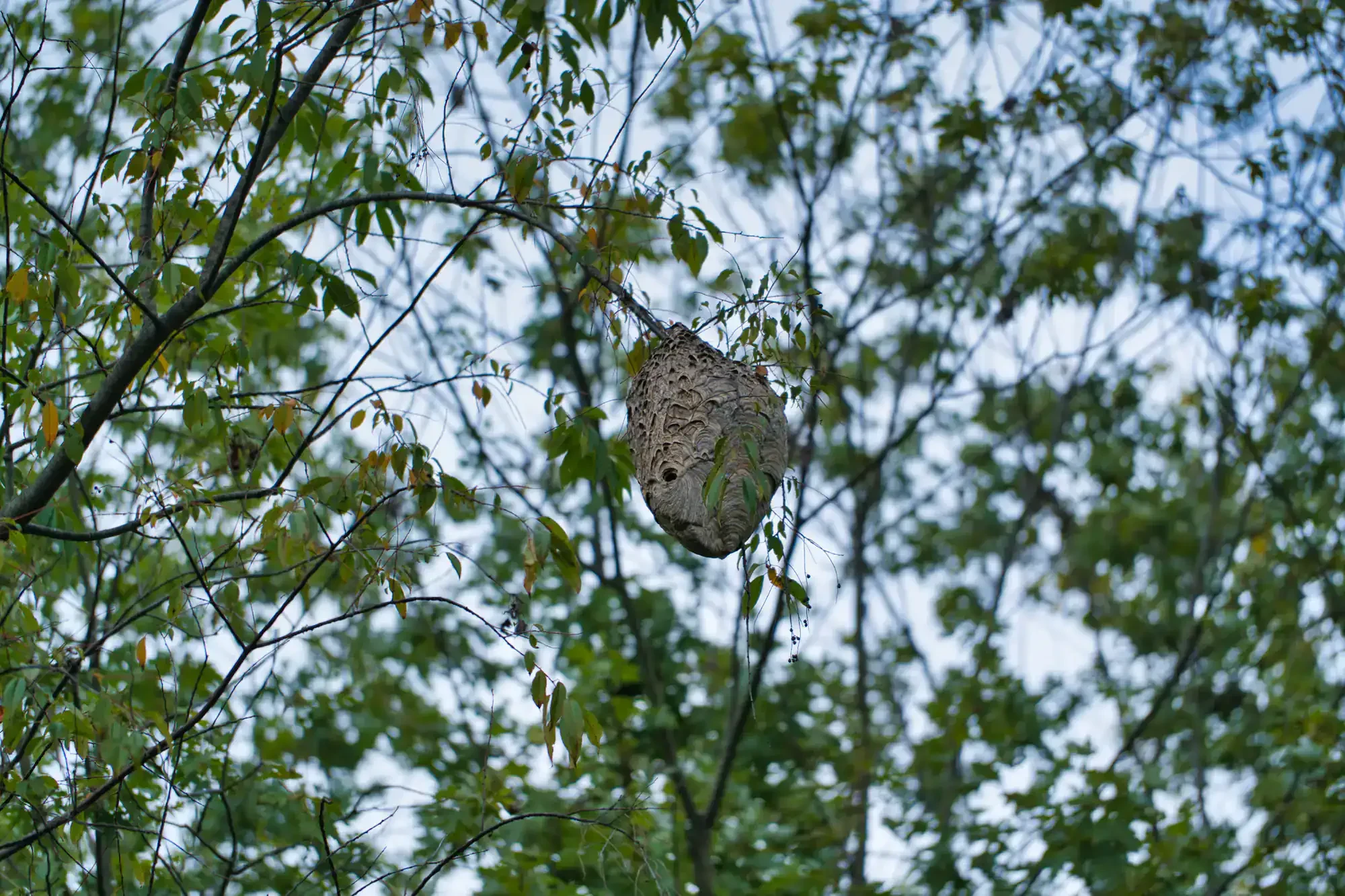
It starts with a call — and a real conversation, not a hold queue. When you reach out to us, you’ll talk through what you’re seeing: where the yellow jackets are entering, how long it’s been happening, whether you’ve already tried treating it yourself. That context matters, because the approach for a ground nest near the Black Creek Trail side of the township is different from a colony that’s set up inside the wall void of a 1960s ranch home on the city side.
From there, one of our trained technicians comes out to inspect the property. We’re not just looking at the entry point you already found — we’re checking the full picture. Aging soffits, gaps in the siding, chimney mortar joints, crawlspace vents. In Davidson older housing stock, there are often multiple vulnerabilities, and treating one without identifying the others is how infestations come back. We identify the species first, because German Yellowjackets nesting in a wall void require a different treatment method than Eastern Yellowjackets in a ground burrow.
Once the colony is treated and eliminated, you’ll get clear guidance on what to watch for and what to seal. Our 1-year service guarantee means if yellow jacket activity returns within the guarantee period, we come back at no charge. That’s not a marketing line — it’s a commitment backed by two decades of local service.
Ready to get started?
Yellow jacket pest control in Davidson isn’t a one-size situation. The service we provide covers the full scope — inspection, species identification, targeted treatment, and a follow-up plan. Whether the nest is in the ground, tucked behind a soffit, buried in an attic, or expanding inside a wall void, our approach is built around what’s actually happening at your property, not a standard package applied to every house on the block.
For Davidson homeowners, attic yellow jacket removal is one of the more common calls — and one of the more involved jobs. Homes built in the 1950s through 1970s often have wooden attic access points, aging insulation, and soffit structures that have shifted over decades. A colony that’s been active in that space for even one season can cause real structural damage. The treatment has to reach the colony itself, not just the entry point, which is why experience with this specific type of home matters.
We also serve commercial customers throughout the Davidson area and broader Genesee County. If you’re a senior homeowner, a veteran, or a first responder, ask about available discounts when you call. And if you’ve already received a quote from another local company, ask about price matching — we’ll work with you on a reasonable competitor rate without sacrificing the quality of the job.
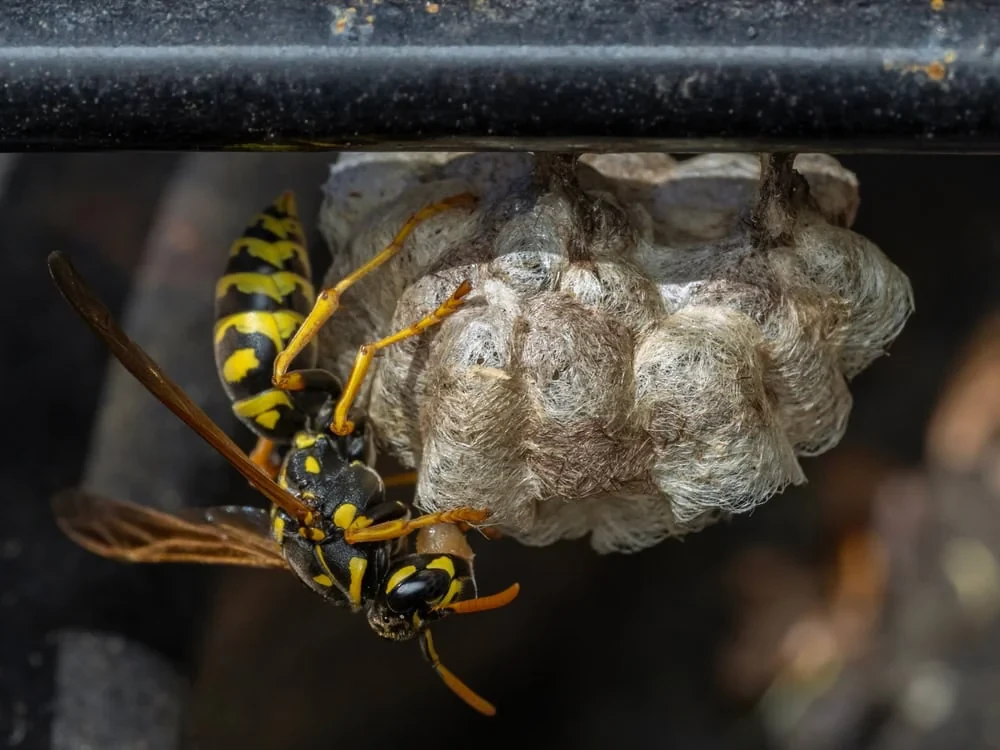
The most common sign is seeing yellow jackets entering and exiting a specific gap in your siding, soffit, or foundation — especially repeatedly, and in a focused line rather than random flight. You might also hear a faint buzzing or chewing sound coming from inside a wall, or notice yellow jackets appearing inside the house near a window or light fixture, which usually means the colony has expanded far enough that workers are finding their way through drywall seams or electrical penetrations.
In Davidson specifically, this tends to show up in homes with older wood siding, deteriorating fascia boards, or mortar joints that have cracked over time. These aren’t rare conditions here — they’re the norm in a community where most homes were built decades ago. If you’re seeing yellow jackets near the eaves or around the chimney base and the activity is consistent over several days, there’s a strong chance a colony has established inside. Don’t wait to call — wall-void colonies grow fast in late summer and the damage they cause to insulation and drywall compounds the longer they’re left alone.
It depends on the situation, but for most homeowners the honest answer is no — not safely, and often not effectively. Store-bought sprays can work on small, exposed nests if you catch them early in the season when the colony is still small. But by the time most people notice a yellow jacket problem, they’re dealing with a colony that already has hundreds or thousands of workers. Spraying the entry point of a wall-void or attic nest without reaching the actual colony doesn’t eliminate it — it agitates it, and can drive workers deeper into the structure or push them through interior walls into your living space.
There’s also a real safety risk. Yellow jackets are significantly more aggressive than honeybees, and a disturbed colony will defend itself fast. If anyone in your household has a known or suspected allergy to stinging insects, a DIY attempt is genuinely dangerous. Even without an allergy, getting stung multiple times in a confined area near a wall or attic access point is a serious situation. A trained technician with the right protective equipment and treatment approach can handle it without putting you or your family at risk.
Late July through September is when yellow jacket problems peak in Davidson and throughout Genesee County. That’s when colonies reach their maximum size — anywhere from 1,000 to 5,000 workers — and when their food sources shift. Early in the season, yellow jackets are primarily hunting other insects and tend to leave people alone. By late summer, they’re seeking sugars and proteins, which is why they show up at backyard cookouts, hover around trash cans, and get aggressive around outdoor food and drinks.
Michigan’s warm, humid summers accelerate colony growth, and Davidson combination of mature landscaping, wooded areas near the Black Creek corridor, and older housing stock means there’s no shortage of nesting sites. The frustrating reality is that this peak danger window lines up exactly with the time of year when Davidson families are most active outside — using the yard, hosting people, letting kids play. If you’re noticing heavy yellow jacket activity in August, don’t wait it out. The colony isn’t going to slow down until the weather turns cold, and by then the structural damage inside your home is already done.
Yes, it matters quite a bit — both for how the treatment is approached and how urgent the situation is. Yellow jackets are a type of wasp, but they behave differently from paper wasps or mud daubers in ways that directly affect treatment. Paper wasps build open, exposed nests under eaves and in shrubs, and they’re generally less aggressive. Yellow jackets nest in enclosed cavities — wall voids, attics, ground burrows, tree stumps — and they defend those nests aggressively, especially in late summer. They can sting repeatedly, and they will chase a perceived threat.
In Davidson, the two species you’re most likely dealing with are the German Yellowjacket, which favors the wall voids and attic spaces common in the area’s older homes, and the Eastern Yellowjacket, which nests underground in soft soil and abandoned animal burrows — something you’ll find throughout the township’s wooded and semi-rural sections. Treating a German Yellowjacket colony in a wall void requires getting the product into the cavity where the nest actually is, not just spraying the entry point. That’s why species identification is the first step in every job we do — the right treatment depends on knowing exactly what you’re dealing with.
Yellow jacket extermination nationally averages around $725, with more complex jobs — like wall-void or attic nest removal — ranging from $500 to $1,300 depending on the size of the colony, the accessibility of the nest, and how much structural involvement there is. In Davidson, where a significant portion of homes are older and nests frequently end up inside walls or attics rather than in easily accessible outdoor locations, the more involved end of that range is not uncommon.
That said, the cost of professional treatment is worth putting in context. A single emergency room visit for an anaphylactic reaction to a sting can run $1,000 or more before any follow-up care. Structural repair for drywall, insulation, and framing damaged by an expanding wall-void colony can easily reach several thousand dollars. Our professional service fee, backed by our 1-year guarantee and price-matching policy, is the lower-risk financial decision — not the expensive one. If you’ve received a quote from another Davidson-area pest control company, call us and ask about price matching. You don’t have to choose between quality and a fair price.
Yes — we offer discounts for senior homeowners, military veterans, and first responders. Davidson has a strong community identity, and a meaningful number of households here include retirees who’ve lived in the same home for decades, veterans, and people who work in public service roles throughout Genesee County. These discounts aren’t a checkbox — they reflect how we actually operate as a local, family-owned business that’s been part of this county for over 20 years.
If you or someone in your household qualifies, just mention it when you call. The discount will be applied to your service, no hoops required. And regardless of whether a discount applies to your situation, our price-matching policy means that if you’ve already gotten a quote from another local pest control company, we’ll work with you on the rate. The goal is straightforward: get the colony out of your home safely and completely, at a price that’s fair for Davidson families.
Useful Links