
Hear from Our Customers
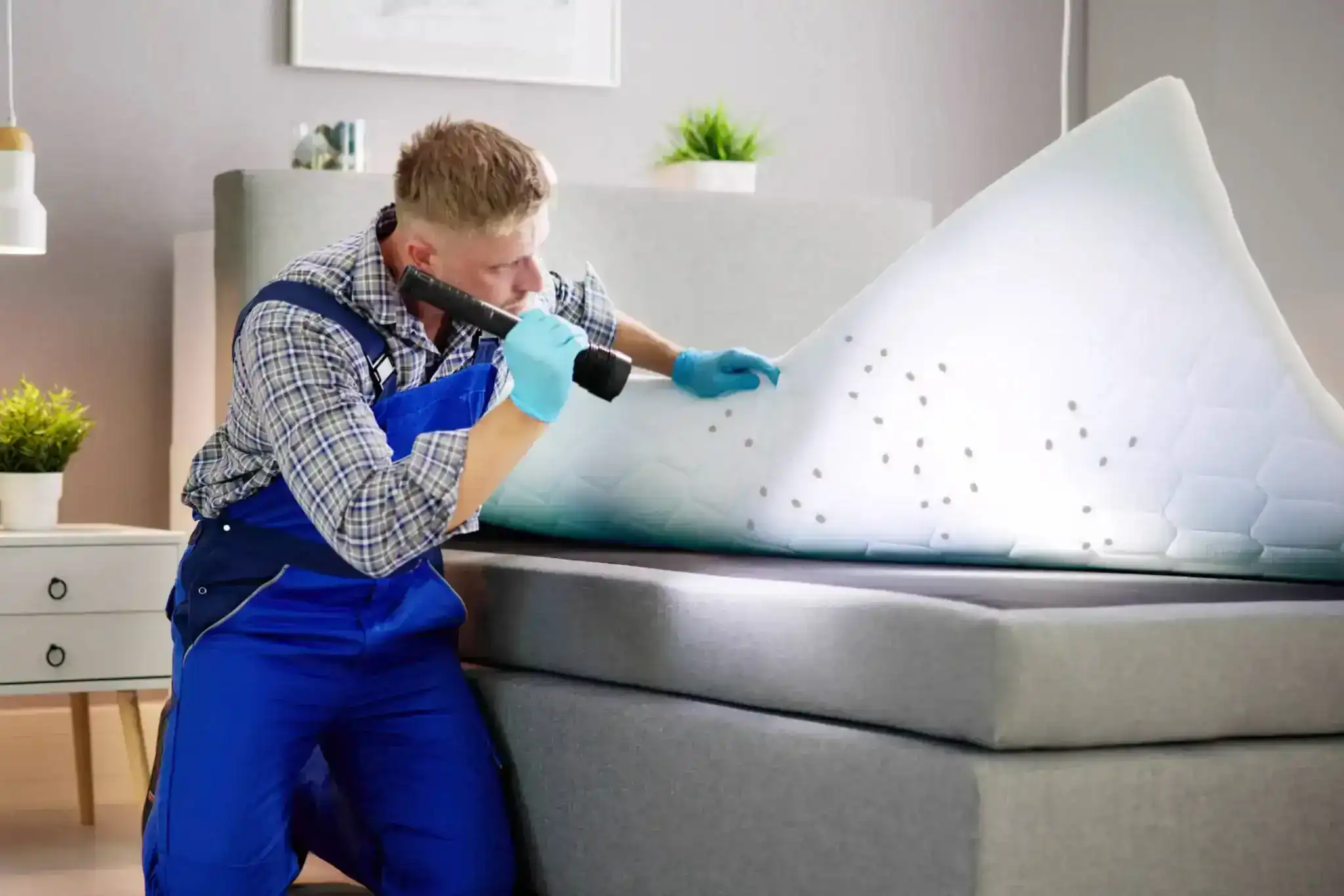
Bed bugs don’t live out in the open. In West Highland homes along the Hickory Ridge Road corridor — where average build years hover around 1969 — they settle into original hardwood gaps, aged baseboards, plaster wall seams, and furniture joints that have been in place for decades. By the time you notice bites, the infestation is almost never where you think it is.
That’s the real problem with standard visual inspections. They find what’s visible. A trained detection dog finds what’s actually there — live bugs and viable eggs — with 90 to 98 percent accuracy, compared to 17 to 40 percent for human inspection alone. For a West Highland home on a wooded lot, that difference isn’t a detail. It’s the whole outcome.
Once we know exactly what we’re dealing with, treatment becomes precise. No guessing. No over-treating rooms that don’t need it. No under-treating the wall void where the real problem lives. You get a clear picture, a targeted plan, and follow-up visits spaced to break the full lifecycle — because one visit almost never finishes the job, and any company that tells you otherwise isn’t being straight with you.
We’ve been serving Southeast Michigan families since 2005. That’s two decades of treating real homes across Oakland County — not managing a franchise model from a call center three states away. Owner Roger Chinault has 26 years of hands-on experience in Michigan pest control, and the company we built reflects that: same technician assigned to your home every visit, no part-time fill-ins, and programs built around your specific property rather than a generic checklist.
West Highland isn’t a pin on a coverage map for us. It’s a community with older housing stock, large wooded lots, and a rural character that demands a different level of attention than a cookie-cutter subdivision. We hold Integrated Pest Management training credentials, are fully licensed under Michigan MDARD requirements, and have earned recognition from both Angie’s List and HomeAdvisor. Discounts are available for seniors, veterans, and first responders — and there are no binding contracts. Ever.
It starts with a conversation — not a sales pitch. You describe what you’ve noticed, when it started, and whether anything recent could explain it: a hotel stay, a guest from out of town, a piece of furniture picked up from an estate sale. West Highland’s lake community draws seasonal visitors, and the Highland State Recreation Area brings in campers from across Metro Detroit all summer. Those are real transmission vectors, and knowing your recent history helps narrow down where to look first.
From there, our K-9 detection team does what no visual inspection can replicate. The dog works the space — bedrooms, living areas, wall edges, furniture — and pinpoints active harborage with a level of accuracy that changes how treatment gets planned. You’re not treating a guess. You’re treating a confirmed location.
Treatment typically runs two to four visits over three to six weeks, spaced to target bugs at different points in their lifecycle. Eggs aren’t affected by most treatments, which is exactly why follow-up visits matter. Michigan MDARD licensing governs how treatments are applied, and we operate fully within those standards. After the final visit, you’ll know whether the infestation is gone — not wonder.

Ready to get started?
Our bed bug pest control services aren’t built around a one-size treatment menu. Every job starts with the K-9 detection inspection — the foundation that makes everything else accurate. From there, treatment is applied to confirmed areas using methods appropriate to your home’s construction, layout, and severity of infestation. Older homes throughout West Highland, with their plaster walls and original hardwood floors, require a more methodical approach than newer builds, and that’s exactly how we work.
We serve residential and commercial properties. If you manage a vacation rental near Duck Lake or White Lake, or run a business along the M-59 corridor, bed bug treatment for non-residential spaces is available and handled with the same precision as private homes. Every service includes follow-up visits built into the plan — not sold as add-ons after the fact.
We offer price matching for reasonable competitor rates, so if you’ve already gotten a quote from another provider in the Highland Township area, bring it. We’ll match it. What you won’t find anywhere locally is our certified K-9 detection program — fewer than 100 companies in the entire United States offer it, and it’s what makes the difference between treating a symptom and solving the actual problem.
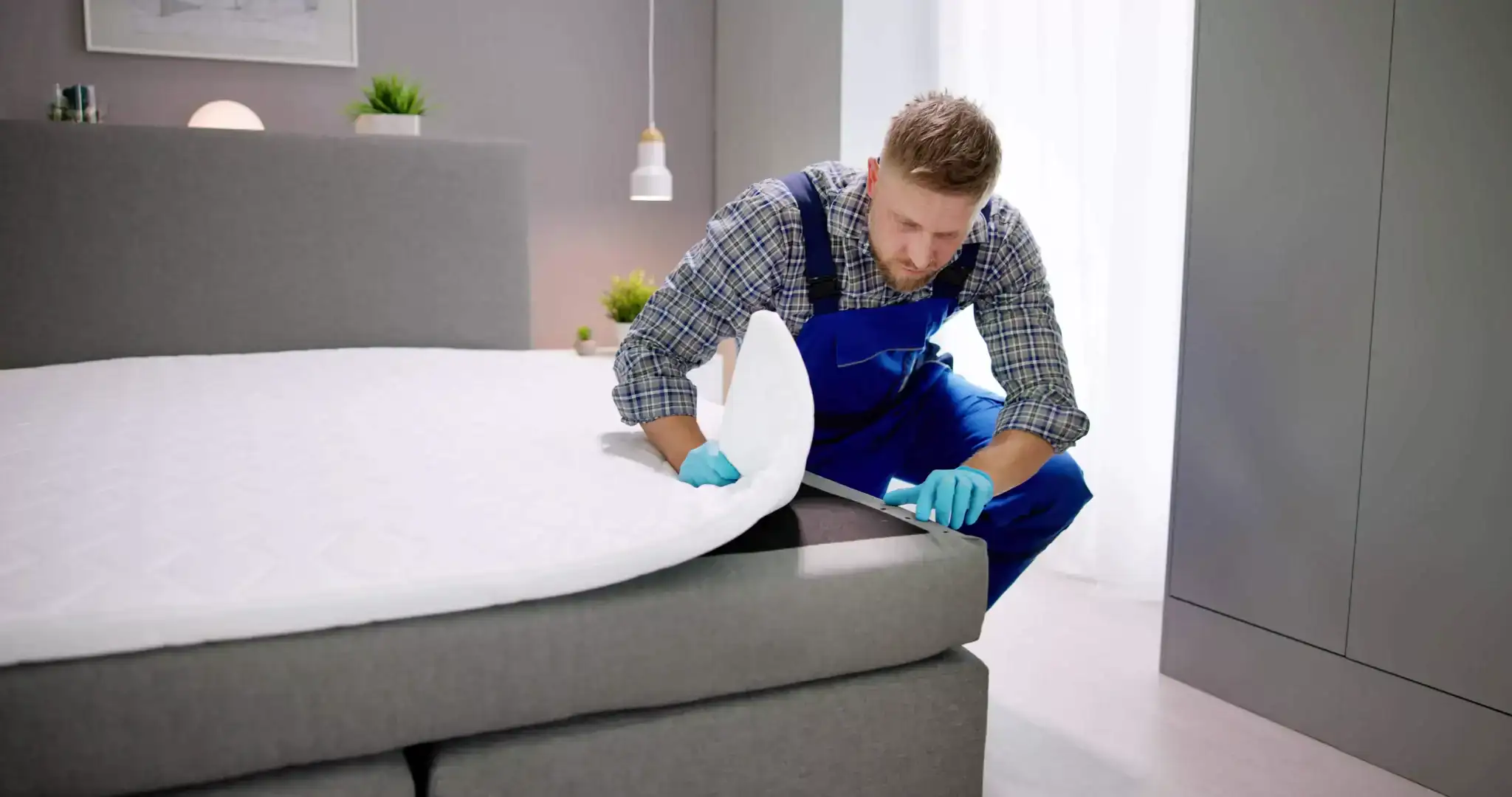
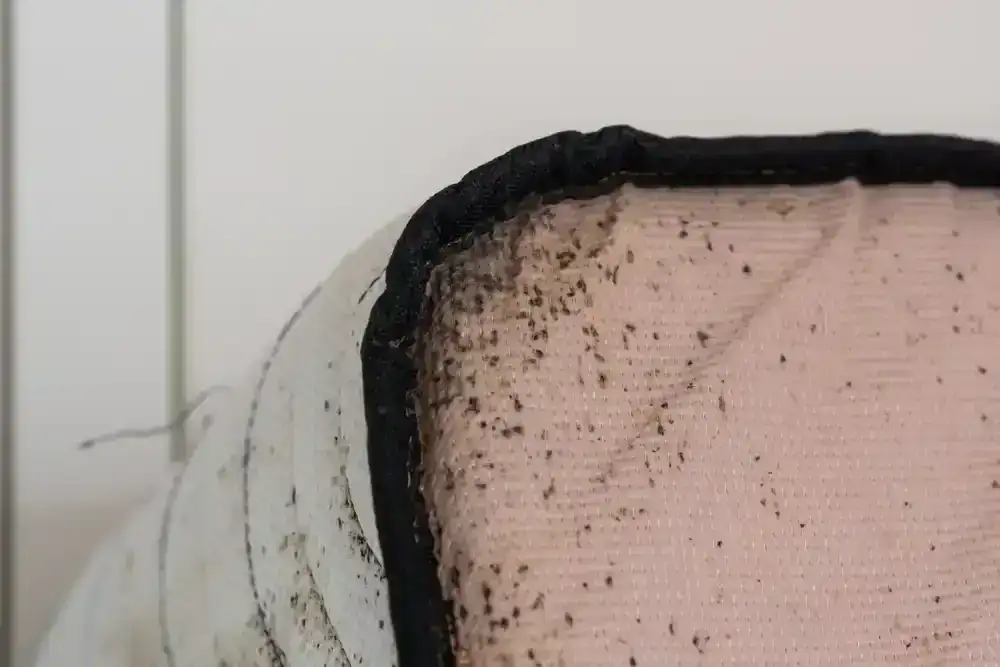
The most common signs are small, itchy bites that appear in lines or clusters — often on arms, shoulders, or the neck — and tiny rust-colored stains on your sheets or mattress seams where bugs have been crushed or fed. You might also notice shed skins or small dark spots along baseboards and furniture joints. The problem is that these signs are easy to miss, especially in older West Highland homes where there are more places for bugs to hide.
Homes throughout West Highland with original hardwood floors, plaster walls, and aged trim give bed bugs significantly more harborage than a newer build would. If you’ve had guests staying over, returned from a hotel, or recently brought in secondhand furniture — estate sales and farm auctions are common in this area — those are all real transmission pathways worth mentioning when you call. The safest and most accurate way to confirm an infestation is a K-9 detection inspection, which identifies live bugs and viable eggs with up to 98 percent accuracy. A visual inspection alone, even by an experienced professional, catches only a fraction of what’s actually there.
Most moderate infestations require two to four treatment visits spaced over three to six weeks. The reason it takes multiple visits isn’t a failure of the first treatment — it’s biology. Bed bug eggs are resistant to most chemical treatments. The follow-up visits are timed to target newly hatched bugs before they can reproduce, which is the only reliable way to break the full lifecycle and prevent a rebound infestation.
The size and layout of your home also affects the timeline. Larger properties — common throughout West Highland and Highland Township, where lots average nearly 13 acres and homes tend to be older and more spread out — can take longer to treat thoroughly than a compact apartment. A house with multiple bedrooms, a finished basement, and decades of original construction has more harborage to address than a newer, smaller home. Your technician will walk you through a realistic timeline during the initial visit so you know exactly what to expect, not just a best-case scenario.
Yes — and this is one of the most common misconceptions about bed bugs in Michigan. Unlike outdoor pests that die off in cold weather, bed bugs are an indoor pest that lives in climate-controlled environments. Your heated West Highland home is just as hospitable in January as it is in July. There is no winter die-off, no cold snap that solves the problem for you. Infestations discovered in fall or winter are just as active and just as capable of spreading as those found in summer.
What Michigan winters do affect is how long an infestation goes unnoticed. When residents spend more time indoors — which is most of the year in western Oakland County — they’re in closer contact with sleeping areas and more likely to notice bites. That’s often when calls come in. But the infestation itself may have started months earlier, during summer travel, a camping trip to the Highland State Recreation Area, or a hotel stay during a work trip into Metro Detroit. Don’t wait for spring to call.
Preparation matters, and your technician will give you a specific checklist based on your home’s layout and the treatment method being used. In general, you’ll want to wash and dry all bedding, clothing, and soft items on high heat — bed bugs and their eggs die at sustained temperatures above 120 degrees Fahrenheit. Decluttering sleeping areas and pulling furniture a few inches from walls helps the technician access baseboards and wall edges where bugs commonly hide.
For larger homes in West Highland — especially those with multiple bedrooms, finished lower levels, or rooms that have accumulated years of furniture and storage — preparation can take a few hours. It’s worth doing thoroughly. Skipping steps or rushing through prep is one of the most common reasons treatment results fall short. Your technician will walk through what’s needed before the visit so you’re not guessing, and they’ll answer questions specific to your home’s layout rather than handing you a generic one-page sheet and leaving you to figure it out.
Absolutely, and it’s more common than most people expect. The Highland State Recreation Area draws campers and outdoor visitors from across Metro Detroit throughout the summer, and any time people are cycling through shared sleeping spaces — tent campsites, rental cabins, or even shared gear — there’s a transmission risk. Bed bugs hitchhike in luggage, sleeping bags, clothing, and duffel bags. You don’t have to sleep in a dirty place to pick them up. You just have to sleep somewhere they already are.
The same risk applies to vacation rentals near Duck Lake, White Lake, and Fish Lake — all within Highland Township. If your home has hosted guests who stayed in rental properties or hotels before arriving, that’s a real exposure pathway. And if you’ve returned from a summer trip and started noticing bites a few weeks later, timing is often the clearest clue. Bed bugs typically take one to three weeks after introduction before bites become noticeable, which means the connection to a specific trip or visitor isn’t always obvious at first. If something feels off, call and describe the timeline — it helps narrow down where to start looking.
Yes. We offer discounts for seniors, veterans, and first responders. Highland Township and the surrounding communities in western Oakland County have a strong base of long-term homeowners and residents with backgrounds in military and public service, and those discounts are a straightforward acknowledgment of that. If you or someone in your household qualifies, just mention it when you call.
Beyond the discount programs, we also match reasonable competitor rates. If you’ve already gotten a quote from another pest control provider serving the Highland area, bring it to the conversation. The goal is to make sure price isn’t the reason someone settles for a less thorough service — especially when our K-9 detection program that sets us apart isn’t available from any other provider confirmed to be operating in this area. Getting the most accurate detection and the most targeted treatment shouldn’t require paying a premium over what a competitor charges for a less precise approach.
Useful Links