
Hear from Our Customers
West Highland sits right where rural Oakland County meets 5,900 acres of state recreation land. That’s not just a scenic backdrop — it’s a constant source of pest pressure. Deer push ticks to your property line. Squirrels and raccoons probe your roofline every fall. Carpenter ants work through the mature trees and older wood framing that’s common in this part of the township. When those pressures go unaddressed, they don’t stay outside.
What changes after professional pest control isn’t just the absence of bugs — it’s the absence of worry. You stop finding mouse droppings in the garage. You stop pulling ticks off the dog after a walk through the back acreage. You stop wondering what that soft spot in the window frame actually means. That’s the real outcome: a home that isn’t constantly being tested.
For families along Hickory Ridge Road and the surrounding rural corridors, that peace of mind is especially valuable. Large lots, outbuildings, wooded edges, and horse properties create more exposure than a standard subdivision lot ever would. Getting ahead of that pressure — and keeping it under control season after season — is exactly what a consistent, licensed pest control program does.
We founded First Choice Pest Control on May 31, 2005 — which means this year marks 20 years of serving southeast Michigan homeowners, including the rural and equestrian communities of western Oakland County and West Highland specifically. Our owner, Roger, has 26 years of hands-on pest control experience. That’s not a number pulled from a bio — it’s the reason we hold an MDARD Pesticide Application Business License (#250081), a Nuisance Animal Control Businesses License, and recognition from both Angie’s List and HomeAdvisor.
What makes us different from the national chains showing up in your search results isn’t just credentials — it’s continuity. You get the same technician every visit. They learn your property, your outbuildings, your seasonal patterns. For homeowners near the Hickory Ridge Road corridor in West Highland, where properties often include barns, paddocks, and significant wooded acreage, that kind of familiarity isn’t a luxury. It’s how pest control actually works long-term.

It starts with a conversation, not a sales pitch. When you call, our goal is to understand what you’re dealing with — where you’re seeing activity, what type of property you have, whether there are animals, children, or outbuildings involved. For properties in and around West Highland, that context matters. A horse property off Hickory Ridge Road has different pressure points than a newer build closer to M-59, and the treatment approach should reflect that.
From there, a licensed technician — the same one you’ll see on future visits — does a thorough inspection. They’re looking at entry points, conducive conditions, and signs of activity that aren’t always obvious to the untrained eye. Carpenter ants, for example, often nest in wall voids or decaying wood long before you see them foraging in the kitchen. Rodents leave evidence in crawl spaces and along foundation lines well before they make it into living areas. Catching it early changes the outcome significantly.
Once the inspection is done, you get a clear treatment plan. We use Integrated Pest Management principles, which means the least-toxic effective approach comes first — important for homes with kids, pets, and in some cases horses on the property. Treatments are applied in targeted locations, and your technician will tell you exactly when it’s safe to re-enter. Follow-up visits are scheduled based on your specific situation, not a one-size-fits-all calendar.

Ready to get started?
We handle the full range of pest and wildlife pressure that West Highland homeowners deal with — rodents, carpenter ants, stinging insects, spiders, bed bugs, ticks, mosquitoes, and nuisance wildlife. Our mosquito program is worth calling out specifically: it includes flea and tick treatment at no extra charge. For families spending time in the wooded backyards and trail-adjacent properties near the Highland State Recreation Area, that bundled coverage matters more than it would in a dense suburban neighborhood.
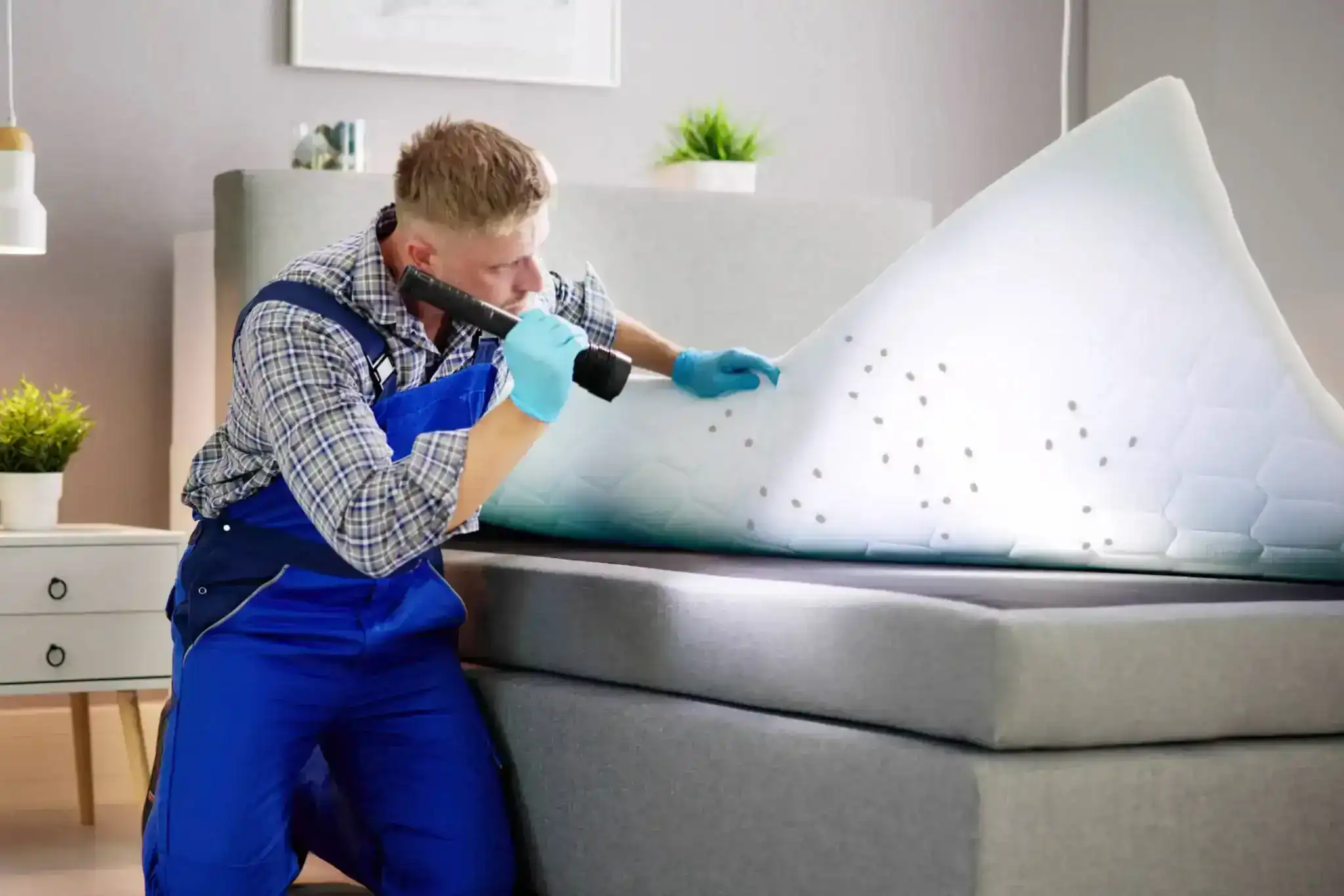
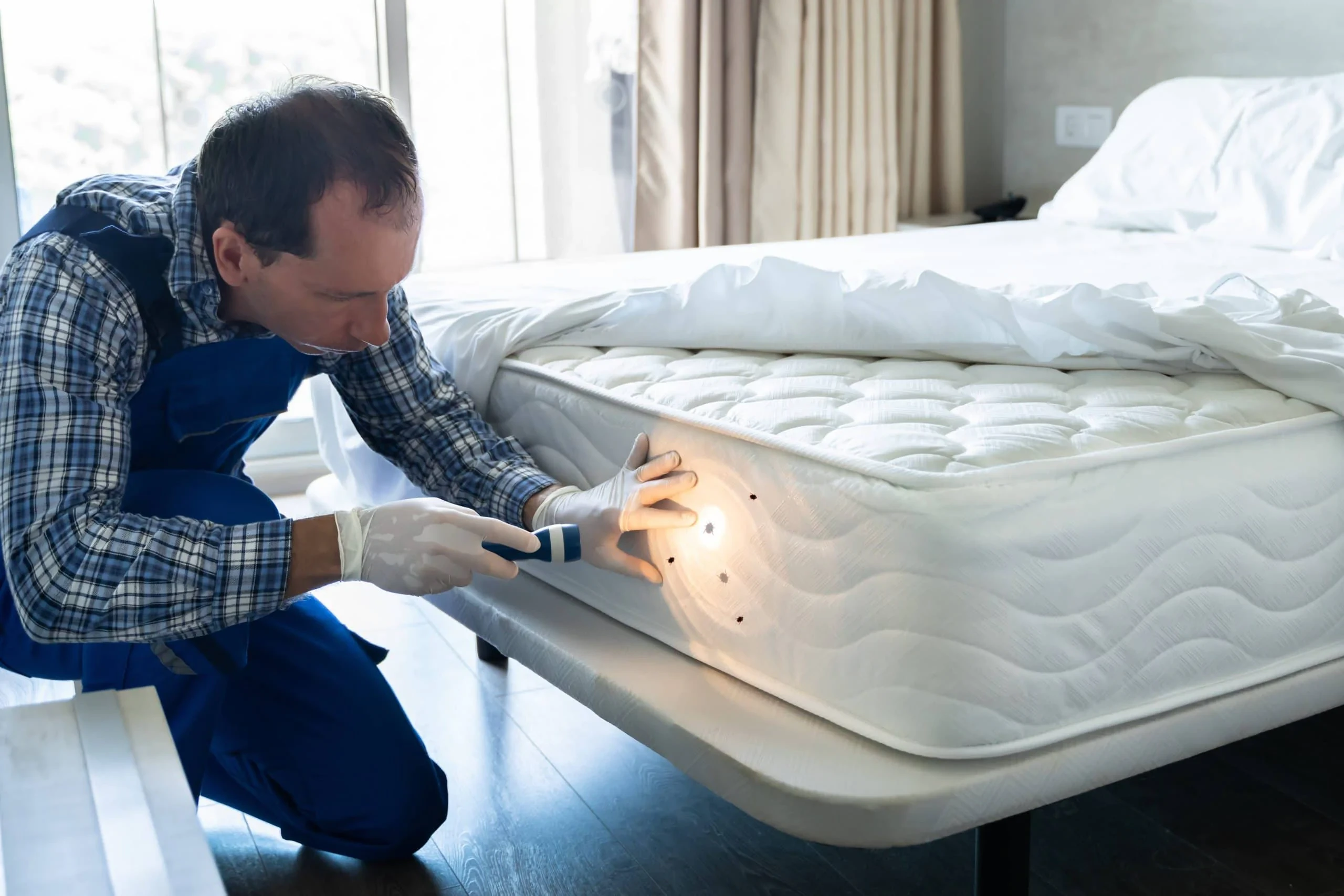
Bed bug detection is another area where we stand apart. We’re one of fewer than 100 companies in the entire United States offering certified canine bed bug detection — a method that finds live bugs and viable eggs with a level of accuracy that visual inspection alone can’t match. If you’ve had travel recently or picked up secondhand furniture, this is the service that removes the uncertainty.
Pricing is flat-rate and transparent, with a price-match policy for reasonable competitor quotes. We offer discounts for seniors, veterans, and first responders — and in a community like West Highland, where those residents are well-represented, that’s a straightforward way to make sure the people who’ve given the most aren’t paying more than they should. All services are backed by our workmanship guarantee, and every job is performed by a career pest control professional — not a seasonal hire.

The pest pressure in West Highland is shaped by the surrounding environment in a pretty direct way. With the Highland State Recreation Area covering nearly 5,900 acres to the west and north, and the township’s rural corridors running through horse-property-heavy terrain along Hickory Ridge Road, you’re dealing with a different mix than you’d find in a standard Oakland County subdivision.
Carpenter ants are one of the most common calls — they thrive in the mature trees and older wood framing that’s prevalent in this area, and they can cause serious structural damage before most homeowners realize there’s an issue. Deer ticks are a genuine concern anywhere near the state recreation area, given the deer population that moves through that land. Rodents — mice especially — become aggressive about finding warmth in homes once fall arrives in Michigan. Stink bugs, boxelder bugs, and cluster flies are common fall invaders. Bed bugs, while not geography-specific, are a year-round issue that spikes after holiday travel. Knowing what’s most likely based on your specific property type and location helps prioritize where to start.
Rural and equestrian properties have more exposure points and more conducive conditions than a typical residential lot — and that changes how a pest control program needs to be structured. Barns and feed storage attract rodents. Manure and standing water create fly and mosquito breeding environments. Wooded pasture edges are prime tick habitat. Large acreage means more perimeter to manage and more potential wildlife entry points into outbuildings and the main residence.
For properties in West Highland, especially along the Hickory Ridge Road corridor where horse properties are common, a one-size-fits-all treatment plan doesn’t hold up. The inspection process needs to cover outbuildings, not just the main structure. Treatment placement needs to account for animals on the property — horses are sensitive to certain chemical applications, and an IPM-trained technician will know where and how to apply treatments safely. The same technician returning each visit is especially valuable here, because they already know the layout, the animals, and the seasonal patterns specific to your land.
Yes — when it’s done right. We use Integrated Pest Management (IPM) principles, which means the approach starts with the least-toxic effective method and escalates only when necessary. Products are EPA-approved, applied in targeted locations and amounts, and your technician will give you a clear re-entry timeframe before leaving the property.
For West Highland homeowners with children playing in wooded backyards or animals on the property, this matters more than it might in a denser suburban setting. The risk calculus is real: an untreated carpenter ant infestation causes structural damage, an untreated rodent problem creates health hazards, and deer ticks in your yard are a genuine Lyme disease risk — especially for kids and pets who spend time near wooded edges. The treated environment, once the re-entry window has passed, is far safer than the untreated one. Your technician will always walk you through what was applied, where, and what to expect — no guessing on your end.
Honestly, there’s no wrong time — but there are better windows depending on what you’re dealing with. In Michigan, pest pressure follows a pretty predictable seasonal pattern. Spring is when carpenter ant colonies emerge from wall voids and overwintering sites, and when stinging insects start building nests under eaves and in the ground. Summer is peak season for mosquitoes, ticks, and mature yellowjacket nests. Fall is when rodents make their most aggressive push indoors as temperatures drop — and for homes near the Highland State Recreation Area’s wildlife corridor, that pressure can be significant. Winter is quieter outdoors, but bed bugs and overwintering insects like cluster flies stay active inside.
The most effective approach is a year-round program that addresses each season’s dominant threats proactively, rather than waiting for an active infestation to call. For West Highland homeowners on large rural lots, getting ahead of rodent entry before October and scheduling mosquito and tick treatment before June makes a measurable difference in how much pest activity you deal with the rest of the year.
A standard visual inspection relies on what a technician can see — and bed bugs are very good at hiding. They nest inside wall voids, under flooring, inside furniture frames, and behind electrical outlets. A thorough visual inspection can miss live bugs and viable eggs in locations that are simply inaccessible to the human eye.
Certified canine detection works differently. Trained dogs can identify the scent of live bed bugs and viable eggs with 95–98% accuracy, finding infestations in areas that visual inspection would never reach. We’re one of fewer than 100 companies in the entire United States offering this service — which means most pest control companies in the West Highland area don’t have access to it at all. If you’ve had recent travel, hosted guests, or purchased secondhand furniture, and you’re not sure whether you have a bed bug problem, canine detection removes the uncertainty. You get a definitive answer, not a “we didn’t see anything” that leaves you wondering for the next three months.
Yes — we offer discounts for seniors, military veterans, and first responders. West Highland has a strong community of residents who’ve spent decades here, raised families here, and served in ways that don’t always get recognized when it comes time to pay for home services. These discounts reflect that. They’re not a promotional add-on — they’re a straightforward acknowledgment that certain members of this community have earned a break where it can be given.
If you or someone in your household qualifies, just mention it when you call. The discount applies to the service, no hoops required. We also offer price matching for reasonable competitor quotes, so between the two policies, you’re not going to be paying more than the market rate for qualified, licensed pest control service. The goal is to make it easy for West Highland homeowners to access a professional they can actually trust — without the pricing games that make people hesitant to call in the first place.
Useful Links