
Hear from Our Customers
The deck gets used again. The kids go back to playing in the yard. You stop holding your breath every time you walk past the shed. That’s what professional wasp nest removal in Newark, MI actually delivers — not just a dead nest, but a property you can move around freely.
Out here in Holly Township, most homes sit on wooded lots with outbuildings, naturalized borders, and mature tree lines. That’s exactly the kind of property where yellow jackets and paper wasps thrive. Ground nests hide in the grass along fence lines. Paper wasps build under eaves and inside open barn rafters. Bald-faced hornets hang colonies in the shrubs ten feet from your back door. These aren’t suburban strip-mall problems — they’re specific to rural Oakland County properties like those throughout Newark, and they need someone who understands that terrain.
The other thing worth knowing: Michigan’s wasp season doesn’t stay manageable. A colony that starts with a handful of workers in May can hit 5,000 to 15,000 by August. By the time you’re noticing real aggression near Seven Lakes State Park territory or along the wooded edge of your yard, the colony is already at full strength. Getting ahead of it — or getting it handled fast when it’s already bad — is what keeps a sting risk from becoming an ER visit.
First Choice Pest Control was founded on May 31, 2005 — which makes 2025 our 20th year serving mid-Michigan homeowners, including the rural communities of northern Oakland County and Newark. Roger, our founder, brings 26 years of hands-on pest control experience to a company he built from the ground up. That’s not a corporate bio — it’s a track record that shows up at your door.
We serve Holly Township and the Newark area knowing that properties here aren’t cookie-cutter. Wooded lots, detached garages, older farmhouses near Belford Road — these require a different read than a subdivision home. We don’t send part-time seasonal workers to figure it out. You get a trained, experienced technician who knows what they’re looking at and how to treat it right the first time.
We’re also recognized by Angie’s List and HomeAdvisor, hold Integrated Pest Management training, and offer discounts for seniors, veterans, and first responders — because this community has earned it.
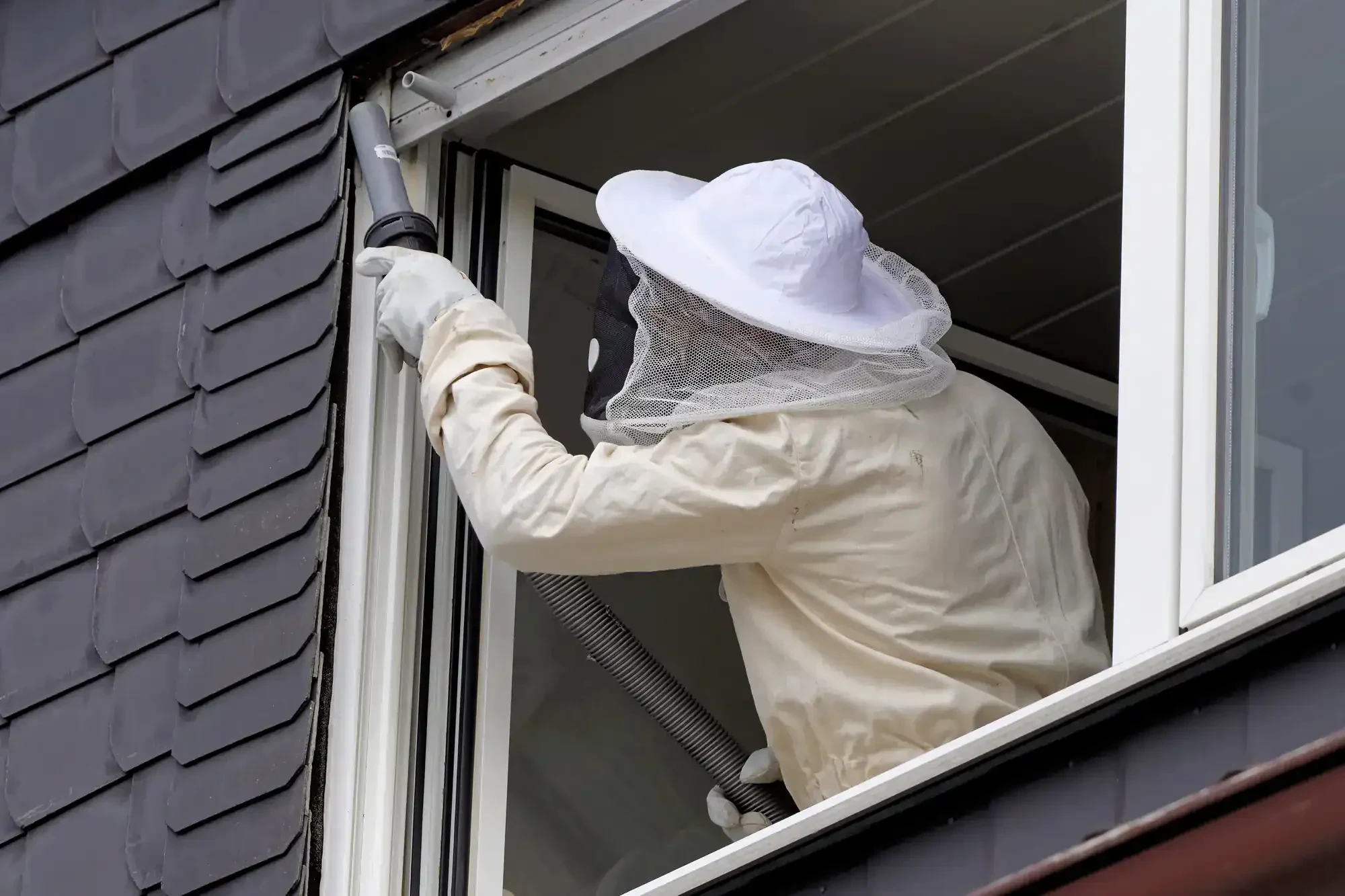
It starts with a full inspection of your property — not just the obvious nest you already found, but every outbuilding, eave line, tree line, and ground-level area where a second or third colony could be hiding. On rural Oakland County lots around Newark, that inspection matters more than most people expect. One visible nest often isn’t the only one.
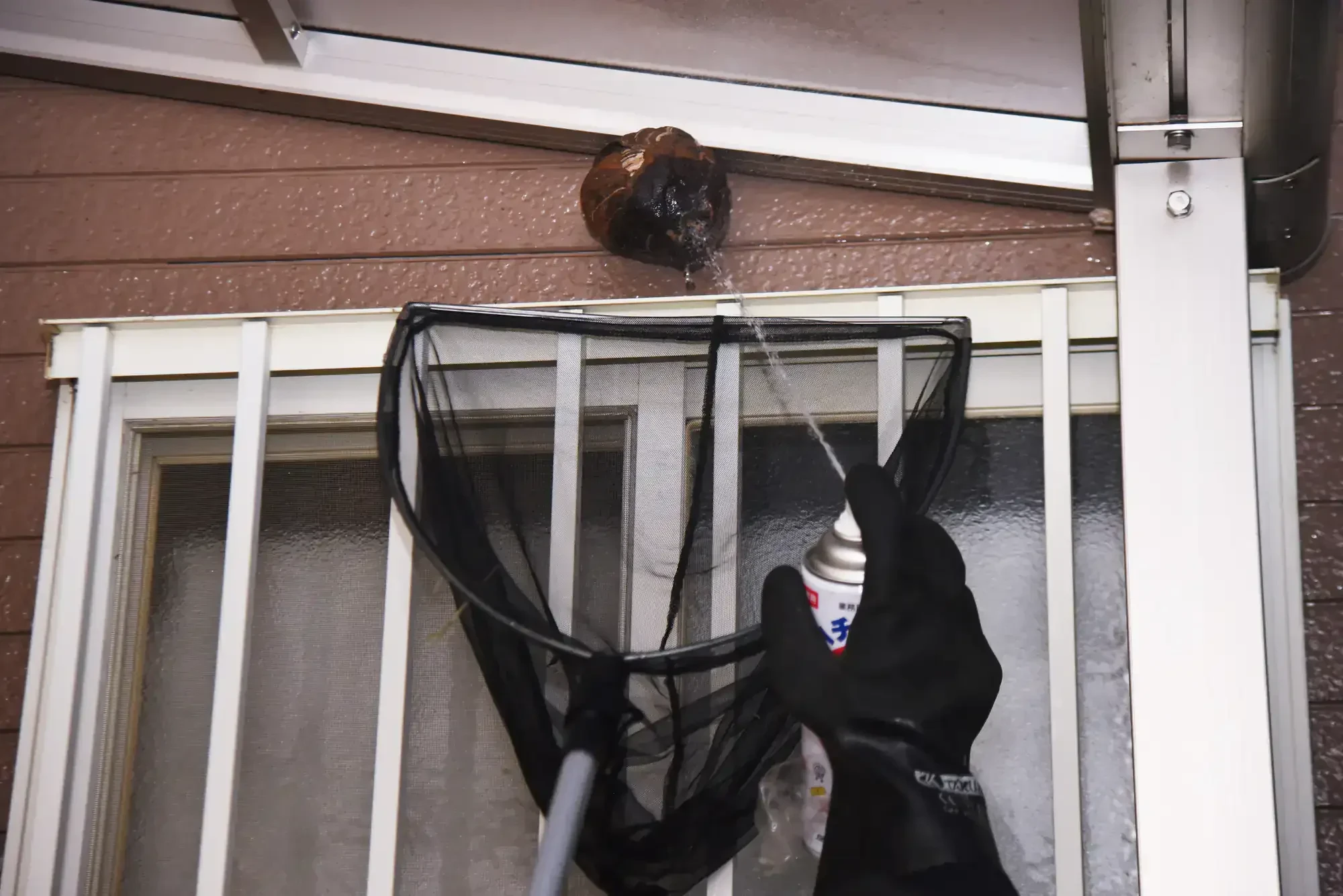
Once we’ve located every active site, we treat using professional-grade products that aren’t available at hardware stores. The application is targeted — not a blanket spray across your yard. We hold Integrated Pest Management training, which means we use the least-invasive approach that gets the job done. For Newark-area homeowners near natural areas and waterways, that’s not a small thing.
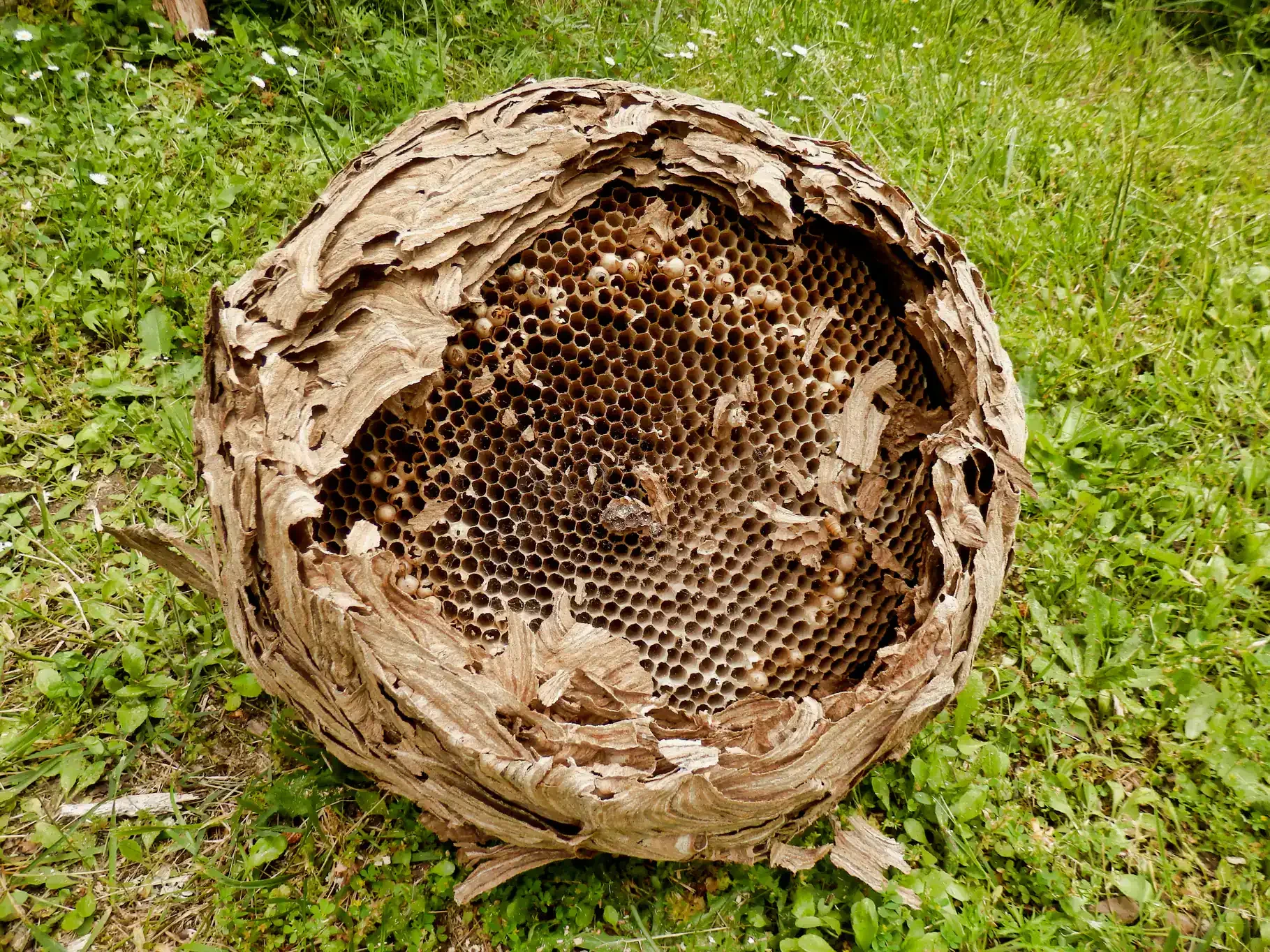
After treatment, we physically remove the nest structure and seal any entry points that could invite re-nesting — especially important on older homes with aging trim, wood siding, or open vents that are common in this part of northern Oakland County. If wasps come back, we do too. No binding contracts, no runaround. Michigan’s peak yellow jacket season runs August through September, and timing your service correctly — or responding fast when the problem shows up — makes a real difference in how the job goes.
Ready to get started?
Wasp nest removal in Newark, MI covers the full job — inspection, treatment, physical nest removal, and entry point sealing. We handle paper wasps, yellow jackets, bald-faced hornets, and other stinging insects that are common across Holly Township’s wooded, park-adjacent properties. If you’re not sure what you’re dealing with, that’s fine — identifying the species is part of what we do before anything gets treated.
For properties near Seven Lakes State Park or along the wooded corridors of northern Oakland County, yellow jacket ground nests are a particular concern. They’re easy to miss until someone steps on one, and they’re extremely aggressive once disturbed. We locate and treat ground nests as part of every inspection — not as an add-on.
We serve both residential and commercial customers, and we match reasonable competitor rates, so you don’t have to choose between local expertise and fair pricing. Seniors, veterans, and first responders receive discounts — no paperwork maze, just straightforward savings. There are no binding contracts here. You call when you need service, we do the job right, and the results speak for themselves. That’s been our model for 20 years, and it’s not changing.
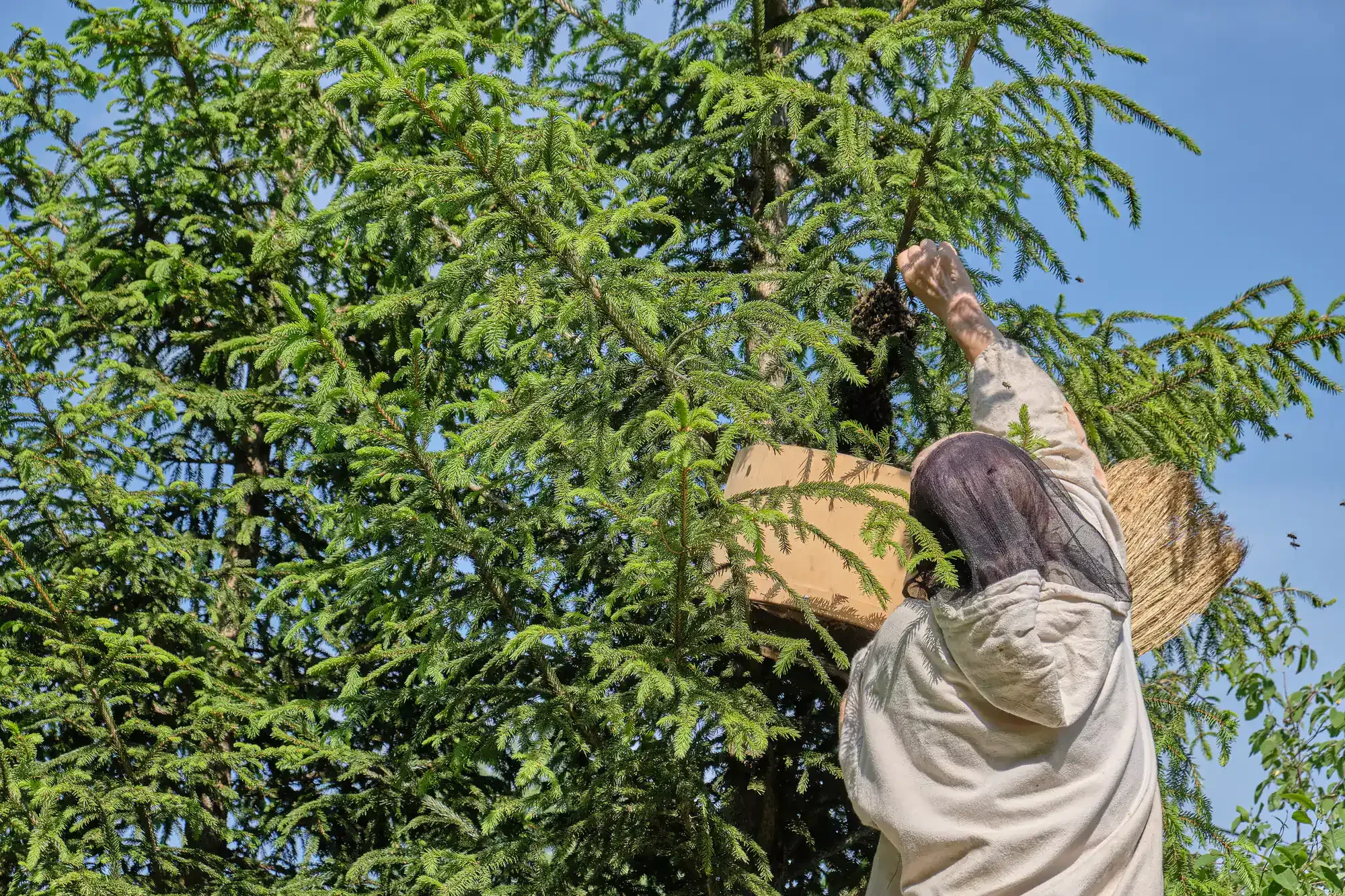
The most common sign is increased wasp activity near a specific spot on your property — along a fence line, near an outbuilding, at the base of a shrub, or in a patch of ground that gets disturbed when you mow. Yellow jackets that are nesting underground will fly in and out of a small entry hole, often no bigger than a quarter. You may not see the hole until you’re right on top of it.
On rural properties throughout Newark and Holly Township, ground nests are especially easy to miss because of naturalized yard areas, overgrown borders, and uneven terrain near wooded edges. If you’re seeing wasps consistently flying low along the ground in one area — especially near an outbuilding or a section of lawn you don’t walk through often — that’s a strong indicator of a ground nest. Don’t probe the area or try to treat it yourself. Yellow jackets respond to vibration and disturbance aggressively, and a ground colony in August can have thousands of workers ready to defend it within seconds.
For a small, early-season paper wasp nest that’s clearly visible and easy to access from a safe distance, a hardware store spray can work. But that’s a narrow window — and most people aren’t calling because they have a small, easy nest. By the time a colony is noticeable enough to cause concern, it’s usually large enough to be genuinely dangerous to treat without professional equipment and protective gear.
Yellow jacket nests — especially ground nests, which are common on the wooded acreage lots throughout northern Oakland County and the Newark area — are a different situation entirely. Disturbing one without the right approach can trigger an immediate, large-scale defensive response. If the nest is inside a wall void, under a deck, or in a location that requires you to get close without a clear exit path, the risk goes up significantly. Professional removal isn’t just about the product — it’s about knowing the species, reading the colony’s behavior, and having the gear and training to handle what happens if something goes sideways.
Late July through September is the most dangerous stretch. That’s when Michigan yellow jacket colonies have had a full season to grow, and foraging activity peaks as natural food sources start to decline. Workers become noticeably more aggressive during this window — they’re defending a large colony, competing for resources, and reacting faster to perceived threats. A colony that seemed manageable in June can be a serious hazard by mid-August.
For Newark-area homeowners, this timing lines up directly with peak outdoor living season — decks, yards, gardens, and outdoor gatherings are all in full swing when wasp pressure is at its highest. Properties near wooded areas and park boundaries, like those adjacent to Seven Lakes State Park territory, tend to see higher foraging pressure because colonies in natural areas can range into residential yards. If you notice increased wasp activity in late summer, don’t wait to see if it settles down on its own. It usually doesn’t.
They can, but proper removal significantly reduces the chance. The key is what happens after the colony is treated — specifically, whether the nest structure is physically removed and the entry points are sealed. If a nest is treated but left in place, the pheromone traces and structural remnants can attract new queens looking to establish a colony the following season. That’s especially relevant for wall void nests and nests inside outbuildings, where the cavity remains usable even after the original colony is gone.
On older homes in the Newark area — many of which have wood siding, aging fascia boards, and gaps around utility penetrations that are common in rural northern Oakland County housing stock — sealing entry points after treatment is a critical step. We include that as part of the service, not as an upsell. If wasps do return after we’ve treated your property, we come back. That’s our commitment, and it doesn’t require a contract to hold us to it.
For a standard above-ground nest — paper wasps under an eave, a bald-faced hornet nest in a shrub or tree — professional removal typically runs in the range of $300 to $500 depending on nest size, location, and accessibility. Yellow jacket removal, particularly for ground nests or wall void nests, tends to cost more — often in the $600 to $800 range — because those jobs require more extensive inspection, more careful treatment, and sealing work after the colony is eliminated.
The honest answer is that pricing varies by property, and a rural acreage lot in Holly Township with multiple outbuildings and wooded borders may need a more thorough inspection than a standard suburban lot. We match reasonable competitor rates, so if you’ve gotten a quote from another pest control company serving the Oakland County area, bring it to us. You don’t have to sacrifice experience and accountability to stay within your budget. Seniors, veterans, and first responders also receive discounts — ask when you call.
The biggest practical difference is who actually shows up. National chains staff up with seasonal workers during summer — which is peak wasp season in Michigan. You may get a different technician every visit, someone who doesn’t know your property, and someone who’s working their third month in the field. For a straightforward suburban job, that might be fine. For a rural property in northern Oakland County with wooded borders, outbuildings, and the kind of complex terrain that defines the Newark area, it’s a real problem.
We assign the same technician to your property year after year. They learn your land — where nests have been before, which structures need watching, where the yellow jacket pressure tends to show up on your specific lot. Roger has 26 years of personal pest control experience and built this company in 2005 with the intention of doing the job right, not at volume. Holly Township residents who’ve tried the national chain route and ended up calling us anyway tend to say the same thing: the difference shows up in the details, and the details matter when you’re dealing with a stinging insect problem on a property you care about.
Useful Links